Summer Vacation 2026
ISSUE 02 | August 2026
SUMMER VACATION
Message from Richard Sandoval
Looking Back. Looking Around. Looking Forward.
 ne of the things I have always enjoyed about what we do is that you never quite know where the next story will take us.
In this edition of HL | Culture & Influence, we recognize the career and contributions of Patricia Pérez as she begins her next chapter. We travel to Los Cabos, not looking for a story, but discovering one during a summer family vacation. We consider what happens to our communities when familiar local voices suddenly go silent. We reach into the Hispanic Lifestyle archives to revisit Halloween memories from Disneyland that, more than a decade later, continue to find a new audience.
Leadership. Travel. Media. Culture. Memories.
On the surface, they may seem like very different stories. I believe that is precisely the point.
This edition gives us an opportunity to look back at the people and moments worth remembering, look around at the places and changes shaping our experiences today, and look forward to the stories still waiting to be discovered.
For more than 30 years, Hispanic Lifestyle has been about discovering, documenting and sharing the people, places, organizations and experiences that define our communities. Culture & Influence brings those stories together some new, some rediscovered, and all worth sharing.
We invite you to settle in and enjoy the stories.
Richard Sandoval
Publisher
HL | Culture & Influence – HL | Media Network

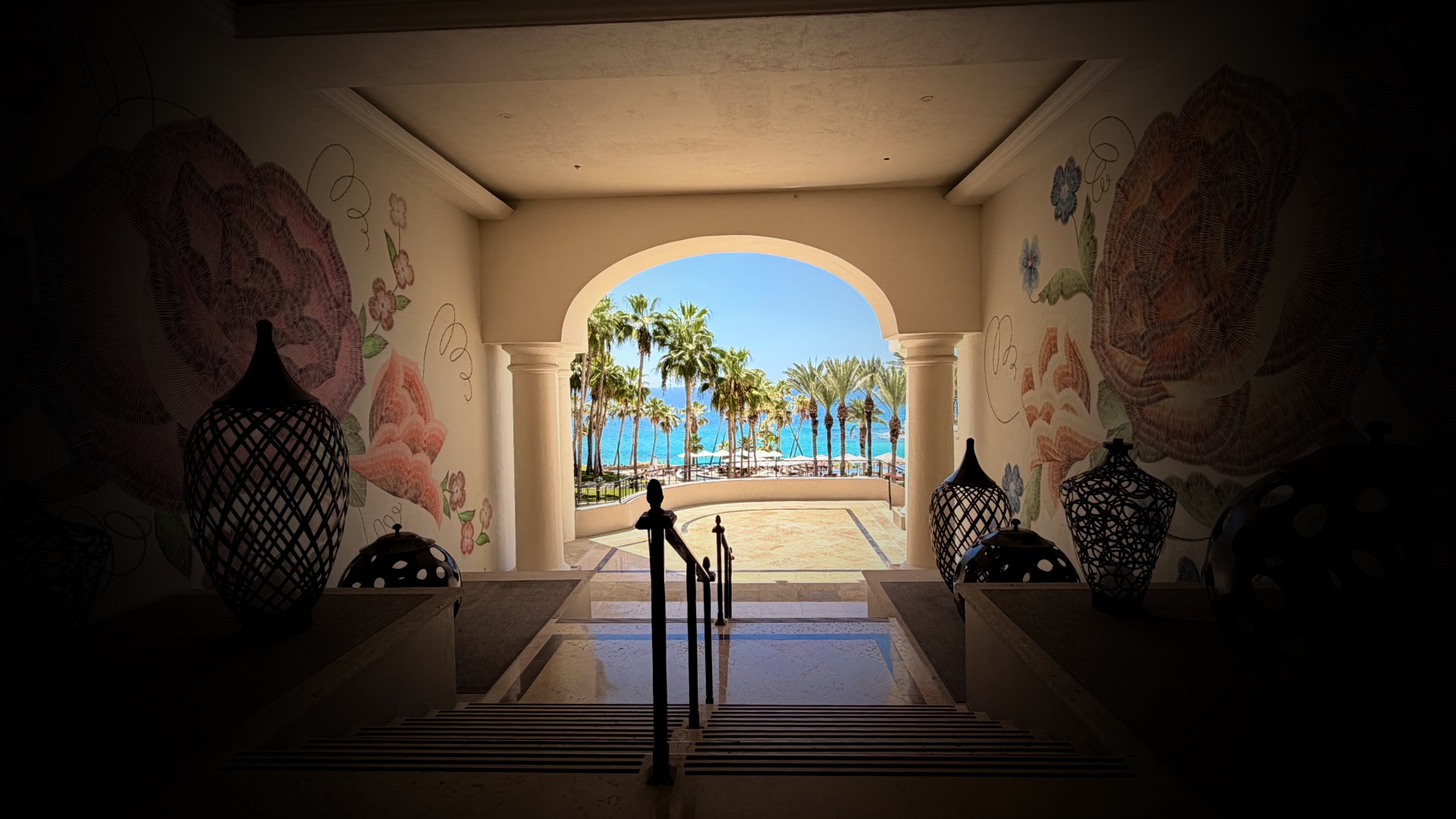
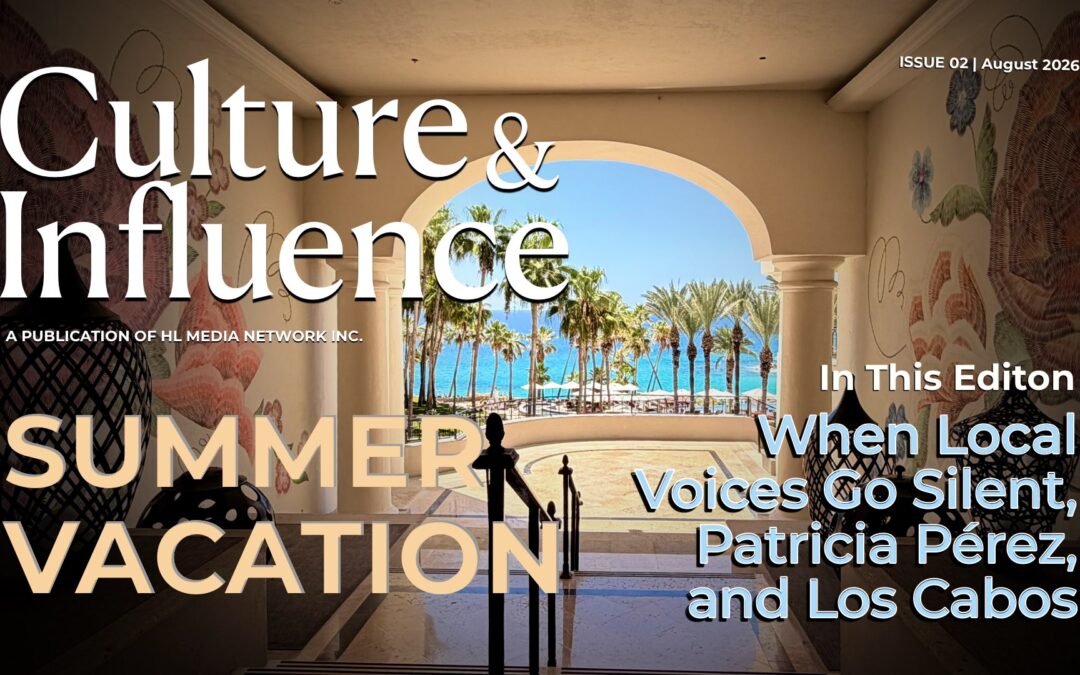
About the Cover Photograph
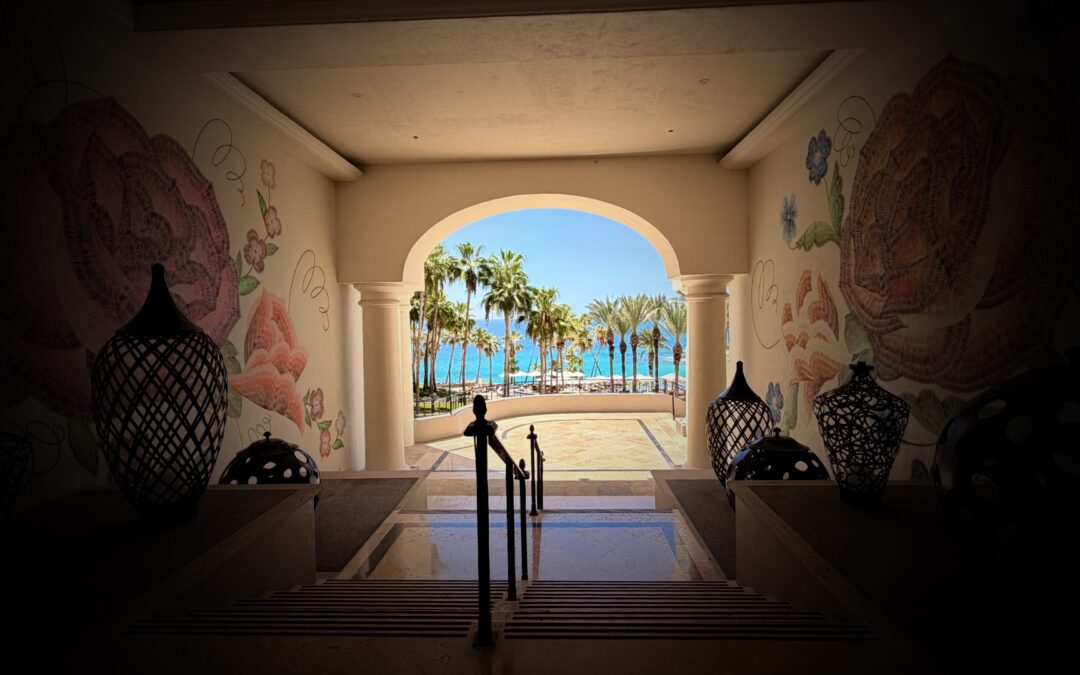
Los Cabos, Mexico
Photographed by Richard Sandoval | August 2026
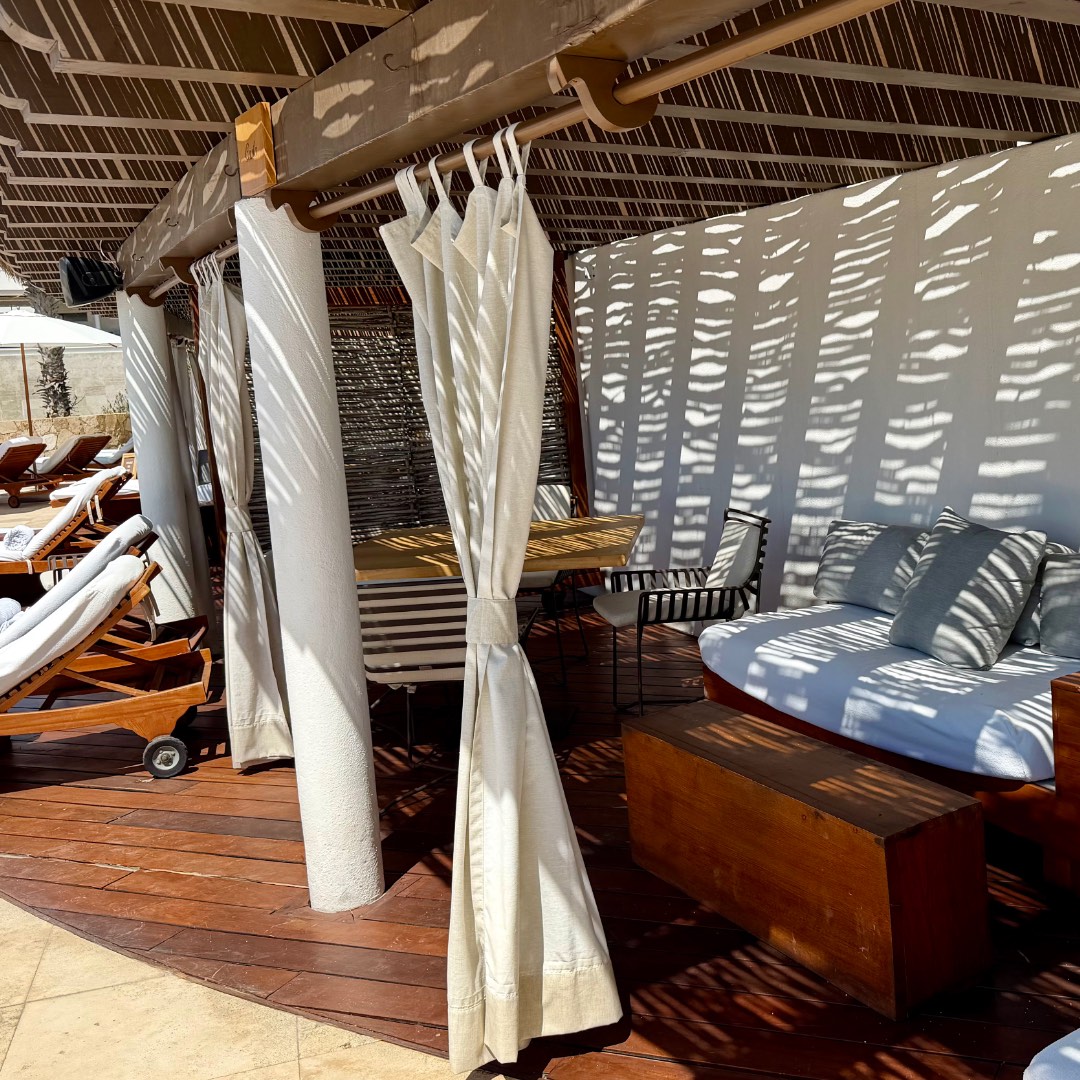
While walking through Hilton Los Cabos, I noticed several hallways and passageways that opened to magnificent views of the property and the landscape beyond. It was not lost on me what the architects and designers were trying to accomplish. The architecture seemed to intentionally frame each view, allowing the artwork, furnishings, natural light and surrounding landscape to complement one another.
These are carefully designed commercial spaces, yet nothing felt accidental. Everything seemed to work together. This photograph captured one of those moments when architecture, art and the natural beauty of Los Cabos became part of the same composition.
FEATURED ARTICLES
COMMUNITY
When Local Voices Go Silent

FROM OUR ARCHIVES
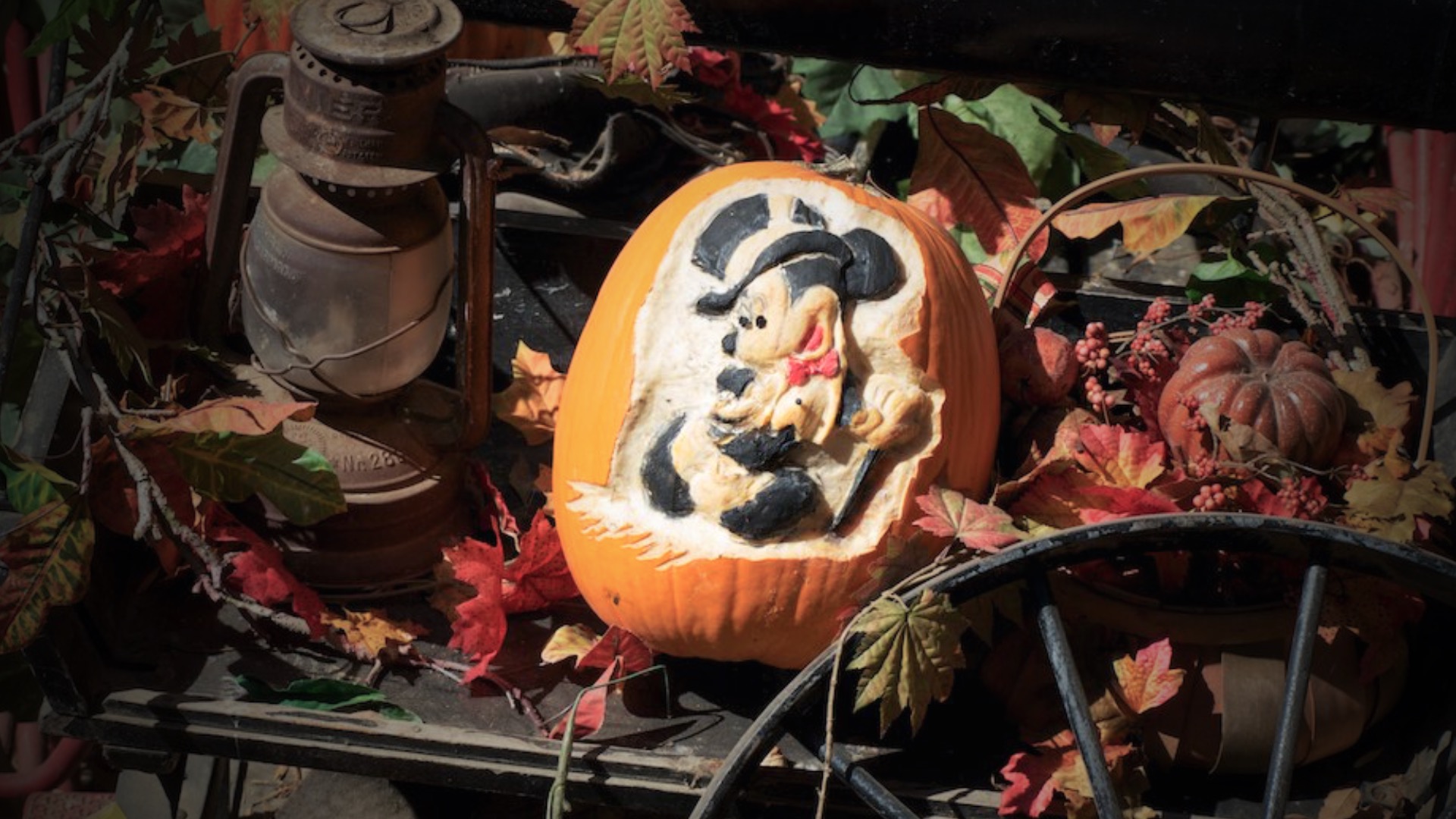
Disneyland Halloween 2009
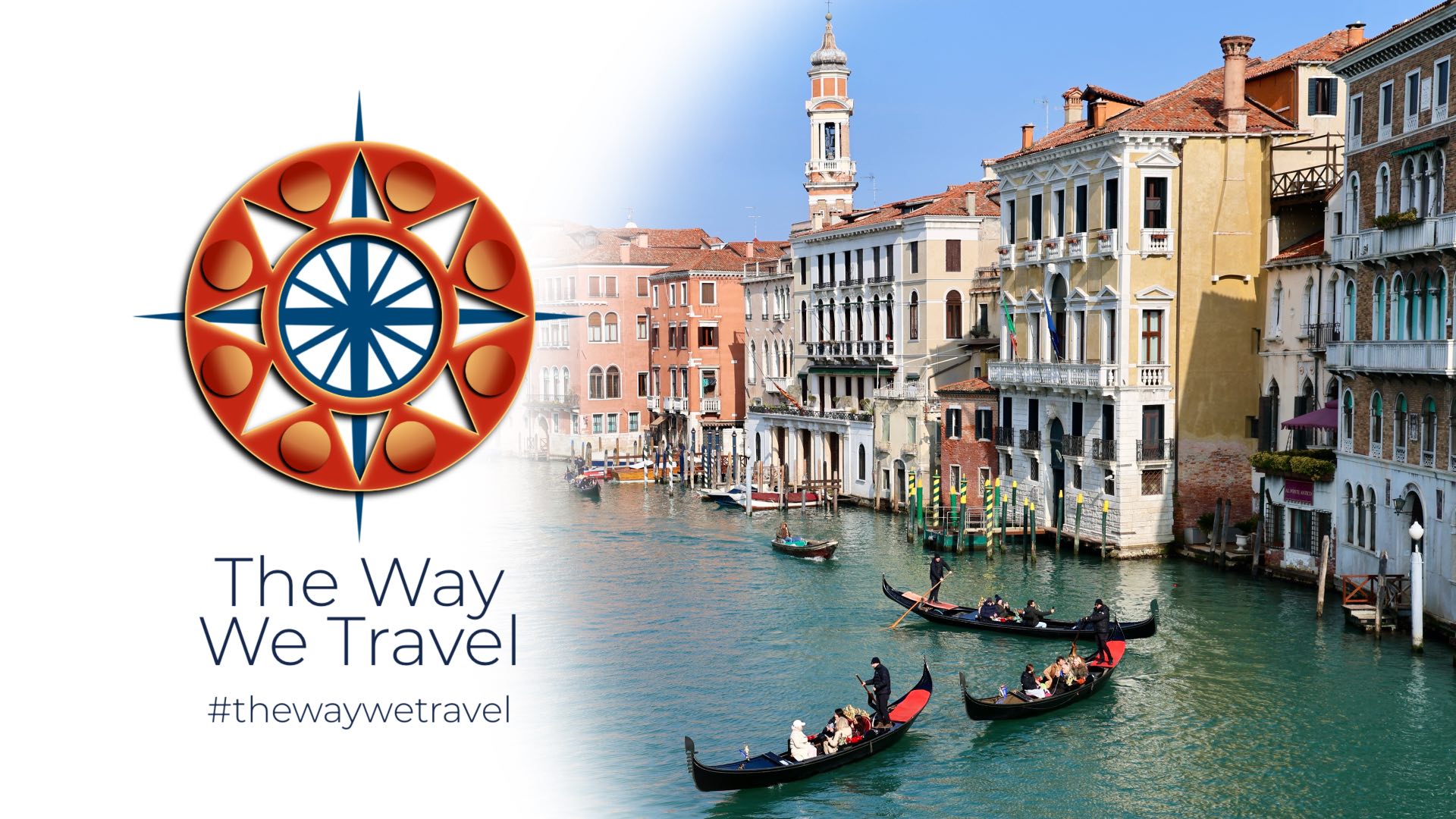
THE WAY WE TRAVEL
Los Cabos
SPOTLIGHT
Westchester County, NY

PATRICIA PÉREZ
Setting the Standard
SPOTLIGHT
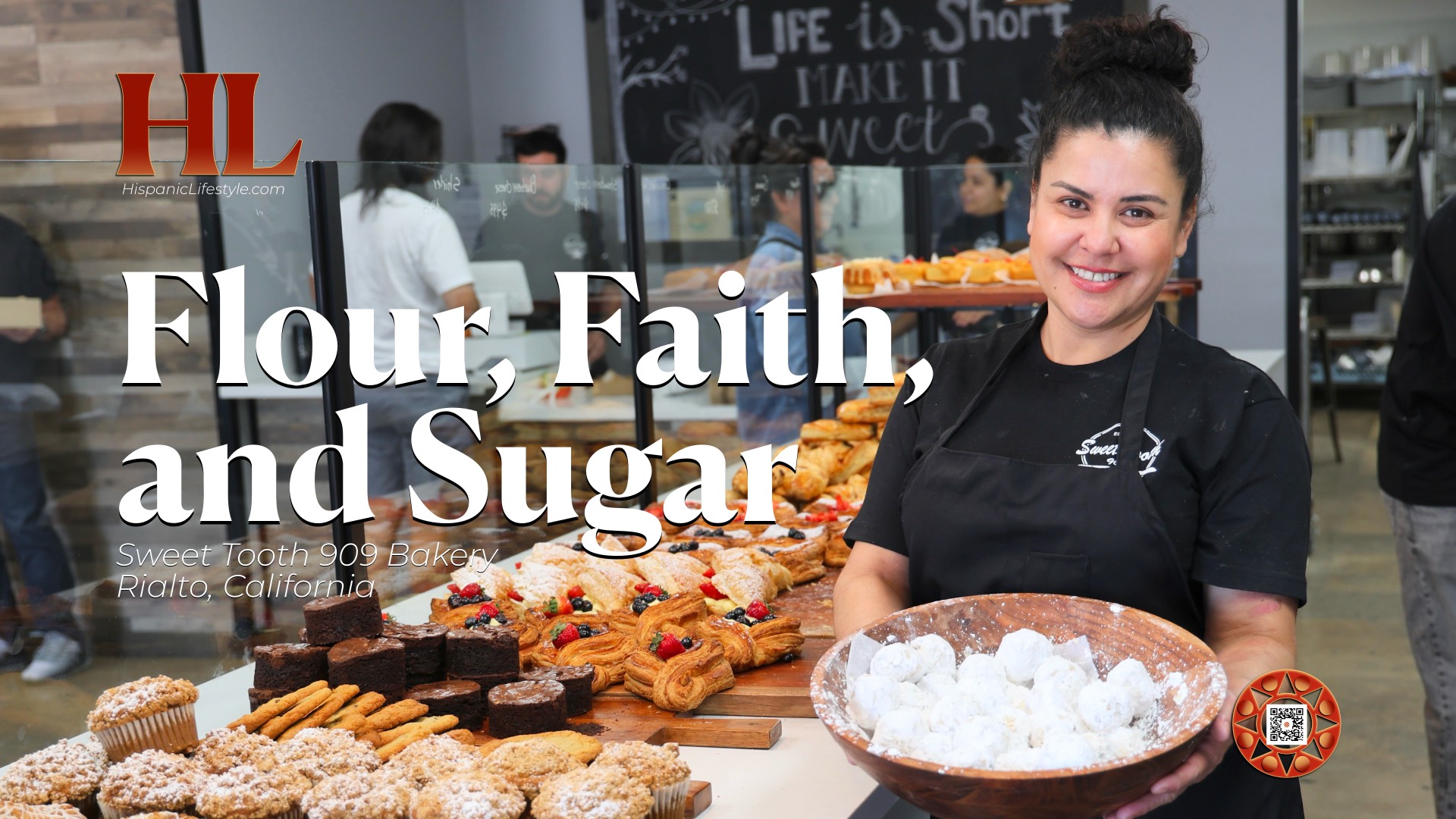
Flour, Faith and Sugar
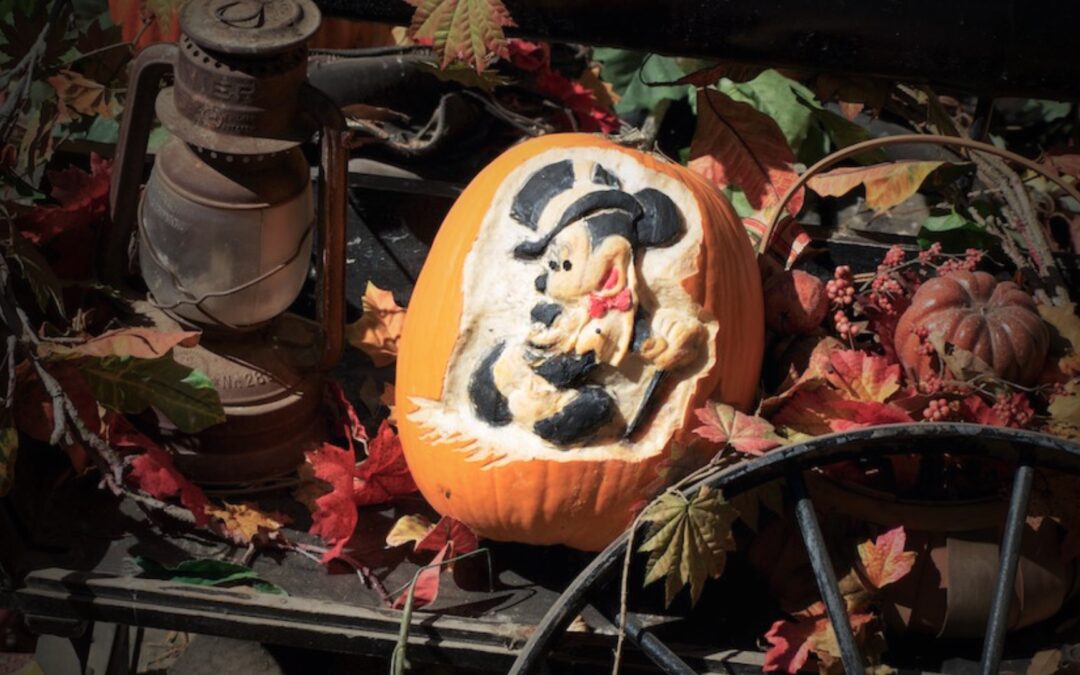
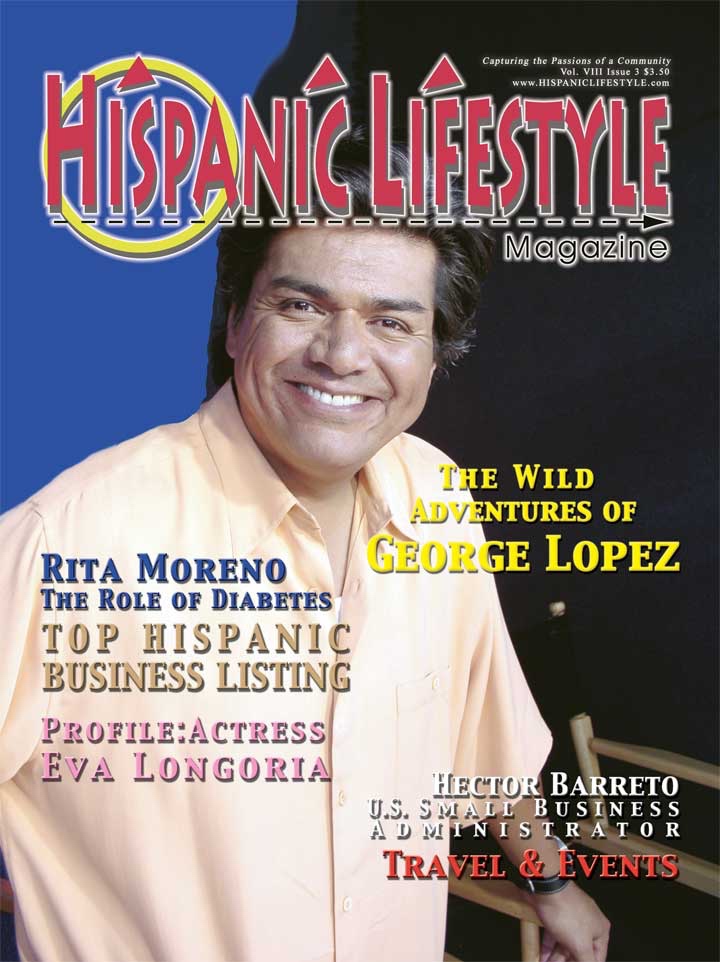
 here was a time when Disneyland was a regular stop on the Hispanic Lifestyle editorial calendar. Throughout the late 2000s, we attended media events at the resort, documenting seasonal celebrations, new attractions and experiences throughout the year.



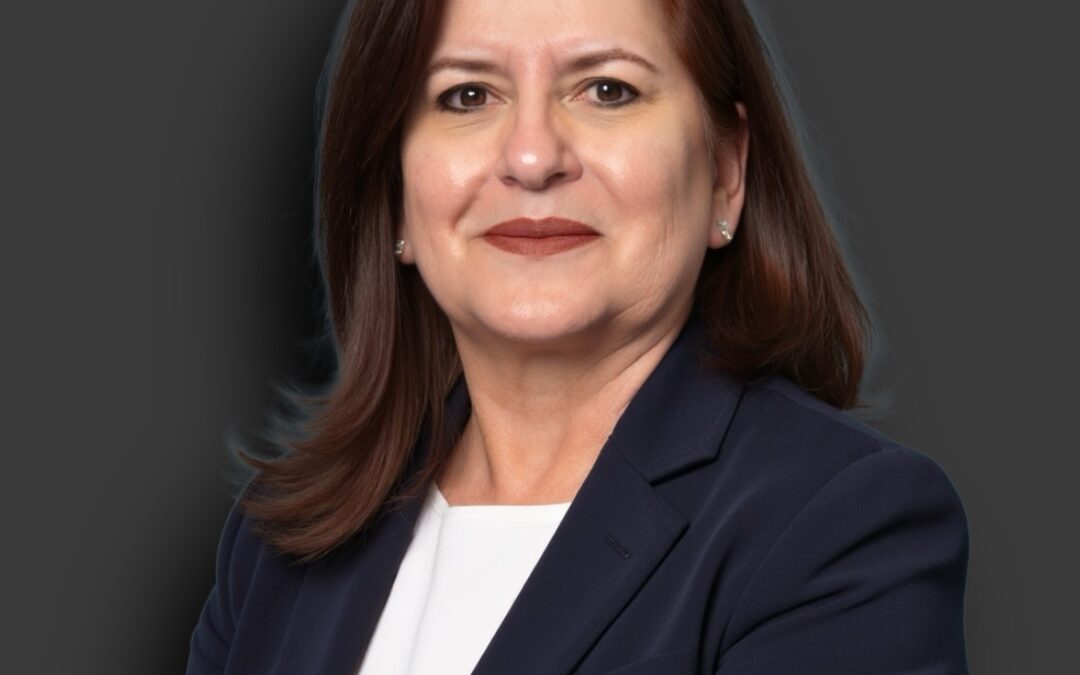
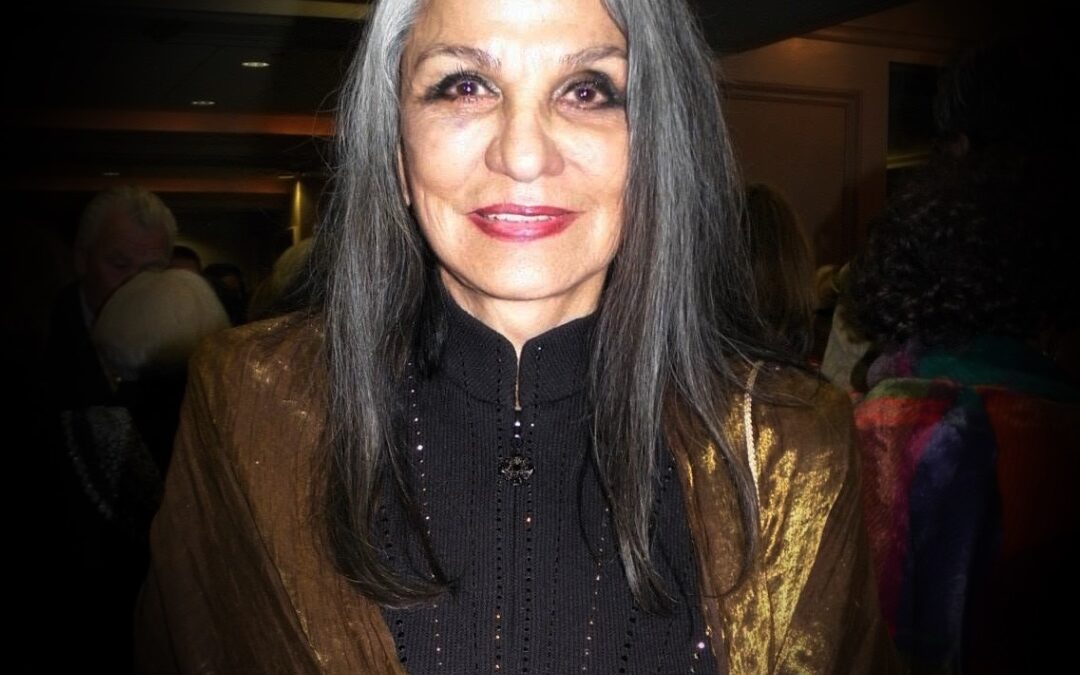
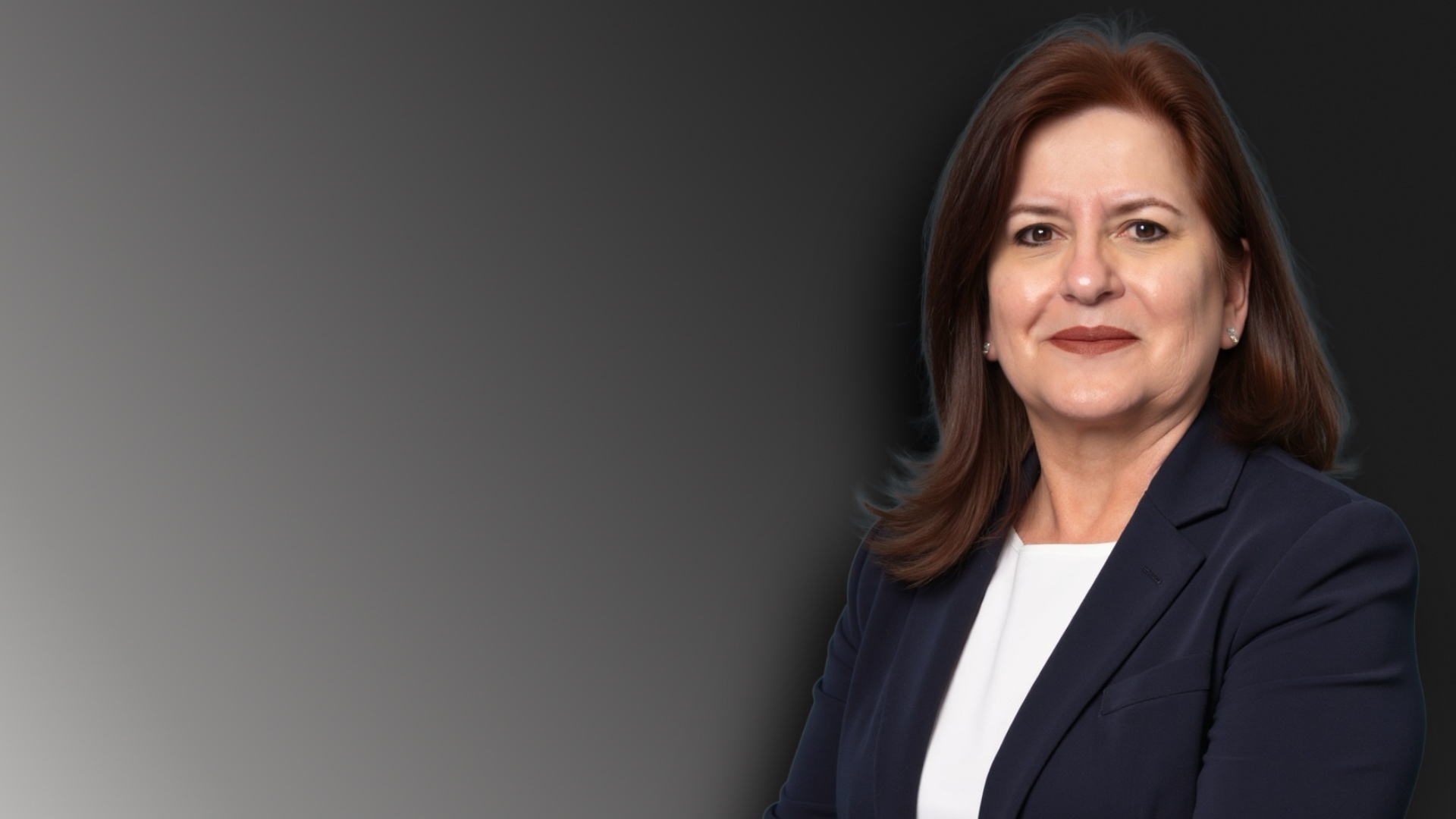
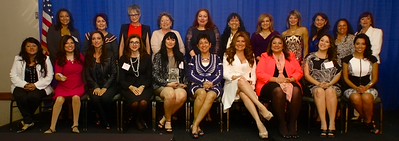
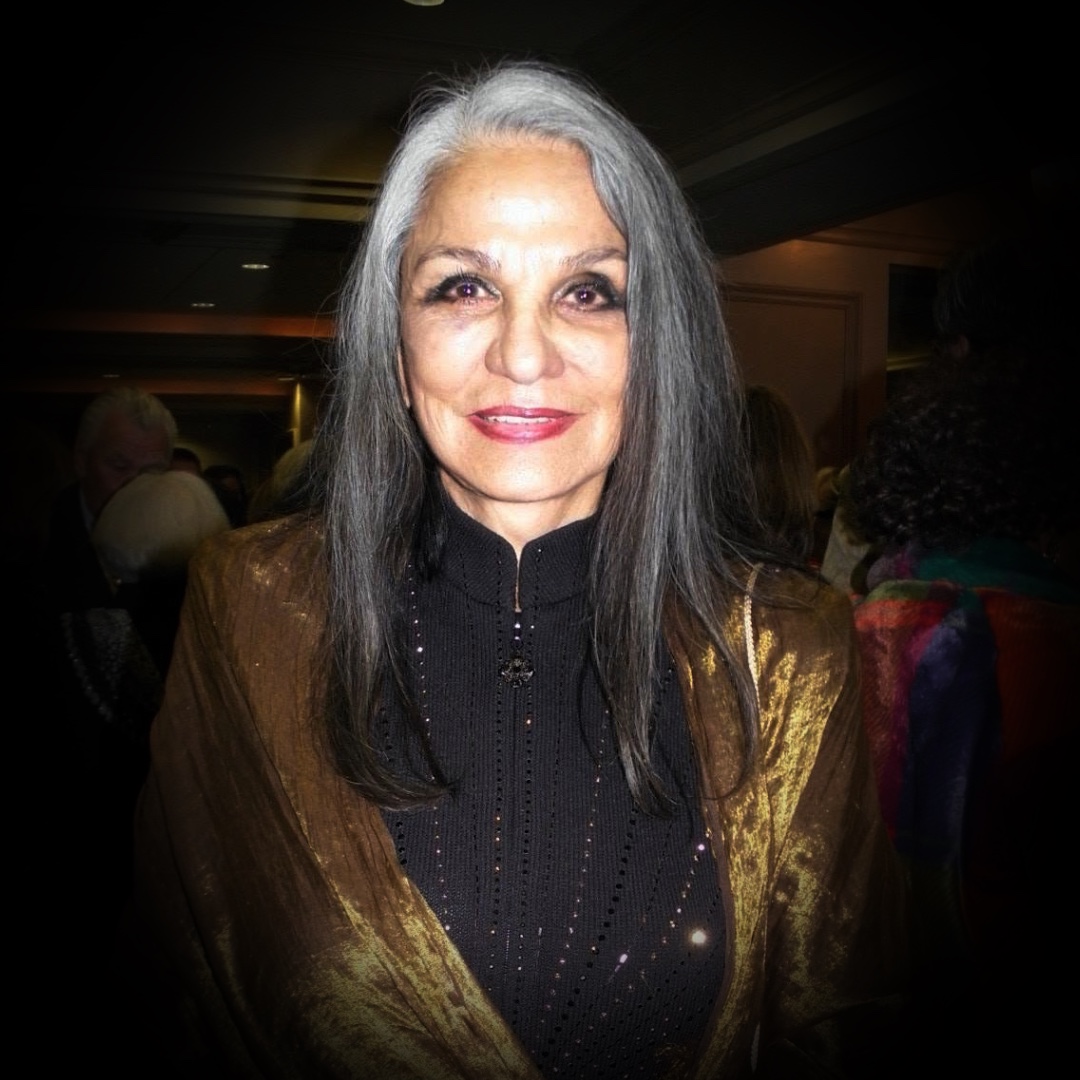
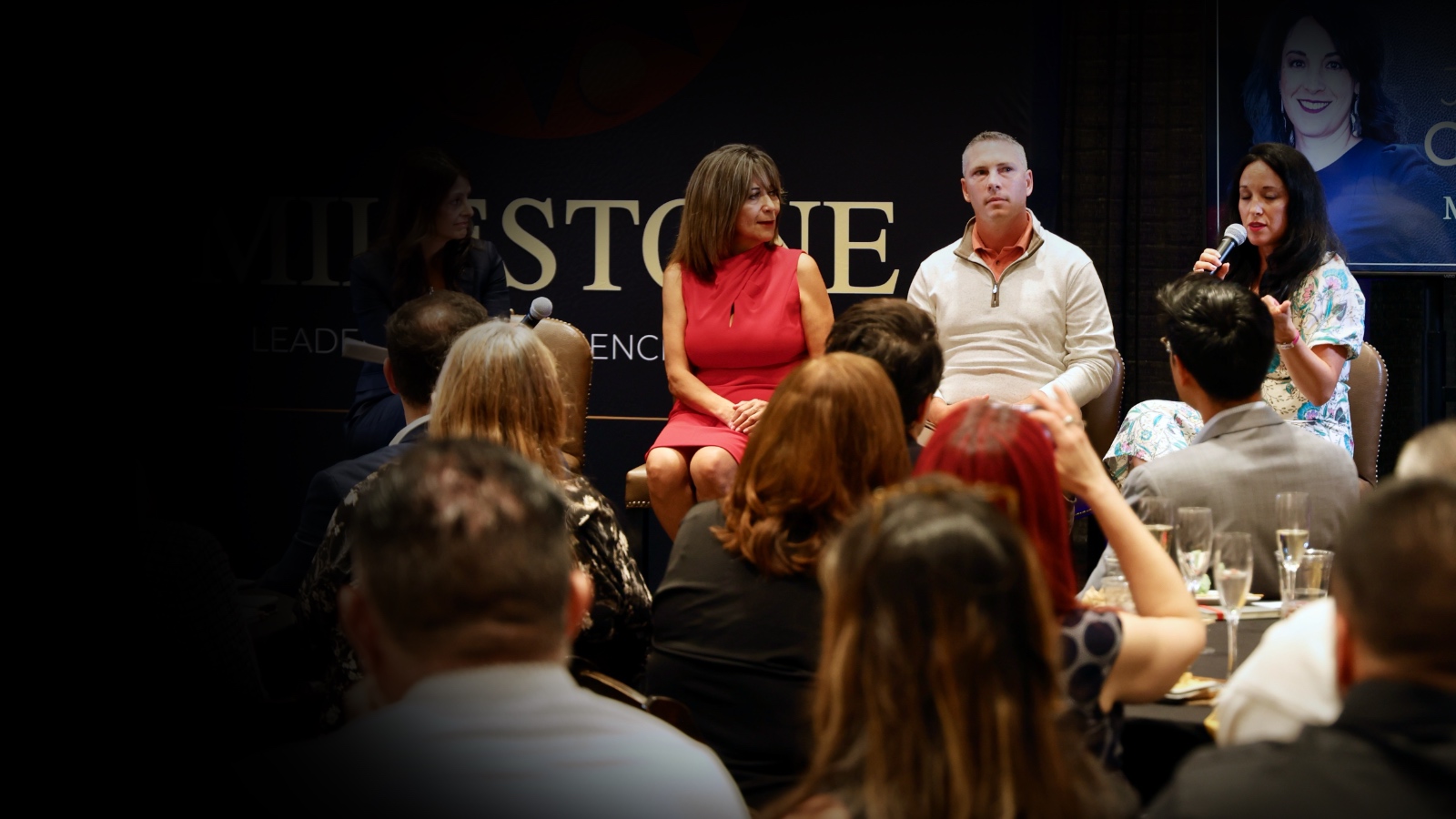
 ome moments deserve to be recognized as milestones. Patricia Pérez’s retirement from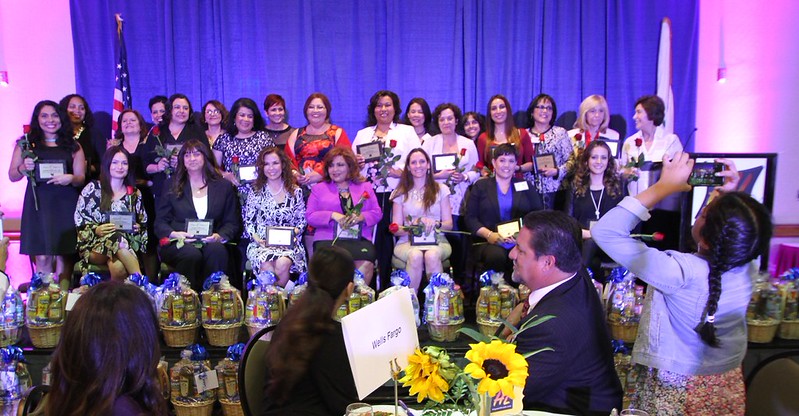

 arly in my career, I spent at least an hour a day in the car, commuting from suburbia into the city. Radio was my companion.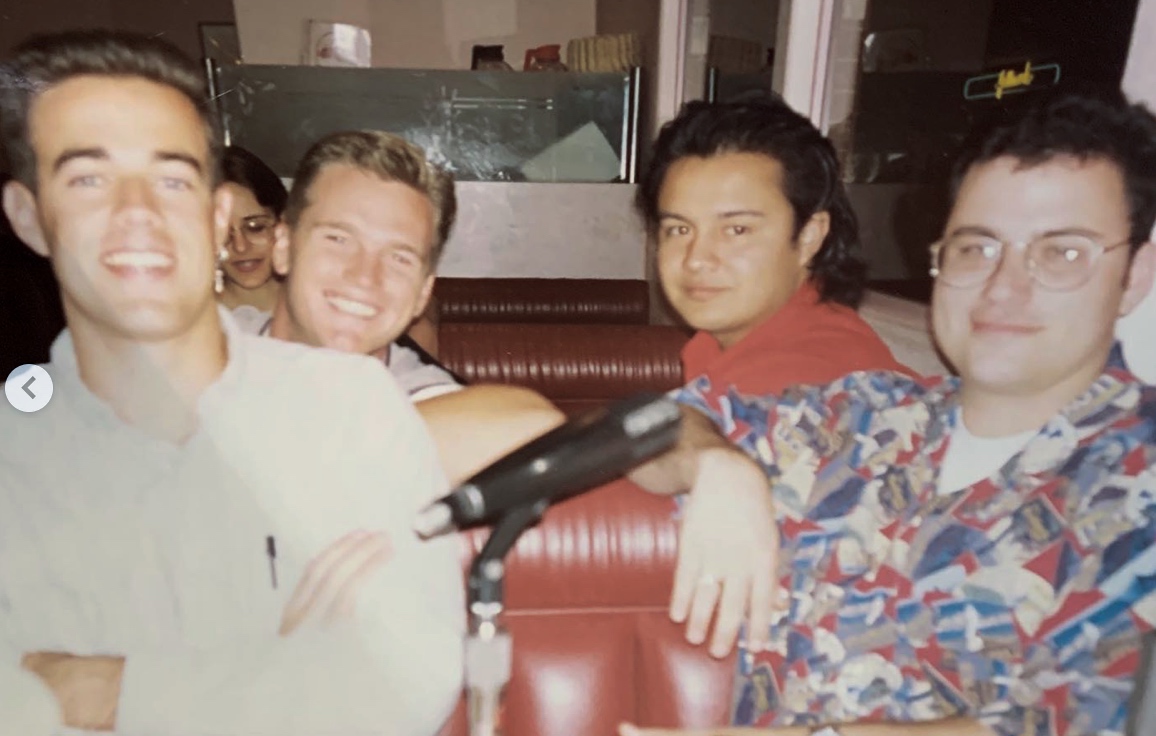
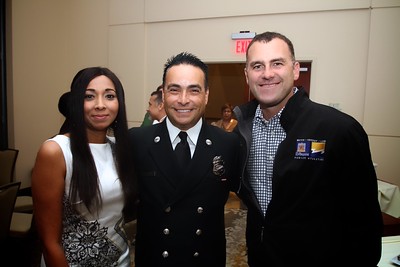





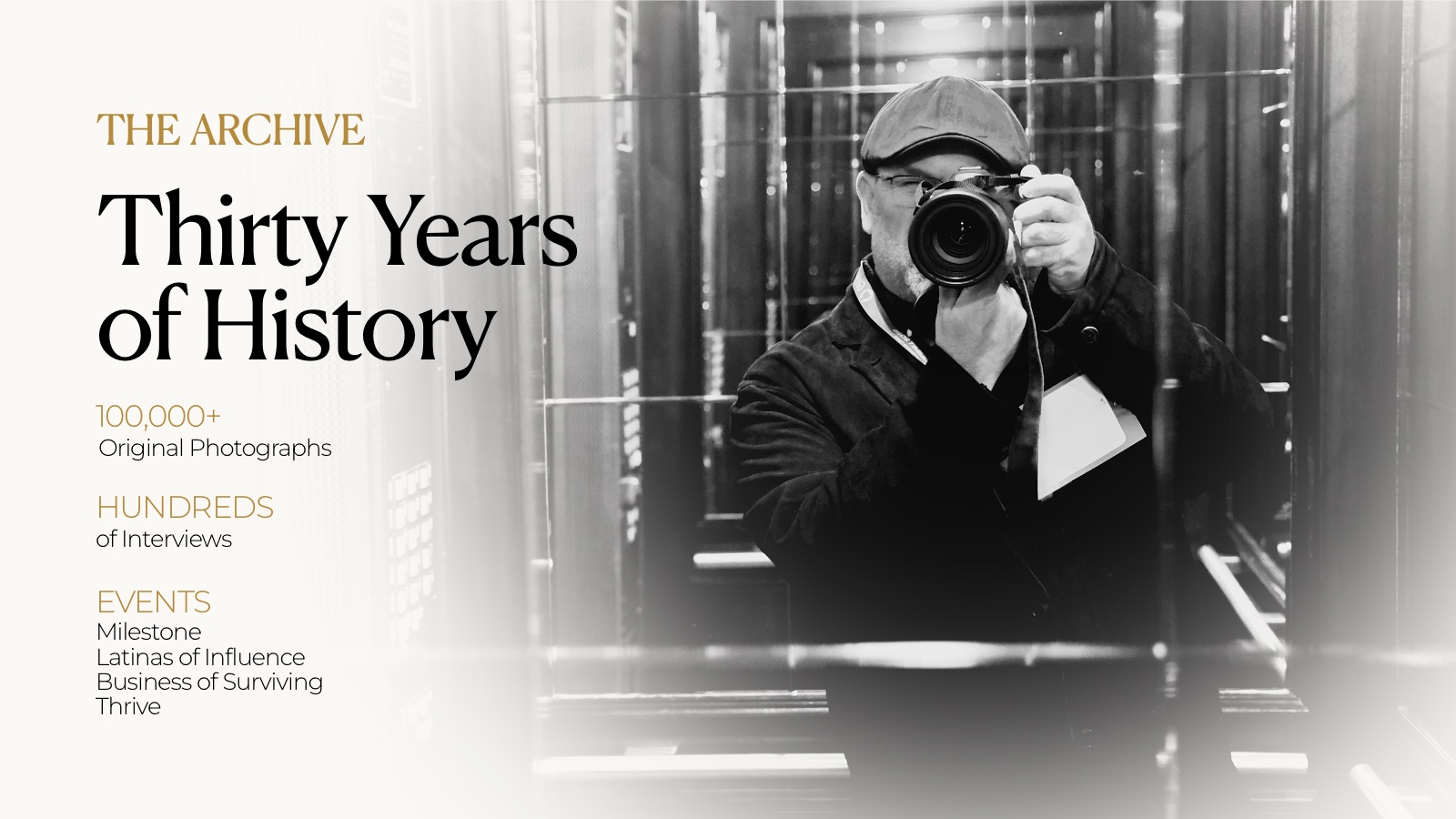
 uilding on Three Decades of Trusted Storytelling