
HL | WEALTH
The Economy: Lessons in Building Wealth
As everyday expenses continue to rise, understanding how wealth is created, managed, and transferred may be one of the most valuable lessons we can share with the next generation.
Article by
Richard Sandoval
 ast Friday evening, my wife and I visited one of our familiar neighborhood Mexican restaurants. The World Series was on television, and a moderate crowd was enjoying the evening.
My wife ordered a two-item combination, an enchilada and a taco with rice and beans along with a strawberry margarita. I ordered a burrito especial and a glass of water.
The bill came to $45 before tax and tip.
I remember when a similar dinner cost us around $25.
Nothing about our evening was extravagant. It was simply another reminder of how dramatically everyday expenses have changed.
And realistically, does anyone expect restaurant prices to suddenly drop by half? Will gasoline return to $2 a gallon? Some prices may decline, but slowing inflation doesn’t necessarily mean returning to the prices we once paid.
These are the financial realities many American households are experiencing.
Yet another reality is unfolding. The stock market has reached historic highs, businesses continue creating wealth, and investors are finding opportunities to grow their financial portfolios.
What can we learn from those who are building wealth in this same economy?
THE BIG PICTURE | WEALTH & OPPORTUNITY
- 58% of U.S. adults said price increases had worsened their financial situation in 2025.
- 56% of American families owned stocks directly or indirectly in 2025.
- $124 trillion in wealth is projected to transfer to heirs and charitable organizations through 2048.
The lesson: Understanding the financial tools available today can help families prepare for tomorrow.
- Sources: Federal Reserve, 2025 household and consumer finance surveys; Cerulli Associates, 2024.
One Economy, Different Experiences
According to the Bureau of Labor Statistics, consumer prices increased 3.7% during the 12 months ending September 2026.
The Federal Reserve’s 2025 household economic well-being report found that 62% of adults had switched to less expensive products, while 41% had reduced their savings in response to higher prices.
These adjustments affect more than today’s purchasing decisions. They can influence a family’s ability to save, purchase property, invest, and prepare for retirement.
At the same time, the S&P 500 and Nasdaq reached record closing highs in October 2026. Families participating in financial markets have had opportunities to benefit from investment growth.
According to the Federal Reserve’s 2025 Survey of Consumer Finances, approximately 56% of American families owned publicly traded stocks directly or indirectly. Among families holding stocks, the inflation-adjusted median value of their investments increased 36% between 2022 and 2025.
Of course, financial markets carry risks, and investment performance is never guaranteed.
But the difference in financial participation raises an important question about education, access, and opportunity.
Beyond Building a Successful Business
During my recent visit to Morgan Stanley’s Leading the Next Economy Summit in New York, conversations about wealth creation and financial opportunities brought to mind many of the entrepreneurs and professionals we’ve interviewed over the years through HL.
I thought about individuals who have spent decades developing successful businesses, reinvesting their profits, purchasing homes, improving their lifestyles, and creating opportunities for their families.
These achievements represent years of commitment, sacrifice, and determination.
But eventually another question emerges.
After investing so much in building a business and improving your quality of life, what comes next?
For some entrepreneurs, the next chapter may involve developing a personal financial portfolio beyond the business they created.
Stocks, bonds, retirement accounts, real estate, and other financial instruments provide different opportunities to manage and potentially grow wealth. Each also comes with considerations and risks.
The transition from working in a business to working on a business is familiar to many entrepreneurs. Learning to diversify wealth beyond that business represents another important stage of financial development.
It’s not necessarily about earning more money. It’s about understanding how to manage the resources already created.
Financial Education Creates Opportunities
Morgan Stanley’s State of Hispanic-Latino Wealth research offers an interesting perspective.
Among the emerging-affluent and high-net-worth Hispanic-Latino investors surveyed, 77% identified limited financial education as a barrier to building wealth.
The findings also reveal that respondents viewed wealth as more than financial assets. Family, health, community, independence, and creating a lasting legacy were important parts of their financial aspirations.
This broader definition reflects many of the conversations we’ve had with the entrepreneurs, professionals, and community leaders featured through HL.
Financial education matters at every stage of life.
For a prospective homebuyer, it may mean learning about mortgages, credit, and financing options. Even as September 2026 pending home sales declined 7.3%, according to the National Association of Realtors, prospective buyers and industry professionals have reasons to prepare for changing market conditions.
For an entrepreneur, financial education may involve learning about diversification, retirement planning, or managing assets beyond their company.
For families, it may begin with budgeting, reducing expensive debt, establishing savings, and understanding investment risks.
The objective isn’t to encourage everyone to rush into the stock market.
It’s to recognize the value of understanding financial tools before the opportunity or need to use them arises.
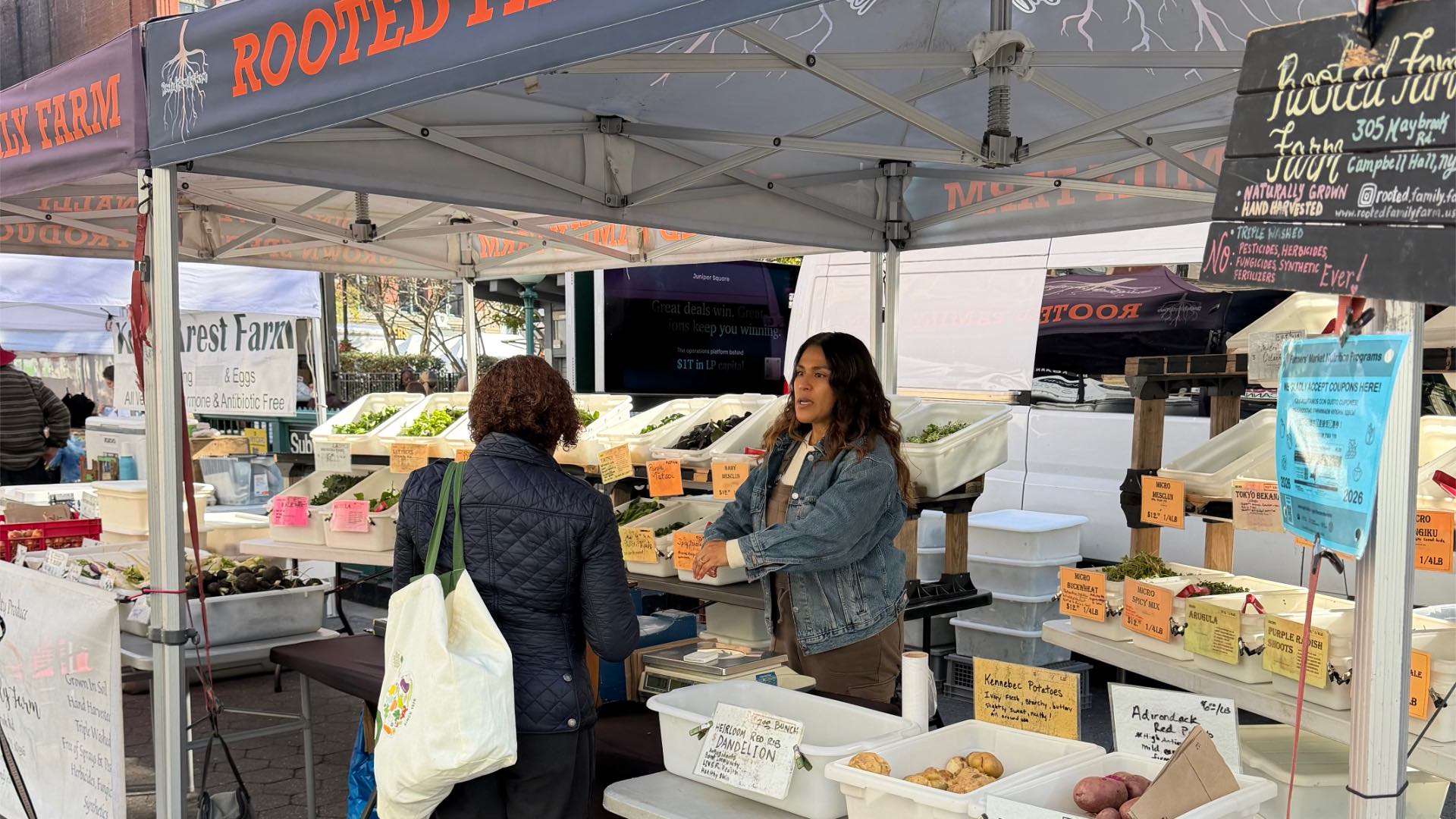
At a New York farmers market, small business entrepreneurship and everyday consumer activity come together reflecting the many ways Americans participate in the economy.
Photography by Richard Sandoval | HL Media Network
Preparing the Next Generation
Another important development is what financial researchers call The Great Wealth Transfer.
Cerulli Associates projects approximately $124 trillion in wealth transfers through 2048, including an estimated $105 trillion passing to heirs.
Much of that wealth is concentrated among affluent households, but the larger lesson applies to families at different stages of their financial journeys.
Are we preparing our children and grandchildren to understand money, ownership, investing, and financial responsibility?
Are we teaching them not only how to earn a living but how to manage and potentially grow the resources they create?
Passing along property, businesses, and investments can help establish generational wealth. Passing along financial knowledge can help future generations make more informed decisions about those resources.
Even families without significant financial assets can begin that educational process today.
The Lessons Worth Learning
We cannot ignore the challenges of today’s economy. Families are adjusting their budgets, entrepreneurs are navigating changing markets, and many Americans are working hard simply to maintain their financial stability.
But we shouldn’t overlook the lessons offered by those who are successfully building and managing wealth.
How did they begin? What did they learn? Which financial tools became important as their circumstances changed? And how are they preparing the next generation?
As we continue exploring The American Consumer: One Economy, Many Stories, these are conversations worth having.
We may not be able to control the price of groceries, gasoline, or a Friday evening dinner. But we can make a greater effort to understand the financial opportunities available to us.
Building wealth is a journey. So is learning how to manage it.
And perhaps one of the most valuable investments we can make is sharing that knowledge with the next generation.
Sources & Further Reading
-
Federal Reserve — 2025 Survey of Consumer Finances, October 2026.
-
Federal Reserve — Economic Well-Being of U.S. Households in 2025, May 2026.
-
Bureau of Labor Statistics — Consumer Price Index, September 2026.
-
Morgan Stanley — How to Build Wealth: Lessons from Hispanic-Latino Investors, based on 2024 research.
-
National Association of Realtors — Pending Home Sales, October 2026.
-
Cerulli Associates — The Great Wealth Transfer, December 2024.
-
Investor.gov — Build Wealth Over Time Through Saving and Investing, U.S. Securities and Exchange Commission.
Financial Disclaimer: HL | WEALTH provides financial information and perspectives for educational and informational purposes only. This article does not constitute personalized investment, legal, tax, or financial advice. Investments involve risk, including possible loss of principal. Readers should consider their individual circumstances and consult qualified financial professionals before making financial decisions.

EDITOR NOTES
While photographing a farmers market during my recent visit to New York, I was reminded that our economy is about much more than stock market performance and financial statistics. It’s about people, small businesses, everyday transactions, and opportunities.
My recent conversations at Morgan Stanley also reinforced something I’ve come to appreciate through years of interviewing entrepreneurs and business leaders: Building wealth is one accomplishment. Learning how to manage, diversify, and pass it along is another.
I hope this article encourages conversations about financial education, the opportunities available to us, and what we can teach the next generation.

I welcome your thoughts, ideas, and suggestions for future stories. Whether it’s a personal experience, an inspiring individual, or an important issue affecting our communities, I’d like to hear from you.
Email me at RDS@HispanicLifestyle.com, connect with @HLTV on Instagram, or follow Richard Sandoval on LinkedIn.
Let’s keep the conversation going.