

Imagen Foundation to Honor Andy Garcia
HL | Culture and Influence
Imagen Foundation to Honor Andy Garcia
The acclaimed actor, filmmaker, producer, and musician will receive the Lifetime Achievement Award at the 41st Annual Imagen Awards, recognizing more than four decades of artistic excellence and a lasting commitment to authentic Latino storytelling.
Photos and article by
Richard Sandoval
Why This Matters
For more than four decades, the Imagen Foundation has celebrated authentic Latino representation in film, television, and, more recently, streaming media. At a time when conversations about representation continue to evolve, the Imagen Awards remain one of the few national entertainment awards dedicated to recognizing Latino excellence both in front of and behind the camera.
This year, the Foundation will present its Lifetime Achievement Award to acclaimed actor, filmmaker, producer, and musician Andy Garcia during the 41st Annual Imagen Awards, to be held on Friday, August 21, 2026, at the The Beverly Hilton.
For audiences who have followed Garcia’s career over the past four decades, the recognition honors not only an accomplished body of work, but also an artist whose integrity and commitment to authentic storytelling have inspired generations of filmmakers and performers.
A Career Defined by Excellence
From his Academy Award-nominated performance in The Godfather Part III to memorable roles across film and television, Garcia has built a career grounded in artistic excellence and cultural authenticity.
Most recently, Garcia premiered his latest feature film, Diamond, which he wrote, directed, and stars in, at the Cannes Film Festival, where it received a nine-minute standing ovation. He also stars in the Paramount+ series Landman and continues developing projects through his production company, CineSon Productions.
Throughout his career, Garcia has earned Academy Award®, Golden Globe®, and Emmy® nominations while also receiving Grammy® and Latin Grammy® honors for his musical work. Just as significant has been his dedication to creating opportunities for authentic Latino stories and voices within the entertainment industry.
From the HL Archive
One of the advantages of covering our community for more than three decades is the opportunity to build lasting relationships with the people whose work shapes culture and inspires audiences.
Over the years, HL has had the privilege of interviewing Andy Garcia on multiple occasions, documenting not only his accomplishments as an actor and filmmaker, but also his reflections on storytelling, creativity, and the importance of authentic representation.
Those conversations continue to resonate today and provide additional perspective on the career being recognized by the Imagen Foundation.
WATCH HL’S CONVERSATION WITH ANDY GARCIA
Andy Garcia and Tony Plana share their thoughts on the arts being tought in schools

Antonio Banderas and Andy Garcia at the 2006 Imagen Awards
Recognition From the Imagen Foundation
Announcing the honor, Helen Hernandez, Founder and President of the Imagen Foundation, reflected on Garcia’s decades of artistic achievement and his commitment to advancing Latino representation in entertainment.
She noted that from hosting the fourth annual Imagen Awards in 1989 to his continued work today, Garcia has built an extraordinary career while inspiring generations of storytellers through both his work and his leadership.
Accepting the recognition, Garcia shared his thoughts on receiving the Imagen Foundation Achievement Award:
“I’m deeply honored to receive this recognition from the Imagen Foundation, an organization that has championed Latino talent and authentic representation for more than forty years. This award is especially meaningful because it celebrates not just my journey, but the many artists, mentors, and audiences who have been part of it and have inspired me. Our common Hispanic culture has many important and inspirational stories that can reflect the richness of who we are and our contributions to the world.”
Moments like these remind us why HL continues to create experiences that bring accomplished leaders, entrepreneurs, artists, and innovators together. While our events recognize achievement, they also create an environment where conversations can happen naturally where questions are welcomed, ideas are exchanged, and inspiration is often found in the most unexpected places.
As both a father and a storyteller, watching that exchange reaffirmed something I have believed for many years: some of life’s greatest lessons begin with a simple question.
Looking Ahead
The 41st Annual Imagen Awards will recognize more than 30 individuals and productions representing excellence in film, television, and streaming. For more than forty years, the Imagen Foundation has remained committed to encouraging authentic portrayals of Latinos while expanding opportunities for creative professionals throughout the entertainment industry.
The Foundation also enters an important chapter in its history. While Helen Hernandez continues to lead the organization and remains actively engaged in its mission, Director Esteban Melendez has assumed a growing leadership role as part of the Foundation’s long-term succession planning. The transition reflects a thoughtful commitment to preserving the Foundation’s legacy while preparing the next generation of leadership.
EDITOR NOTES
One of the privileges of producing HL for more than three decades is witnessing careers that stand the test of time.
Andy Garcia’s career has never been defined simply by the roles he has played, but by the integrity he has brought to his craft and the example he has set for generations of artists who followed. His work reminds us that great storytelling begins with authenticity and that representation is strongest when stories are told with honesty, depth, and respect.
The Imagen Awards continue to recognize those values, making this year’s Lifetime Achievement Award a fitting tribute to one of entertainment’s most enduring voices.
At HL, we also recognize the organizations whose commitment makes these moments possible. For more than four decades, Helen Hernandez has guided the Imagen Foundation with purpose and vision. As Director Esteban Melendez assumes an expanded leadership role, the Foundation is thoughtfully preparing for its future while remaining grounded in the mission that has defined it since its beginning.
As HL continues documenting the people, organizations, and ideas shaping culture and influence, we look forward to celebrating this milestone and sharing more stories that inspire future generations.





 ilicon Valley is often defined by technology, venture capital, innovation, and global wealth creation. It is a region known for producing ideas, companies, and industries that influence the world.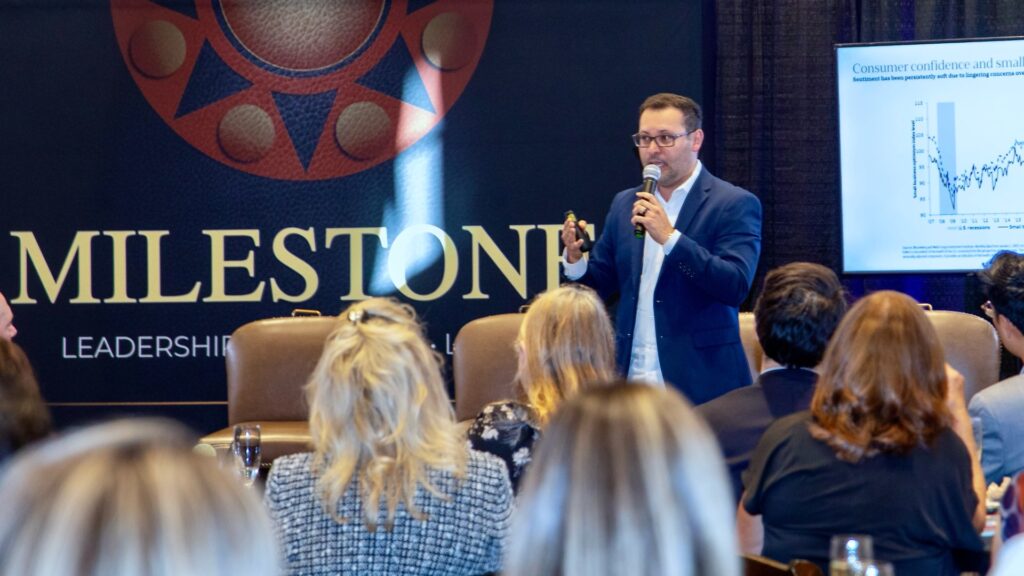

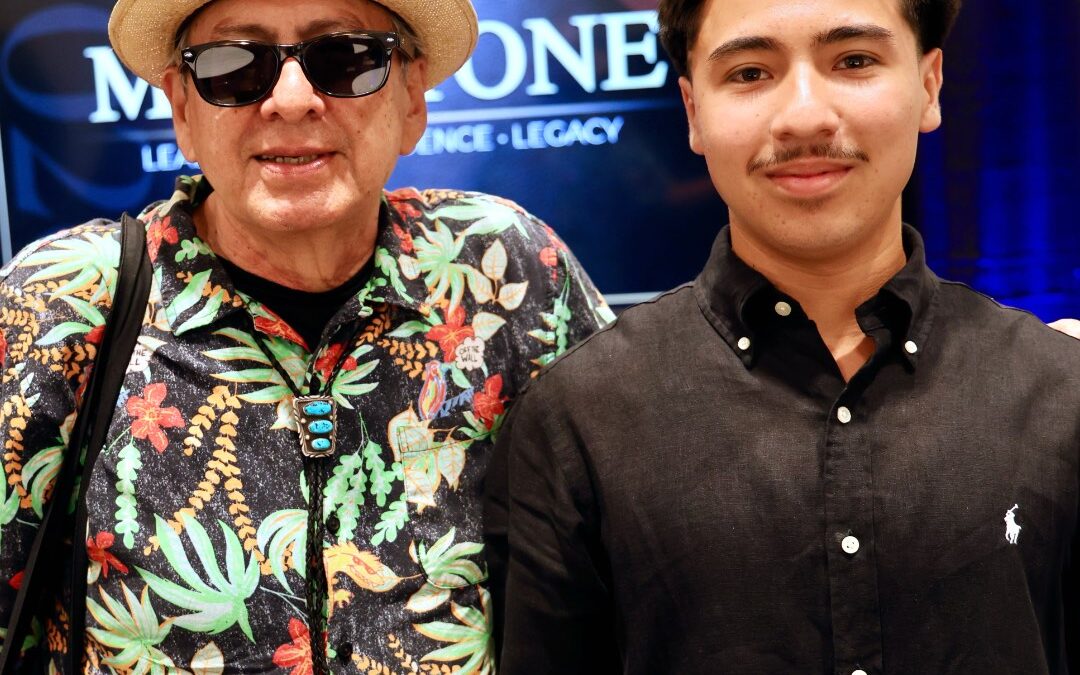
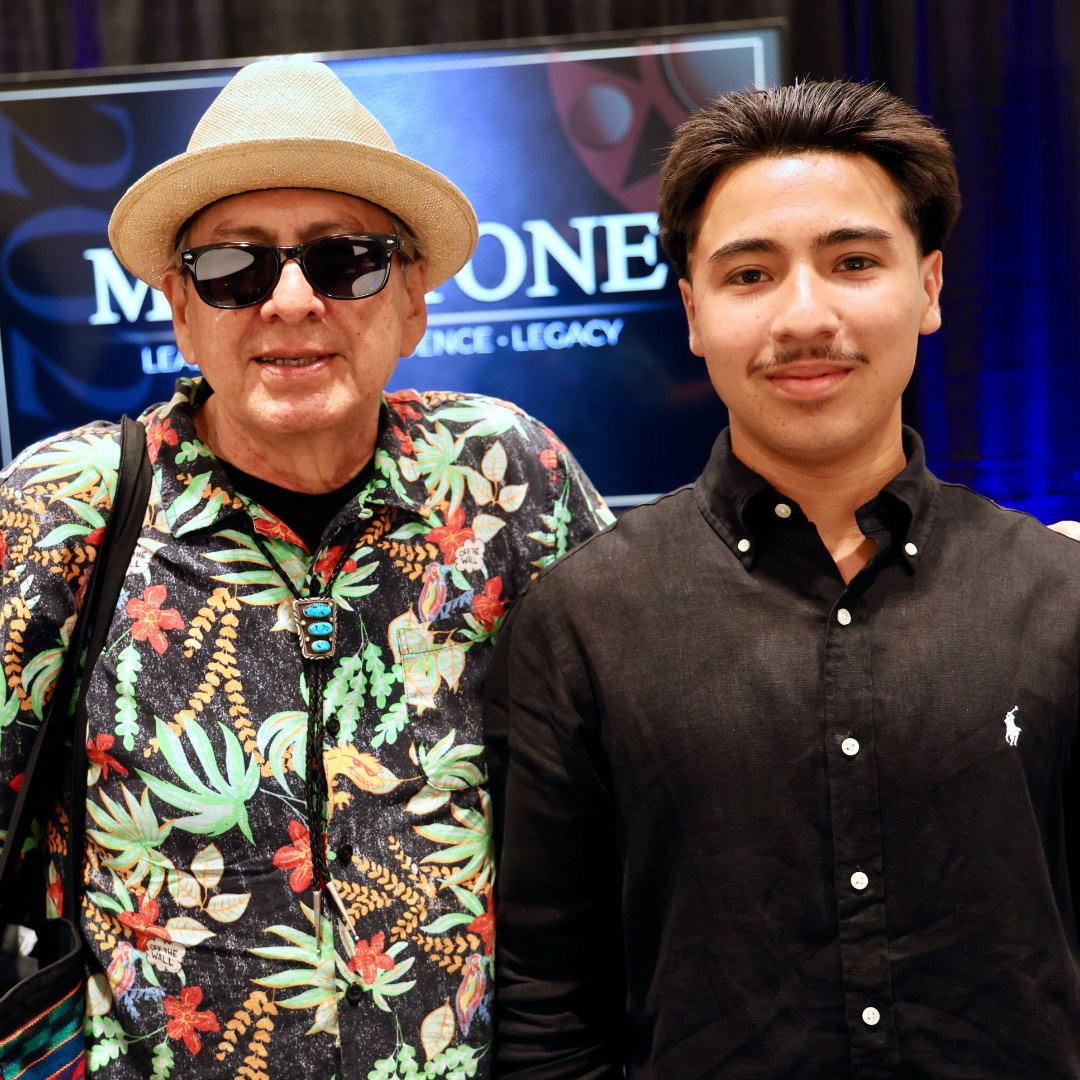
 t every HL | Milestone Series gathering, we invest months in planning the program, selecting speakers, recognizing community leaders, and creating opportunities for meaningful conversations. Yet, as rewarding as those moments on stage can be, some of the most memorable experiences happen after the program has concluded.