
HL | CULTURE & INFLUENCE
The Renaissance of the U.S. Hispanic Consumer
For decades, America learned to measure the Hispanic market by what it consumed. The next chapter may increasingly be measured by what it owns.
Photos and article by
Richard Sandoval
 here is no shortage of uncertainty surrounding the American consumer.
The cost of groceries, housing, energy and everyday necessities continues to influence decisions around kitchen tables and inside businesses across the country.
Yet amid that uncertainty, something interesting is happening.
For years, reports have documented the growing purchasing power and economic contributions of U.S. Latinos. The 2026 U.S. Latino GDP Report estimates that Latinos generated $4.4 trillion in U.S. economic output in 2024.
That is an impressive number.
But numbers alone don’t tell the story.
What Do We Value?
Consider a painting created more than eight decades ago.
In 1940, Mexican artist Frida Kahlo painted El sueño (La cama) – The Dream (The Bed).
When the painting sold through Sotheby’s in 1980, it brought $51,000.
In November 2025, the same painting returned to auction and sold for $54.66 million, establishing a record for Kahlo and Latin American art.
Think about 1980 for a moment.
Someone might have purchased a home for $50,000. An entrepreneur might have been growing a business worth little more than an idea, some equipment and a willingness to work.
Few could have imagined what some of those assets might eventually become.
A Kahlo masterpiece certainly shouldn’t be reduced to an investment calculation. Its cultural importance extends far beyond its auction price.
But its journey raises an interesting question:
How do we recognize value?
A home can have value.
A business can have value.
Art, ideas, brands, real estate and intellectual property can have value.
Ownership allows people to participate when that value grows.
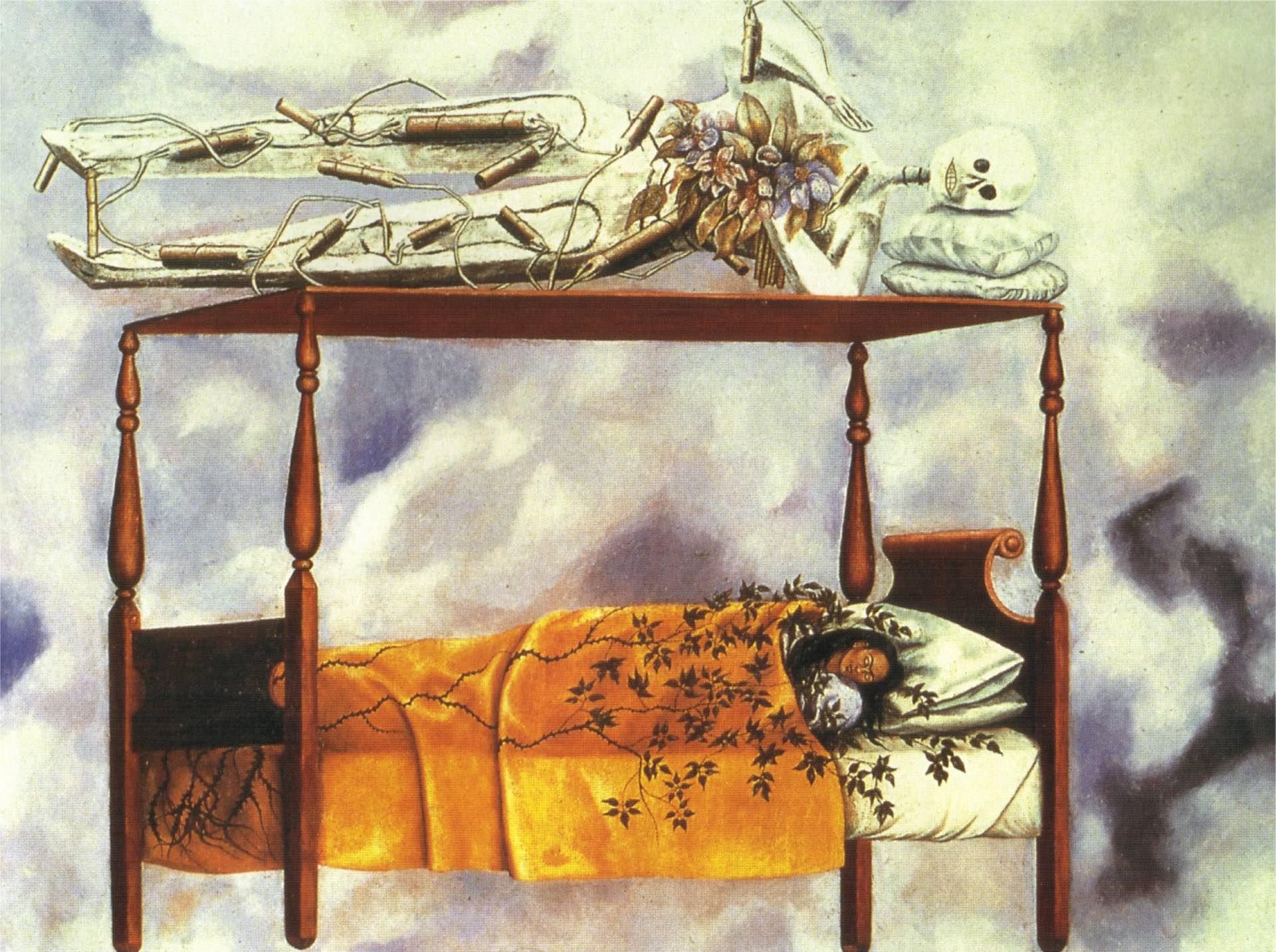
Frida Kahlo | El Sueño (La Cama) — The Dream (The Bed), 1940
Oil on canvas. Kahlo’s deeply personal work sold for $51,000 in 1980. In November 2025, it returned to auction at Sotheby’s New York and sold for $54.66 million — a remarkable journey in cultural and economic value that inspired a central question in our story: How do we recognize value?
Artwork image: WikiArt | Public domain
From Consumer to Owner
That brings us to two recent developments in Major League Baseball.
In August 2026, MLB owners unanimously approved the transfer of control of the San Diego Padres to an ownership group led by investors Kwanza Jones and José E. Feliciano. The transaction has been widely reported at a $3.9 billion valuation.
Feliciano, who was born in Puerto Rico, is co-founder and managing partner of Clearlake Capital Group. He and Jones, an investor, entrepreneur and executive, jointly lead the Padres ownership group.
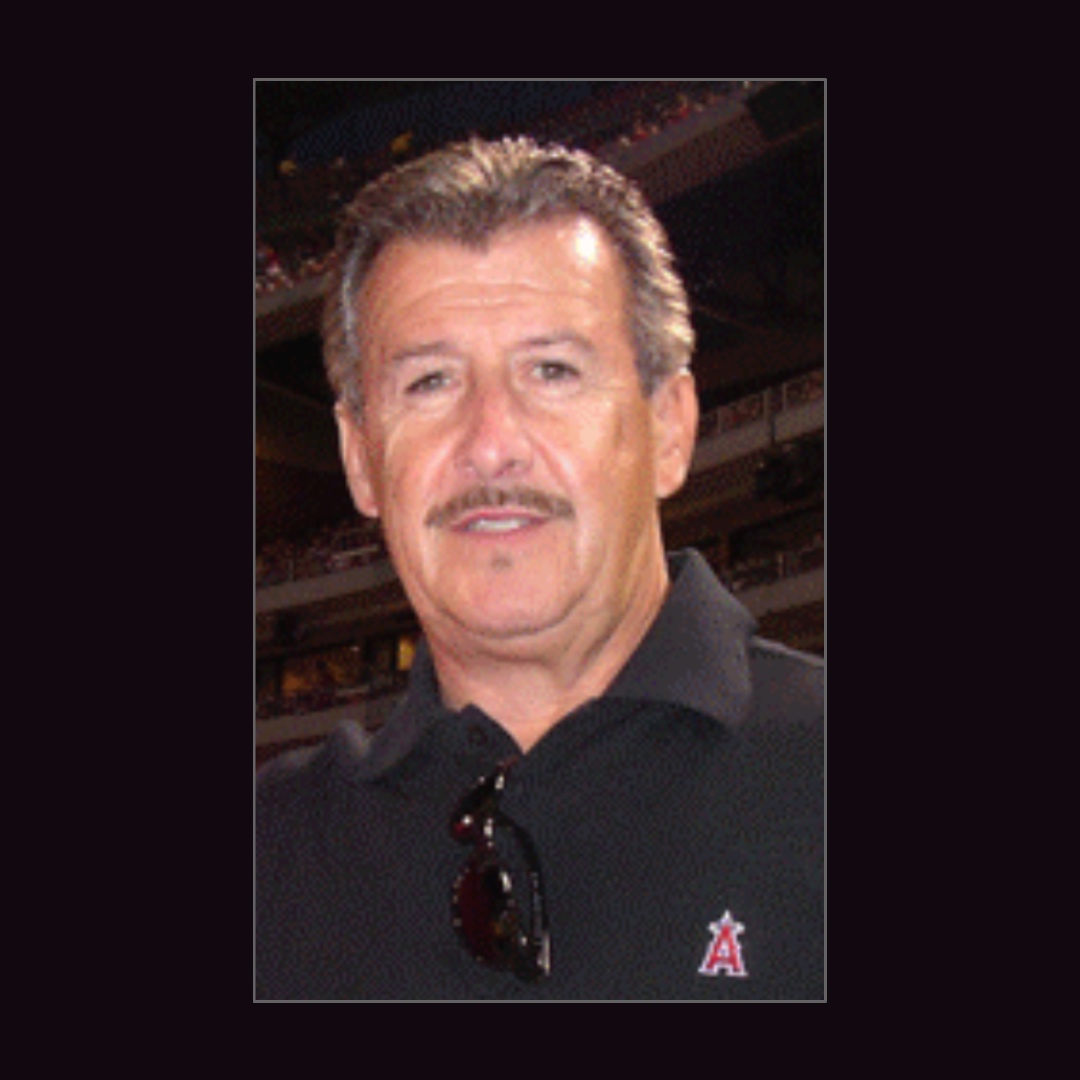
Then came news involving a businessman Hispanic Lifestyle has followed for more than two decades: Arte Moreno.
Moreno purchased the Angels from The Walt Disney Company in 2003 for approximately $184 million, becoming Major League Baseball’s first Latino controlling owner.
In September 2026, an agreement was announced to sell the Angels to Kroenke Sports & Entertainment. Published reports have valued the transaction at approximately $4 billion, although financial terms were not officially disclosed.
For us, the Moreno story carries a little history.
Hispanic Lifestyle was among the Hispanic media outlets that interviewed Moreno shortly after he became owner of the Angels. I remember meeting him at a Latino Business Association event.
My impression was that he wasn’t particularly comfortable with the spotlight.
What was unmistakable was the significance of the entrepreneur standing before us.
He was a businessman.
An owner.
A trailblazer.
More than two decades later, that distinction seems even more important.
More Than Purchasing Power
Moreno, Feliciano and Jones aren’t isolated examples.
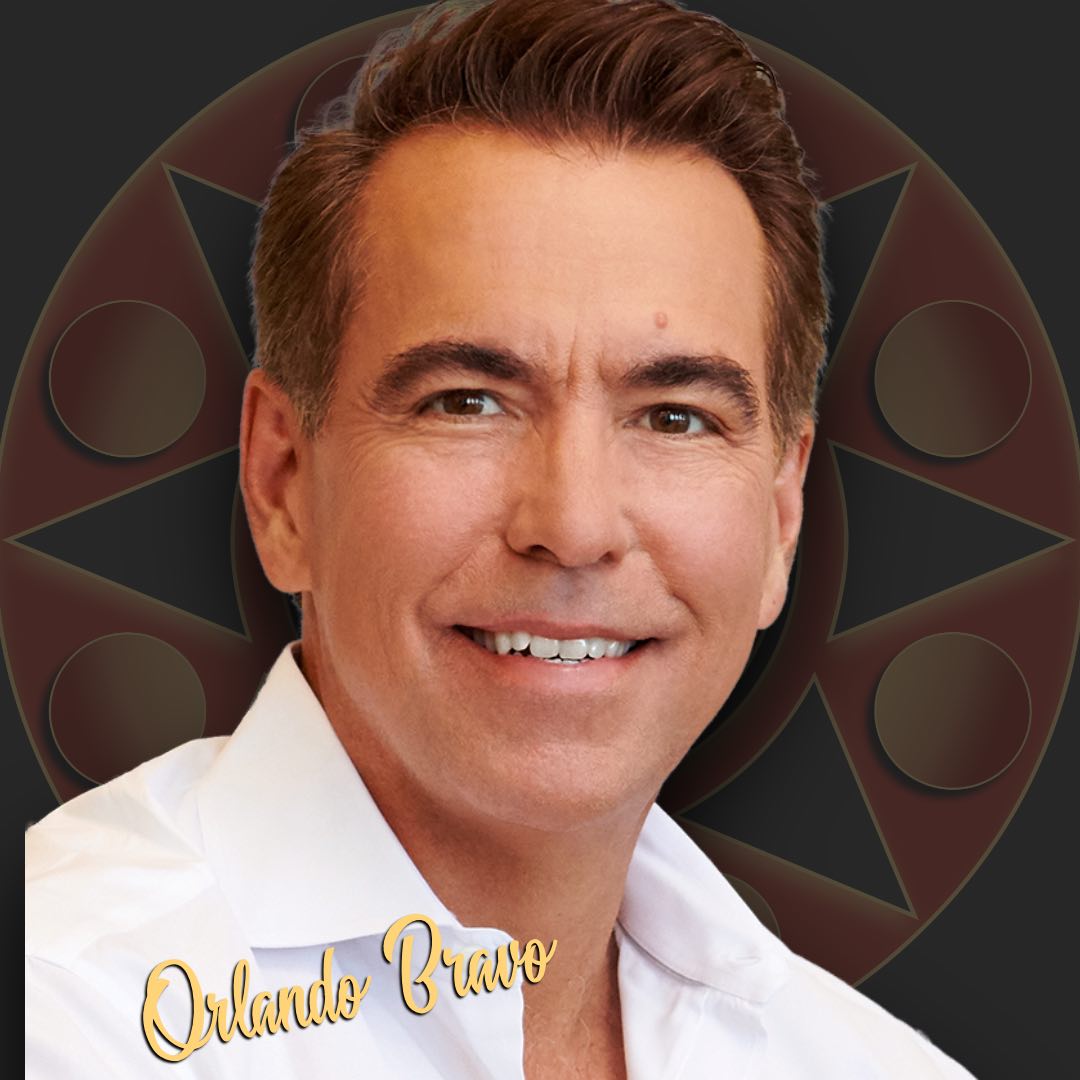
Puerto Rico-born Orlando Bravo, founder of Thoma Bravo, has become one of the most prominent Latino investors in private equity and technology.
These are extraordinary individuals operating at extraordinary financial levels. Their experiences don’t represent the typical Hispanic household.
But they encourage us to ask different questions.
For decades, businesses have wanted to know:
How many Latinos are there?
What do they buy?
How much do they spend?
Perhaps the next set of questions should include:
What are we building?
What are we investing in?
What do we own?
What will we eventually pass forward?

A Changing Economic Story
We can see pieces of that progression throughout our community.
Business owners are growing companies. Professionals are advancing in their careers. Families are buying homes. Entrepreneurs are investing. Executives are accumulating assets. Some are preparing businesses and property to eventually pass to the next generation.
The scale may be dramatically different from a $54 million painting or a multibillion-dollar baseball franchise.
The underlying idea is much more familiar.
Build something. Own something. Increase its value. Carry something forward.
There are still significant disparities in household wealth, homeownership and access to capital. A growing Latino economy does not mean every Latino family is prospering.
A Renaissance isn’t a declaration that the work is finished.
It is recognition that something is changing.
What Comes Next
This is a story we intend to continue exploring.
Over the coming months, HL Media Network, through HispanicLifestyle.com and HL | Culture & Influence, will talk with business owners, professionals, executives, investors, financial experts and families.
We want to better understand homeownership, entrepreneurship, investment, business succession and the transfer of assets and knowledge between generations.
We will ask questions.
We will listen.
We will discover, document and share what we learn.
For decades, America learned to measure the Hispanic market by what it consumed.
Perhaps the more interesting question now is: What will it own?
Welcome to The Renaissance of the U.S. Hispanic Consumer.
The Numbers Behind the Renaissance
2026 U.S. Latino GDP Report
Research measuring the economic output and growth of the U.S. Latino economy.
State of Latino Entrepreneurship
Stanford research examining Latino-owned businesses, entrepreneurship, business growth and access to capital.
Survey of Consumer Finances
Federal Reserve research providing context about household assets, liabilities and wealth.
Latino Wealth Research
Research examining household wealth, economic mobility and barriers to asset building.
EDITOR NOTES
For more than 30 years, our work has centered on discovering, documenting and sharing the stories of Latino business owners, professionals, executives, entrepreneurs and community leaders.
That work began with Hispanic Lifestyle and continues today across the platforms of HL Media Network.
The reports referenced in this article help us understand the scale of the economic changes taking place. But there is something the numbers don’t always tell us:
Who are the people behind them?
That’s what interests us.
There are thousands of business owners, professionals, executives, investors and families whose individual stories rarely appear in economic reports.
Over the coming months, we intend to find some of them.
We will travel, attend conferences, have conversations and ask questions particularly the questions people may not know they need to ask.
The numbers can help us recognize that something significant is happening.
The people will help us understand what it means.