The Renaissance of the U.S. Hispanic Consumer

The Renaissance of the U.S. Hispanic Consumer

HL | CULTURE & INFLUENCE

The Renaissance of the U.S. Hispanic Consumer

For decades, America learned to measure the Hispanic market by what it consumed. The next chapter may increasingly be measured by what it owns.

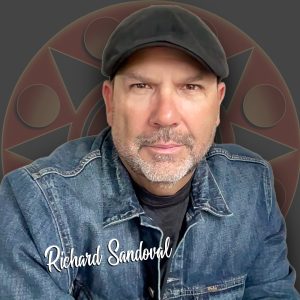
Photos and article by
Richard Sandoval

here is no shortage of uncertainty surrounding the American consumer.

The cost of groceries, housing, energy and everyday necessities continues to influence decisions around kitchen tables and inside businesses across the country.

Yet amid that uncertainty, something interesting is happening.

For years, reports have documented the growing purchasing power and economic contributions of U.S. Latinos. The 2026 U.S. Latino GDP Report estimates that Latinos generated $4.4 trillion in U.S. economic output in 2024.

That is an impressive number.

But numbers alone don’t tell the story.

What Do We Value?

Consider a painting created more than eight decades ago.

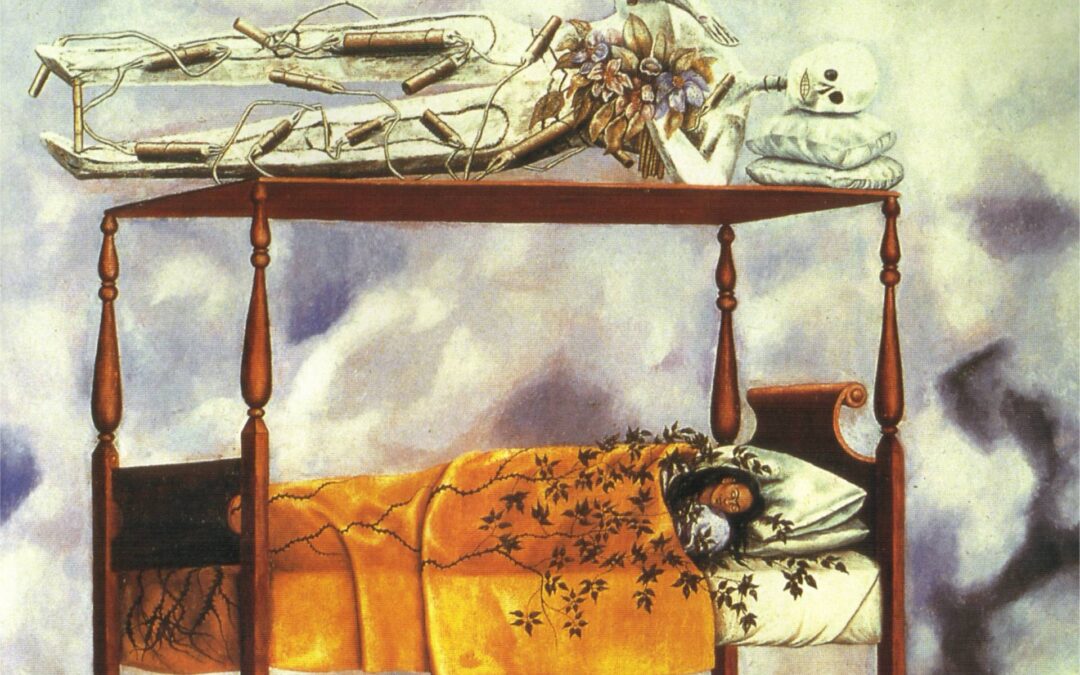
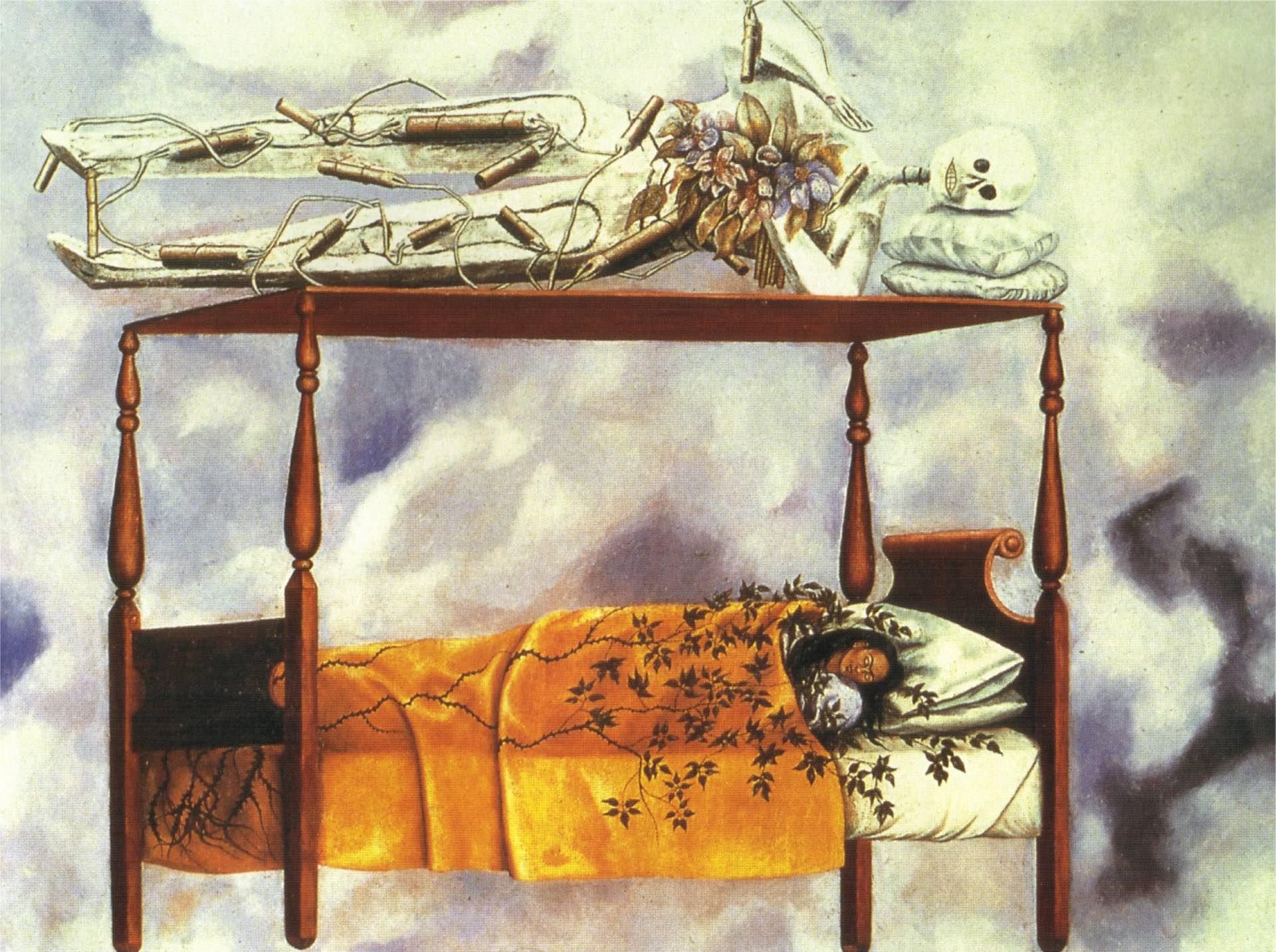
In 1940, Mexican artist Frida Kahlo painted El sueño (La cama)The Dream (The Bed).

When the painting sold through Sotheby’s in 1980, it brought $51,000.

In November 2025, the same painting returned to auction and sold for $54.66 million, establishing a record for Kahlo and Latin American art.

Think about 1980 for a moment.

Someone might have purchased a home for $50,000. An entrepreneur might have been growing a business worth little more than an idea, some equipment and a willingness to work.

Few could have imagined what some of those assets might eventually become.

A Kahlo masterpiece certainly shouldn’t be reduced to an investment calculation. Its cultural importance extends far beyond its auction price.

But its journey raises an interesting question:

How do we recognize value?

A home can have value.

A business can have value.

Art, ideas, brands, real estate and intellectual property can have value.

Ownership allows people to participate when that value grows.

Frida Kahlo | El Sueño (La Cama)The Dream (The Bed), 1940

Oil on canvas. Kahlo’s deeply personal work sold for $51,000 in 1980. In November 2025, it returned to auction at Sotheby’s New York and sold for $54.66 million — a remarkable journey in cultural and economic value that inspired a central question in our story: How do we recognize value?

Artwork image: WikiArt | Public domain

From Consumer to Owner

That brings us to two recent developments in Major League Baseball.

In August 2026, MLB owners unanimously approved the transfer of control of the San Diego Padres to an ownership group led by investors Kwanza Jones and José E. Feliciano. The transaction has been widely reported at a $3.9 billion valuation.

Feliciano, who was born in Puerto Rico, is co-founder and managing partner of Clearlake Capital Group. He and Jones, an investor, entrepreneur and executive, jointly lead the Padres ownership group.

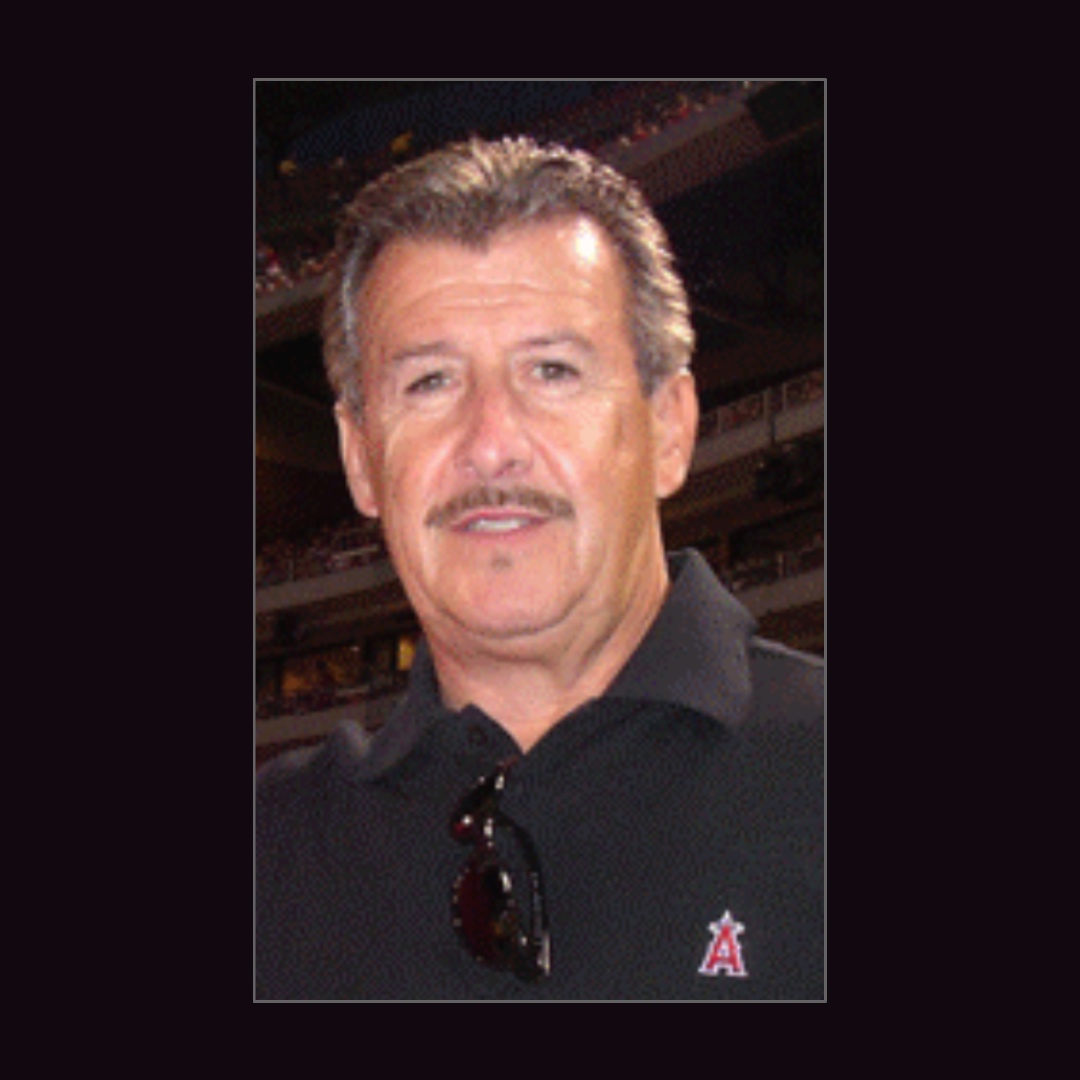
Then came news involving a businessman Hispanic Lifestyle has followed for more than two decades: Arte Moreno.

Moreno purchased the Angels from The Walt Disney Company in 2003 for approximately $184 million, becoming Major League Baseball’s first Latino controlling owner.

In September 2026, an agreement was announced to sell the Angels to Kroenke Sports & Entertainment. Published reports have valued the transaction at approximately $4 billion, although financial terms were not officially disclosed.

For us, the Moreno story carries a little history.

Hispanic Lifestyle was among the Hispanic media outlets that interviewed Moreno shortly after he became owner of the Angels. I remember meeting him at a Latino Business Association event.

My impression was that he wasn’t particularly comfortable with the spotlight.

What was unmistakable was the significance of the entrepreneur standing before us.

He was a businessman.
An owner.
A trailblazer.

More than two decades later, that distinction seems even more important.

More Than Purchasing Power

Moreno, Feliciano and Jones aren’t isolated examples.

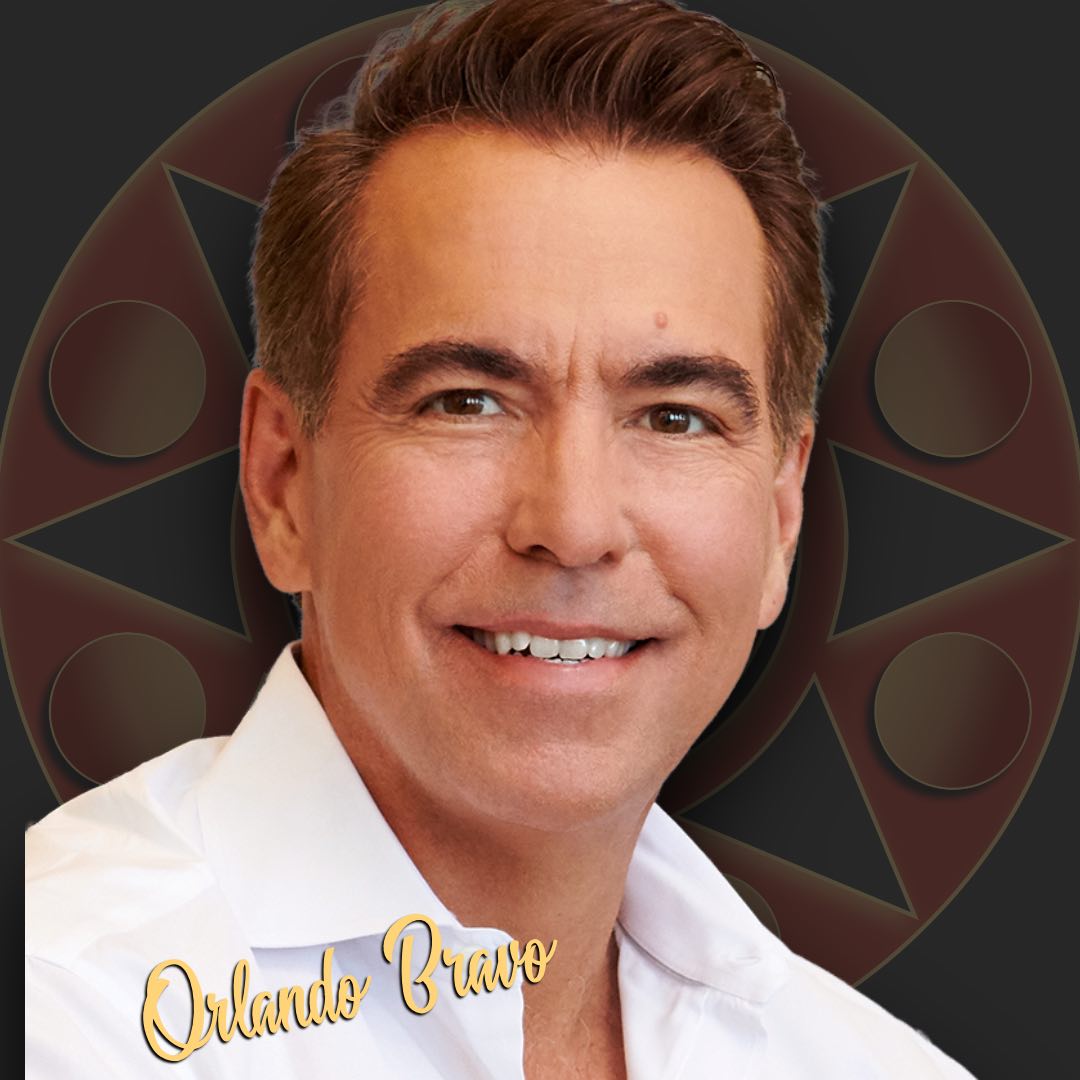
Puerto Rico-born Orlando Bravo, founder of Thoma Bravo, has become one of the most prominent Latino investors in private equity and technology.

These are extraordinary individuals operating at extraordinary financial levels. Their experiences don’t represent the typical Hispanic household.

But they encourage us to ask different questions.

For decades, businesses have wanted to know:

How many Latinos are there?
What do they buy?
How much do they spend?

Perhaps the next set of questions should include:

What are we building?
What are we investing in?
What do we own?
What will we eventually pass forward?


A Changing Economic Story

We can see pieces of that progression throughout our community.

Business owners are growing companies. Professionals are advancing in their careers. Families are buying homes. Entrepreneurs are investing. Executives are accumulating assets. Some are preparing businesses and property to eventually pass to the next generation.

The scale may be dramatically different from a $54 million painting or a multibillion-dollar baseball franchise.

The underlying idea is much more familiar.

Build something. Own something. Increase its value. Carry something forward.

There are still significant disparities in household wealth, homeownership and access to capital. A growing Latino economy does not mean every Latino family is prospering.

A Renaissance isn’t a declaration that the work is finished.

It is recognition that something is changing.

What Comes Next

This is a story we intend to continue exploring.

Over the coming months, HL Media Network, through HispanicLifestyle.com and HL | Culture & Influence, will talk with business owners, professionals, executives, investors, financial experts and families.

We want to better understand homeownership, entrepreneurship, investment, business succession and the transfer of assets and knowledge between generations.

We will ask questions.
We will listen.
We will discover, document and share what we learn.

For decades, America learned to measure the Hispanic market by what it consumed.

Perhaps the more interesting question now is: What will it own?

Welcome to The Renaissance of the U.S. Hispanic Consumer.

The Numbers Behind the Renaissance

2026 U.S. Latino GDP Report
Research measuring the economic output and growth of the U.S. Latino economy.

State of Latino Entrepreneurship
Stanford research examining Latino-owned businesses, entrepreneurship, business growth and access to capital.

Survey of Consumer Finances
Federal Reserve research providing context about household assets, liabilities and wealth.

Latino Wealth Research
Research examining household wealth, economic mobility and barriers to asset building.

EDITOR NOTES 

For more than 30 years, our work has centered on discovering, documenting and sharing the stories of Latino business owners, professionals, executives, entrepreneurs and community leaders.

That work began with Hispanic Lifestyle and continues today across the platforms of HL Media Network.

The reports referenced in this article help us understand the scale of the economic changes taking place. But there is something the numbers don’t always tell us:

Who are the people behind them?

That’s what interests us.

There are thousands of business owners, professionals, executives, investors and families whose individual stories rarely appear in economic reports.

Over the coming months, we intend to find some of them.

We will travel, attend conferences, have conversations and ask questions particularly the questions people may not know they need to ask.

The numbers can help us recognize that something significant is happening.

The people will help us understand what it means.


When Local Voices Go Silent

When Local Voices Go Silent

HL | Culture and Influence

When Local Voices Go Silent

 What radio loses when consolidation, automation and changing habits separate broadcasters from the communities they served. 

Photos and article by
Richard Sandoval

arly in my career, I spent at least an hour a day in the car, commuting from suburbia into the city. Radio was my companion.
I listened to morning shows, talk radio and, occasionally, music. I wanted to know what was happening in the world, but music provided another kind of connection. Having played several instruments in high school and performed in a band, I wanted to know what people were listening to and where musical tastes were heading.

Growing up in the Bay Area, I remember personalities such as Dr. Donald D. Rose with KFRC. I remember listening to sports radio on KNBR and hearing voices that seemed to belong not merely to a station, but to the entire region. This was during the late 1970s and 1980s, when local radio personalities helped set the rhythm of the day.

They told us what had happened overnight. They made us laugh during the morning commute. They talked about our teams, our neighborhoods, our weather and the events taking place around us. Even when we had never met them, we felt as though we knew them.

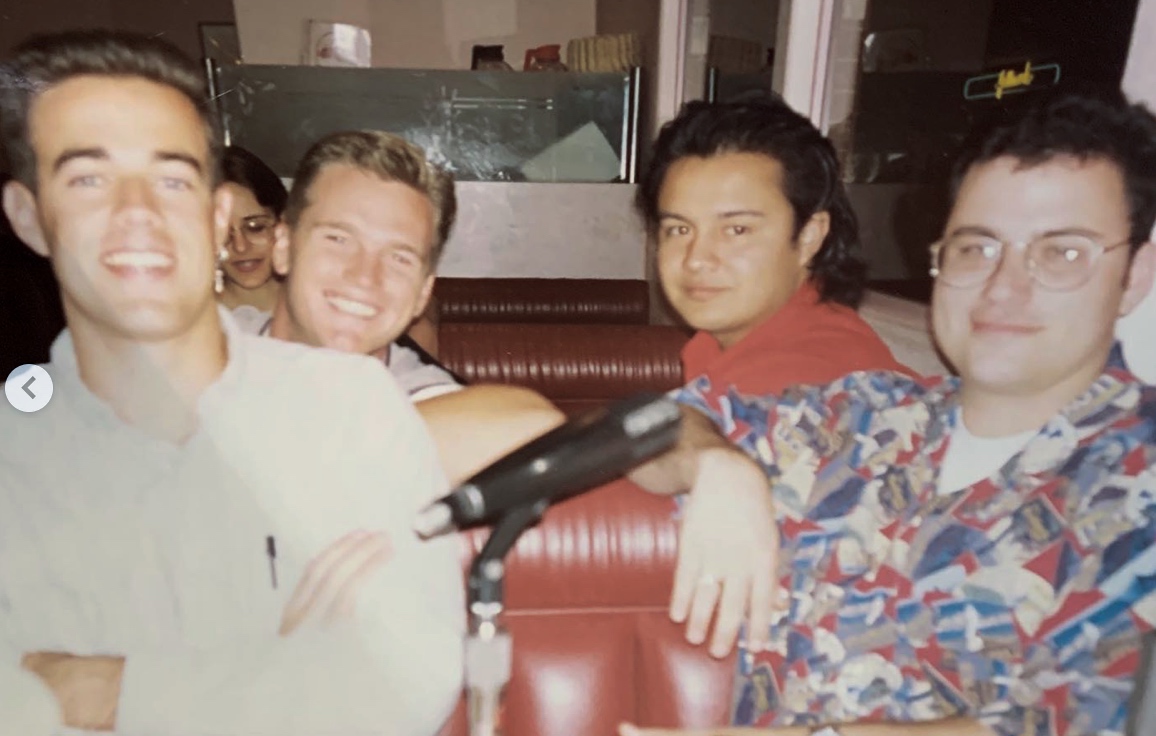
Years later, I found myself in Southern California, once again spending considerable time on the freeways, traveling into the Coachella Valley. I listened to a young broadcaster named Chris Kimmel who would later become known as Jimmy Kimmel and his sidekick, Carson Daly.

There is a wonderful personal story from that period involving Jimmy explaining the birds and the bees to my son Christopher. He later took me to lunch and managed to eat an entire pizza by himself.

This was before television fame. And I am not going to lie it was very good pizza.

These memories may sound like amusing detours, but they help explain what made local radio special. The people behind the microphones became part of our lives. They were not anonymous voices delivering interchangeable programming from somewhere else. They lived in the market. They understood its personality. In some cases, their listeners watched their careers develop in real time.

Photo taken around the timeframe of when  they worked at a Palm Springs radio station. Front row: Kit Carson (Carson Daly) and Chris Kimmel (Jimmy Kimmel). Photo credit: Instagram.

The people behind the voices

Over the years, perhaps because I entered the media business myself, I became friends with several local DJs, news personalities and talk-radio hosts.

I met Evelyn Erives when she was still in high school and watched her build a long career at KGGI before being laid off recently. Hispanic Lifestyle recognized another local personality, Vic Slick, whose work introduced listeners to old-school music and the memories attached to it.

My longtime friend Syeda Jafri worked in morning talk radio and later at KCAL-FM before she, too, was recently laid off. Lacey Kendall is another colleague I met years ago when she was hosting a talk-radio program. We later worked together on a nightly television newscast serving the Inland Valley.

These are only a few of the people I have met during more than three decades in media. Some began in radio and moved into other areas. Others remained because radio was where they wanted to be.

They loved entertaining people. They loved sharing information, playing music and connecting with their communities. Some may also have chosen to remain in local markets because they were raising families and building lives there.

That is an important part of this story.

When a local radio personality disappears from the air, a company may view it as a staffing decision. For listeners, however, a familiar part of their community has gone silent.

The Business Reality

Radio has always been a difficult business. Stations are bought and sold. Companies consolidate. Formats change. Advertising revenue shifts. Contracts end. Bankruptcies occur. Owners must adapt to new technology and changing audience behavior.

Automation has made it possible for fewer people to operate more stations. Programming can be produced in another city and distributed across multiple markets. Artificial intelligence will likely expand those capabilities even further.

From a business perspective, some of those decisions may appear necessary. But efficiency carries a cost when it removes the people who understand the communities being served.

A prerecorded voice can announce the name of the next song. A syndicated program can fill several hours of airtime. An algorithm can assemble a playlist.

But can any of them understand why a local high school championship matters? Can they speak naturally about the restaurant that everyone in town knows, the freeway closure changing the morning commute, the community fundraiser that needs attention or the emotional aftermath of a hometown team’s win or loss?

Local radio did more than transmit sound. It reflected a place back to the people who lived there.

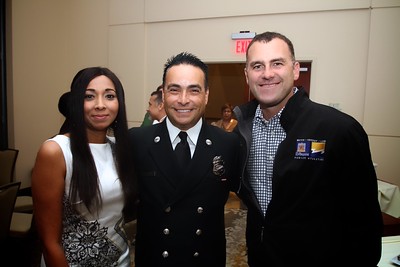
Syeda Jafri, Hispanic Lifestyle honoree David Hernandez and
Mayor of Riverside Rusty Baily

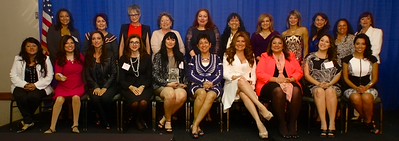
Pictured among Hispanic Lifestyle’s 2015 Latinas of Influence is
Evelyn Erives (seated, second from right).

I Changed, Too

If I am being honest, it is now rare for me to tune in to local radio.

I listen to SiriusXM and podcasts. I do not spend as much time driving as I once did. When I am in the car, I am often on the phone connecting with people. My habits have changed because my lifestyle has changed.

Millions of people could probably say the same thing.

We gained more choices, greater control and access to programming from almost anywhere. But as our listening became increasingly personalized, we may have lost some of the shared experience that local radio once provided.

There was a time when thousands of people across a region heard the same joke, debated the same comment or listened together as a local announcer described an important moment. Radio created a kind of common room for a community.

Today, each of us can occupy a media room of our own.

A lesson from the Rick Dees

Several years ago, we interviewed nationally recognized radio personality Rick Dees. I will need to revisit our archives to confirm the exact date, but I believe it was around August 2001.

When we entered the studio, I noticed advertisements promoting the station’s new morning-show personality. The announcement had been made only a few days earlier, following the departure of George Lopez.

What struck me was how quickly the transition appeared to happen. The promotional campaign was ready. The replacement had apparently been planned. The station had already moved forward.

At the time, I knew very little about how radio contracts were structured or the business considerations behind these decisions. I am sure there were reasons for the change. Still, George Lopez was one of the first high-profile Latino comedians to lead a major morning radio program, and his departure felt like more than a programming adjustment. To many people in Southern California’s Latino community, it felt as though one of our most visible voices had suddenly been removed.

That experience taught me something about media: what audiences experience as an abrupt and emotional loss may have been treated inside the company as a carefully planned business transition.

The show goes on but not always with the same connection.

Why I did not ask for quotes

I considered calling several friends and colleagues who have recently been displaced and asking them to share their thoughts for this article.

I decided not to put them on the spot.

Some may still be processing what happened. Some are looking for their next opportunity. Others may be restricted by severance agreements or simply may not be ready to publicly discuss an employer that had been part of their lives for many years.

Their silence should not be mistaken for a lack of feeling.

For someone accustomed to waking before sunrise, preparing for a morning show and directing that energy toward thousands of listeners, suddenly having no microphone and no audience must create a profound sense of disruption.

The obvious suggestion is that these experienced personalities should start podcasts or online streaming programs. Some probably will. But recreating the radio experience is not as easy as setting up a microphone and pressing “go live.”

Listeners came for a complete experience: music, conversation, humor, information and companionship. Producing that experience independently requires technology, promotion, distribution and, when music is involved, licensing. Talent alone does not provide the infrastructure that a radio station once supplied.

What happens when local voices disappear?

Consolidation may preserve a company. Automation may reduce operating costs. Syndication may make programming more efficient.

But who remains responsible for listening to the community?

Who introduces the new local artist, supports the neighborhood organization, recognizes the small business, talks about the hometown team or gives attention to an issue before it becomes national news?

The question is not whether radio should resist every technological change. That would be unrealistic. The question is whether efficiency must require the removal of local identity.

When local voices go silent, communities do not simply lose broadcasters. They lose witnesses people who have been listening, observing and helping a region understand itself.

EDITOR NOTES 

I love radio.

There is still something special about listening to a ball game and then hearing the announcers and fans react on the way home after a win or a loss. It is a habit I have held onto because radio can make a shared moment feel personal.

Radio also remains one of the simplest expressions of free choice. If you do not like what a broadcaster is saying, you can turn the dial. Another voice is only a station away.

What concerns me is not that listeners have fewer channels. We have more choices than ever. What concerns me is that fewer of those voices may actually come from the communities they are addressing.

I look forward to seeing what comes next for my friends and colleagues. They are talented. They are experienced. They are innovators. They know how to inform, entertain and create meaningful connections with an audience.

Their voices have not disappeared.

For the moment, some of the microphones that carried them have simply been turned off. I look forward to the day when we and the communities they have served hear those voices again.

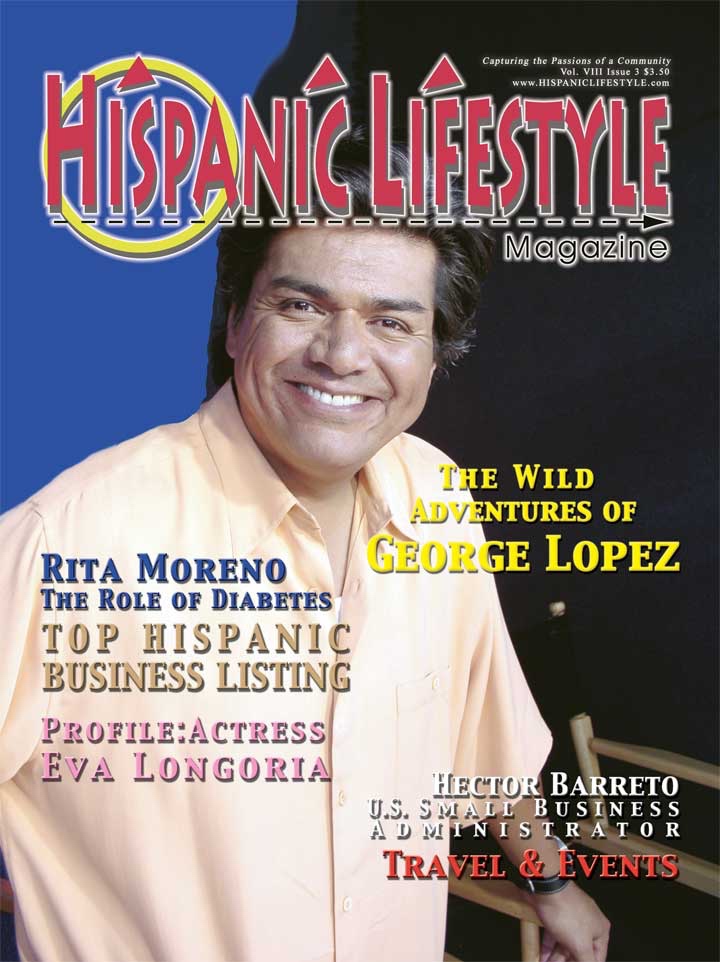
Cover of Hispanic Lifestyle Magazine 2002

Culture & Influence | WHAT’S NEXT

Culture & Influence | WHAT’S NEXT

ISSUE 01 | July 2026

WHAT’S NEXT

MILESTONE SERIES
Recognizing Leadership

JUDITH VALLES
The Passsing of a Leader

MONEY & WEALTH
Silicon Valley

A Question
Worth Asking

ANDY GARCIA
Lifetime Achievement

WEALTH REPORT
Insights from Luis Alvarado

here are moments in every journey when you realize your perspective has changed.

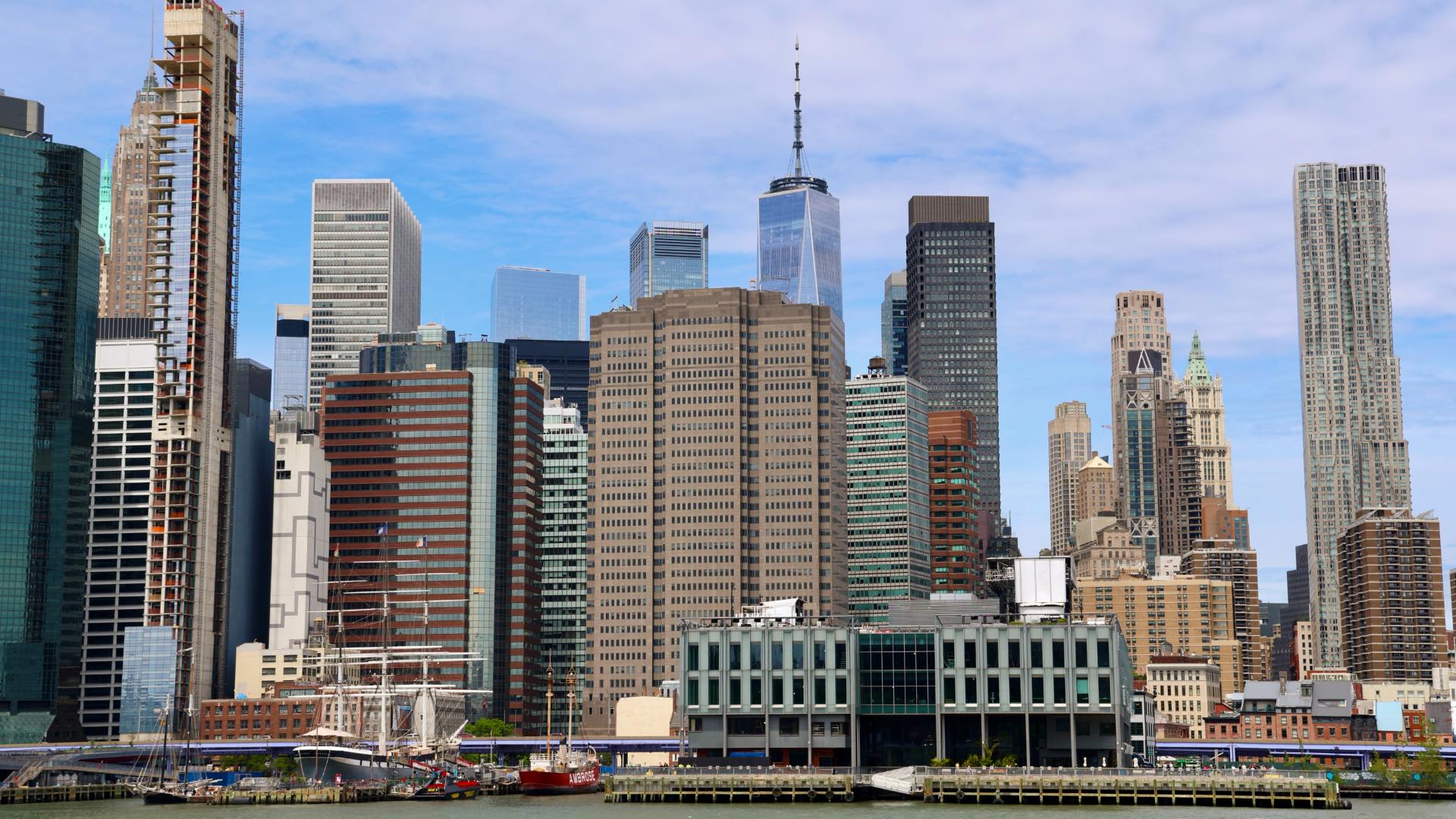
For me, that moment came while standing along the waterfront in Lower Manhattan, camera in hand, just days after our HL | Milestone Series event in the Bronx. Looking across the New York skyline, I wasn’t simply photographing another city. I was reflecting on more than three decades of conversations, relationships, and experiences that began in California and have gradually expanded across the country.

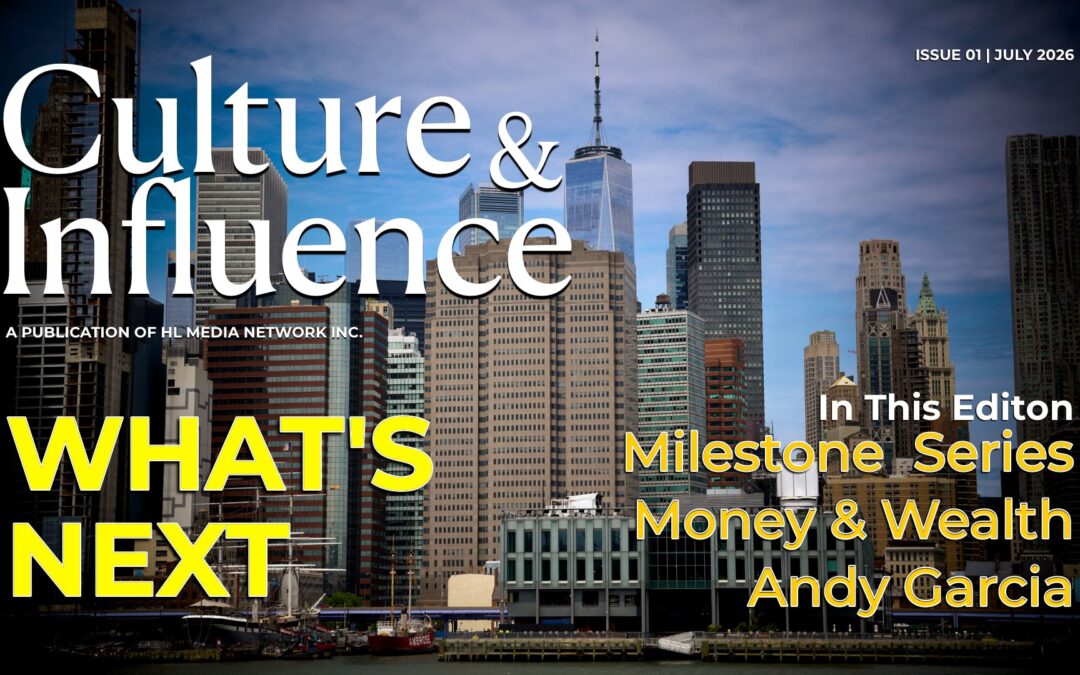
That photograph became the inspiration for the cover of this inaugural edition of Culture & Influence, a publication of HL Media Network.

Since publishing our first newsletter in 1995 and launching Inland Empire Hispanic Lifestyle Magazine in 1997, our mission has remained remarkably consistent: to discover, document, and share the stories of people and organizations making a meaningful difference in their communities. While our platform has evolved into HispanicLifestyle.com and HL Media Network, our purpose has never changed.

What has changed is the scope of the conversation.

Today, influence is no longer defined by geography alone. Ideas move across industries, technology is transforming how we live and work, and leadership continues to emerge from places and people that may have once gone unnoticed. Understanding where those ideas originate, how they grow, and why they matter has never been more important.

That is the purpose of Culture & Influence.

This publication is dedicated to exploring the people, organizations, ideas, and experiences shaping our communities, our economy, and our culture. Through thoughtful journalism, compelling photography, meaningful conversations, and in-person experiences, we hope to provide context, celebrate achievement, and encourage dialogue that informs and inspires.

About the Cover Photograph

Lower Manhattan, New York City
Photographed by Richard Sandoval | May 2026

Captured just days after the HL | Milestone Series event in the Bronx, this photograph represents more than the New York skyline. It reflects a moment of perspective and possibility. While our story began in California, the conversations we are documenting and the relationships that inspire them—continue to expand across the United States.

Our cover asks a simple question:  What’s Next?

It is a question we intend to keep asking.

Not because we believe we have all the answers, but because curiosity, thoughtful conversation, and a willingness to understand different perspectives have always been at the heart of meaningful progress.

Thank you for joining us as we introduce Culture & Influence. Whether you’ve been with us since our earliest publications or are discovering our work for the first time, we’re grateful you’re here.

The conversation continues.

Richard Sandoval
President & Founder HL Media Network Inc.

In This Edition

Welcome to the inaugural edition of HL | Culture & Influence, a publication by HL Media Network.

For more than three decades, our mission has remained remarkably consistent: to discover, document, and share the stories of the people, organizations, and ideas shaping our communities. What has changed is the way we tell those stories and the conversations we believe are most important to explore.

A collection of recent stories exploring leadership, business, wealth, travel, and the people shaping our communities.

Coming Conversations

We’re already working on the next edition, featuring new conversations, fresh perspectives, and stories from across the country. We hope you’ll return and continue the journey with us.

Thank you for joining us as we begin this next chapter. We look forward to continuing the conversation and sharing new stories with you in the editions ahead.

Richard Sandoval
President & Founder, HL Media Network Inc.

35 Years of Opportunity: The Mexican American Bar Foundation Continues to Shape the Future of the Legal Profession

35 Years of Opportunity: The Mexican American Bar Foundation Continues to Shape the Future of the Legal Profession

Behind every scholarship is a story of determination, sacrifice, and the pursuit of opportunity.

One of the most inspiring parts of attending the Mexican American Bar Foundation’s 35th Annual Scholarship & Awards Gala was not the ballroom, the awards, or even the distinguished guests in attendance.

It was the students.

Throughout the evening, I had the opportunity to speak with scholarship recipients and law students whose stories reflected the very purpose of the Foundation’s work. Many were the first in their families to attend college. Others were the first to pursue graduate school. Several were first-generation law students working to overcome financial barriers while pursuing careers dedicated to service, advocacy, and justice.

As the father of one attorney and hopeful that another future lawyer may one day join our family, these stories resonate deeply with me. They remind me that educational opportunity does more than change individual lives—it changes families, communities, and future generations.

Last weekend, I had the privilege of providing production support for the Mexican American Bar Foundation’s 35th Annual Scholarship & Awards Gala in Downtown Los Angeles. While my role was behind the camera, I once again witnessed the extraordinary impact this organization continues to have on aspiring legal professionals.

Founded in 1991, the Mexican American Bar Foundation was established to support students pursuing legal careers through scholarships, mentorship, and educational opportunities. For thirty-five years, the organization has remained committed to expanding access to the legal profession while helping develop the next generation of attorneys, judges, advocates, and civic leaders.

The Foundation’s mission is simple yet powerful: to create opportunities for students who may otherwise face barriers to entering the legal profession.

For many of the scholarship recipients recognized during the evening, that support can be life-changing.

Thirty-Five Years of Impact

Over the past three and a half decades, the Mexican American Bar Foundation has awarded hundreds of scholarships and distributed hundreds of thousands of dollars to deserving students pursuing legal careers.

Like many nonprofit organizations focused on education and community advancement, the Foundation has faced challenges in recent years. Changes in the fundraising landscape and economic uncertainty have affected organizations across the country.

Yet despite these challenges, the Foundation continues to move forward with purpose, determination, and an unwavering commitment to investing in future generations.

That commitment was evident throughout the evening.

A Community of Legal Leaders

The gala brought together an impressive cross-section of the legal profession, including judges, attorneys, corporate counsel, law firm partners, public servants, and community leaders.

Attendees represented a broad range of legal specialties, from immigration and family law to corporate law, business litigation, public policy, and community advocacy.

In addition to presenting scholarships, the Foundation recognized individuals whose leadership and service have created lasting impact within the legal profession and throughout the broader community.

This year’s honorees included:

  • Community Impact Award – Dr. Ciriaco “Cid” Pinedo
    Recognized for his commitment to advancing educational opportunity, leadership development, and community engagement. Dr. Pinedo’s work continues to inspire future generations while strengthening the institutions that serve our communities.
  • Trailblazer Award – Xavier A. Gutierrez
    Honored for breaking barriers and creating new pathways of opportunity through his leadership and professional accomplishments. His career serves as a reminder of the importance of representation at the highest levels of business and public life.
  • Precursor de Justicia Award – Humberto Guizar
    Recognized for his longstanding commitment to justice, advocacy, and service. His legal career reflects the values of leadership, perseverance, and community responsibility that the Foundation seeks to instill in future attorneys.

The recognition of these leaders serves as an important reminder to scholarship recipients that success in the legal profession is not measured solely by career accomplishments, but by the positive impact one leaves on others and on the communities they serve.


Why Representation Matters

While Latinos make up nearly one-fifth of the United States population, representation within the legal profession continues to lag behind.

According to recent national legal industry data:

  • Latinos represent approximately 19% of the U.S. population.
  • Latino attorneys account for only about 6% of practicing lawyers nationwide.
  • Latino representation among law firm partners remains significantly lower.
  • First-generation college and professional students continue to face financial and structural barriers to entering the legal profession.

Organizations such as the Mexican American Bar Foundation help bridge those gaps by providing scholarships, mentorship, networking opportunities, and access to professional role models.

The result is a stronger legal profession that better reflects the communities it serves.

2026 Mexican American Bar Foundation | 35th Annual Scholarship & Awards Gala

Photos by Richard Sandoval

Fashion, Celebration, and Community

Of course, no gala would be complete without a little style.

Fashion was certainly on display throughout the evening as guests gathered to celebrate scholarship recipients, honorees, and the Foundation’s 35-year legacy. The event was filled with elegance, energy, and a shared sense of pride in the accomplishments of both the students and the legal professionals who continue to support them.

I am proud to share a collection of exclusive photographs from the evening that capture both the celebration and the people behind this important mission.

Investing in the Future

As the Mexican American Bar Foundation celebrates thirty-five years of impact, its work is far from finished.

The Foundation continues to raise funds to support future scholarships and educational programs that will help aspiring attorneys achieve their goals.

If you have children considering a career in law, know a student pursuing legal studies, or simply believe in creating greater opportunity through education, I encourage you to learn more about the Foundation and support its mission.

Because when we invest in students, we invest in our future.

When we help create pathways to education, we strengthen our communities.

And when we ensure that a wide range of voices and experiences are represented within the legal profession, we all benefit.

Learn More and Support the Mission

Donate:
https://secure.givelively.org/donate/mexican-american-bar-foundation/35th-gala-qr-code-challenge

Website:
https://www.themabf.org

Photo Gallery: Exclusive images from the Mexican American Bar Foundation’s 35th Annual Scholarship & Awards Gala in Downtown Los Angeles.

More Stories