Michelle Juarez- Perry | Leadership, Homeownership and Building a Legacy

Michelle Juarez- Perry | Leadership, Homeownership and Building a Legacy

HL INSIGHTS

Michelle Juarez- Perry | Leadership, Homeownership and Building a Legacy

A Hispanic Heritage Month Story

Photos and article by
Richard Sandoval

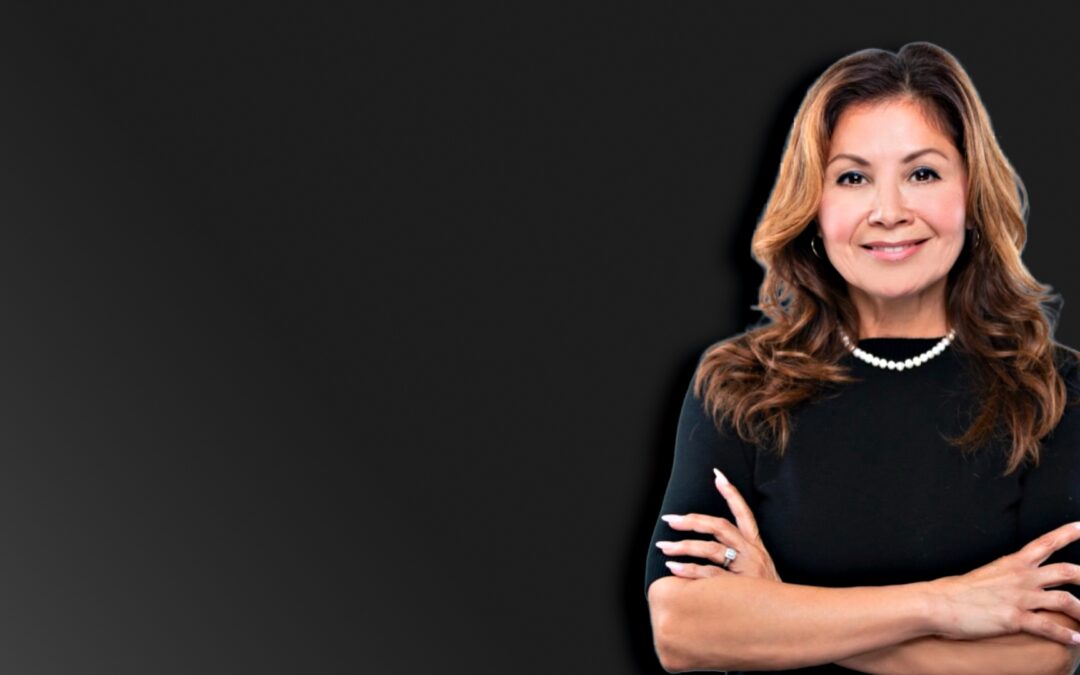
or NHORA National President Michelle Perry, leadership, homeownership and community are personal. As a first-generation homeowner and longtime real estate professional, she understands how owning a home can change the trajectory of a family.

During Hispanic Heritage Month, we often celebrate the accomplishments of individuals who are making an impact in their professions and communities. Sometimes, the more interesting story is understanding what motivates them to lead. For Michelle Perry, that story begins with home.

Perry is the 2026 National President of the National Hispanic Organization of Real Estate Associates (NHORA) and a full-time Realtor who has worked in Silicon Valley, Santa Clara County and San Benito County for more than 26 years.

Long before becoming a leader of a national real estate organization, however, Perry experienced something that continues to influence how she views her profession and community service.

She became a first-generation homeowner.

“I know what that trajectory is in life, and I know how it’s changed my family,” Perry told HL Media Network during NHORA’s 2026 National Conference in San Jose.

She became a homeowner before entering the real estate profession.

“So it’s something big for me,” she said. “I know what it means.”

Watch our conversation with NHORA National President Michelle Perry 

Discovering NHORA

Our introduction to NHORA went beyond attending its national conference.

The day before the conference, HL Media Network was invited to join NHORA leaders for a chapter retreat at Hayes Mansion in San Jose.

It provided an opportunity to observe the organization from the inside — chapter leaders gathering to discuss leadership, communication, professional development and the direction of the organization.

One word came up repeatedly: family.

The following day, as real estate professionals, lenders, affiliates and industry leaders arrived for the national conference, it became easier to understand what they meant.

There was an obvious professional purpose to the gathering. But there was also familiarity among the members and a sense that relationships between chapters mattered.

For those unfamiliar with NHORA, as we were before spending time with the organization, its work extends beyond professional networking.

The organization promotes sustainable homeownership while developing leadership within the real estate industry and encouraging its members to serve as trusted advisors within Hispanic communities. Its work also includes financial literacy, consumer education and community involvement.

Perry became involved with NHORA approximately six years ago.

“I knew what they were doing in the community,” she said.

That connection between profession and community appealed to her.

“This organization gives back to the community,” Perry explained. “In every aspect, not just in real estate, not just in education, but actually giving to people that are in need.”

Leadership Starts With Communication

When Perry became National President earlier this year, one of her priorities was strengthening NHORA from within.

Her focus has been on the chapters and, particularly, developing the professionalism and leadership skills of the people running them.

“They’re the ones that are really serving the community,” she said.

For Perry, effective leadership starts with something basic.

Communication.

“The number one thing for me, when you talk about leadership, is communication,” she said. “It’s really important that we establish what our priorities are, and how we communicate them.”

That meant investing in leadership training and making sure chapter leaders understood not only the organization’s priorities, but where NHORA wanted to go next.

The result, Perry believes, has brought the organization closer together.

“We know what our purpose is. We know what the vision is, and we know what the next step is, because we are being strategic about how we move forward.”

More Than a Real Estate Transaction

Perry’s perspective on homeownership is particularly relevant to the work NHORA is doing.

Real estate professionals spend their careers around transactions.

Buyers. Sellers. Financing. Properties. Contracts.

But Perry remembers the experience from the other side of the table.

She remembers becoming a homeowner before she became a Realtor.

That distinction matters.

For a first-generation homeowner, purchasing a house can represent something much larger than acquiring property. It can change how a family thinks about stability, opportunity and its financial future.

Perry lived that experience herself.

Today, she wants NHORA professionals to help others understand the homebuying process and the possibilities that can come with it.

She also sees the organization’s responsibility extending beyond homeownership education.

Perry talks about building wealth and leaving a legacy.

That means creating relationships with people and organizations capable of providing knowledge and resources within the communities NHORA serves.

It also means showing up in other ways.

Perry points to activities such as backpack drives, scholarships, nonprofit support and educational programs as examples of how local chapters can become part of their communities.

The objective is for NHORA members to become people their communities know and trust whether someone is trying to understand the homebuying process or simply looking for information and resources.

Building a Legacy

That brings Perry to what comes next.

She envisions NHORA continuing to expand into additional communities and states while maintaining the local relationships that have helped define the organization.

“We want it to expand into communities where they know that we are the trusted advisor,” she said.

Partnerships will be an important part of that expansion.

This year, NHORA introduced what Perry describes as its Legacy Partnership, creating deeper relationships with organizations supporting its mission. NHORA’s current national partnership structure includes Legacy, Impact, Community and Supporting Partner levels, with its Legacy Partners positioned for long-term participation in the organization.

But when Perry discusses those relationships, she doesn’t speak about them simply as sponsors.

“They’re part of our family now,” she said.

It reflects the same theme we heard during the leadership retreat the previous day.

For Perry, growth is ultimately about collaboration.

“That’s how we move forward,” she said. “It’s with collaboration, partnerships, and building futures for more than just ourselves, for giving back to our communities.”

A Story Worth Continuing

Our conversation with Michelle Perry was one of several we captured during our time with NHORA in San Jose.

We arrived wanting to learn more about an organization that was relatively new to us. We left with a better understanding of its leadership, its chapters and the people working within real estate and financial services to address homeownership and economic opportunity in their communities.

There are more of those stories to share.

For Hispanic Heritage Month, however, Michelle Perry provides a fitting place to begin.

She is a real estate professional who remembers what it felt like to become a first-generation homeowner.

A national president who believes leadership begins with communication.

And a Latina leader whose definition of success extends beyond what she can build for herself to what she and others can help build for the people who come next.

That is where leadership becomes legacy.

Learn more about the National Hispanic Organization of Real Estate Associates at NHORA.org.

EDITOR NOTES 

HL Media Network was invited to attend the 2026 NHORA National Conference in San Jose, California, including a leadership retreat held the day before the conference. It was our first opportunity to spend meaningful time with the organization, its national leadership and representatives from several of its chapters.

What began as an introduction quickly became an opportunity to listen, learn and document. During our time in San Jose, we conducted several interviews exploring leadership, homeownership, financial education, community service and the work being done by professionals serving their communities.

Our conversation with NHORA National President Michelle Perry is the first of several stories we look forward to sharing from that experience.
 

Valeria Esparza-Chavez | Remembering the Sacrifices That Created Opportunity

Valeria Esparza-Chavez | Remembering the Sacrifices That Created Opportunity

HL INSIGHTS

Valeria Esparza-Chavez | Remembering the Sacrifices That Created Opportunity

A Hispanic Heritage Month Story

Photos and article by
Richard Sandoval

or Valeria Esparza-Chavez, Hispanic Heritage Month is personal.

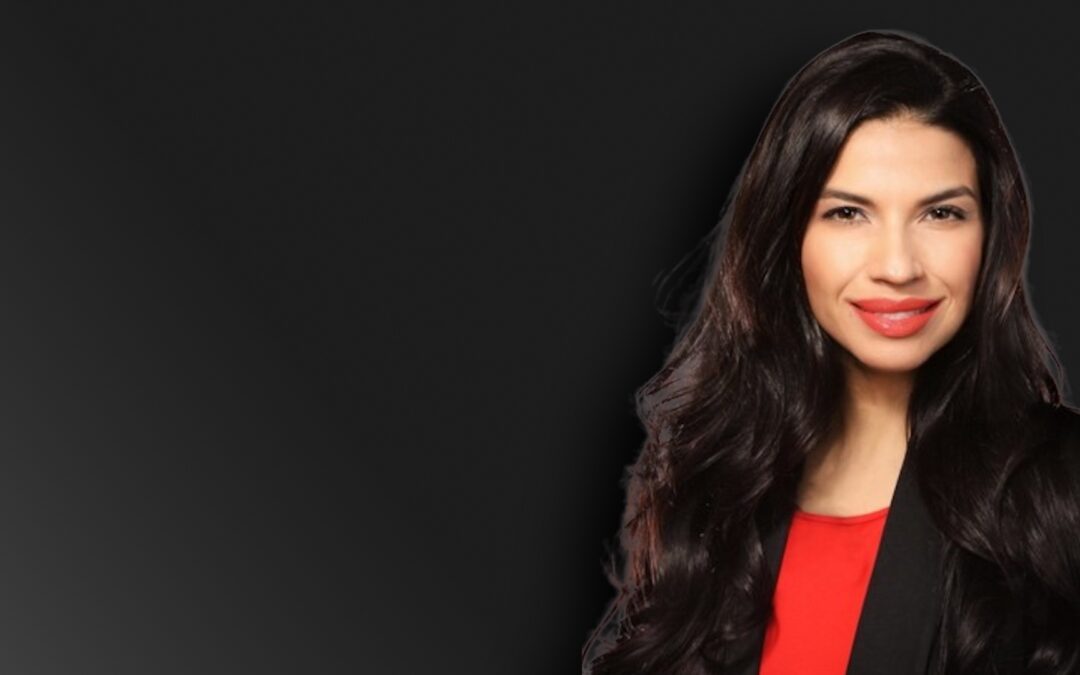
As Vice President and Customer Growth Segments Lead at Wells Fargo, Esparza-Chavez spends much of her professional life focused on expanding economic opportunities for Latino families through homeownership, entrepreneurship, investing and financial education.

But when HL Media Network asked her to share her thoughts about Hispanic Heritage Month, her answer began somewhere much closer to home.

“This month is very personal for me,” Esparza-Chavez said. “As a daughter of immigrants, a first-generation American, first in my family to ever go to college, this is a month about remembering all of the sacrifices that our parents, that our grandparents did for us.”

Watch our conversation with Valeria Esparza-Chavez as she shares what Hispanic Heritage Month means to her. 

Remembering the Sacrifices

For Esparza-Chavez, those sacrifices can be measured in opportunities.

She remembers becoming the first person in her family to work in a corporate environment and the first to have access to benefits that can easily be taken for granted once they become part of everyday life.

“I am filled with gratitude for the opportunities that my parents gave me,” she said.

Today, she sees another generation moving forward.

Esparza-Chavez spoke about watching her own children, nieces and nephews pursue their education and consider opportunities including college and medical school that reflect how much has changed within one family.

It is a perspective that transforms Hispanic Heritage Month from simply looking back at where we came from into considering what comes next.

Creating Opportunity for the Next Generation

That idea also carries into Esparza-Chavez’s professional work.

During our conversation at NAHREP at AVANCE Global in Las Vegas, she spoke about the growing economic influence of the U.S. Latino community and the importance of creating greater access to homeownership, entrepreneurship, financial education and investing.

“We know that Latinos are driving the American economy,” she said.

For Esparza-Chavez, however, the larger economic conversation ultimately comes back to people, families and opportunity.

“As we reflect on our family members, on our parents and grandparents during this Hispanic Heritage Month, let’s think about what we can do for future generations,” she said.

Her message is rooted in gratitude, but it also carries a sense of responsibility.

Previous generations made sacrifices to create opportunities they might never have experienced themselves. The opportunity now is to build upon what they started and consider what we can make possible for those who follow.

Hispanic Wealth Project

Valeria was featured on the platform HispanicWealthProject.org read her story Valeria’s Journey: From El Paso to the C-SuiteFrom First-Gen Dreamer to Seven-Figure Investor: How Valeria Esparza-Chavez Turns Homeownership into Legacy @  https://hispanicwealthproject.org/hispanic-wealth-profiles/valeria-esparza-chavez-homeownership

This conversation was recorded by HL Media Network during NAHREP at AVANCE Global, held September 14–16, 2026, in Las Vegas

EDITOR NOTES 

During NAHREP at AVANCE Global in Las Vegas, HL Media Network had the opportunity to reconnect with friends and colleagues and meet new voices along the way. As we celebrate Hispanic Heritage Month, we asked several of them to share what this time means to them personally. Valeria Esparza-Chavez begins a series of conversations reflecting on family, sacrifice, opportunity and the experiences that continue to shape our community.


The Renaissance of the U.S. Hispanic Consumer

The Renaissance of the U.S. Hispanic Consumer

HL | CULTURE & INFLUENCE

The Renaissance of the U.S. Hispanic Consumer

For decades, America learned to measure the Hispanic market by what it consumed. The next chapter may increasingly be measured by what it owns.

Photos and article by
Richard Sandoval

here is no shortage of uncertainty surrounding the American consumer.
The cost of groceries, housing, energy and everyday necessities continues to influence decisions around kitchen tables and inside businesses across the country.

Yet amid that uncertainty, something interesting is happening.

For years, reports have documented the growing purchasing power and economic contributions of U.S. Latinos. The 2026 U.S. Latino GDP Report estimates that Latinos generated $4.4 trillion in U.S. economic output in 2024.

That is an impressive number.

But numbers alone don’t tell the story.

What Do We Value?

Consider a painting created more than eight decades ago.

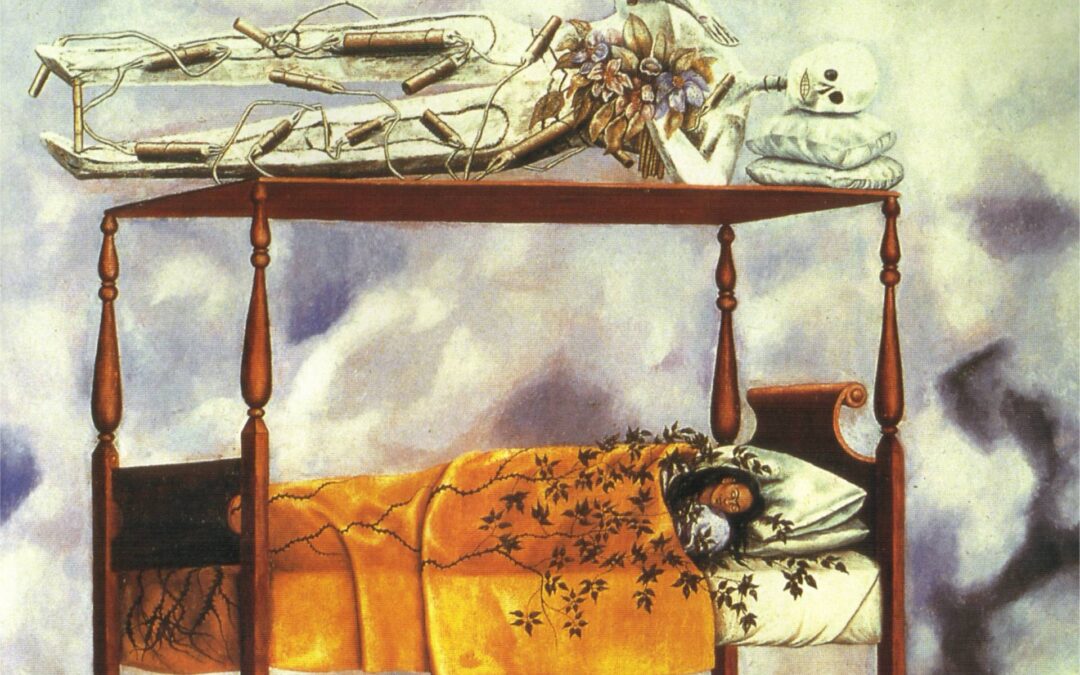
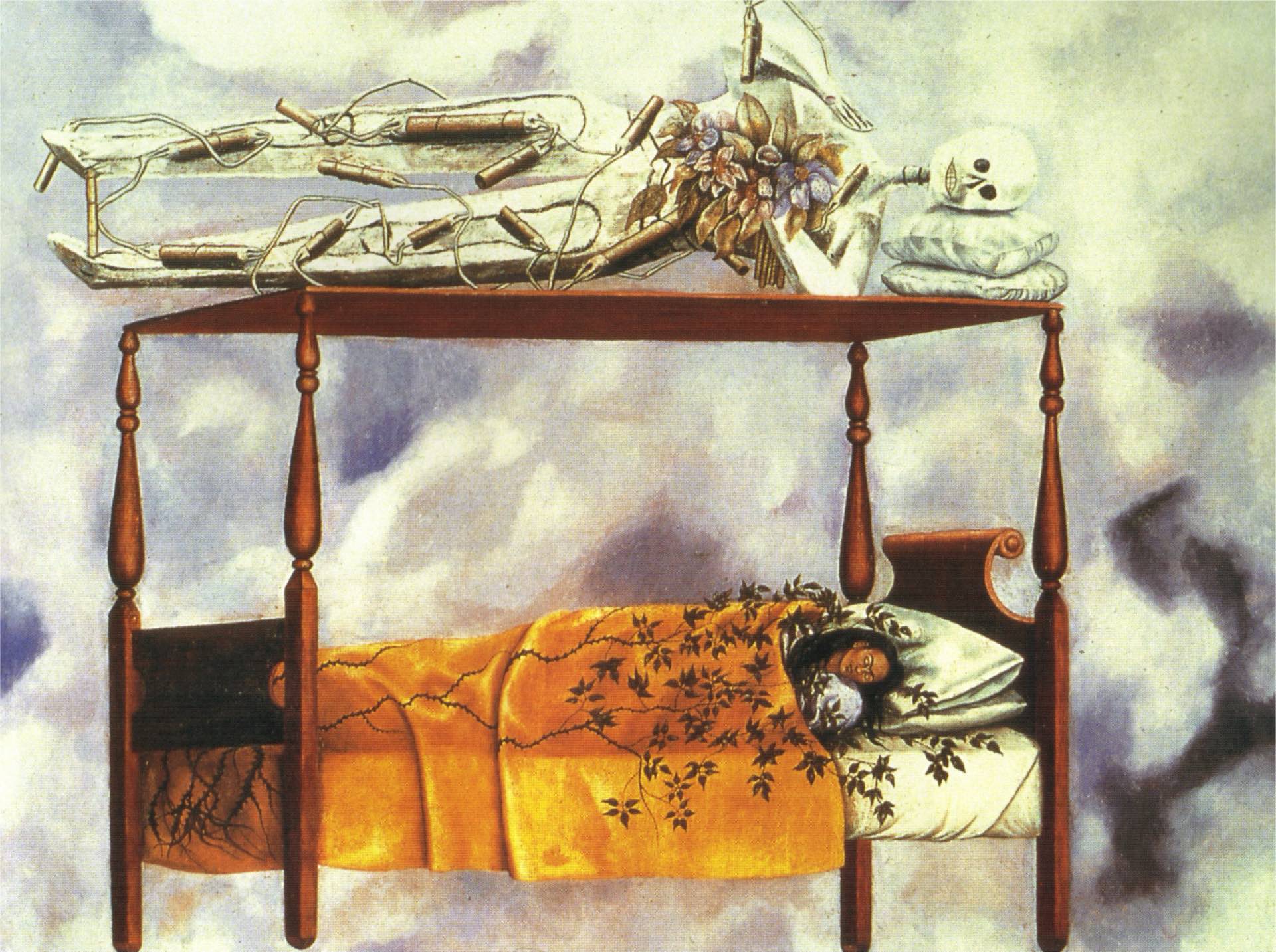
In 1940, Mexican artist Frida Kahlo painted El sueño (La cama) – The Dream (The Bed).

When the painting sold through Sotheby’s in 1980, it brought $51,000.

In November 2025, the same painting returned to auction and sold for $54.66 million, establishing a record for Kahlo and Latin American art.

Think about 1980 for a moment.

Someone might have purchased a home for $50,000. An entrepreneur might have been growing a business worth little more than an idea, some equipment and a willingness to work.

Few could have imagined what some of those assets might eventually become.

A Kahlo masterpiece certainly shouldn’t be reduced to an investment calculation. Its cultural importance extends far beyond its auction price.

But its journey raises an interesting question:

How do we recognize value?

A home can have value.

A business can have value.

Art, ideas, brands, real estate and intellectual property can have value.

Ownership allows people to participate when that value grows.

Frida Kahlo | El Sueño (La Cama) — The Dream (The Bed), 1940

Oil on canvas. Kahlo’s deeply personal work sold for $51,000 in 1980. In November 2025, it returned to auction at Sotheby’s New York and sold for $54.66 million — a remarkable journey in cultural and economic value that inspired a central question in our story: How do we recognize value?

Artwork image: WikiArt | Public domain

From Consumer to Owner

That brings us to two recent developments in Major League Baseball.

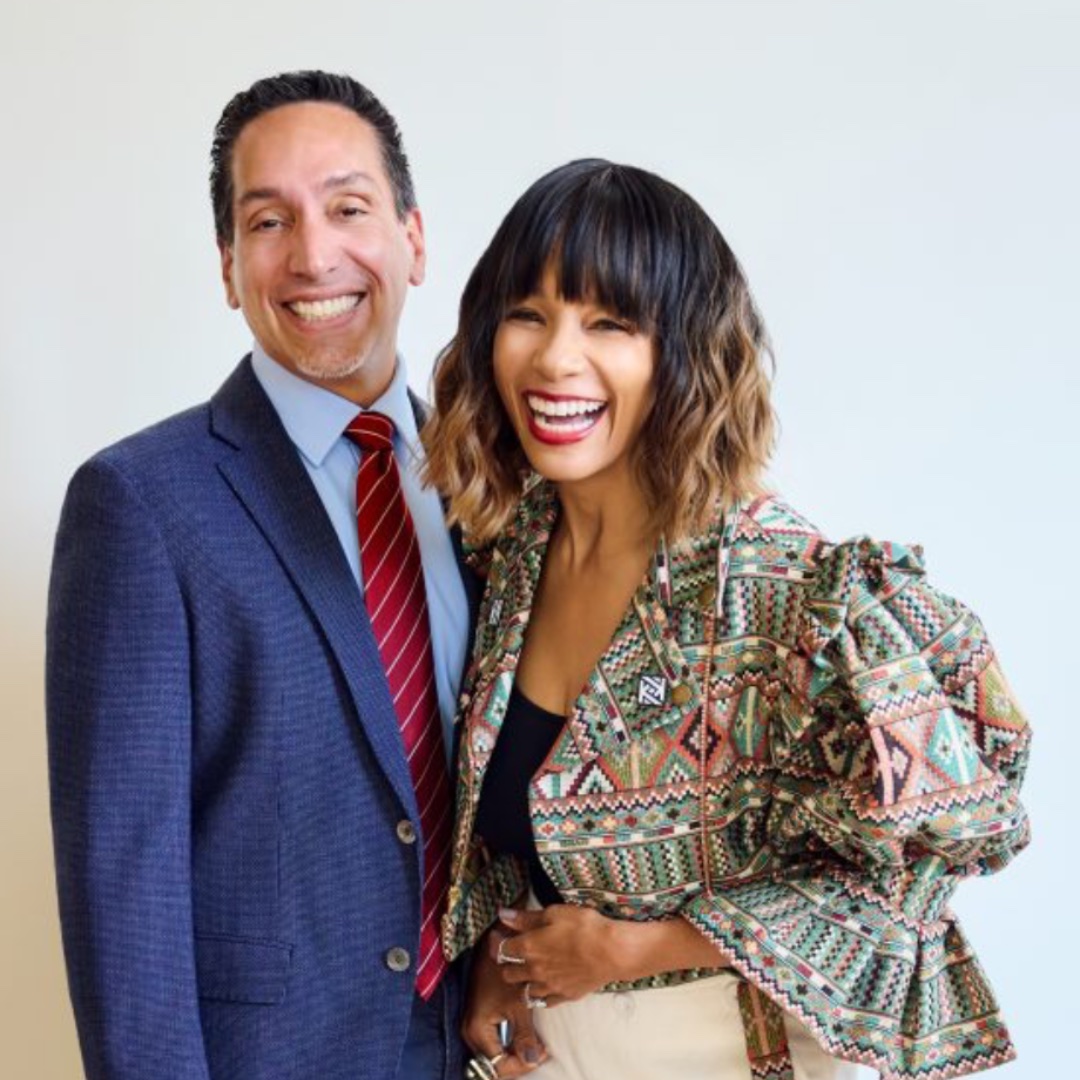
In August 2026, MLB owners unanimously approved the transfer of control of the San Diego Padres to an ownership group led by investors Kwanza Jones and José E. Feliciano. The transaction has been widely reported at a $3.9 billion valuation.

Feliciano, who was born in Puerto Rico, is co-founder and managing partner of Clearlake Capital Group. He and Jones, an investor, entrepreneur and executive, jointly lead the Padres ownership group.

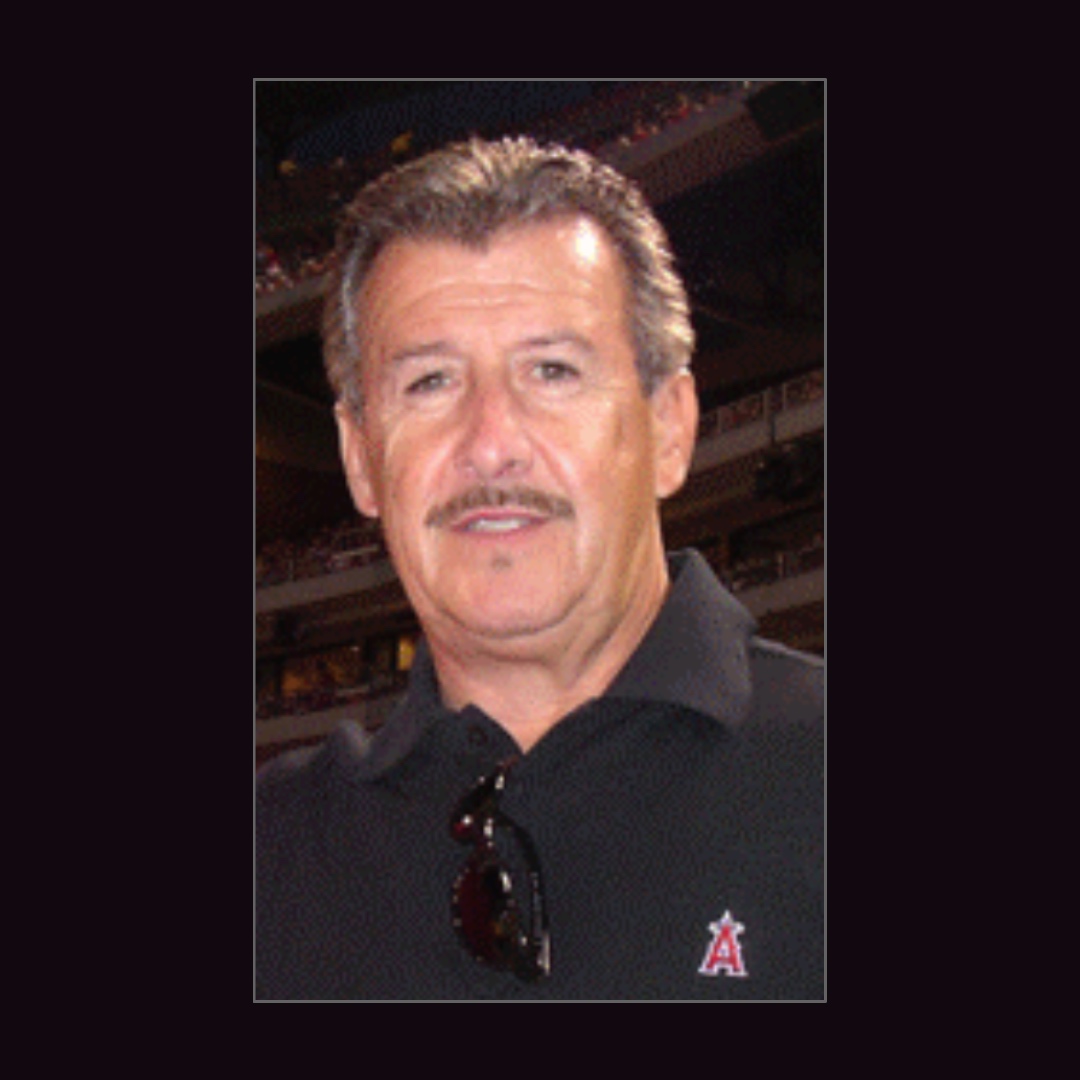
Then came news involving a businessman Hispanic Lifestyle has followed for more than two decades: Arte Moreno.

Moreno purchased the Angels from The Walt Disney Company in 2003 for approximately $184 million, becoming Major League Baseball’s first Latino controlling owner.

In September 2026, an agreement was announced to sell the Angels to Kroenke Sports & Entertainment. Published reports have valued the transaction at approximately $4 billion, although financial terms were not officially disclosed.

For us, the Moreno story carries a little history.

Hispanic Lifestyle was among the Hispanic media outlets that interviewed Moreno shortly after he became owner of the Angels. I remember meeting him at a Latino Business Association event.

My impression was that he wasn’t particularly comfortable with the spotlight.

What was unmistakable was the significance of the entrepreneur standing before us.

He was a businessman.
An owner.
A trailblazer.

More than two decades later, that distinction seems even more important.

More Than Purchasing Power

Moreno, Feliciano and Jones aren’t isolated examples.

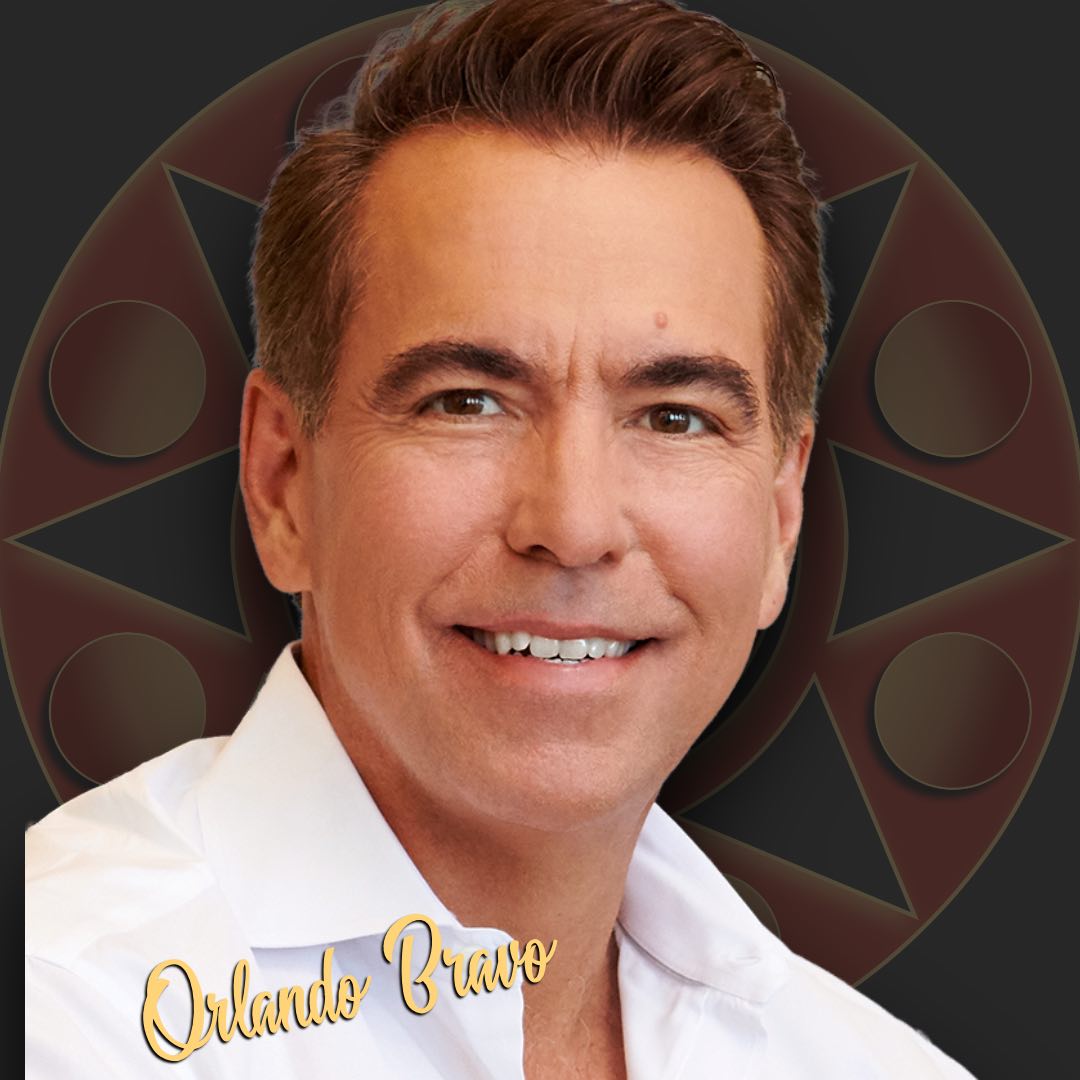
Puerto Rico-born Orlando Bravo, founder of Thoma Bravo, has become one of the most prominent Latino investors in private equity and technology.

These are extraordinary individuals operating at extraordinary financial levels. Their experiences don’t represent the typical Hispanic household.

But they encourage us to ask different questions.

For decades, businesses have wanted to know:

How many Latinos are there?
What do they buy?
How much do they spend?

Perhaps the next set of questions should include:

What are we building?
What are we investing in?
What do we own?
What will we eventually pass forward?


A Changing Economic Story

We can see pieces of that progression throughout our community.

Business owners are growing companies. Professionals are advancing in their careers. Families are buying homes. Entrepreneurs are investing. Executives are accumulating assets. Some are preparing businesses and property to eventually pass to the next generation.

The scale may be dramatically different from a $54 million painting or a multibillion-dollar baseball franchise.

The underlying idea is much more familiar.

Build something. Own something. Increase its value. Carry something forward.

There are still significant disparities in household wealth, homeownership and access to capital. A growing Latino economy does not mean every Latino family is prospering.

A Renaissance isn’t a declaration that the work is finished.

It is recognition that something is changing.

What Comes Next

This is a story we intend to continue exploring.

Over the coming months, HL Media Network, through HispanicLifestyle.com and HL | Culture & Influence, will talk with business owners, professionals, executives, investors, financial experts and families.

We want to better understand homeownership, entrepreneurship, investment, business succession and the transfer of assets and knowledge between generations.

We will ask questions.
We will listen.
We will discover, document and share what we learn.

For decades, America learned to measure the Hispanic market by what it consumed.

Perhaps the more interesting question now is: What will it own?

Welcome to The Renaissance of the U.S. Hispanic Consumer.

The Numbers Behind the Renaissance

2026 U.S. Latino GDP Report
Research measuring the economic output and growth of the U.S. Latino economy.

State of Latino Entrepreneurship
Stanford research examining Latino-owned businesses, entrepreneurship, business growth and access to capital.

Survey of Consumer Finances
Federal Reserve research providing context about household assets, liabilities and wealth.

Latino Wealth Research
Research examining household wealth, economic mobility and barriers to asset building.

EDITOR NOTES 

For more than 30 years, our work has centered on discovering, documenting and sharing the stories of Latino business owners, professionals, executives, entrepreneurs and community leaders.

That work began with Hispanic Lifestyle and continues today across the platforms of HL Media Network.

The reports referenced in this article help us understand the scale of the economic changes taking place. But there is something the numbers don’t always tell us:

Who are the people behind them?

That’s what interests us.

There are thousands of business owners, professionals, executives, investors and families whose individual stories rarely appear in economic reports.

Over the coming months, we intend to find some of them.

We will travel, attend conferences, have conversations and ask questions particularly the questions people may not know they need to ask.

The numbers can help us recognize that something significant is happening.

The people will help us understand what it means.