Daniela Mounger | Building a Better Way to Send Money Home

Daniela Mounger | Building a Better Way to Send Money Home

HL INSIGHTS

Daniela Mounger | Building a Better Way to Send Money Home

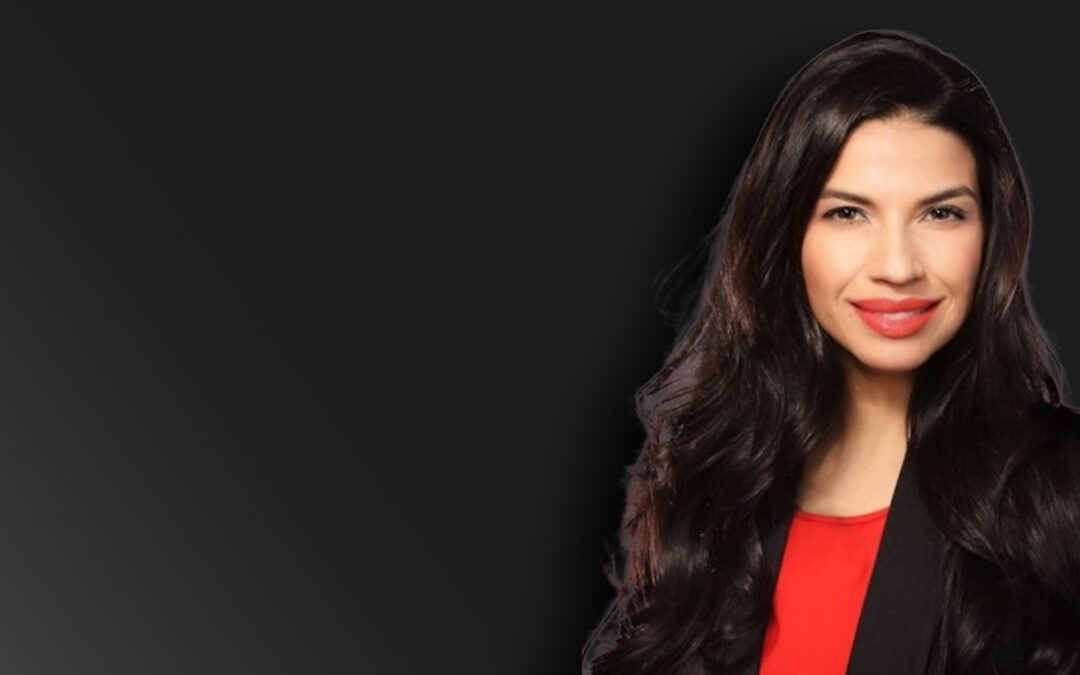
For Wells Fargo executive Daniela Mounger, the modernization of ExpressSend® is both a business initiative and something deeply personal.

Photos and article by
Richard Sandoval

or Daniela Mounger, sending money across borders is not simply part of her job.  It is part of her life.

Born and raised in Monterrey, Mexico, Mounger moved to the United States 14 years ago. Her parents and much of her family remain in Mexico, and she understands firsthand what it means to stay connected across borders.

She sends money home for birthdays, Mother’s Day, everyday needs and moments when family needs support.

Today, she also leads the Wells Fargo business responsible for helping customers do the same.

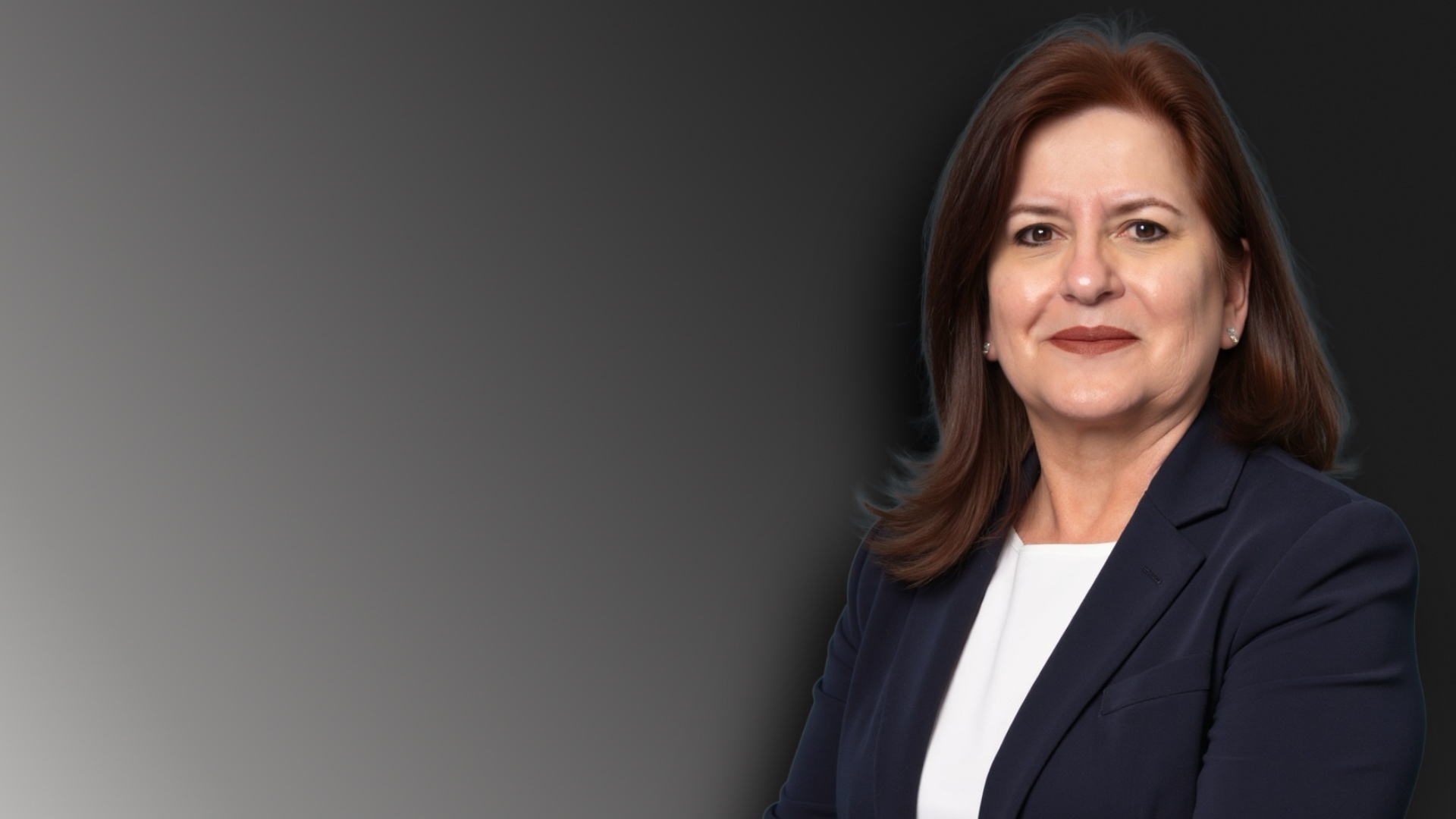
Mounger is senior vice president and head of Global Remittance Services within Wells Fargo Consumer Banking and Lending, where she leads the strategy, transformation and growth of ExpressSend®, the company’s cross-border remittance product, along with its consumer foreign-currency solutions.

Hispanic Lifestyle spoke with Mounger during AVANCE Global in Las Vegas about the evolution of ExpressSend, the changing expectations of customers and why the work carries such personal meaning for her.

Listening to the customer

ExpressSend has been around for more than a decade, but the way customers use it has changed significantly.

For years, customers were often directed to Wells Fargo branches to manage aspects of the international money-transfer process.

Mounger said customers were asking for something easier.

“We listened to them,” she said. “They asked us to innovate. They asked us to have a convenient way to send money from their mobile apps.”

That feedback helped drive the modernization of ExpressSend and its nationwide launch within the Wells Fargo Mobile® app.

The mobile experience allows customers to add and manage recipients, track transfers and receive alerts directly through the app. Wells Fargo says ExpressSend currently supports transfers to 12 countries.

For Mounger, the convenience is important because it reflects the way people live now.

“All of us are attached to our mobile phones,  nuestros celulares,” she said.

The ability to send money from a phone can matter in ordinary moments as much as emergencies.

Someone may be thinking about a parent, an aunt or another family member back home. A birthday may be coming up. A relative may need help.

“You just pull out your phone,” Mounger said.

More than a product

What makes Mounger’s connection to ExpressSend different is that she is not only leading the product.

She uses it.

“I’m Mexican, born and raised in Monterrey, Mexico, and my parents are still there. My family is still there,” she told HL Media Network.

She uses the service to send money to her parents and family members for occasions that are both important and routine.

“I use it to send money to my parents when they need it,” she said. “I use it for Mother’s Day, my mom’s birthday, my dad’s birthday and anything that is really needed for day-to-day lives.”

That personal experience gives Mounger a direct understanding of the customers the product is designed to serve.

“For me specifically, this was a very important product because not only do I lead it, I also use it,” she said.

She also understands the emotional side of sending money internationally.

For families separated by borders, the transaction can represent much more than the amount being transferred. It can be a way of caring for parents, helping relatives through difficult moments or remaining connected to the people and places left behind.

Mounger described the service as one way of creating a bridge between customers and their families.

Security and trust

Convenience is only part of the equation.

Mounger also emphasized the importance of trust and security when sending money internationally.

She acknowledged that sending money abroad can sometimes create anxiety, especially when customers are moving money they worked hard to earn.

Wells Fargo says ExpressSend uses encrypted sessions and security features already built into the Wells Fargo Mobile app to help protect customer account information.

Mounger also offered several reminders for consumers.

Know who you are sending money to. Carefully review recipient names, account information and other details before completing a transfer. Never share banking usernames or passwords with another person.

Once money is sent, she noted, correcting an error can be difficult.

Her point was straightforward: technology can make sending money easier, but customers still have an important role in protecting themselves.

A career connected to immigrant communities

Mounger’s path to leading Wells Fargo’s remittance business reflects years of experience in payments and financial services.

She has more than 15 years of experience in payments and product management, including work leading complex business transformations and customer-focused product development.

Before joining Wells Fargo, Mounger worked at Welcome Tech, where she focused on payments and financial services for immigrant communities.

She earned a bachelor’s degree in accounting and finance from Tecnológico de Monterrey in Mexico and a Master of Public Administration from the University of Texas at San Antonio.

When asked about the experiences that helped shape her career, Mounger pointed to two things: hard work and networking.

“Those are the most important things,” she said.

She also spoke about perseverance and the importance of continuing to work toward opportunities.

That journey eventually brought her to a role where her professional responsibilities intersect closely with her own experience.

“I have the blessing of ending up here with this product that is so close to my heart,” she said.

For Mounger, that connection comes from understanding people who, like her, built lives in the United States while maintaining close ties to family elsewhere.

“My entire family is in Mexico,” she said. “How do we help them? How do we provide solutions for all of us to help our parents, our families that are out there?”

Innovation with a purpose

Wells Fargo launched ExpressSend Mobile nationwide in 2026, bringing the service directly into its mobile banking platform.

The company says customers can send money to bank accounts or eligible cash pickup locations, track transfers, manage recipients and receive alerts through the app.

For Mounger, however, the technology itself is only one part of the story.

The larger goal is giving customers a secure and convenient way to support people they care about.

For someone who has lived that experience personally, the work carries a different kind of meaning.

She is not simply helping modernize a financial product.

She is helping make it easier for people to send something home.

EDITOR NOTES 

We  spoke with Daniela Mounger during AVANCE Global in Las Vegas, where HL Media Network was conducting a series of conversations with business, financial services and real estate leaders.

Mounger discussed the nationwide mobile launch of Wells Fargo ExpressSend®, the evolution of the service and her personal connection to helping families send money across borders.

Product details referenced in this article were supplemented by information provided by Wells Fargo regarding the 2026 nationwide launch of ExpressSend Mobile.

The interview has been edited for clarity and length.
 

Valeria Esparza-Chavez | Remembering the Sacrifices That Created Opportunity

Valeria Esparza-Chavez | Remembering the Sacrifices That Created Opportunity

HL INSIGHTS

Valeria Esparza-Chavez | Remembering the Sacrifices That Created Opportunity

A Hispanic Heritage Month Story

Photos and article by
Richard Sandoval

or Valeria Esparza-Chavez, Hispanic Heritage Month is personal.

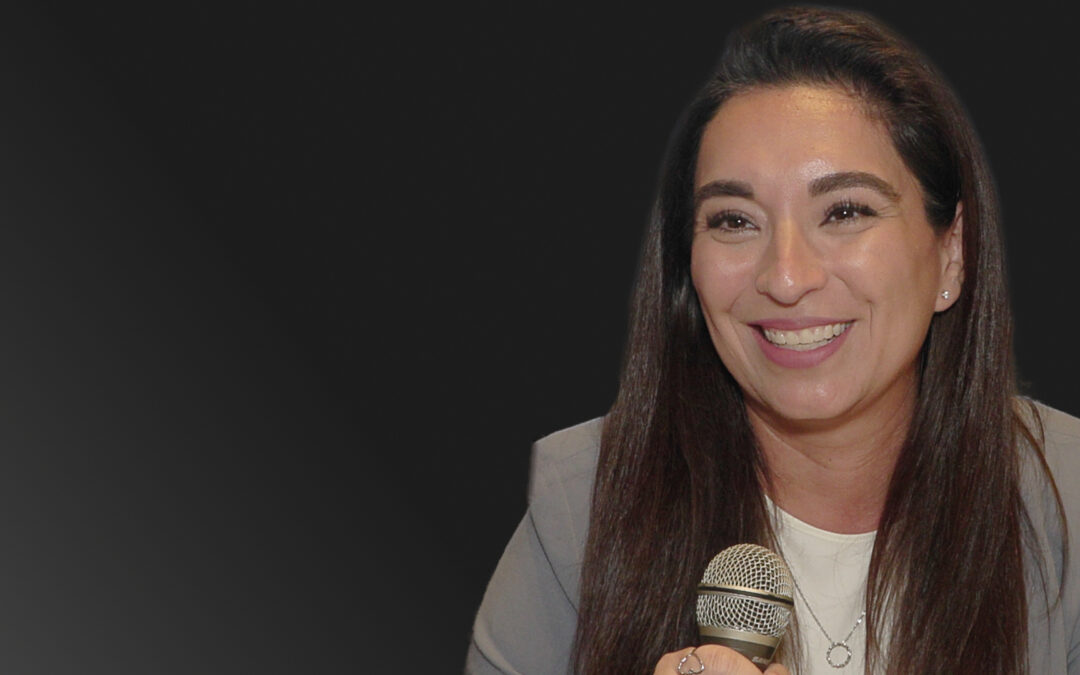
As Vice President and Customer Growth Segments Lead at Wells Fargo, Esparza-Chavez spends much of her professional life focused on expanding economic opportunities for Latino families through homeownership, entrepreneurship, investing and financial education.

But when HL Media Network asked her to share her thoughts about Hispanic Heritage Month, her answer began somewhere much closer to home.

“This month is very personal for me,” Esparza-Chavez said. “As a daughter of immigrants, a first-generation American, first in my family to ever go to college, this is a month about remembering all of the sacrifices that our parents, that our grandparents did for us.”

Watch our conversation with Valeria Esparza-Chavez as she shares what Hispanic Heritage Month means to her. 

Remembering the Sacrifices

For Esparza-Chavez, those sacrifices can be measured in opportunities.

She remembers becoming the first person in her family to work in a corporate environment and the first to have access to benefits that can easily be taken for granted once they become part of everyday life.

“I am filled with gratitude for the opportunities that my parents gave me,” she said.

Today, she sees another generation moving forward.

Esparza-Chavez spoke about watching her own children, nieces and nephews pursue their education and consider opportunities including college and medical school that reflect how much has changed within one family.

It is a perspective that transforms Hispanic Heritage Month from simply looking back at where we came from into considering what comes next.

Creating Opportunity for the Next Generation

That idea also carries into Esparza-Chavez’s professional work.

During our conversation at NAHREP at AVANCE Global in Las Vegas, she spoke about the growing economic influence of the U.S. Latino community and the importance of creating greater access to homeownership, entrepreneurship, financial education and investing.

“We know that Latinos are driving the American economy,” she said.

For Esparza-Chavez, however, the larger economic conversation ultimately comes back to people, families and opportunity.

“As we reflect on our family members, on our parents and grandparents during this Hispanic Heritage Month, let’s think about what we can do for future generations,” she said.

Her message is rooted in gratitude, but it also carries a sense of responsibility.

Previous generations made sacrifices to create opportunities they might never have experienced themselves. The opportunity now is to build upon what they started and consider what we can make possible for those who follow.

Hispanic Wealth Project

Valeria was featured on the platform HispanicWealthProject.org read her story Valeria’s Journey: From El Paso to the C-SuiteFrom First-Gen Dreamer to Seven-Figure Investor: How Valeria Esparza-Chavez Turns Homeownership into Legacy @  https://hispanicwealthproject.org/hispanic-wealth-profiles/valeria-esparza-chavez-homeownership

This conversation was recorded by HL Media Network during NAHREP at AVANCE Global, held September 14–16, 2026, in Las Vegas

EDITOR NOTES 

During NAHREP at AVANCE Global in Las Vegas, HL Media Network had the opportunity to reconnect with friends and colleagues and meet new voices along the way. As we celebrate Hispanic Heritage Month, we asked several of them to share what this time means to them personally. Valeria Esparza-Chavez begins a series of conversations reflecting on family, sacrifice, opportunity and the experiences that continue to shape our community.


The Renaissance of the U.S. Hispanic Consumer

The Renaissance of the U.S. Hispanic Consumer

HL | CULTURE & INFLUENCE

The Renaissance of the U.S. Hispanic Consumer

For decades, America learned to measure the Hispanic market by what it consumed. The next chapter may increasingly be measured by what it owns.

Photos and article by
Richard Sandoval

here is no shortage of uncertainty surrounding the American consumer.

The cost of groceries, housing, energy and everyday necessities continues to influence decisions around kitchen tables and inside businesses across the country.

Yet amid that uncertainty, something interesting is happening.

For years, reports have documented the growing purchasing power and economic contributions of U.S. Latinos. The 2026 U.S. Latino GDP Report estimates that Latinos generated $4.4 trillion in U.S. economic output in 2024.

That is an impressive number.

But numbers alone don’t tell the story.

What Do We Value?

Consider a painting created more than eight decades ago.

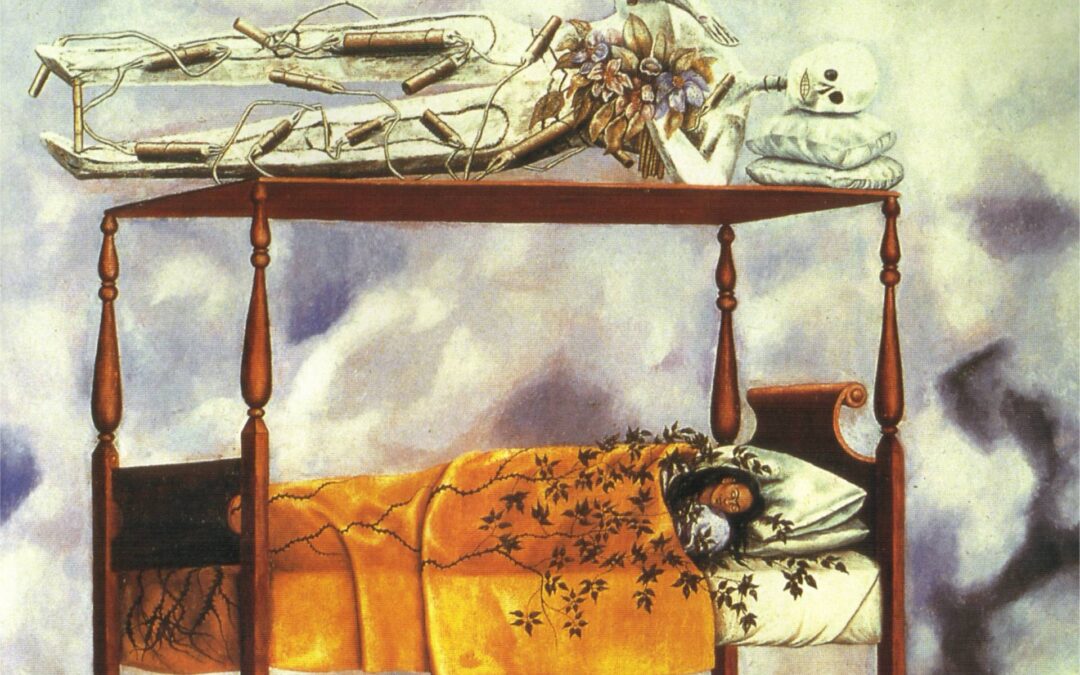
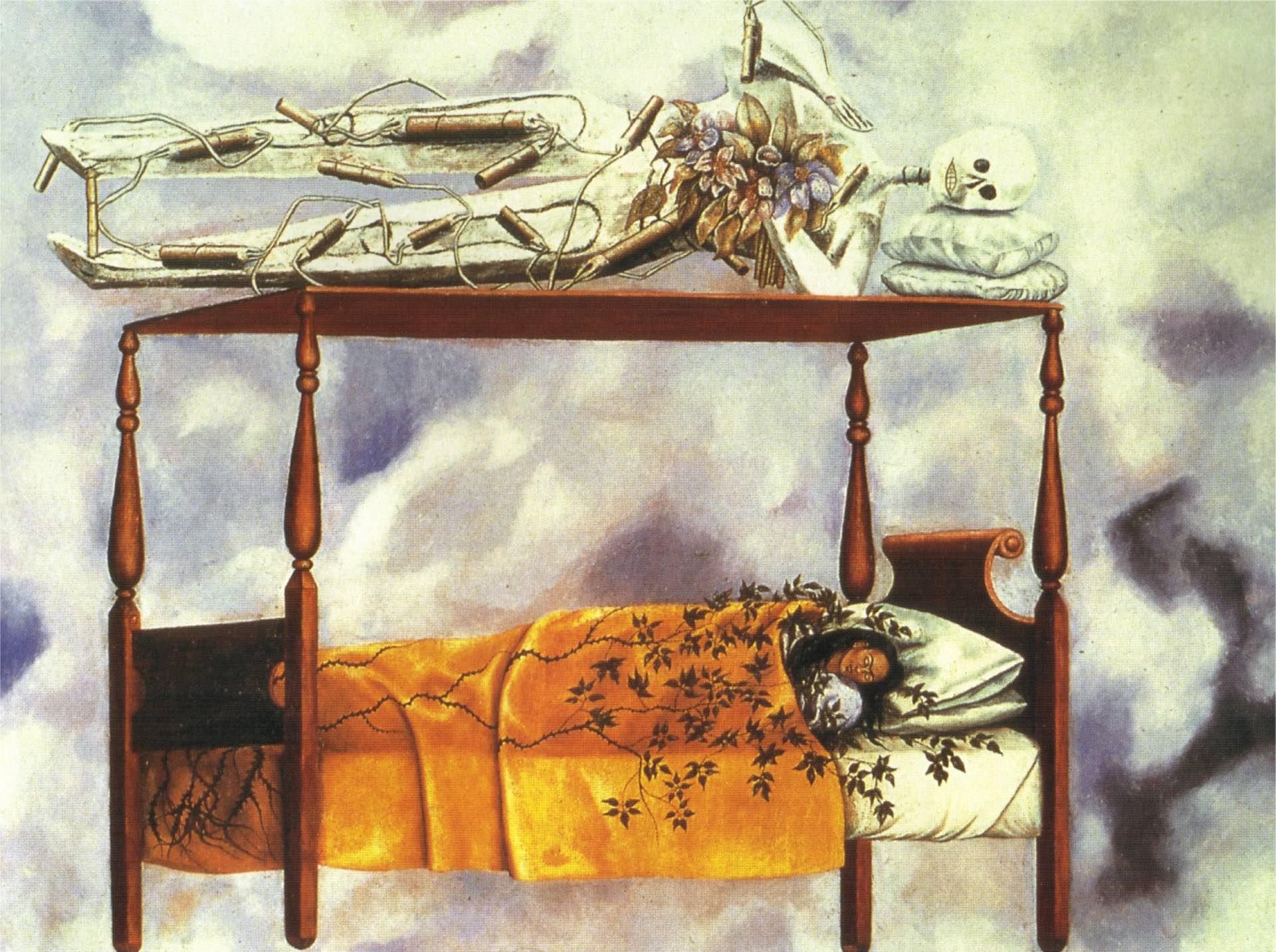
In 1940, Mexican artist Frida Kahlo painted El sueño (La cama)The Dream (The Bed).

When the painting sold through Sotheby’s in 1980, it brought $51,000.

In November 2025, the same painting returned to auction and sold for $54.66 million, establishing a record for Kahlo and Latin American art.

Think about 1980 for a moment.

Someone might have purchased a home for $50,000. An entrepreneur might have been growing a business worth little more than an idea, some equipment and a willingness to work.

Few could have imagined what some of those assets might eventually become.

A Kahlo masterpiece certainly shouldn’t be reduced to an investment calculation. Its cultural importance extends far beyond its auction price.

But its journey raises an interesting question:

How do we recognize value?

A home can have value.

A business can have value.

Art, ideas, brands, real estate and intellectual property can have value.

Ownership allows people to participate when that value grows.

Frida Kahlo | El Sueño (La Cama)The Dream (The Bed), 1940

Oil on canvas. Kahlo’s deeply personal work sold for $51,000 in 1980. In November 2025, it returned to auction at Sotheby’s New York and sold for $54.66 million — a remarkable journey in cultural and economic value that inspired a central question in our story: How do we recognize value?

Artwork image: WikiArt | Public domain

From Consumer to Owner

That brings us to two recent developments in Major League Baseball.

In August 2026, MLB owners unanimously approved the transfer of control of the San Diego Padres to an ownership group led by investors Kwanza Jones and José E. Feliciano. The transaction has been widely reported at a $3.9 billion valuation.

Feliciano, who was born in Puerto Rico, is co-founder and managing partner of Clearlake Capital Group. He and Jones, an investor, entrepreneur and executive, jointly lead the Padres ownership group.

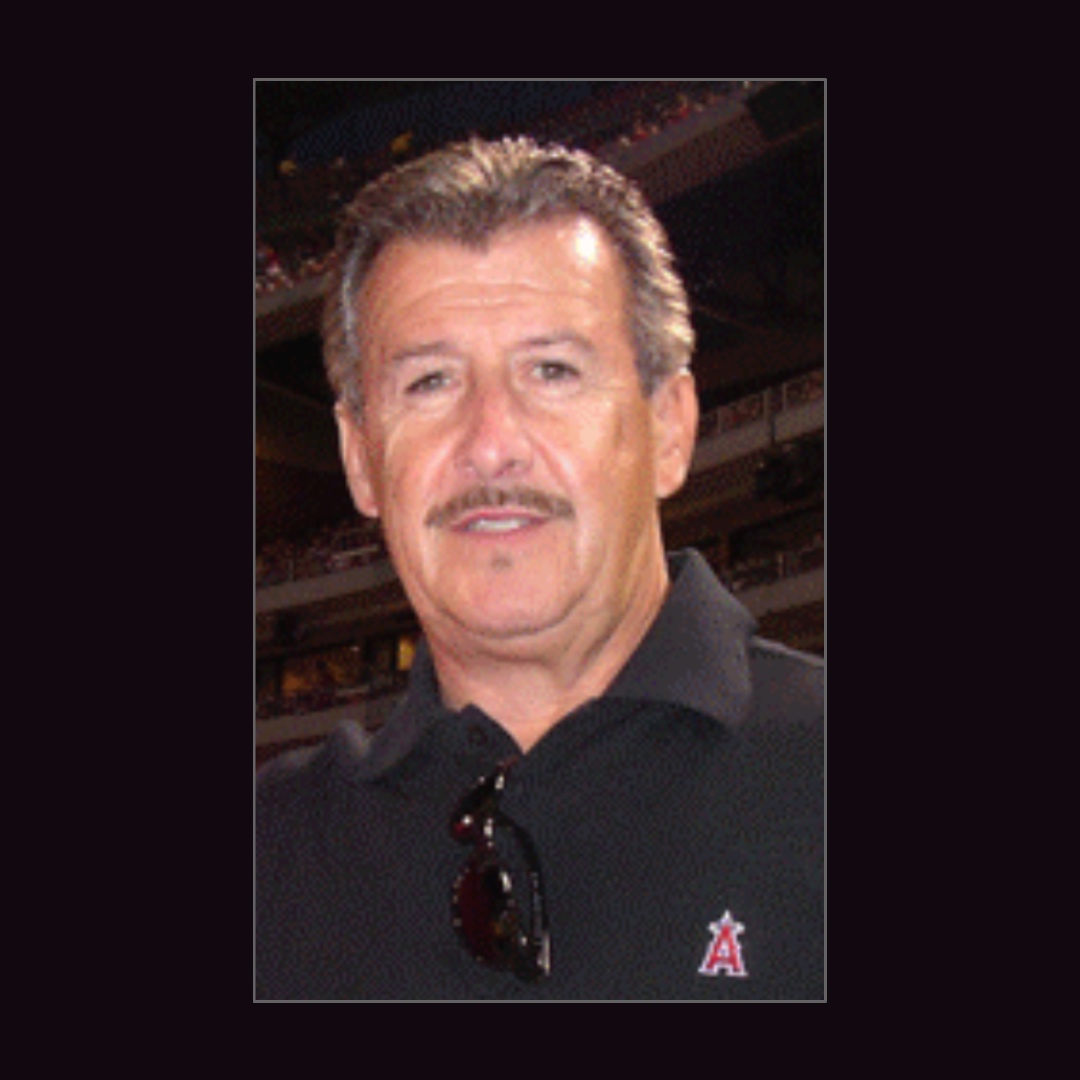
Then came news involving a businessman Hispanic Lifestyle has followed for more than two decades: Arte Moreno.

Moreno purchased the Angels from The Walt Disney Company in 2003 for approximately $184 million, becoming Major League Baseball’s first Latino controlling owner.

In September 2026, an agreement was announced to sell the Angels to Kroenke Sports & Entertainment. Published reports have valued the transaction at approximately $4 billion, although financial terms were not officially disclosed.

For us, the Moreno story carries a little history.

Hispanic Lifestyle was among the Hispanic media outlets that interviewed Moreno shortly after he became owner of the Angels. I remember meeting him at a Latino Business Association event.

My impression was that he wasn’t particularly comfortable with the spotlight.

What was unmistakable was the significance of the entrepreneur standing before us.

He was a businessman.
An owner.
A trailblazer.

More than two decades later, that distinction seems even more important.

More Than Purchasing Power

Moreno, Feliciano and Jones aren’t isolated examples.

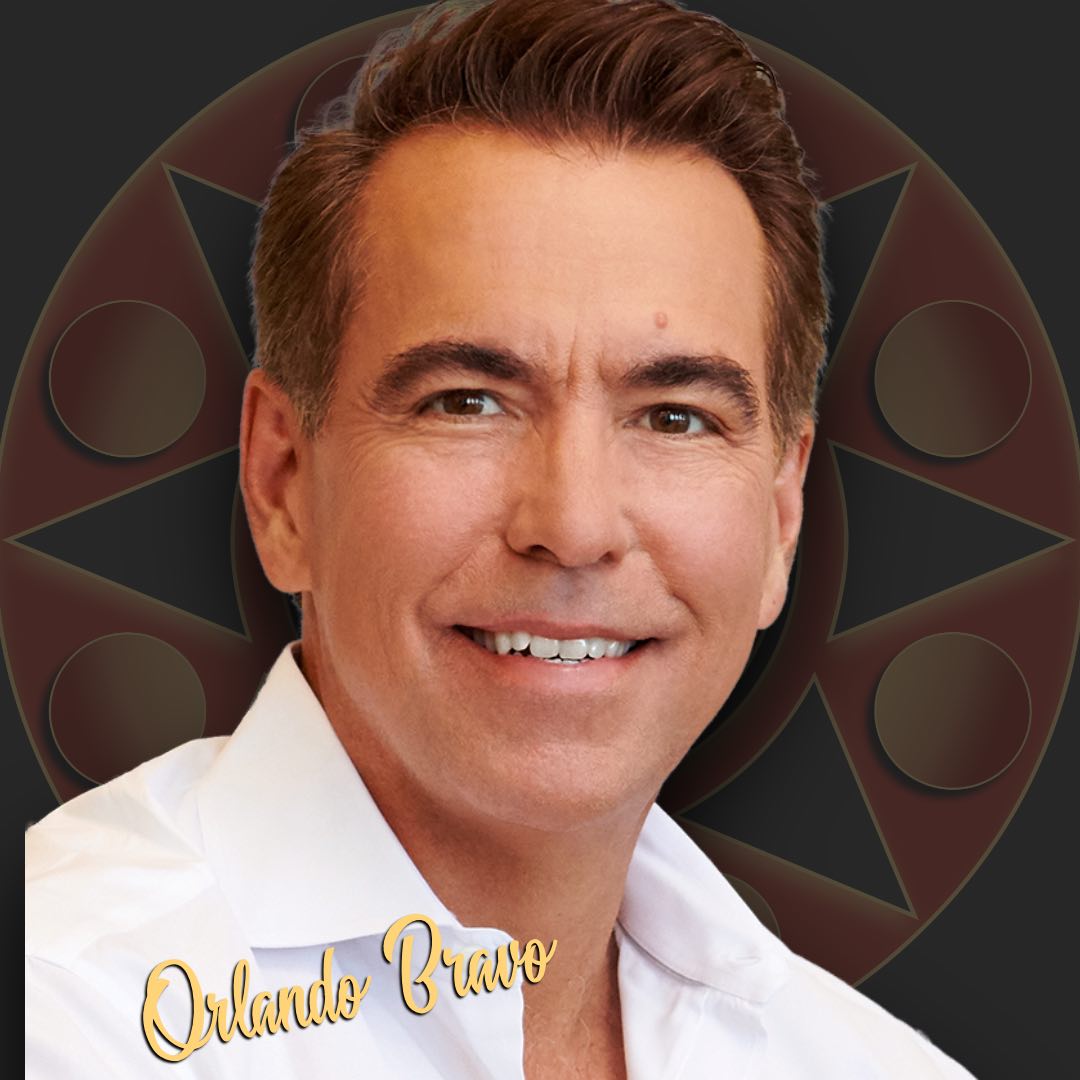
Puerto Rico-born Orlando Bravo, founder of Thoma Bravo, has become one of the most prominent Latino investors in private equity and technology.

These are extraordinary individuals operating at extraordinary financial levels. Their experiences don’t represent the typical Hispanic household.

But they encourage us to ask different questions.

For decades, businesses have wanted to know:

How many Latinos are there?
What do they buy?
How much do they spend?

Perhaps the next set of questions should include:

What are we building?
What are we investing in?
What do we own?
What will we eventually pass forward?


A Changing Economic Story

We can see pieces of that progression throughout our community.

Business owners are growing companies. Professionals are advancing in their careers. Families are buying homes. Entrepreneurs are investing. Executives are accumulating assets. Some are preparing businesses and property to eventually pass to the next generation.

The scale may be dramatically different from a $54 million painting or a multibillion-dollar baseball franchise.

The underlying idea is much more familiar.

Build something. Own something. Increase its value. Carry something forward.

There are still significant disparities in household wealth, homeownership and access to capital. A growing Latino economy does not mean every Latino family is prospering.

A Renaissance isn’t a declaration that the work is finished.

It is recognition that something is changing.

What Comes Next

This is a story we intend to continue exploring.

Over the coming months, HL Media Network, through HispanicLifestyle.com and HL | Culture & Influence, will talk with business owners, professionals, executives, investors, financial experts and families.

We want to better understand homeownership, entrepreneurship, investment, business succession and the transfer of assets and knowledge between generations.

We will ask questions.
We will listen.
We will discover, document and share what we learn.

For decades, America learned to measure the Hispanic market by what it consumed.

Perhaps the more interesting question now is: What will it own?

Welcome to The Renaissance of the U.S. Hispanic Consumer.

The Numbers Behind the Renaissance

2026 U.S. Latino GDP Report
Research measuring the economic output and growth of the U.S. Latino economy.

State of Latino Entrepreneurship
Stanford research examining Latino-owned businesses, entrepreneurship, business growth and access to capital.

Survey of Consumer Finances
Federal Reserve research providing context about household assets, liabilities and wealth.

Latino Wealth Research
Research examining household wealth, economic mobility and barriers to asset building.

EDITOR NOTES 

For more than 30 years, our work has centered on discovering, documenting and sharing the stories of Latino business owners, professionals, executives, entrepreneurs and community leaders.

That work began with Hispanic Lifestyle and continues today across the platforms of HL Media Network.

The reports referenced in this article help us understand the scale of the economic changes taking place. But there is something the numbers don’t always tell us:

Who are the people behind them?

That’s what interests us.

There are thousands of business owners, professionals, executives, investors and families whose individual stories rarely appear in economic reports.

Over the coming months, we intend to find some of them.

We will travel, attend conferences, have conversations and ask questions particularly the questions people may not know they need to ask.

The numbers can help us recognize that something significant is happening.

The people will help us understand what it means.


Summer Vacation 2026

Summer Vacation 2026

ISSUE 02 | August 2026

SUMMER VACATION

Message from Richard Sandoval

Looking Back. Looking Around. Looking Forward.

ne of the things I have always enjoyed about what we do is that you never quite know where the next story will take us.

 In this edition of HL | Culture & Influence, we recognize the career and contributions of Patricia Pérez as she begins her next chapter. We travel to Los Cabos, not looking for a story, but discovering one during a summer family vacation. We consider what happens to our communities when familiar local voices suddenly go silent. We reach into the Hispanic Lifestyle archives to revisit Halloween memories from Disneyland that, more than a decade later, continue to find a new audience.

Leadership. Travel. Media. Culture. Memories.

On the surface, they may seem like very different stories. I believe that is precisely the point.

This edition gives us an opportunity to look back at the people and moments worth remembering, look around at the places and changes shaping our experiences today, and look forward to the stories still waiting to be discovered.

For more than 30 years, Hispanic Lifestyle has been about discovering, documenting and sharing the people, places, organizations and experiences that define our communities. Culture & Influence brings those stories together some new, some rediscovered, and all worth sharing.

We invite you to settle in and enjoy the stories.

Richard Sandoval
Publisher
HL | Culture & Influence – HL | Media Network

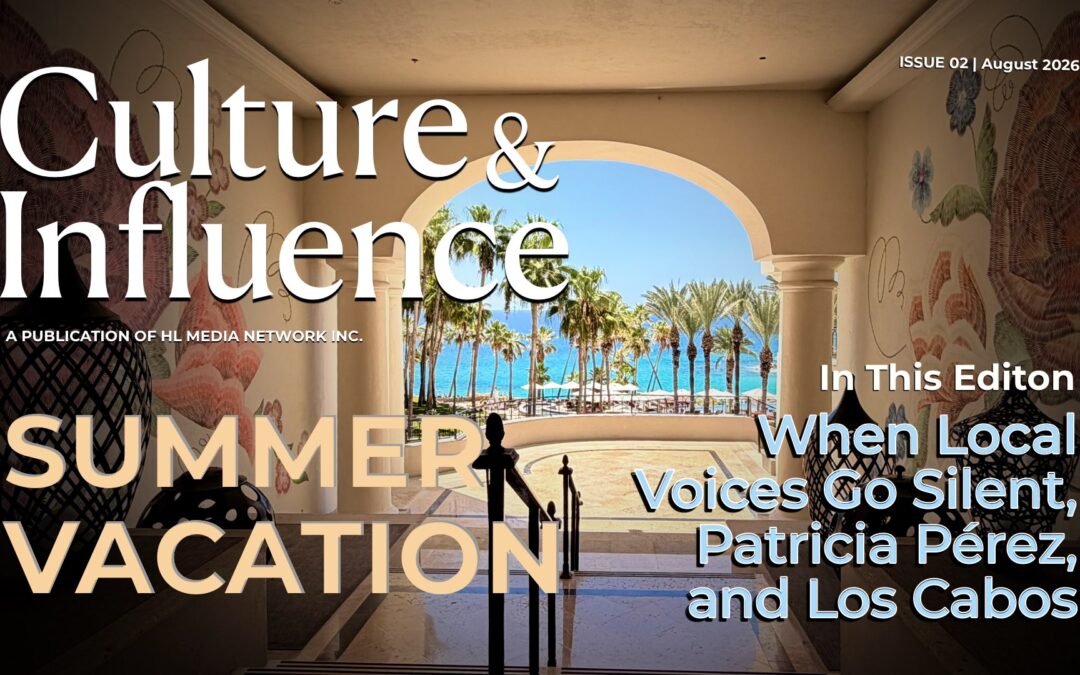
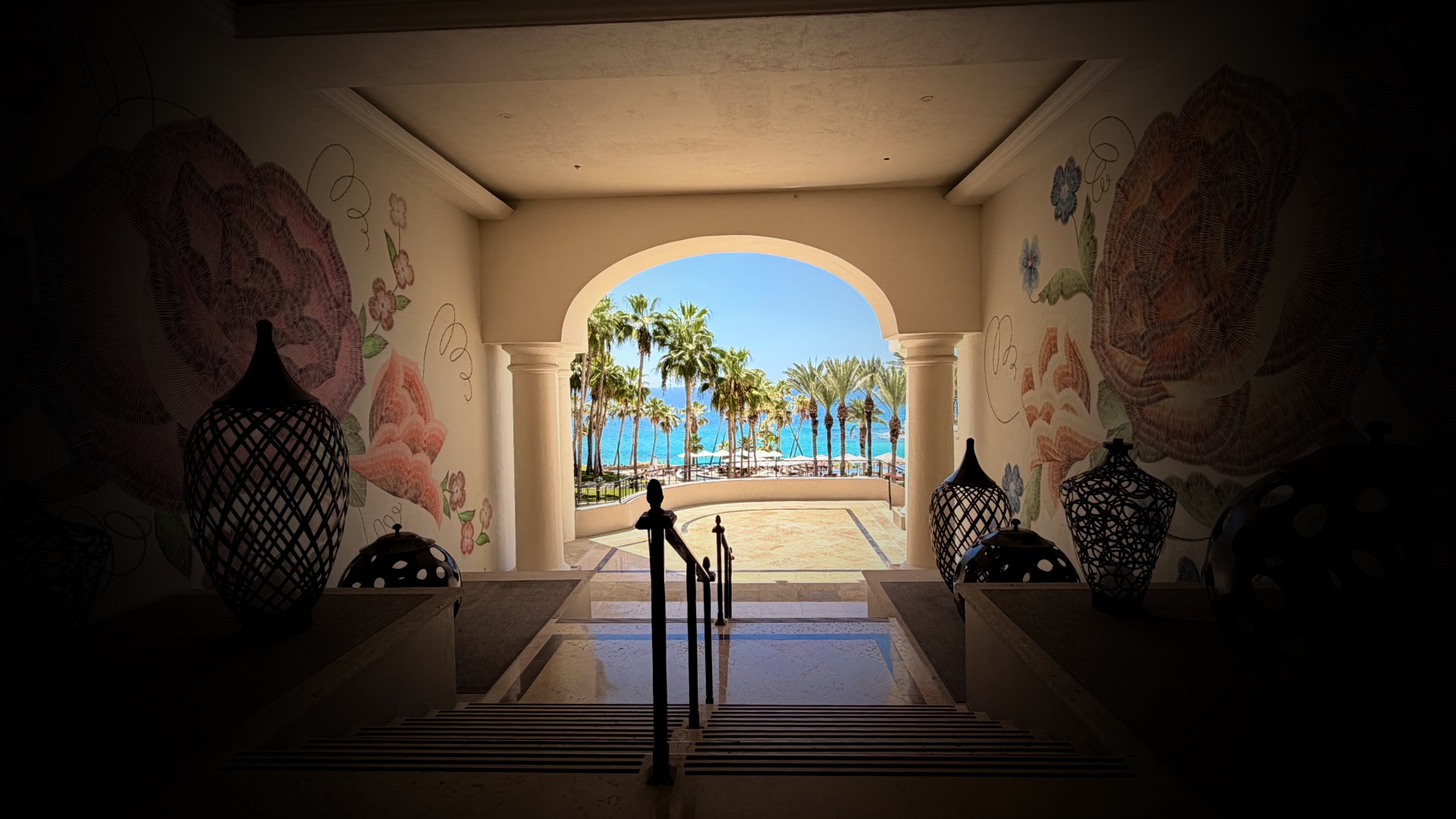
About the Cover Photograph

Los Cabos, Mexico
Photographed by Richard Sandoval | August 2026

While walking through Hilton Los Cabos, I noticed several hallways and passageways that opened to magnificent views of the property and the landscape beyond. It was not lost on me what the architects and designers were trying to accomplish. The architecture seemed to intentionally frame each view, allowing the artwork, furnishings, natural light and surrounding landscape to complement one another.

These are carefully designed commercial spaces, yet nothing felt accidental. Everything seemed to work together. This photograph captured one of those moments when architecture, art and the natural beauty of Los Cabos became part of the same composition.

FEATURED ARTICLES

COMMUNITY
When Local Voices Go Silent

FROM OUR ARCHIVES
Disneyland Halloween 2009

THE WAY WE TRAVEL
Los Cabos

SPOTLIGHT
Westchester County, NY

PATRICIA PÉREZ
Setting the Standard

SPOTLIGHT
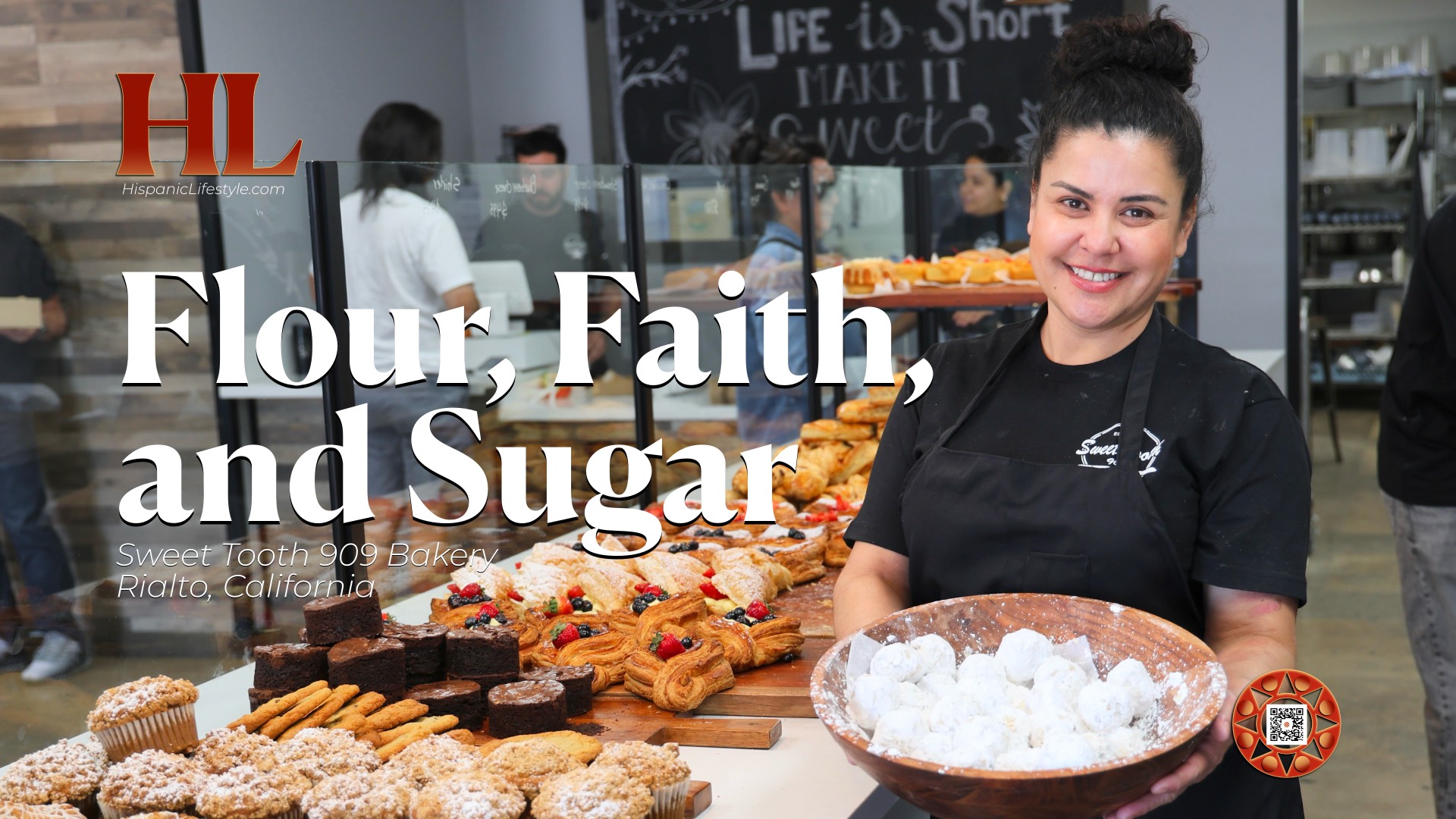
Flour, Faith and Sugar