Daniela Mounger | Building a Better Way to Send Money Home

Daniela Mounger | Building a Better Way to Send Money Home

HL INSIGHTS

Daniela Mounger | Building a Better Way to Send Money Home

For Wells Fargo executive Daniela Mounger, the modernization of ExpressSend® is both a business initiative and something deeply personal.

Photos and article by
Richard Sandoval

or Daniela Mounger, sending money across borders is not simply part of her job.  It is part of her life.

Born and raised in Monterrey, Mexico, Mounger moved to the United States 14 years ago. Her parents and much of her family remain in Mexico, and she understands firsthand what it means to stay connected across borders.

She sends money home for birthdays, Mother’s Day, everyday needs and moments when family needs support.

Today, she also leads the Wells Fargo business responsible for helping customers do the same.

Mounger is senior vice president and head of Global Remittance Services within Wells Fargo Consumer Banking and Lending, where she leads the strategy, transformation and growth of ExpressSend®, the company’s cross-border remittance product, along with its consumer foreign-currency solutions.

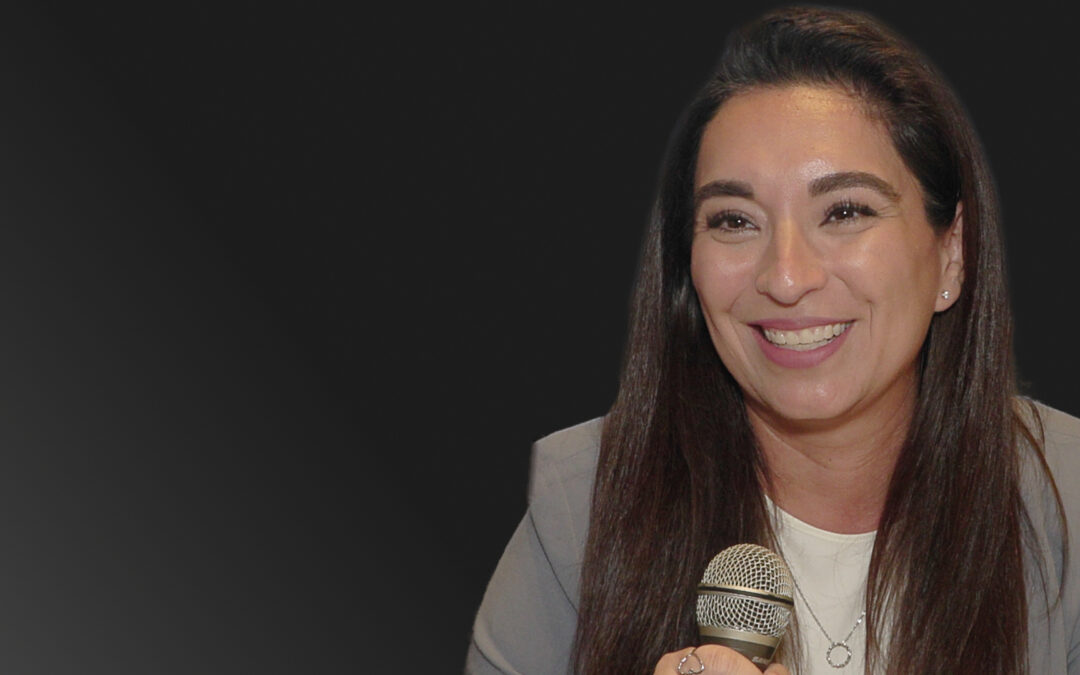
Hispanic Lifestyle spoke with Mounger during AVANCE Global in Las Vegas about the evolution of ExpressSend, the changing expectations of customers and why the work carries such personal meaning for her.

Listening to the customer

ExpressSend has been around for more than a decade, but the way customers use it has changed significantly.

For years, customers were often directed to Wells Fargo branches to manage aspects of the international money-transfer process.

Mounger said customers were asking for something easier.

“We listened to them,” she said. “They asked us to innovate. They asked us to have a convenient way to send money from their mobile apps.”

That feedback helped drive the modernization of ExpressSend and its nationwide launch within the Wells Fargo Mobile® app.

The mobile experience allows customers to add and manage recipients, track transfers and receive alerts directly through the app. Wells Fargo says ExpressSend currently supports transfers to 12 countries.

For Mounger, the convenience is important because it reflects the way people live now.

“All of us are attached to our mobile phones,  nuestros celulares,” she said.

The ability to send money from a phone can matter in ordinary moments as much as emergencies.

Someone may be thinking about a parent, an aunt or another family member back home. A birthday may be coming up. A relative may need help.

“You just pull out your phone,” Mounger said.

More than a product

What makes Mounger’s connection to ExpressSend different is that she is not only leading the product.

She uses it.

“I’m Mexican, born and raised in Monterrey, Mexico, and my parents are still there. My family is still there,” she told HL Media Network.

She uses the service to send money to her parents and family members for occasions that are both important and routine.

“I use it to send money to my parents when they need it,” she said. “I use it for Mother’s Day, my mom’s birthday, my dad’s birthday and anything that is really needed for day-to-day lives.”

That personal experience gives Mounger a direct understanding of the customers the product is designed to serve.

“For me specifically, this was a very important product because not only do I lead it, I also use it,” she said.

She also understands the emotional side of sending money internationally.

For families separated by borders, the transaction can represent much more than the amount being transferred. It can be a way of caring for parents, helping relatives through difficult moments or remaining connected to the people and places left behind.

Mounger described the service as one way of creating a bridge between customers and their families.

Security and trust

Convenience is only part of the equation.

Mounger also emphasized the importance of trust and security when sending money internationally.

She acknowledged that sending money abroad can sometimes create anxiety, especially when customers are moving money they worked hard to earn.

Wells Fargo says ExpressSend uses encrypted sessions and security features already built into the Wells Fargo Mobile app to help protect customer account information.

Mounger also offered several reminders for consumers.

Know who you are sending money to. Carefully review recipient names, account information and other details before completing a transfer. Never share banking usernames or passwords with another person.

Once money is sent, she noted, correcting an error can be difficult.

Her point was straightforward: technology can make sending money easier, but customers still have an important role in protecting themselves.

A career connected to immigrant communities

Mounger’s path to leading Wells Fargo’s remittance business reflects years of experience in payments and financial services.

She has more than 15 years of experience in payments and product management, including work leading complex business transformations and customer-focused product development.

Before joining Wells Fargo, Mounger worked at Welcome Tech, where she focused on payments and financial services for immigrant communities.

She earned a bachelor’s degree in accounting and finance from Tecnológico de Monterrey in Mexico and a Master of Public Administration from the University of Texas at San Antonio.

When asked about the experiences that helped shape her career, Mounger pointed to two things: hard work and networking.

“Those are the most important things,” she said.

She also spoke about perseverance and the importance of continuing to work toward opportunities.

That journey eventually brought her to a role where her professional responsibilities intersect closely with her own experience.

“I have the blessing of ending up here with this product that is so close to my heart,” she said.

For Mounger, that connection comes from understanding people who, like her, built lives in the United States while maintaining close ties to family elsewhere.

“My entire family is in Mexico,” she said. “How do we help them? How do we provide solutions for all of us to help our parents, our families that are out there?”

Innovation with a purpose

Wells Fargo launched ExpressSend Mobile nationwide in 2026, bringing the service directly into its mobile banking platform.

The company says customers can send money to bank accounts or eligible cash pickup locations, track transfers, manage recipients and receive alerts through the app.

For Mounger, however, the technology itself is only one part of the story.

The larger goal is giving customers a secure and convenient way to support people they care about.

For someone who has lived that experience personally, the work carries a different kind of meaning.

She is not simply helping modernize a financial product.

She is helping make it easier for people to send something home.

EDITOR NOTES 

We  spoke with Daniela Mounger during AVANCE Global in Las Vegas, where HL Media Network was conducting a series of conversations with business, financial services and real estate leaders.

Mounger discussed the nationwide mobile launch of Wells Fargo ExpressSend®, the evolution of the service and her personal connection to helping families send money across borders.

Product details referenced in this article were supplemented by information provided by Wells Fargo regarding the 2026 nationwide launch of ExpressSend Mobile.

The interview has been edited for clarity and length.
 

A Changing Economic Story

A Changing Economic Story

ISSUE 03 | September 2026

A CHANGING ECONOMIC STORY

Message from Richard Sandoval

Culture shapes what we value, how we live, and where we go next. In this edition of Culture & Influence, we explore that connection through stories of economic influence, personal adaptation, and distinctive experiences.

The Renaissance of the U.S. Hispanic Consumer opens a conversation about a market whose influence continues to evolve. Our New York spotlight brings together 500 Feet From Times Square and A $65 Million View of Manhattan, offering two perspectives on one of the world’s most compelling cities.

In Lucy Wu | Adapting to What’s Next, the focus turns to navigating change, while Milos | Experience the Unexpected invites us to approach discovery with an open mind.

Together, these stories reflect the curiosity behind Culture & Influence: an interest in the people, places, and ideas shaping our lives and the possibilities they reveal.

Thank you for joining us.

Richard Sandoval
Publisher
HL | Culture & Influence – HL | Media Network

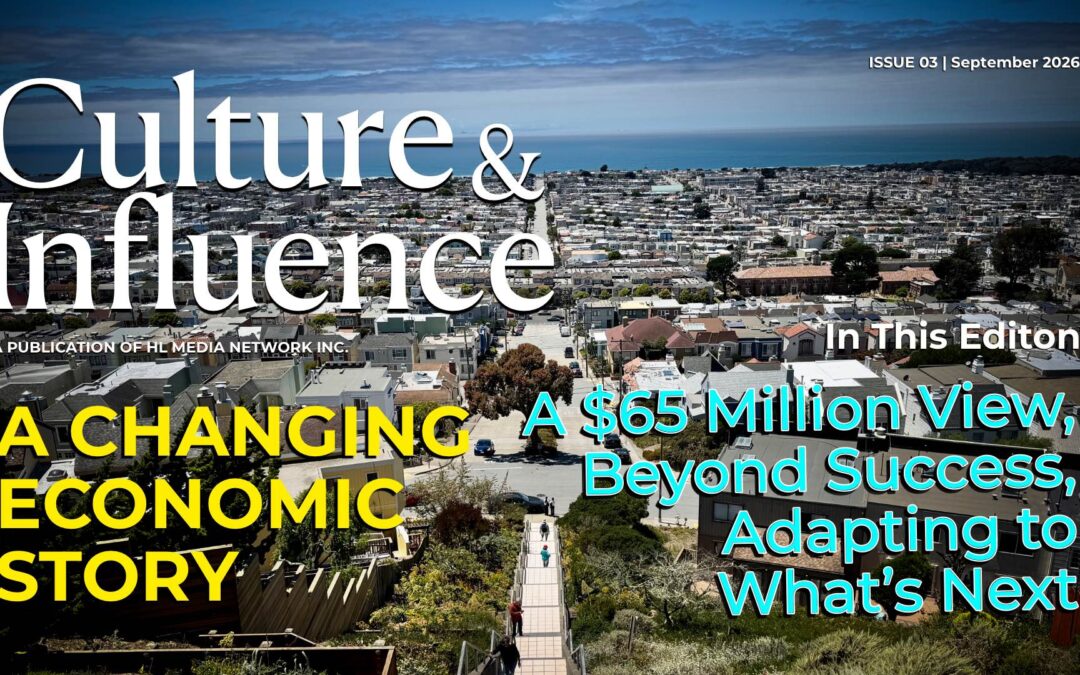
About the Cover Photograph

 16th Avenue Tiled Steps
Located on Moraga St. between 15th & 16th Ave.
San Francisco CA USA  
Photographed by Richard Sandoval | June  2026

Art and community come together at San Francisco’s 16th Avenue Tiled Steps, where 163 mosaic-covered steps trace a vibrant journey from the sea to the stars. Designed by artists Aileen Barr and Colette Crutcher, this Golden Gate Heights landmark celebrates the beauty neighbors can create together.

FEATURED ARTICLES

ON THE MENU
Milos | Experience the Unexpected

THE WAY WE TRAVEL
500 Feet From Times Square

SPOTLIGHT
Lucy Wu | Adapting to What’s Next

INSIGHTS
Becoming Part of the Conversation

The Renaissance of the U.S. Hispanic Consumer

REAL ESTATE
A $65 Million View of Manhattan

500 Feet From Times Square

500 Feet From Times Square

HL | THE WAY WE TRAVEL • NEW YORK

500 Feet From Times Square

For a solo business trip to Manhattan, I discovered that sometimes a smaller hotel room and a great location are exactly what I need.

Photos and article by
Richard Sandoval

he way I choose a hotel changes depending on how I am traveling.
When I travel with my family, space matters. Comfort matters. The property itself can become part of the experience.

When I am traveling alone for business, my priorities are different. Give me somewhere clean, comfortable, fairly priced and close to where I need to be.

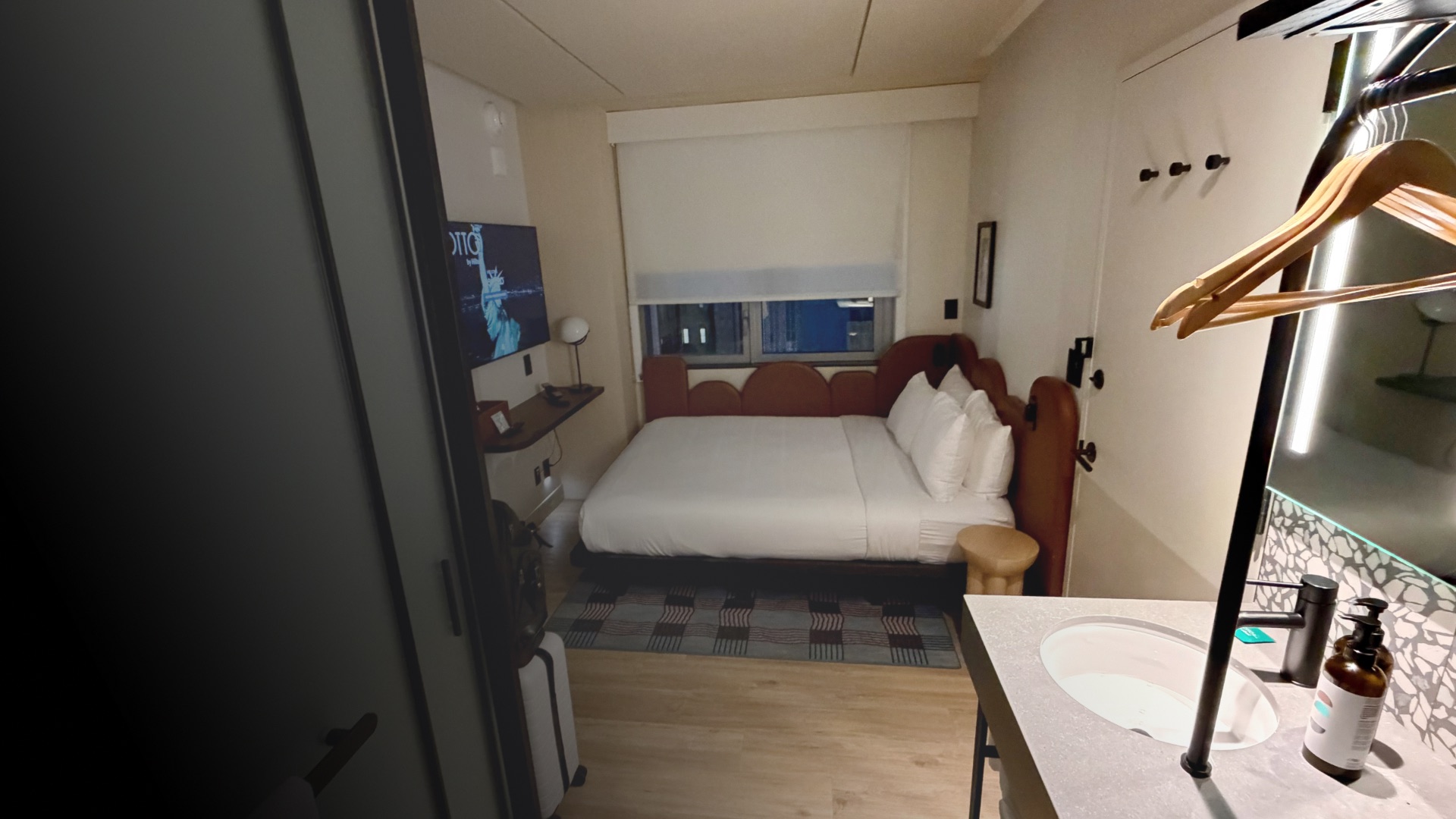
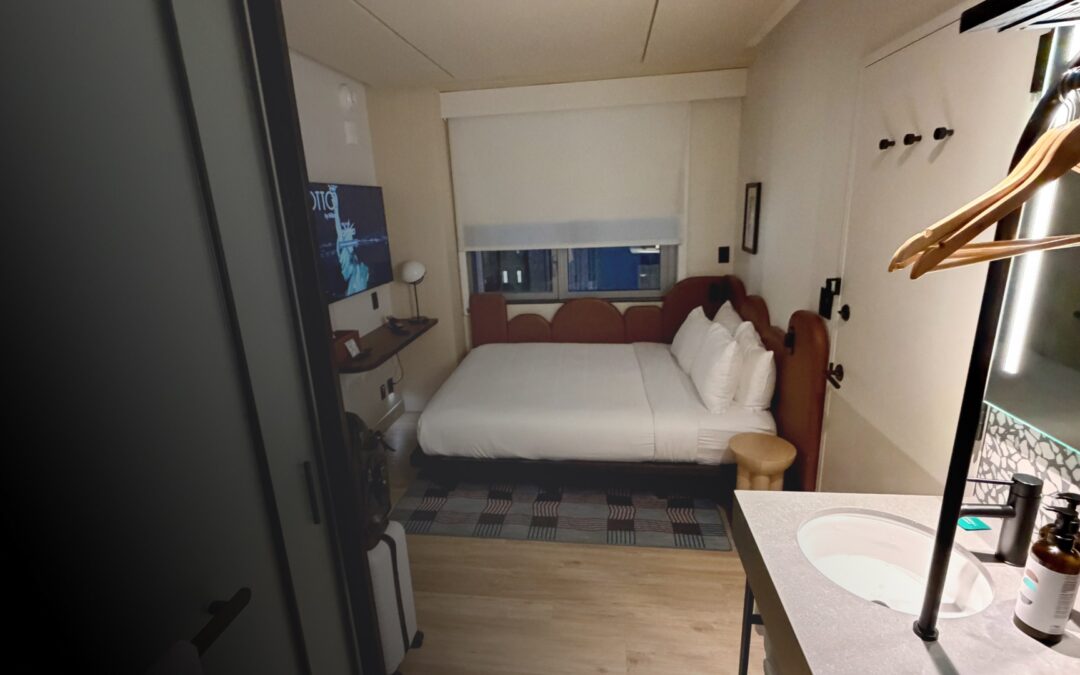
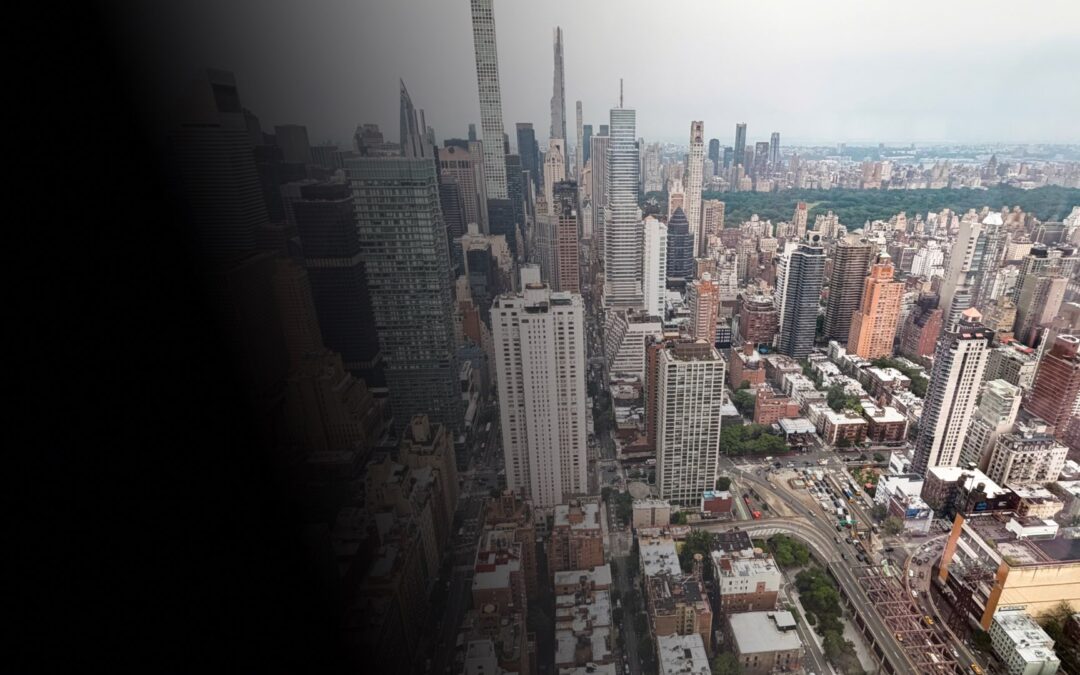
During my latest Manhattan visit, that led me to Motto by Hilton, roughly 500 feet from Times Square.

The room?

I’m going to call it a micro room.

It was compact. Very compact. But it had everything I needed.

The property was clean and comfortable, and the location made it particularly useful for the way I like to experience Manhattan.

I walk

Whenever possible, I would rather leave the hotel and experience the city on foot. Walking gives me an opportunity to understand the neighborhoods, notice businesses, photograph street scenes and experience some of the energy that makes Manhattan fascinating.

From Motto, I could step outside and immediately be in the middle of it. Times Square was only moments away. Restaurants, businesses, people and transportation were all around me.

I wasn’t paying for a large room I wasn’t going to use. I was paying for access to Manhattan.

That distinction matters.

Would I necessarily choose the same room for a family vacation? Probably not. For a solo business trip where much of my day would be spent walking, meeting people, attending events and experiencing the city?

Absolutely. Sometimes luxury is having more space. Sometimes it is walking out the front door and being exactly where you want to be.

HL | PHOTO JOURNAL

500 Feet From Times Square

500 Feet From Times Square

EDITOR NOTES 

The Way We Travel looks at destinations through our own experiences rather than simply telling readers where to go. This story is part of HL | New York – People. Places. Conversations., connecting travel with the people, places and conversations we encounter along the way.

CONTINUE EXPLORING: Going With the Flow at MilosA $65 Million View of Manhattan Becoming More Than a Visitor

A $65 Million View of Manhattan

A $65 Million View of Manhattan

HL | NEW YORK • REAL ESTATE

A $65 Million View of Manhattan

A remarkable residence, an extraordinary view and an opportunity to see Manhattan luxury real estate through the eyes of Lucy Wu.

Photos and article by
Richard Sandoval

here are moments when photographs tell the story better than words.

Walking out of the elevator into a Manhattan residence valued at approximately $65 million was one of them.

There seemed to be another reason to say “wow” everywhere I looked.

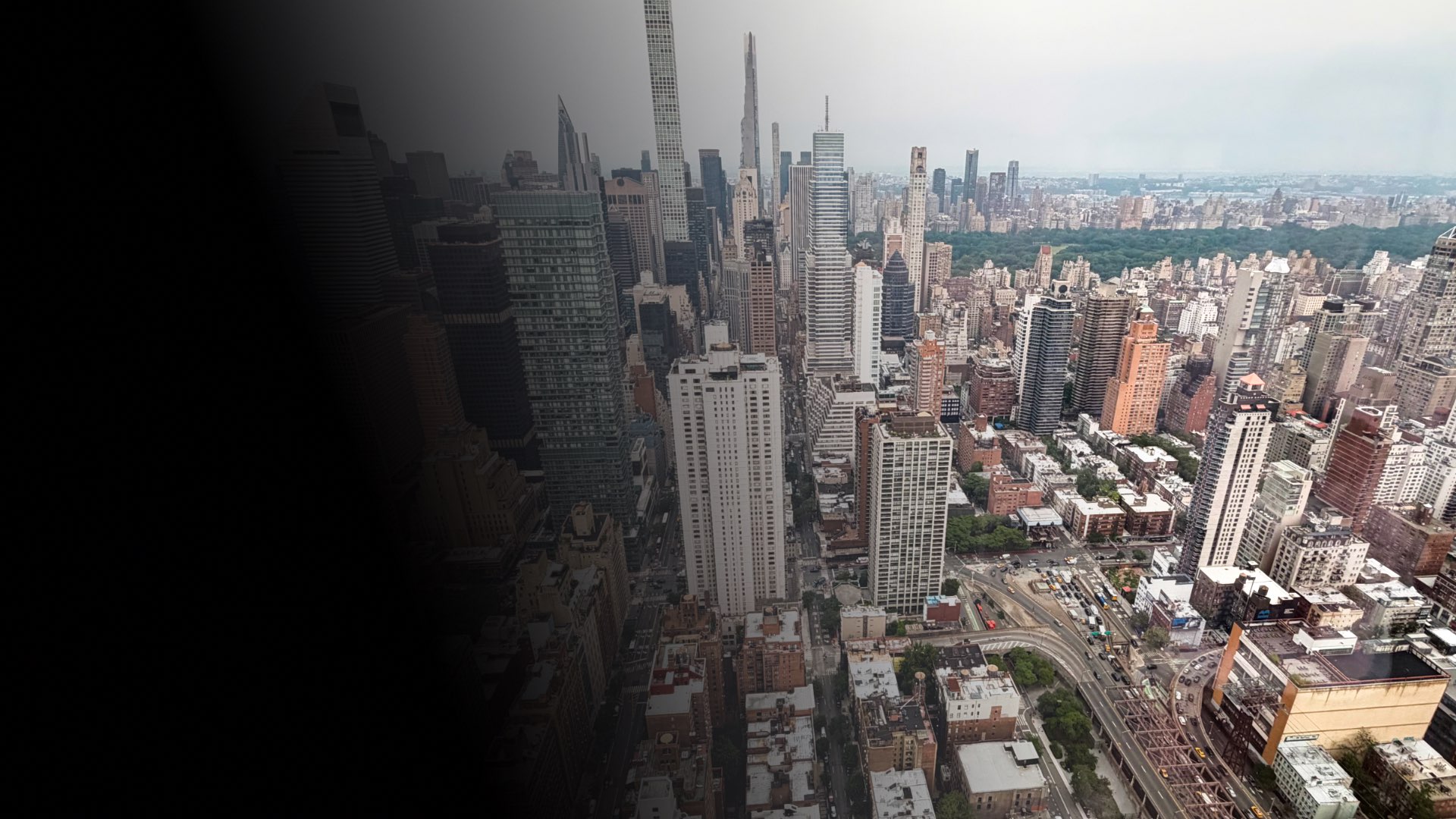
The residence offered extraordinary views in virtually every direction. Manhattan stretched out before us, with Central Park and the surrounding skyline becoming part of the interior experience.

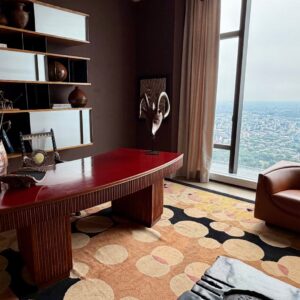
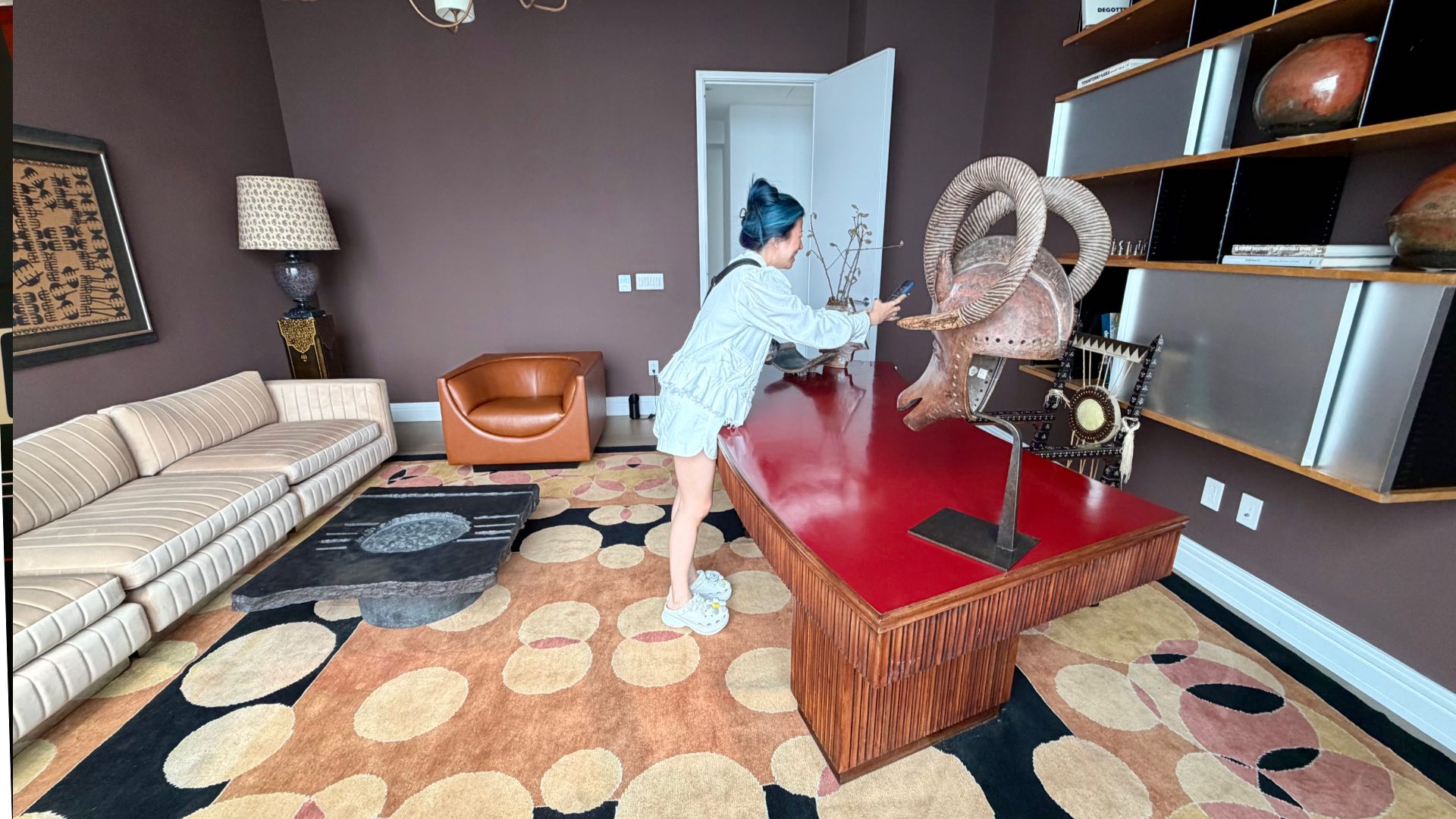
An office with a view

I have photographed some remarkable places over the years. This one was different.

Part of what made the experience interesting was seeing the property with Lucy Wu.

Lucy works in New York luxury real estate, and she was completely in her element as we walked through the residence. She shared insights about the property, the surrounding market and the realities of representing real estate at this level.

The experience was not simply about seeing an expensive home. It was an opportunity to better understand another part of Manhattan.

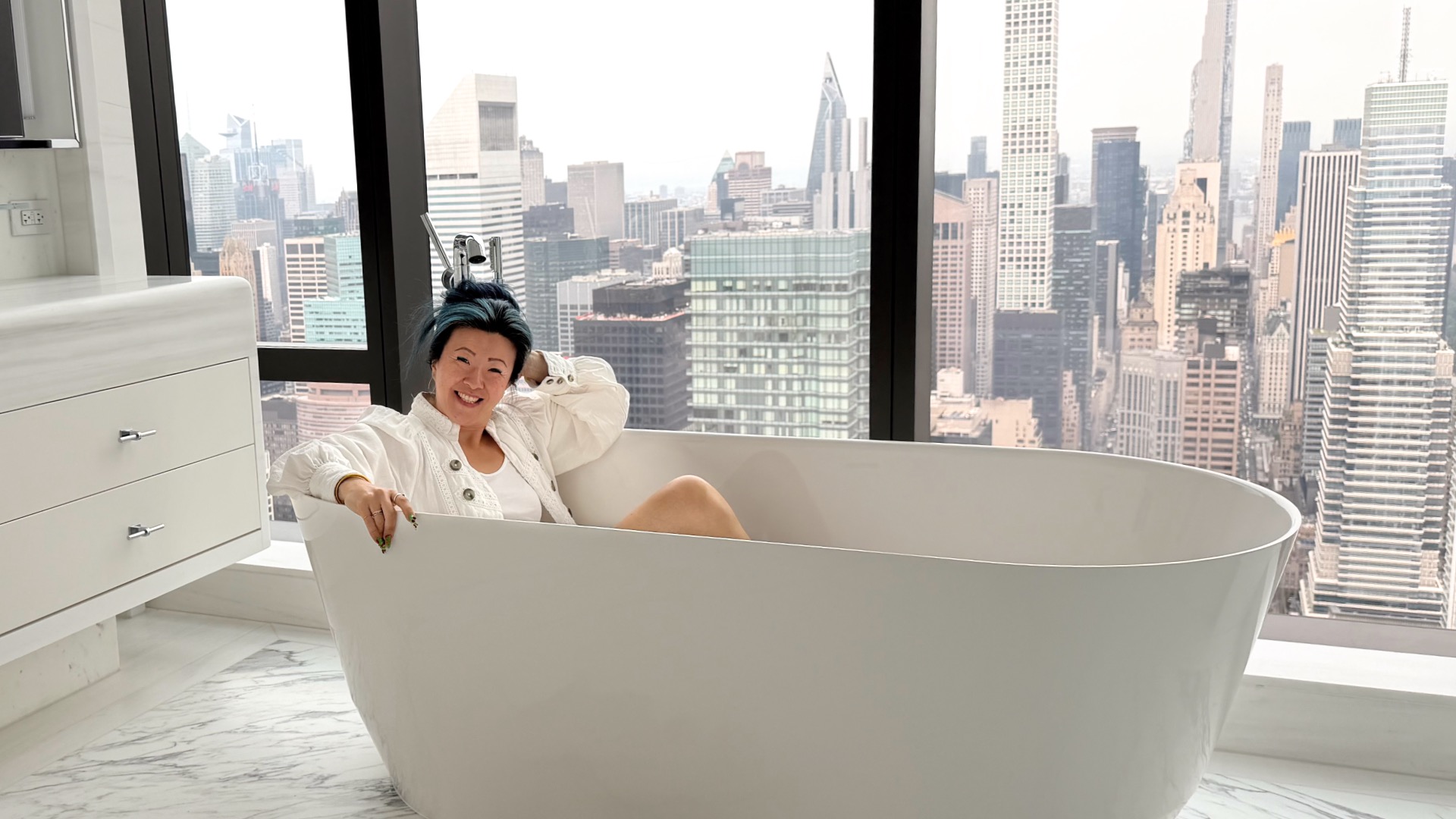
One of my favorite photographs from the visit captures Lucy alongside a bathtub positioned against an expansive view of Central Park and Manhattan.

Yes, even the bathtub had a remarkable view.

Our exploration continued with a look at a new development along Billionaires’ Row.

These are properties most people will never purchase and many will never enter.

But they tell a story.

They reflect architecture, investment, wealth, development and the continuing evolution of one of the world’s most closely watched real estate markets.

The $65 million price tag certainly gets your attention. The view gets it too.

Having someone knowledgeable enough to provide context gave me something considerably more valuable: a different perspective on Manhattan.

HL | PHOTO JOURNAL

A $65 Million View of Manhattan | A tower off of Sutton Place

A $65 Million View of Manhattan

EDITOR NOTES 

This story is part of HL | New York – People. Places. Conversations., a continuing collection exploring New York through the people, places and experiences we encounter. Our look inside Manhattan luxury real estate was one stop during a day with Lucy Wu that also included food, business and conversations about what’s next.

CONTINUE EXPLORING: Lucy Wu | Adapting to What’s NextGoing With the Flow at MilosBecoming More Than a Visitor

Lucy Wu | Adapting to What’s Next

Lucy Wu | Adapting to What’s Next

THE OF BUSINESS OF SURVIVING TO THRIVE

Lucy Wu | Adapting to What’s Next

From her family’s restaurant businesses to fashion and New York real estate, Lucy Wu’s story reflects an ability to recognize opportunity, adapt to changing circumstances and keep moving forward.

Photos and article by
Richard Sandoval

ometimes you meet someone through a colleague and quickly understand why the introduction was made.
That was the case with Lucy Wu.

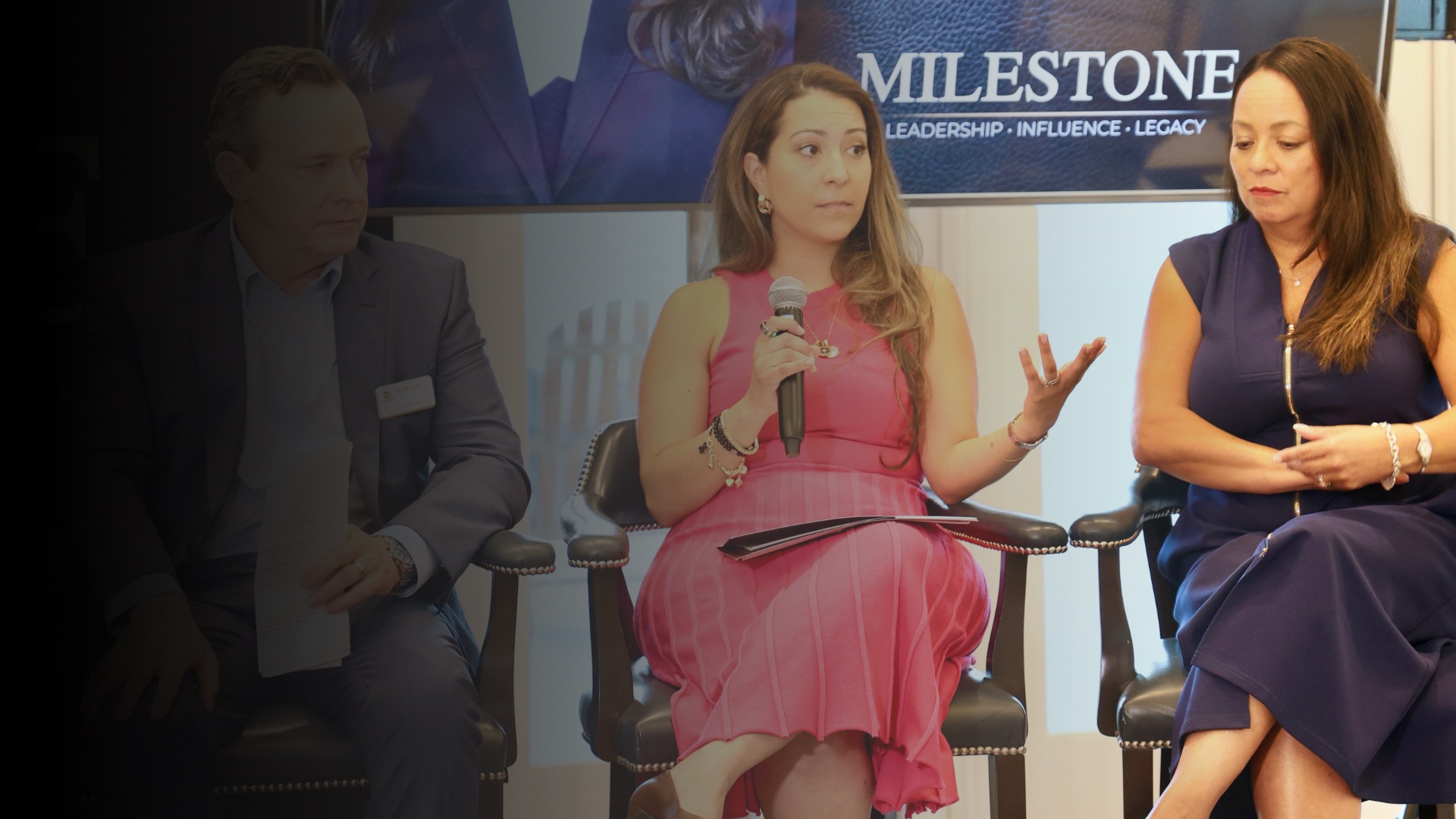
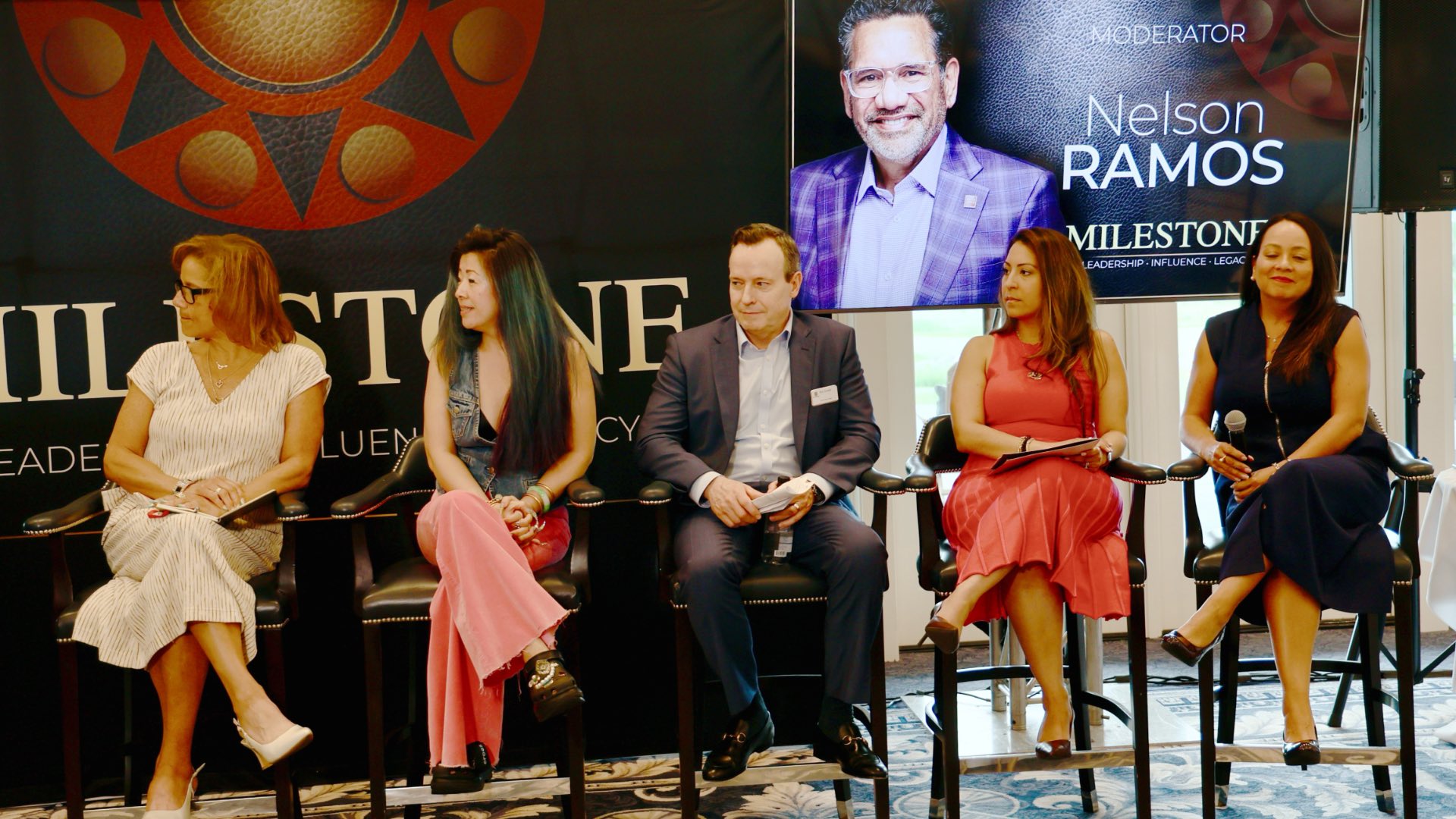
Our colleague Nelson Ramos of Wells Fargo introduced us ahead of our HL | Milestone Series – New York event at Bally’s Golf Links at Ferry Point, where Lucy participated as a panelist.

Nelson thought highly of her insights, ambition and personality. It did not take long for me to understand why.

Lucy has a way of making people feel as though they have known her for years. As our conversations continued following Milestone New York, I became interested in something beyond her professional accomplishments.

Where did that entrepreneurial spirit and ability to adapt come from?

An American Dream Takes Shape

Lucy’s answer begins with her family’s journey to America.

Her father arrived in New York in 1980 without speaking English. His first jobs included working as a delivery boy and dishwasher at a Chinese restaurant.

He eventually moved into Japanese restaurants and worked his way up to assistant chef. Along the way, he recognized opportunities that might eventually allow him to build something of his own.

“He always knew he wanted to own a business; that was his American dream,” Lucy shared.

While learning the restaurant business, he quietly collected vendor information from business cards and newspaper clippings, preparing for an opportunity he hoped would eventually come.

Lucy and her mother joined him in 1983. Her mother, who had taught British English in China, handled the front of the house and accounting while her father managed the kitchen and operations.

Together with family members, they opened their first restaurant in Cobble Hill, Brooklyn, in 1986, followed by another in Park Slope around 1989.

According to Lucy’s family account, they later took over Fuji, a long-established Japanese restaurant that brought the family and eventually Lucy to Hell’s Kitchen.

Lucy Wu | In Her New York Element

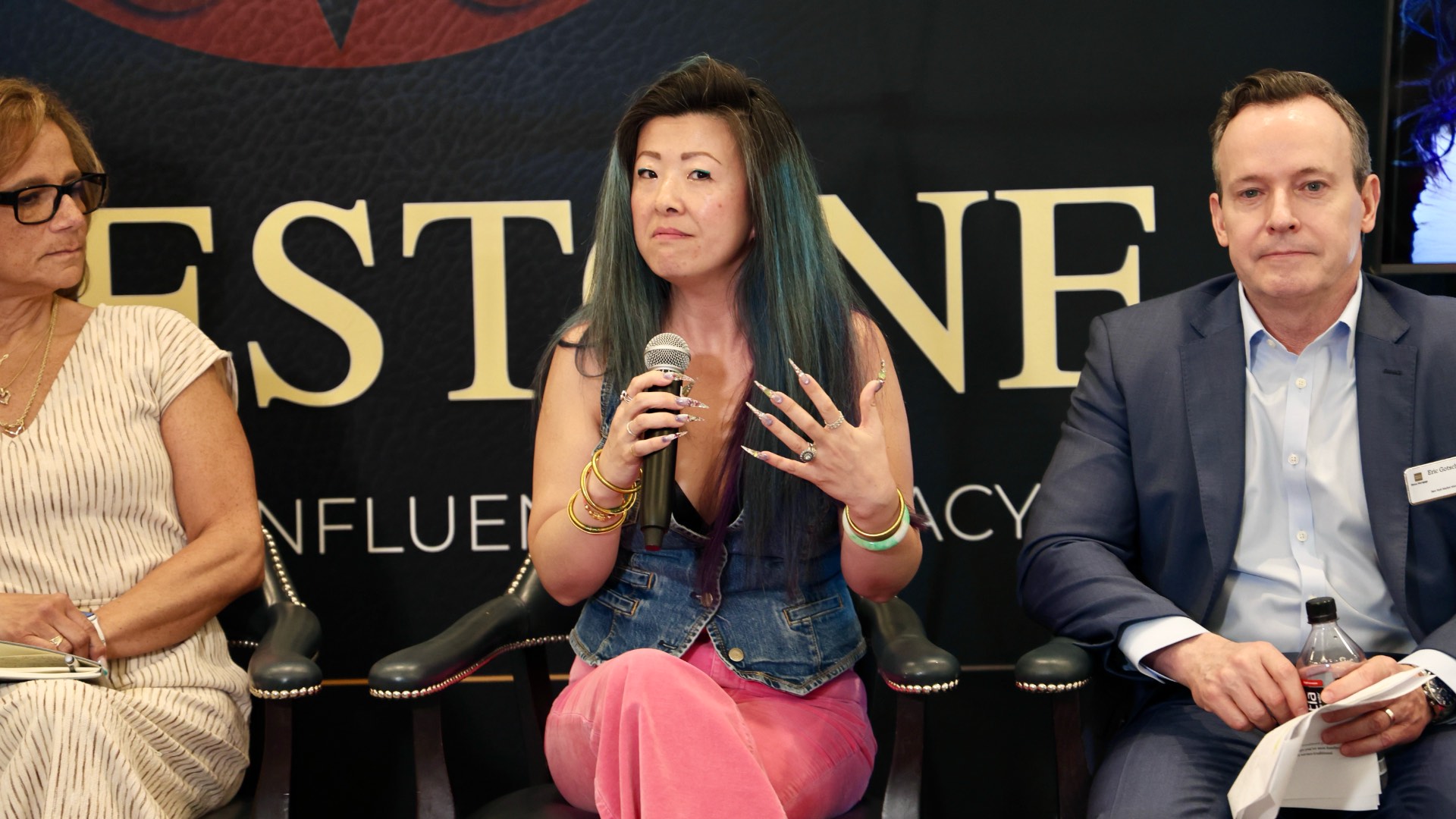
Lucy was a featured a panelist at our Milestone | New York Event

From Restaurants to Real Estate

The restaurant business also introduced Lucy’s father to another opportunity: real estate.

“He didn’t understand and never trusted the stock market, but he understood real estate,” Lucy explained. “It wasn’t going anywhere; it was tangible, and it was their retirement income waiting to happen.”

Her parents became mom-and-pop landlords while continuing to operate their restaurants.

Lucy grew up watching them buy, sell and manage properties.

Years later, when she was laid off from a career in fashion, entering real estate did not feel like starting over.

“When I got laid off from fashion, real estate wasn’t a leap,” Lucy said. “It was already in my blood.”

That transition says something important about Lucy’s story.

Careers change. Industries change. Markets change.

The ability to recognize opportunity and adapt may be one of the most valuable lessons passed from one generation to another.

Today, Lucy works in New York luxury real estate, helping clients navigate decisions that extend well beyond a transaction. She also sees herself moving increasingly into a thought-leadership role while continuing to ask questions about what might come next professionally and personally.

Her story is a reminder that entrepreneurship is not always learned in a classroom. Sometimes it is learned watching your parents work. Sometimes it begins in a restaurant kitchen. Sometimes it requires leaving one career and recognizing an opportunity in another.

For Lucy Wu, adapting to what’s next is not simply about responding to change.

It is part of the family story.

EDITOR NOTES 

Our relationship with Lucy Wu began through the HL | Milestone Series – New York and continued through conversations and experiences that introduced us to another side of the city. This story is part of HL | New York – People. Places. Conversations., our continuing collection exploring New York through the people we meet and the experiences we share.

CONTINUE EXPLORING: A $65 Million View of Manhattan • Going With the Flow at MilosBecoming More Than a Visitor