Milestone | Patricia Pérez: Setting the Standard

Milestone | Patricia Pérez: Setting the Standard

HL | Culture and Influence

Milestone | Patricia Pérez: Setting the Standard

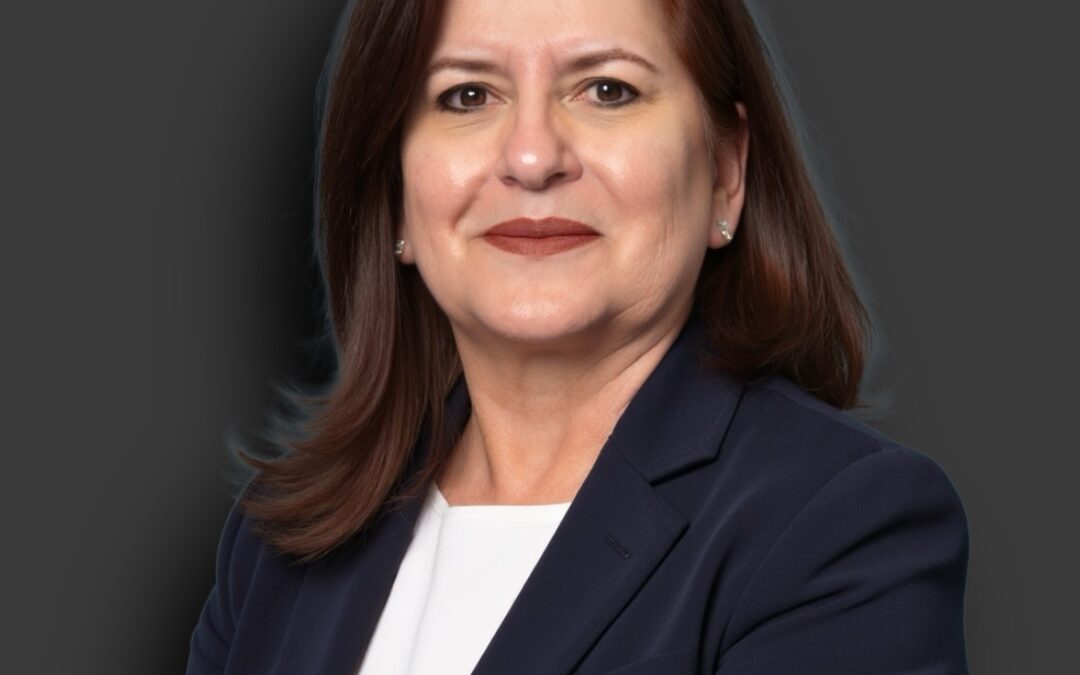
HL Media Network congratulates longtime communications executive, community advocate and 2017 Hispanic Lifestyle Latina of Influence Patricia Pérez as she begins a new chapter following nearly four decades with VPE Communications.

Photos and article by
Richard Sandoval

ome moments deserve to be recognized as milestones. Patricia Pérez’s retirement from VPE Communications is one of them.

For nearly four decades, Patricia built a career in public relations and communications connecting major corporations, public agencies and organizations with the U.S. Hispanic market. Just as importantly, she remained actively engaged with the community-based organizations and causes serving many of those same communities.

As Patricia begins her next chapter, we want to say something very simple:
Congratulations on a job well done. You have built a career to be proud of and thank you for your many years of service to our community.

A Career Built on Relationships

My memories of Patricia go back many years.

I remember crossing paths with her at numerous community events over the years. Her name would often appear on the boards of organizations and community-based initiatives, and there would be many more events, meetings and opportunities to watch Patricia and VPE at work.

Her professional career put her in the company of major brands and organizations. VPE’s client history has included organizations such as Disneyland, McDonald’s, AT&T and Farmers Insurance, along with numerous government agencies and community organizations.

That professional record speaks for itself.

But when I think about Patricia, some of the things I remember most didn’t happen from a stage or in front of a camera.

I remember the conversations.

Patricia was one of those people with whom you could have a quiet conversation and walk away with a new perspective.

She might share an insight, make a suggestion or point out something you hadn’t considered. These were valuable pieces of information coming from someone with years of experience who was willing to share some of what she had learned along the way.

There was never much fanfare surrounding those moments.

It was simply good advice.

And I appreciated it.

Serving the Market and the Community

Patricia’s career also represents an important chapter in the evolution of communications with the U.S. Hispanic market.

Through VPE, she helped bring stories, information and campaigns to the attention of audiences that historically had often been underserved or overlooked.

That work required more than delivering a message. It required understanding the communities those messages were intended to reach.

Patricia understood that distinction.

She wasn’t simply communicating to the community. She was active in the community.

Throughout her career, she contributed her time, experience and leadership to community-based organizations, civic efforts and causes. That involvement provided a perspective that couldn’t simply be learned by studying demographics or reading a marketing report.

She knew the people. She knew the organizations. She understood the marketplace and she understood the value of relationships.
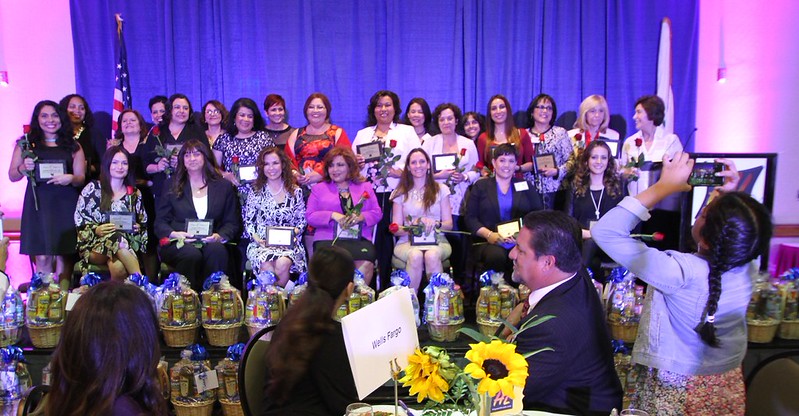
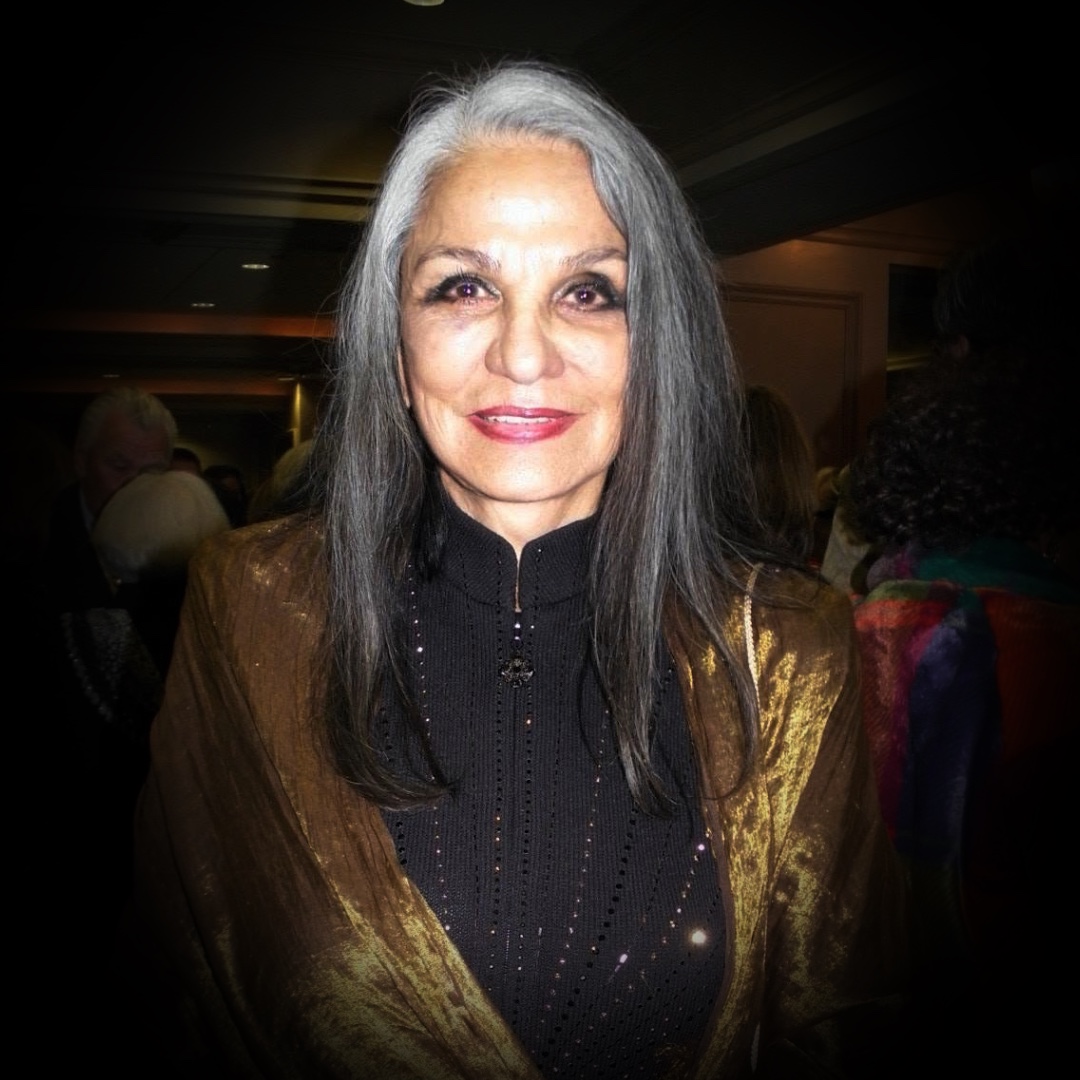
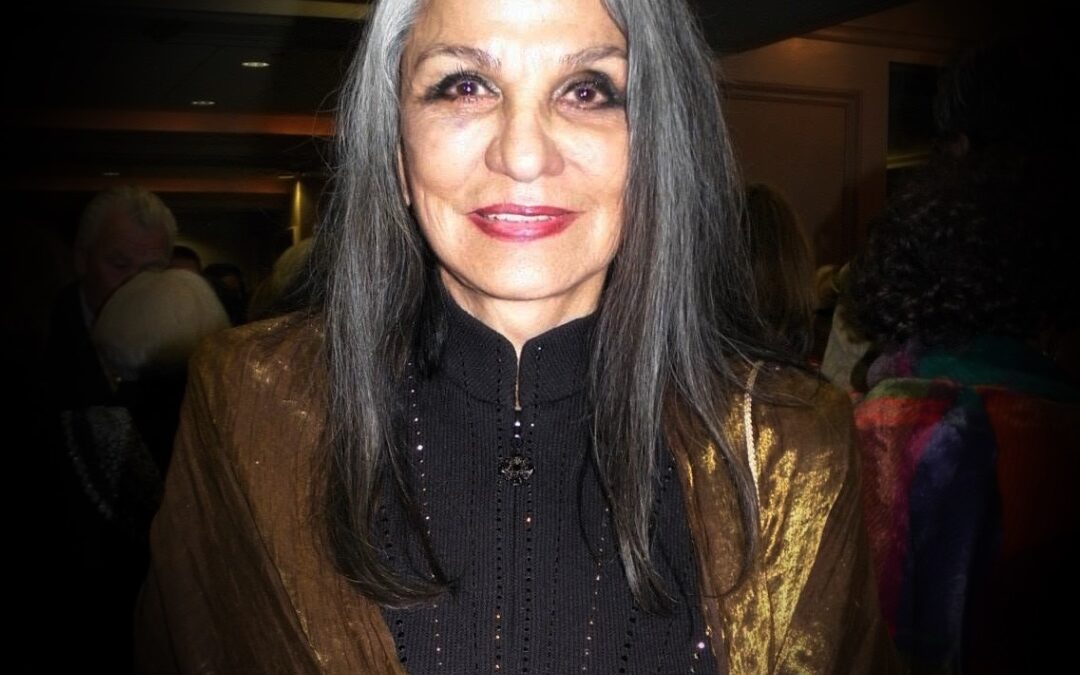
Pictured among Hispanic Lifestyle’s 2017 Latinas of Influence is
Patricia Perez (is standing in the back row).

Documenting the Journey

For more than three decades, our cameras, microphones and pages have documented the people and organizations influencing our communities.

Patricia and VPE are part of that history.

VPE Communications was recognized through Hispanic Lifestyle’s Business: Surviving to Thriving series, which celebrated businesses demonstrating longevity, adaptability and the ability to grow through changing economic conditions and marketplaces.

In 2017, Hispanic Lifestyle recognized Patricia Pérez as a Latina of Influence, acknowledging her professional accomplishments, leadership and commitment to community.

That year, we also sat down with Patricia for an interview, giving her an opportunity to share some of her experiences and perspective in her own words.

Setting the Standard

There is another part of Patricia’s career worth recognizing.

She demonstrated that it was possible to operate at the highest levels of the communications industry, work with major corporate and institutional clients, and remain genuinely connected to the community.

That matters.

Influence isn’t simply about having access to important rooms. It’s also about what you bring into those rooms, the perspectives you represent and what you do with the opportunities you’ve earned.

Patricia helped set that standard.

Her retirement also represents another measure of professional success:

What she helped build continues.

VPE Communications now enters its next chapter under the leadership of longtime VPE professionals Maricela Cueva and Lorena Alamillo. Their opportunity is to build upon a foundation developed over nearly four decades while defining what comes next for the organization.

We look forward to documenting that journey.

A Milestone Worth Recognizing

We often talk about standing on the shoulders of the people who came before us.

People like Patricia helped create a foundation upon which others can continue to build.

They opened doors. They developed relationships. They demonstrated the importance and economic influence of the U.S. Hispanic market. They gave their time and experience to organizations and communities.

And sometimes, away from the cameras and microphones, they quietly shared what they had learned with someone else who could benefit from their experience.

The responsibility for those who follow isn’t simply to admire what was built.

It is to build upon it.

That’s how influence continues.

That’s how a legacy grows.

And that’s why Patricia Pérez’s retirement deserves to be recognized as a milestone.

Patricia, from all of us at HL Media Network, congratulations on a job well done.

Thank you for your service to our community, for the conversations and insights shared along the way, and for helping create a foundation upon which others can continue to build.

You have set a standard and built a career to be proud of.

We wish you much happiness and success in whatever comes next.

EDITOR NOTES 

Culture & Influence is about more than documenting what is happening today. It is about preserving the stories of the people who helped create the opportunities we experience today and documenting those who will build upon them tomorrow.

Our history with Patricia Pérez and VPE Communications spans many years. We recognized their accomplishments, recorded their perspectives and watched their influence within the community.

Today, HL Media Network has the privilege of returning to that archive to recognize another milestone.

That is why we document.

Because today’s interview, photograph or conversation eventually becomes part of the record of who we were, who helped shape our communities and how the next generation moved the story forward.

What’s Next for VPE

As VPE Communications begins its next chapter under the leadership of Maricela Cueva and Lorena Alamillo, HL Media Network looks forward to continuing the conversation. In an upcoming Culture & Influence feature, we’ll introduce VPE’s new leadership and explore their vision for building upon the organization’s legacy and what’s next.

Video interview with VPE posted in 2014

When Local Voices Go Silent

When Local Voices Go Silent

HL | Culture and Influence

When Local Voices Go Silent

 What radio loses when consolidation, automation and changing habits separate broadcasters from the communities they served. 

Photos and article by
Richard Sandoval

arly in my career, I spent at least an hour a day in the car, commuting from suburbia into the city. Radio was my companion.
I listened to morning shows, talk radio and, occasionally, music. I wanted to know what was happening in the world, but music provided another kind of connection. Having played several instruments in high school and performed in a band, I wanted to know what people were listening to and where musical tastes were heading.

Growing up in the Bay Area, I remember personalities such as Dr. Donald D. Rose with KFRC. I remember listening to sports radio on KNBR and hearing voices that seemed to belong not merely to a station, but to the entire region. This was during the late 1970s and 1980s, when local radio personalities helped set the rhythm of the day.

They told us what had happened overnight. They made us laugh during the morning commute. They talked about our teams, our neighborhoods, our weather and the events taking place around us. Even when we had never met them, we felt as though we knew them.

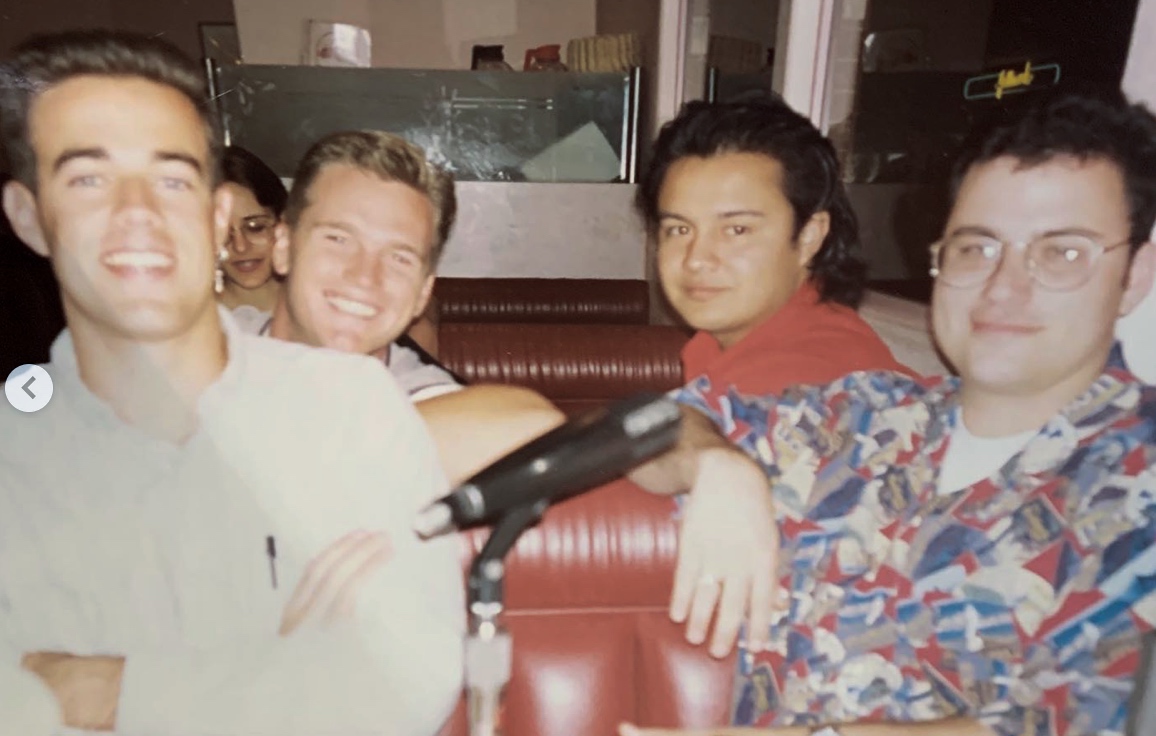
Years later, I found myself in Southern California, once again spending considerable time on the freeways, traveling into the Coachella Valley. I listened to a young broadcaster named Chris Kimmel who would later become known as Jimmy Kimmel and his sidekick, Carson Daly.

There is a wonderful personal story from that period involving Jimmy explaining the birds and the bees to my son Christopher. He later took me to lunch and managed to eat an entire pizza by himself.

This was before television fame. And I am not going to lie it was very good pizza.

These memories may sound like amusing detours, but they help explain what made local radio special. The people behind the microphones became part of our lives. They were not anonymous voices delivering interchangeable programming from somewhere else. They lived in the market. They understood its personality. In some cases, their listeners watched their careers develop in real time.

Photo taken around the timeframe of when  they worked at a Palm Springs radio station. Front row: Kit Carson (Carson Daly) and Chris Kimmel (Jimmy Kimmel). Photo credit: Instagram.

The people behind the voices

Over the years, perhaps because I entered the media business myself, I became friends with several local DJs, news personalities and talk-radio hosts.

I met Evelyn Erives when she was still in high school and watched her build a long career at KGGI before being laid off recently. Hispanic Lifestyle recognized another local personality, Vic Slick, whose work introduced listeners to old-school music and the memories attached to it.

My longtime friend Syeda Jafri worked in morning talk radio and later at KCAL-FM before she, too, was recently laid off. Lacey Kendall is another colleague I met years ago when she was hosting a talk-radio program. We later worked together on a nightly television newscast serving the Inland Valley.

These are only a few of the people I have met during more than three decades in media. Some began in radio and moved into other areas. Others remained because radio was where they wanted to be.

They loved entertaining people. They loved sharing information, playing music and connecting with their communities. Some may also have chosen to remain in local markets because they were raising families and building lives there.

That is an important part of this story.

When a local radio personality disappears from the air, a company may view it as a staffing decision. For listeners, however, a familiar part of their community has gone silent.

The Business Reality

Radio has always been a difficult business. Stations are bought and sold. Companies consolidate. Formats change. Advertising revenue shifts. Contracts end. Bankruptcies occur. Owners must adapt to new technology and changing audience behavior.

Automation has made it possible for fewer people to operate more stations. Programming can be produced in another city and distributed across multiple markets. Artificial intelligence will likely expand those capabilities even further.

From a business perspective, some of those decisions may appear necessary. But efficiency carries a cost when it removes the people who understand the communities being served.

A prerecorded voice can announce the name of the next song. A syndicated program can fill several hours of airtime. An algorithm can assemble a playlist.

But can any of them understand why a local high school championship matters? Can they speak naturally about the restaurant that everyone in town knows, the freeway closure changing the morning commute, the community fundraiser that needs attention or the emotional aftermath of a hometown team’s win or loss?

Local radio did more than transmit sound. It reflected a place back to the people who lived there.

Syeda Jafri, Hispanic Lifestyle honoree David Hernandez and
Mayor of Riverside Rusty Baily

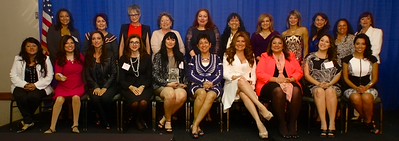
Pictured among Hispanic Lifestyle’s 2015 Latinas of Influence is
Evelyn Erives (seated, second from right).

I Changed, Too

If I am being honest, it is now rare for me to tune in to local radio.

I listen to SiriusXM and podcasts. I do not spend as much time driving as I once did. When I am in the car, I am often on the phone connecting with people. My habits have changed because my lifestyle has changed.

Millions of people could probably say the same thing.

We gained more choices, greater control and access to programming from almost anywhere. But as our listening became increasingly personalized, we may have lost some of the shared experience that local radio once provided.

There was a time when thousands of people across a region heard the same joke, debated the same comment or listened together as a local announcer described an important moment. Radio created a kind of common room for a community.

Today, each of us can occupy a media room of our own.

A lesson from the Rick Dees

Several years ago, we interviewed nationally recognized radio personality Rick Dees. I will need to revisit our archives to confirm the exact date, but I believe it was around August 2001.

When we entered the studio, I noticed advertisements promoting the station’s new morning-show personality. The announcement had been made only a few days earlier, following the departure of George Lopez.

What struck me was how quickly the transition appeared to happen. The promotional campaign was ready. The replacement had apparently been planned. The station had already moved forward.

At the time, I knew very little about how radio contracts were structured or the business considerations behind these decisions. I am sure there were reasons for the change. Still, George Lopez was one of the first high-profile Latino comedians to lead a major morning radio program, and his departure felt like more than a programming adjustment. To many people in Southern California’s Latino community, it felt as though one of our most visible voices had suddenly been removed.

That experience taught me something about media: what audiences experience as an abrupt and emotional loss may have been treated inside the company as a carefully planned business transition.

The show goes on but not always with the same connection.

Why I did not ask for quotes

I considered calling several friends and colleagues who have recently been displaced and asking them to share their thoughts for this article.

I decided not to put them on the spot.

Some may still be processing what happened. Some are looking for their next opportunity. Others may be restricted by severance agreements or simply may not be ready to publicly discuss an employer that had been part of their lives for many years.

Their silence should not be mistaken for a lack of feeling.

For someone accustomed to waking before sunrise, preparing for a morning show and directing that energy toward thousands of listeners, suddenly having no microphone and no audience must create a profound sense of disruption.

The obvious suggestion is that these experienced personalities should start podcasts or online streaming programs. Some probably will. But recreating the radio experience is not as easy as setting up a microphone and pressing “go live.”

Listeners came for a complete experience: music, conversation, humor, information and companionship. Producing that experience independently requires technology, promotion, distribution and, when music is involved, licensing. Talent alone does not provide the infrastructure that a radio station once supplied.

What happens when local voices disappear?

Consolidation may preserve a company. Automation may reduce operating costs. Syndication may make programming more efficient.

But who remains responsible for listening to the community?

Who introduces the new local artist, supports the neighborhood organization, recognizes the small business, talks about the hometown team or gives attention to an issue before it becomes national news?

The question is not whether radio should resist every technological change. That would be unrealistic. The question is whether efficiency must require the removal of local identity.

When local voices go silent, communities do not simply lose broadcasters. They lose witnesses people who have been listening, observing and helping a region understand itself.

EDITOR NOTES 

I love radio.

There is still something special about listening to a ball game and then hearing the announcers and fans react on the way home after a win or a loss. It is a habit I have held onto because radio can make a shared moment feel personal.

Radio also remains one of the simplest expressions of free choice. If you do not like what a broadcaster is saying, you can turn the dial. Another voice is only a station away.

What concerns me is not that listeners have fewer channels. We have more choices than ever. What concerns me is that fewer of those voices may actually come from the communities they are addressing.

I look forward to seeing what comes next for my friends and colleagues. They are talented. They are experienced. They are innovators. They know how to inform, entertain and create meaningful connections with an audience.

Their voices have not disappeared.

For the moment, some of the microphones that carried them have simply been turned off. I look forward to the day when we and the communities they have served hear those voices again.

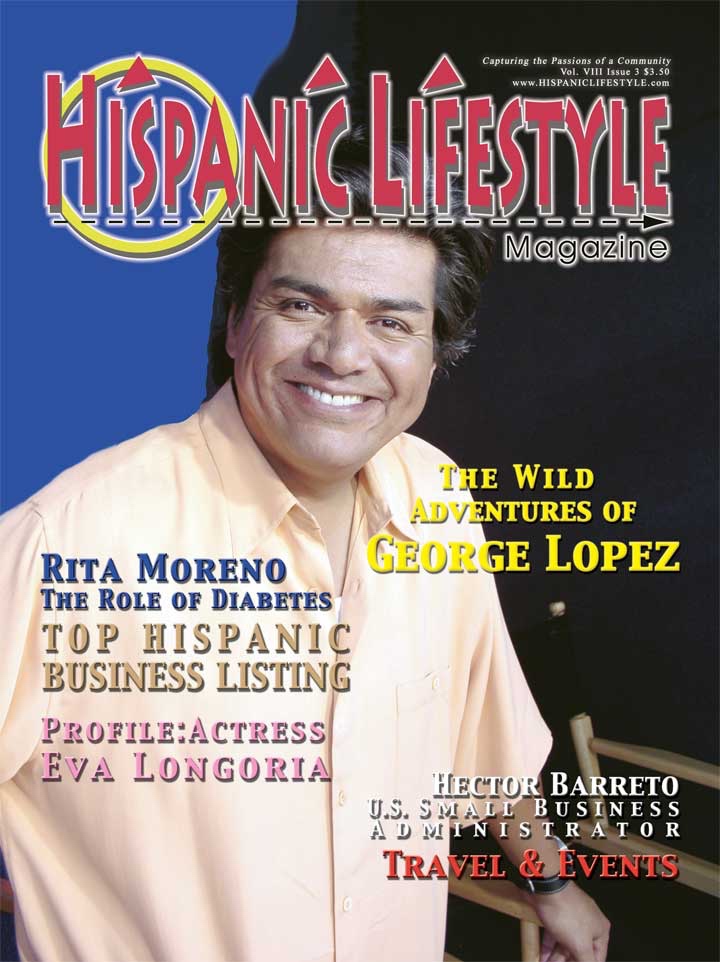
Cover of Hispanic Lifestyle Magazine 2002

Culture & Influence | WHAT’S NEXT

Culture & Influence | WHAT’S NEXT

ISSUE 01 | July 2026

WHAT’S NEXT

MILESTONE SERIES
Recognizing Leadership

JUDITH VALLES
The Passsing of a Leader

MONEY & WEALTH
Silicon Valley

A Question
Worth Asking

ANDY GARCIA
Lifetime Achievement

WEALTH REPORT
Insights from Luis Alvarado

here are moments in every journey when you realize your perspective has changed.
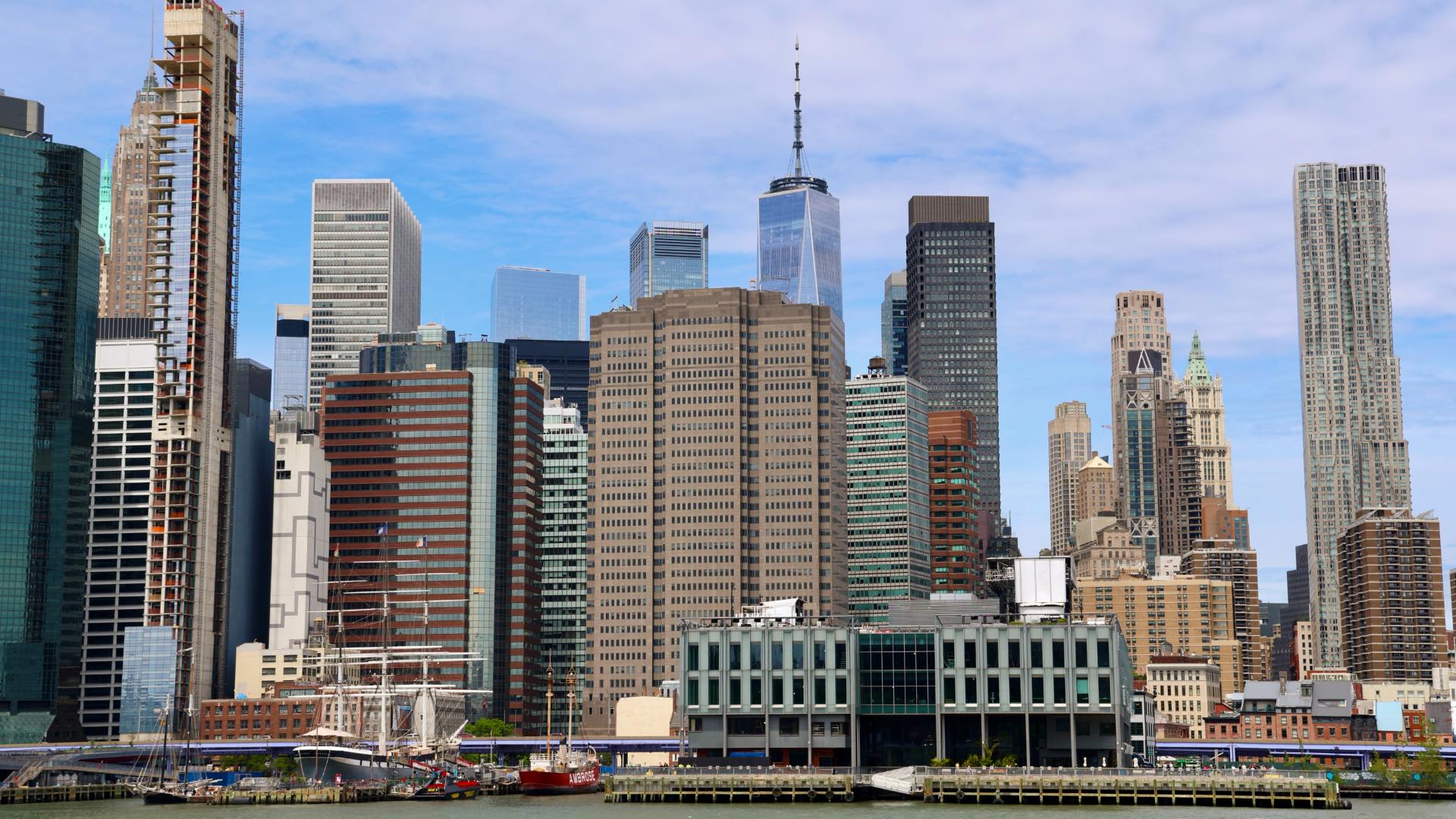
For me, that moment came while standing along the waterfront in Lower Manhattan, camera in hand, just days after our HL | Milestone Series event in the Bronx. Looking across the New York skyline, I wasn’t simply photographing another city. I was reflecting on more than three decades of conversations, relationships, and experiences that began in California and have gradually expanded across the country.

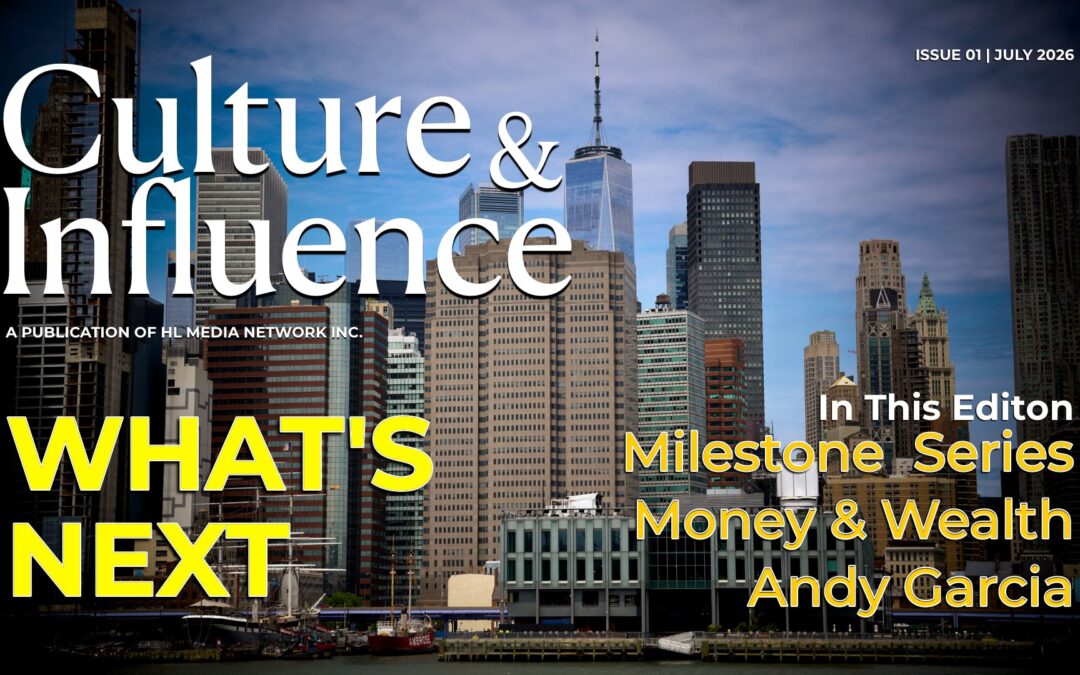
That photograph became the inspiration for the cover of this inaugural edition of Culture & Influence, a publication of HL Media Network.

Since publishing our first newsletter in 1995 and launching Inland Empire Hispanic Lifestyle Magazine in 1997, our mission has remained remarkably consistent: to discover, document, and share the stories of people and organizations making a meaningful difference in their communities. While our platform has evolved into HispanicLifestyle.com and HL Media Network, our purpose has never changed.

What has changed is the scope of the conversation.

Today, influence is no longer defined by geography alone. Ideas move across industries, technology is transforming how we live and work, and leadership continues to emerge from places and people that may have once gone unnoticed. Understanding where those ideas originate, how they grow, and why they matter has never been more important.

That is the purpose of Culture & Influence.

This publication is dedicated to exploring the people, organizations, ideas, and experiences shaping our communities, our economy, and our culture. Through thoughtful journalism, compelling photography, meaningful conversations, and in-person experiences, we hope to provide context, celebrate achievement, and encourage dialogue that informs and inspires.

About the Cover Photograph

Lower Manhattan, New York City
Photographed by Richard Sandoval | May 2026

Captured just days after the HL | Milestone Series event in the Bronx, this photograph represents more than the New York skyline. It reflects a moment of perspective and possibility. While our story began in California, the conversations we are documenting and the relationships that inspire them—continue to expand across the United States.

Our cover asks a simple question:  What’s Next?

It is a question we intend to keep asking.

Not because we believe we have all the answers, but because curiosity, thoughtful conversation, and a willingness to understand different perspectives have always been at the heart of meaningful progress.

Thank you for joining us as we introduce Culture & Influence. Whether you’ve been with us since our earliest publications or are discovering our work for the first time, we’re grateful you’re here.

The conversation continues.

Richard Sandoval
President & Founder HL Media Network Inc.

In This Edition

Welcome to the inaugural edition of HL | Culture & Influence, a publication by HL Media Network.

For more than three decades, our mission has remained remarkably consistent: to discover, document, and share the stories of the people, organizations, and ideas shaping our communities. What has changed is the way we tell those stories and the conversations we believe are most important to explore.

A collection of recent stories exploring leadership, business, wealth, travel, and the people shaping our communities.

Coming Conversations

We’re already working on the next edition, featuring new conversations, fresh perspectives, and stories from across the country. We hope you’ll return and continue the journey with us.

Thank you for joining us as we begin this next chapter. We look forward to continuing the conversation and sharing new stories with you in the editions ahead.

Richard Sandoval
President & Founder, HL Media Network Inc.

Milestone | Judith Valles

Milestone | Judith Valles

HL | Milestone Series

Milestone | Judith Valles

For generations, Mayor Judith Valles represented the very best in public service. As an educator, trailblazer, and the first Hispanic elected Mayor of the City of San Bernardino, she dedicated her life to expanding opportunities for others while inspiring future leaders through her example.

Article/Commentary by
Richard Sandoval

Mayor Judith Valles
1933–2026
Educator • Mayor • Mentor • Trailblazer

er influence extended well beyond City Hall. She believed in education, invested in people, and demonstrated that leadership is rooted in character, service, and a genuine commitment to improving the lives of others.

Those who knew her admired her accomplishments.

Those who met her remembered her presence.

A Leader Who Left an Impression

My first introduction to Judith Valles came long before Hispanic Lifestyle existed.

A newly made friend, Raven Workman Lopez, encouraged me to attend a political fundraiser for Esther Estrada, who was running for office in the City of San Bernardino.

She offered one simple piece of advice:

“Look for Mary Figueroa. She’s good people and she’ll take care of you.”

She was right.

That evening became one of the pivotal moments in my career.

Around that table I met people like Mary Figueroa, who would later become President of the Riverside Community College District Board of Trustees, and Andres Soto, then President of the Greater Riverside Hispanic Chamber of Commerce. More importantly, I found myself surrounded by people who believed community leadership wasn’t simply a title—it was a responsibility.

Among them was Judith Valles.

At the time, she was already an accomplished educator and academic leader.

What I remember most wasn’t her title.

It was her presence.

She possessed a quiet confidence.

She spoke with clarity and purpose.

She carried herself with grace, dignity, and professionalism.

She didn’t need to command the room.

The room naturally listened.

Breaking Barriers

Born in 1933 in San Bernardino, California, to Mexican immigrant parents, Judith Valles believed deeply in the transformative power of education.

Her career began in the classroom before advancing into educational leadership, eventually becoming President of Golden West College, where she made history as the first Latina to lead a California community college.

In 1998, she again broke new ground when she was elected the first Hispanic Mayor of the City of San Bernardino.

Throughout two terms in office, she championed education, neighborhood revitalization, youth development, economic opportunity, and civic engagement.

Whether serving students or residents, she believed strong communities are built by investing in people.

Supporting a Vision

Years later, as Inland Empire Hispanic Lifestyle Magazine was beginning to take shape, I invited Judith to join an informal advisory board made up of community leaders whose judgment and experience I respected.

She graciously accepted.

When she was elected mayor, she stepped away from the advisory board to focus on serving the City of San Bernardino, but she remained supportive of our mission.

Looking back, I realize she was one of the earliest people who affirmed the vision behind Hispanic Lifestyle.

She helped me believe that the stories of community leaders deserved to be documented not because of who they were, but because of the difference they made.

She later became one of the earliest recipients of our Inland Empire Latina of Influence recognition and returned as a featured speaker during our inaugural Inland Empire Latina Conference.

 Judith Is My Homegirl

One story has stayed with me for decades.

During one of our advisory meetings, Judith mentioned that Stater Bros. Markets Chairman Jack H. Brown had Latino roots.

Some time later I had the opportunity to briefly meet Mr. Brown and shared what Judith had told me.

He smiled and simply replied:

“Judith is my homegirl.”
— Jack H. Brown, Chairman, Stater Bros. Markets

Those four words said everything.

They reflected the genuine respect and affection Judith Valles earned throughout her lifetime.

HL Archive

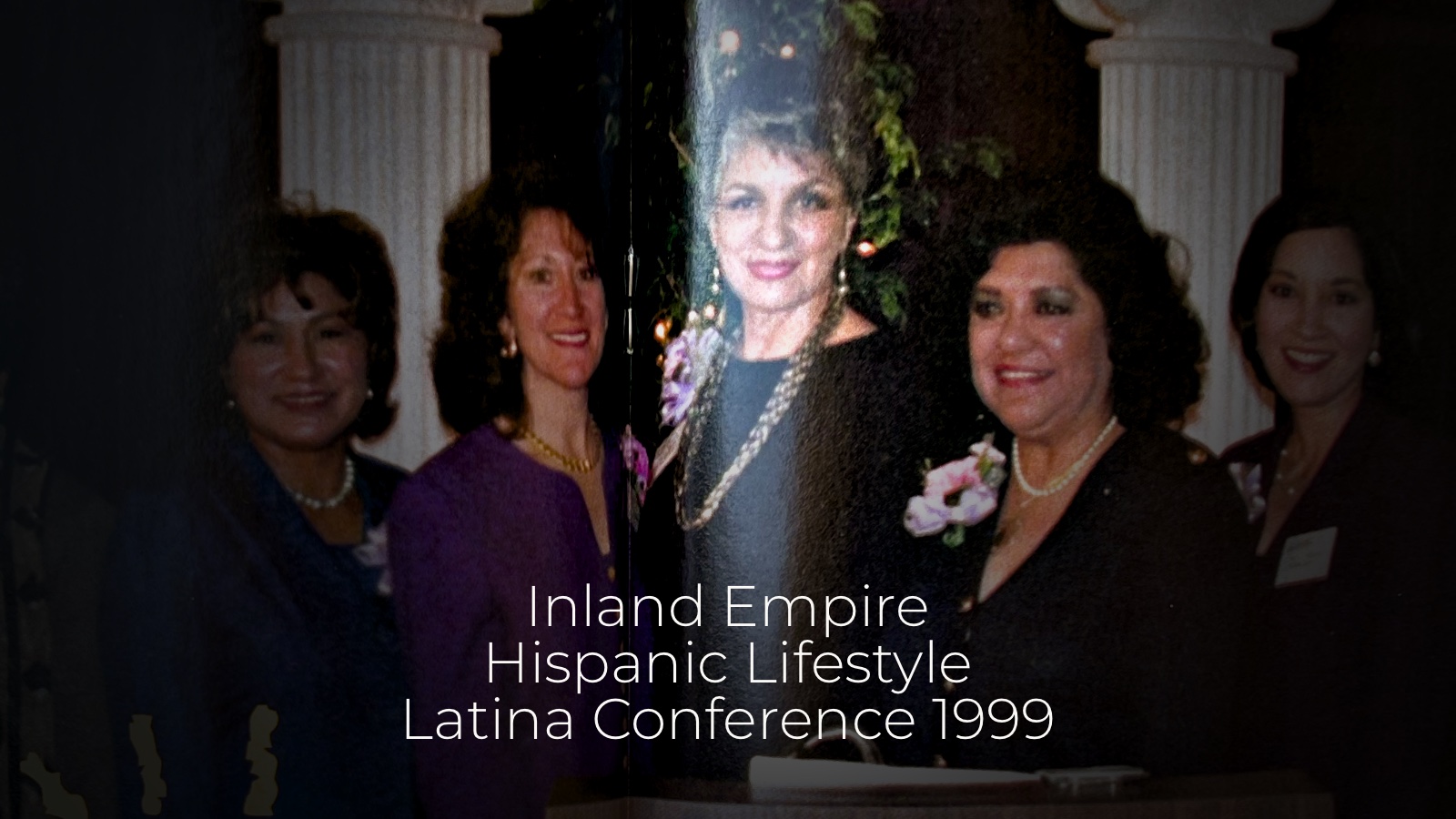
Mayor Judith Valles addresses attendees during HL’s inaugural Inland Empire Latina Conference in 1999. Long before HL became a statewide and national platform, she encouraged our mission to recognize, celebrate, and document leadership throughout our communities.

Her Legacy Lives On

Mayor Judith Valles passed away in 2026, leaving behind a remarkable legacy of education, public service, and community leadership.

But perhaps her greatest legacy cannot be measured by elections won or titles held.

It lives in the students she encouraged.

The neighborhoods she served.

The leaders she mentored.

And in those of us who looked at her example and believed our communities deserved to have their stories preserved.

For me, Mayor Judith Valles was one of those people.

She helped shape the editorial philosophy that has guided Hispanic Lifestyle for more than three decades.

Mayor Judith Valles…

You were a role model to me.

Thank you for believing in our community.

Thank you for believing in our work.

And thank you for inspiring one young publisher to believe these stories were worth telling.

“Leadership is not defined only by the offices people hold, but by the lives they inspire.

That is how I will always remember Mayor Judith Valles.”

— Richard Sandoval, Founder & Publisher, HL

Milestone Timeline

1933
Born in San Bernardino, California.

Education
Began her career as an educator before serving in numerous academic leadership roles.

1988
Appointed President of Golden West College, becoming the first Latina to lead a California community college.

1998
Elected the first Hispanic Mayor of the City of San Bernardino.

1999
Featured speaker at HL’s inaugural Inland Empire Latina Conference and an early supporter of the vision behind Inland Empire Hispanic Lifestyle Magazine.

2000
Recognized as one of Inland Empire Hispanic Lifestyle’s earliest Latina of Influence honorees.

2002
Re-elected Mayor of the City of San Bernardino.

2003
Awarded Mexico’s prestigious Ohtli Medal for her contributions to education and public service.

2012
Published As My Mother Would Say: Como Decía Mi Mamá.

2026
Passed away, leaving an enduring legacy of leadership, education, and public service.

EDITORIAL NOTES 

Today, as HL begins a new chapter, this article also marks the beginning of HL | Milestone Legacy our commitment to preserving the stories of leaders whose lives have shaped our communities and inspired future generations.

Our responsibility is not to define our community.

It is to document its history, celebrate its achievements, and ensure that the lives of people like Mayor Judith Valles are remembered long after today’s headlines have faded.

Because today’s milestones become tomorrow’s history.

 Richard Sandoval, Founder & Publisher, HL

Defining Wealth in Silicon Valley

Defining Wealth in Silicon Valley

HL | Wealth Report

Defining Wealth in Silicon Valley

Latinos are emerging as one of the region’s most influential growth segments shaping wealth through education, ownership, technology, real estate, entrepreneurship, leadership, and culture.

Photos and article by
Richard Sandoval

ilicon Valley is often defined by technology, venture capital, innovation, and global wealth creation. It is a region known for producing ideas, companies, and industries that influence the world.

But the definition of wealth in Silicon Valley is changing.

Wealth is no longer measured only by market valuations, stock options, executive titles, or access to capital. Wealth is also measured by education, ownership, home equity, business growth, leadership, cultural influence, access to networks, and the ability to create opportunity for the next generation.

For the Latino community, this broader definition matters.

“The data gives us context. The leaders give us proof. The stories give us meaning.”

Latinos are not simply participating in the Silicon Valley economy. They are helping shape its future through business ownership, institutional leadership, real estate, technology, workforce development, financial services, entrepreneurship, and culture-driven brands.

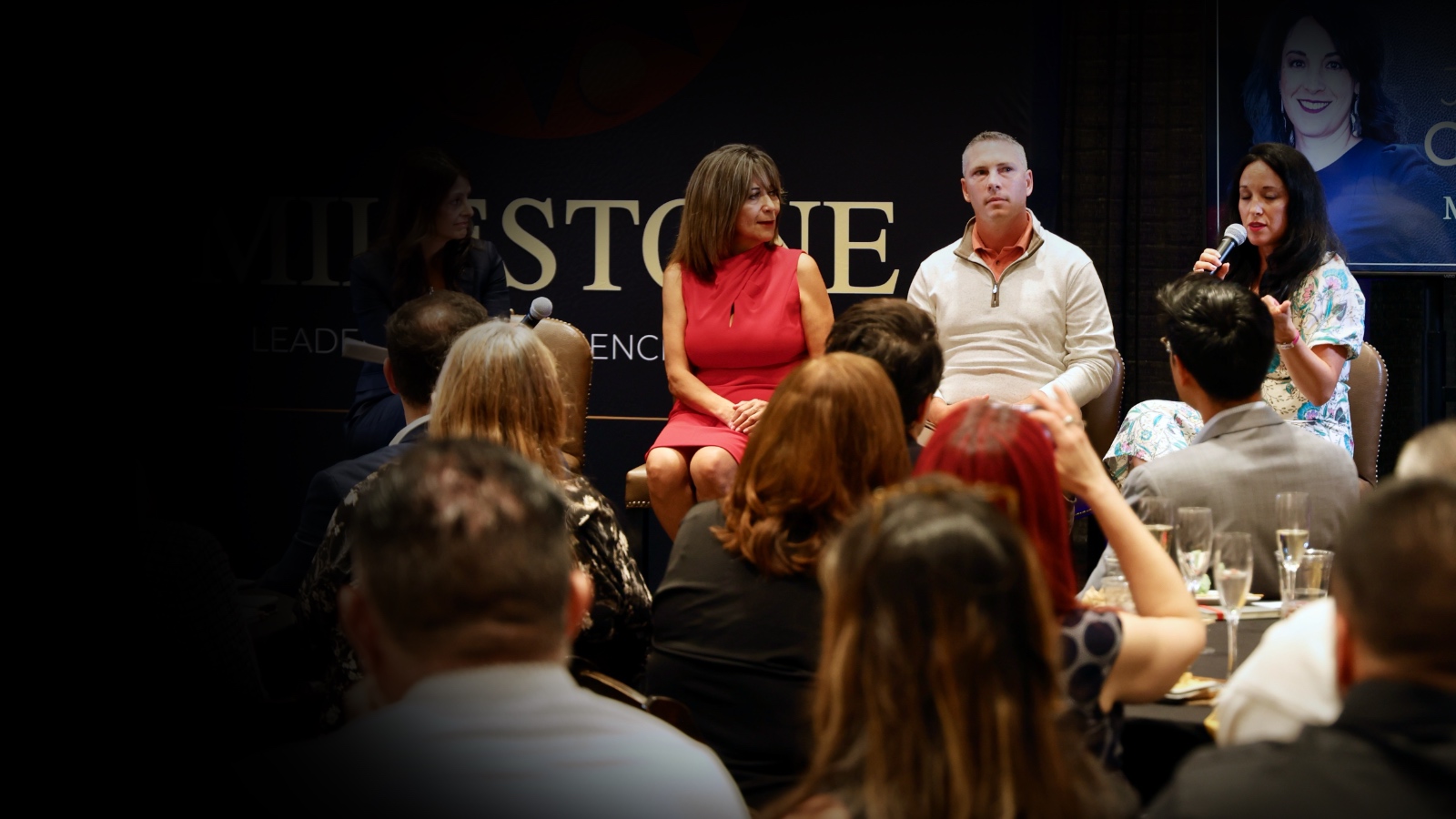
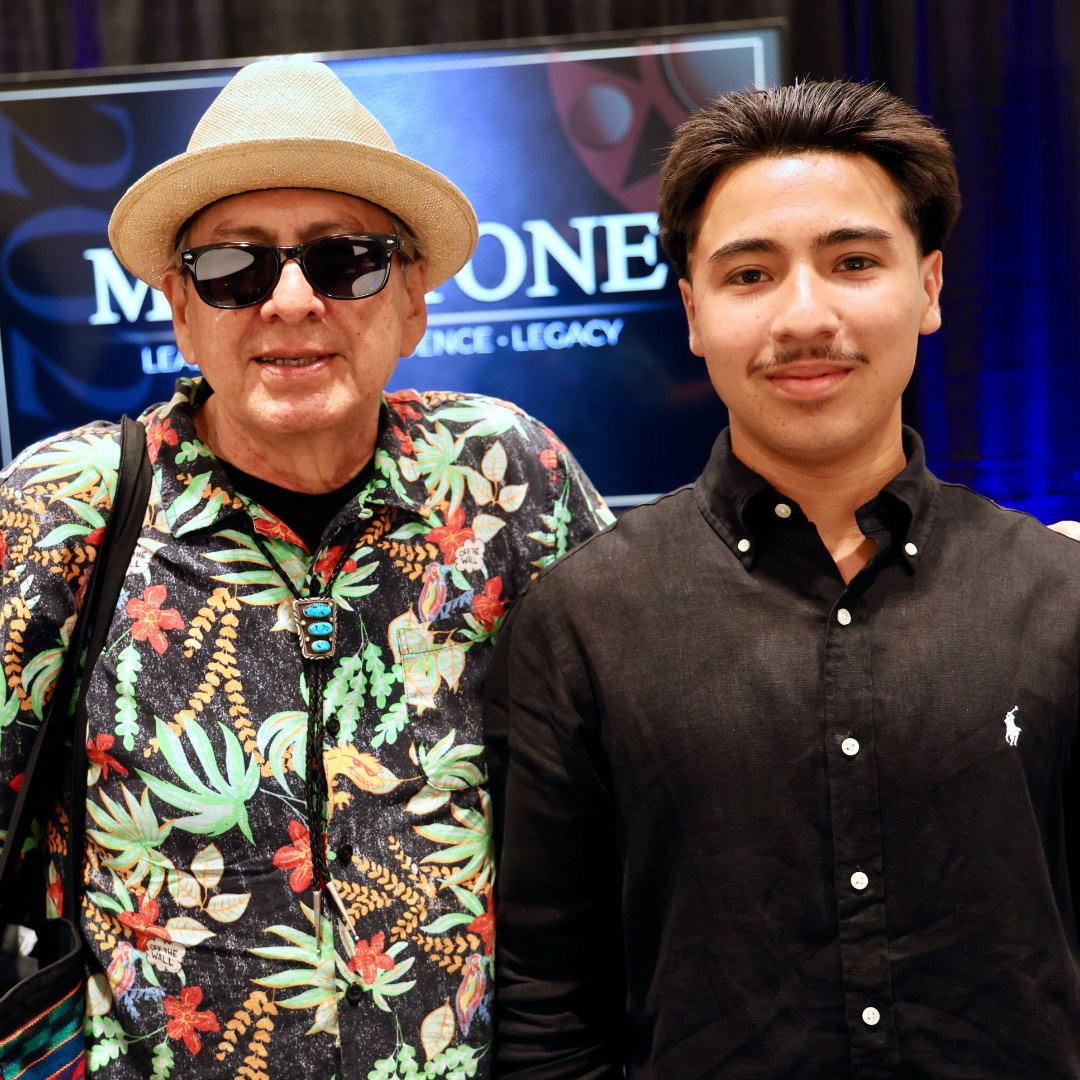
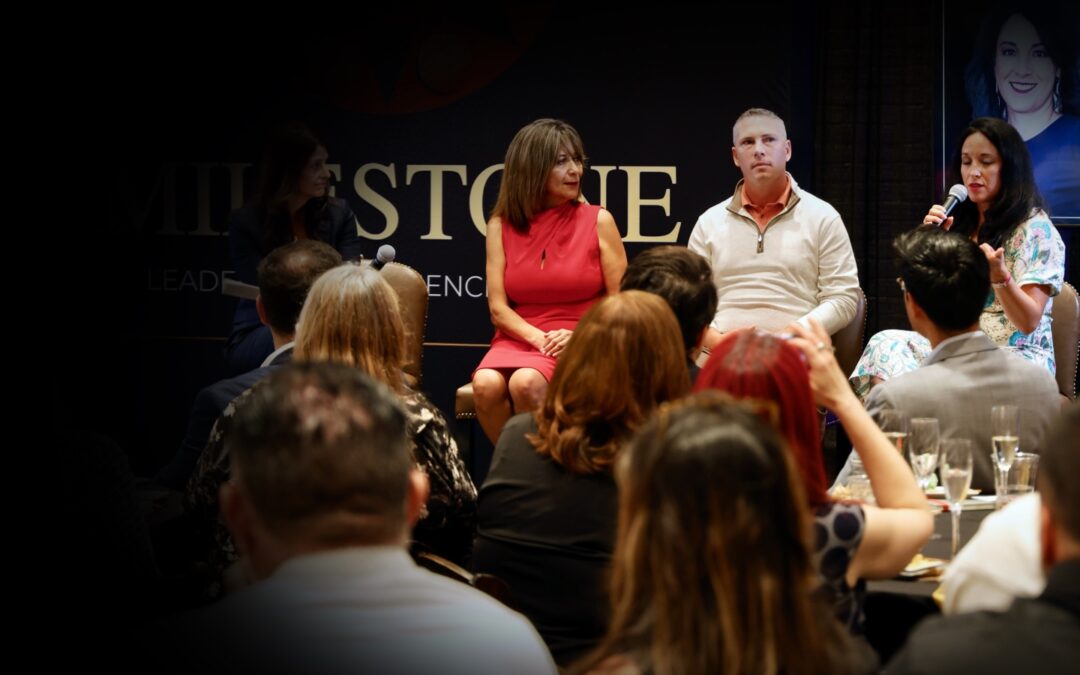
That was the larger conversation reflected at the HL | Milestone Series Silicon Valley event, where Hispanic Lifestyle recognized leaders whose stories represent a more complete view of wealth, influence, and legacy.

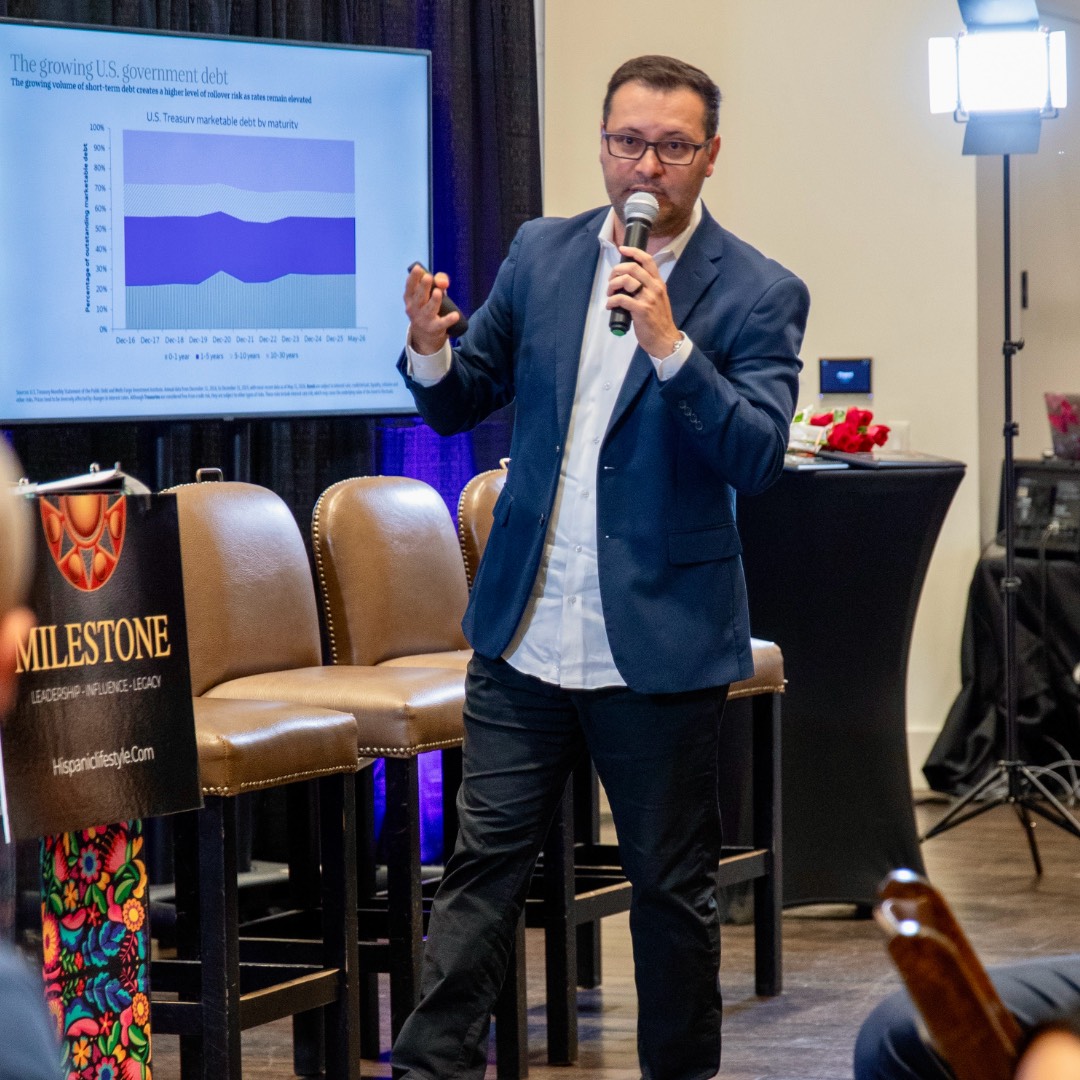
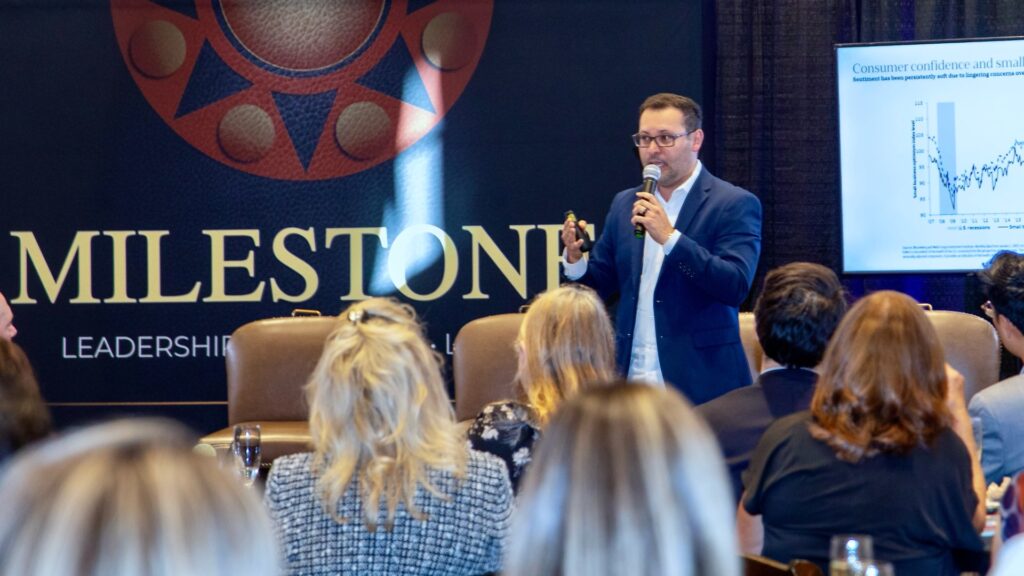
The evening also included remarks from Luis D. Alvarado of Wells Fargo, who helped frame the economic environment through insights connected to the Wells Fargo Investment Institute’s 2026 Midyear Outlook. The report’s theme, “Keeping discipline in noisy markets,” speaks directly to this moment. It points to a world being shaped by artificial intelligence, geopolitical uncertainty, inflation, energy prices, interest rates, and long-term structural change.

For Hispanic Lifestyle (HL), the takeaway is not investment advice.  The takeaway is context.

Serious conversations about wealth require serious information. They require trusted research, responsible interpretation, and a clear understanding of how economic forces affect families, entrepreneurs, professionals, homeowners, and communities.

That is the purpose of the HL Wealth Report.

We are not telling readers what to invest in. We are highlighting credible research, connecting it to Latino wealth and influence, and encouraging our audience to think more deeply about the forces shaping their future.

In Silicon Valley, one of the clearest forces is artificial intelligence.

According to the Wells Fargo Investment Institute’s 2026 Midyear Outlook, AI and other technology spending are helping shift economic growth from consumer-led activity toward investment-led growth. That includes data centers, power, technology infrastructure, electronic structures, information-processing equipment, and software.

Through the HL lens, this is not only a technology story.

It is a Latino wealth story.

Who will build the next generation of infrastructure?
Who will finance it?
Who will lead the companies connected to it?
Who will prepare the workforce?
Who will own businesses that serve this new economy?
Who will help families understand the opportunities and risks that come with economic change?

These are the questions that matter.

The Wells Fargo outlook also notes that larger companies often have advantages in uncertain markets because they tend to have stronger pricing power, less credit sensitivity, and broader access to financing. That point is especially relevant to Latino entrepreneurs and small business owners. Inspiration alone does not scale a business. Capital readiness, financial relationships, strategic planning, and access to trusted networks matter.

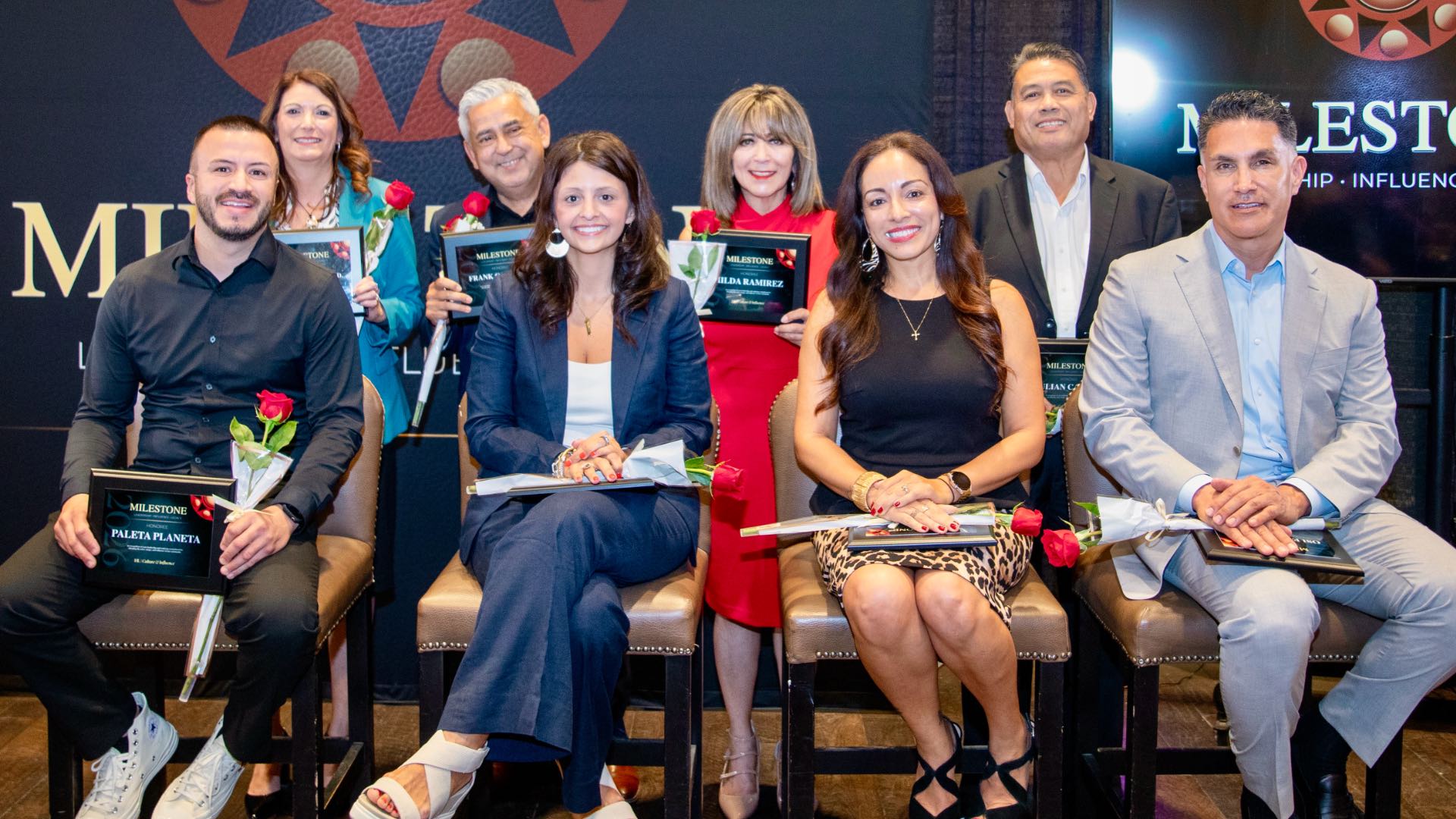
HL | Milestone Honorees recognized in Silicon Valley on June 17, 2026.

Back row: Dr. Marilyn Flores, President of San José City College; Frank Carbajal, Founder of Es Tiempo and the Silicon Valley Latino Leadership Summit; Hilda Ramirez, CEO and Team Leader of Keller Williams Silicon City; and Julian Cañete, President and CEO of the California Hispanic Chambers of Commerce.

Front row: Mauricio, Gabriel and Luis, Founders of Paleta Planeta; Gloria Mirazo Gregor, Senior Market Manager, Wells Fargo; Jazmin Diaz, Founder of Flourish Learning & Development; and Javier Diaz, Founder and CEO of OSI Engineering.

This is where Latino wealth must be understood beyond individual success stories.

The community needs more than visibility. It needs infrastructure.

“Latinos are not a one-size-fits-all market. They are homeowners, investors, executives, founders, creators, travelers, philanthropists, educators, and decision-makers. They are building companies, buying homes, leading institutions, influencing culture, and creating legacy.”

Latino wealth in Silicon Valley is not a future possibility. It is already present.

It is present in education.
It is present in real estate.
It is present in business ownership.
It is present in technology.
It is present in leadership networks.
It is present in financial institutions.
It is present in culture-driven entrepreneurship.
It is present in the families and professionals building legacy one decision at a time.

The opportunity now is to frame these stories properly.

For too long, successful Latino stories have been presented only as inspirational journeys. Inspiration matters, but it is not enough. These stories are also business case studies. They are evidence of a growing consumer segment, a rising professional class, an entrepreneurial engine, and a community with purchasing power, cultural influence, and generational ambition.

This is why brands, financial institutions, real estate developers, technology companies, civic leaders, and luxury companies should pay attention.

Latinos are not a one-size-fits-all market. They are homeowners, investors, executives, founders, creators, travelers, philanthropists, educators, and decision-makers. They are building companies, buying homes, leading institutions, influencing culture, and creating legacy.

Silicon Valley’s next chapter will not be defined by technology alone.

It will be defined by who has access to opportunity.

Who owns businesses.
Who leads institutions.
Who understands capital.
Who builds networks.
Who prepares the next generation.
Who tells the story.

That is why the HL Wealth Report matters.

It allows Hispanic Lifestyle to connect trusted research, real community leadership, and culturally relevant storytelling in a way that extends the conversation beyond the event room.

The data gives us context.
The leaders give us proof.
The stories give us meaning.

Latinos are emerging as one of Silicon Valley’s most influential growth segments.

And the future they are building is already here.

EDITOR NOTES 

HL Wealth Report is an editorial feature from HL | Culture and Influence  focused on wealth, ownership, leadership, and influence in the Latino community. This content is for informational and editorial purposes only and does not provide investment, legal, tax, or financial advice.

Readers should consult qualified professionals before making personal financial decisions.

Additional photos taken at the HL | Milestone Silicon Valley event were taken Lilith Sanchez