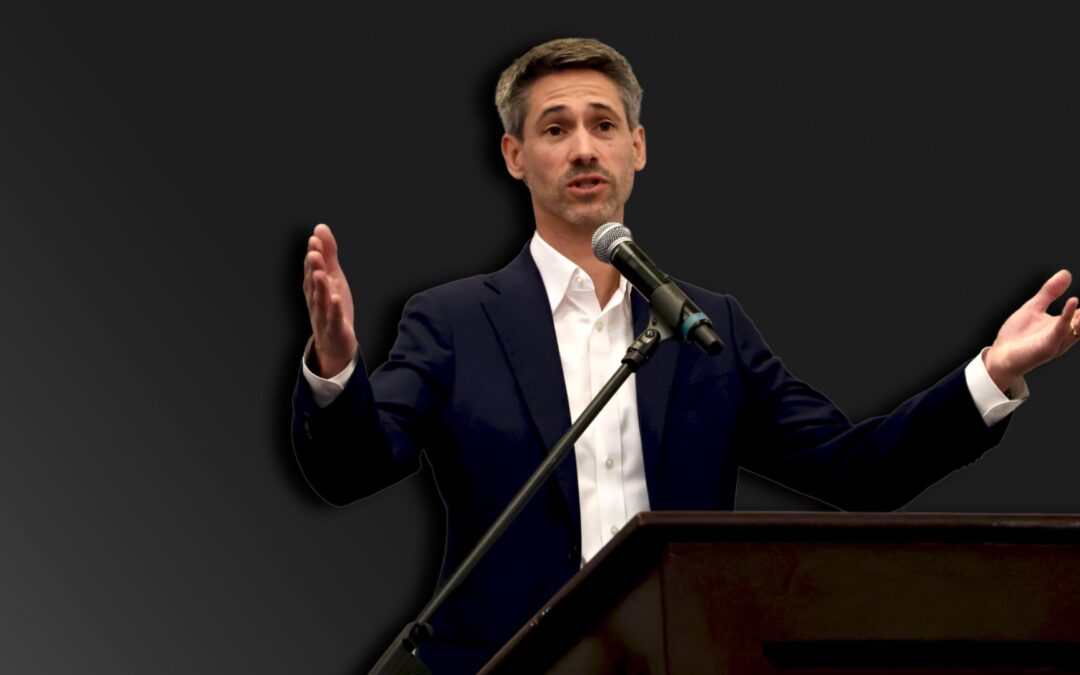
Matt Mahan | Building More Pathways to Homeownership

Matt Mahan | Building More Pathways to Homeownership

HL INSIGHTS

Matt Mahan | Building More Pathways to Homeownership

San José Mayor Matt Mahan discusses housing supply, construction costs and homeownership offering a look at how one major American city is attempting to address challenges facing communities across the country.

Photos and article by
Richard Sandoval

ousing affordability may look different from one community to another, but the questions confronting cities across the country are increasingly familiar: How do we build more housing? How do we make development financially possible? And perhaps most importantly, how do we create realistic pathways to homeownership?

San José Mayor Matt Mahan offered one city’s perspective on those questions during opening remarks at the National Hispanic Organization of Real Estate Associates (NHORA) Conference, held September 11, 2026, at Hayes Mansion in San José.

Speaking to an audience of real estate professionals, Mahan described a Silicon Valley economy where job creation has significantly outpaced housing construction.

“We have a supply problem,” Mahan told attendees.

According to Mahan, the region has added approximately six jobs for every new home built over the past 20 years an imbalance he says has contributed to rising prices and pushed working families farther away from employment centers.

For Mahan, addressing affordability begins with increasing supply.

The Cost of Building

Housing discussions in California have frequently centered on zoning, density, height restrictions and affordable housing requirements. Mahan argued that another issue deserves greater attention: the actual cost of getting housing built.

Land, labor, materials, development fees and other costs can make projects financially difficult to construct, particularly in high-cost markets such as Silicon Valley.

San José has responded in part by reducing certain development fees and creating incentives intended to encourage residential construction. City documents show San José has continued expanding residential incentive programs, including reductions in some parkland fees for qualifying downtown development.

Mahan told the NHORA audience that those changes are beginning to produce results, citing a significant year-over-year increase in new housing construction.

His larger argument was straightforward: communities cannot address housing affordability without making it economically possible to build more homes.
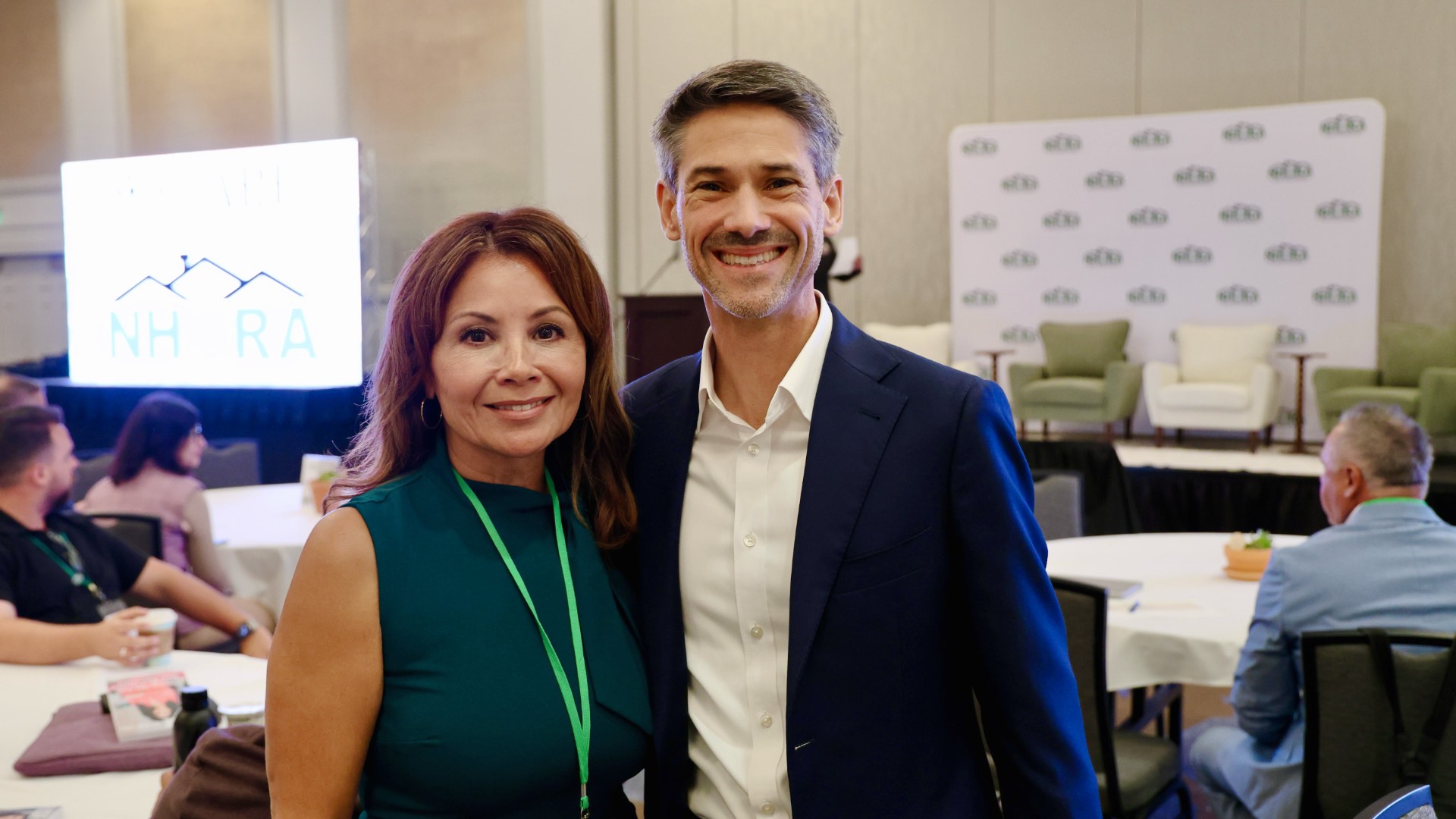
Michelle Juarez-Perry, National President of the National Hispanic Organization of Real Estate Associates (NHORA), with San José Mayor Matt Mahan during the NHORA Conference, held September 11, 2026, at Hayes Mansion in San José, California.

Building Across Income Levels

Mahan also challenged the idea that market-rate and affordable housing should always be viewed as separate conversations.

He argued that communities need additional housing across income levels and that new market-rate construction can create movement throughout the existing housing market as residents move from one home to another.

For the real estate professionals gathered at NHORA, that raises a larger question.

Increasing housing inventory matters, but where does homeownership fit into the equation?

Mahan acknowledged that much of the housing currently being developed in cities such as San José consists of rental properties. While rental housing remains an important part of the market, he said communities also need ways for people to gain an initial foothold in ownership and begin building equity.

One experiment underway in San José provides an interesting example.

A Different Entry Point Into Homeownership

In 2024, San José became the first California city to adopt provisions allowing qualifying accessory dwelling units, commonly known as ADUs, to be sold separately as condominiums. The policy followed changes in California law allowing cities to authorize such conversions.

The concept moved from policy to an actual home sale this year.

In June 2026, California’s first standalone ADU condominium sale closed in San José for $530,000. The newly constructed two-bedroom, one-bath home measures 749 square feet and includes private parking and separate utilities.

In Silicon Valley, where the cost of homeownership can put purchasing beyond the reach of many households, the sale represented something different: another potential entry point into the housing market.

Mahan referenced the sale during his NHORA remarks.

“It’s small, but it’s somebody’s home,” he said, emphasizing that the homeowner now has an asset in which they can build equity.

The example doesn’t solve the larger affordability challenge. But it demonstrates how one city is experimenting with different definitions of what an entry-level home can look like.

Creating More Choices

Mahan also pointed to San José’s efforts to streamline certain housing approvals, reduce development costs and encourage additional density around employment centers and transit.

The objective, he explained, is to give residents more choices about where and how they live while removing some of the obstacles that can prevent housing from being constructed.

Those efforts intersect with the work of many of the professionals attending the NHORA Conference.

Mortgage professionals, real estate agents, developers and housing advocates can help consumers navigate the path toward purchasing a home. But that pathway becomes increasingly difficult when available housing doesn’t exist at prices prospective buyers can realistically reach.

Housing supply, development, financing and homeownership are different parts of the same conversation.

A Conversation Bigger Than San José

Mahan closed his remarks by recognizing the real estate community as an important participant in efforts to increase housing production and expand opportunities for homeownership.

His comments offered a look at how one major city is approaching a challenge that extends well beyond Silicon Valley.

San José’s circumstances are its own. Its policies reflect the economics, housing market and political decisions of that community. Other cities will make different choices.

But the underlying questions aren’t unique to San José.

Across the country, communities continue to wrestle with how much housing to build, where to build it, what it costs to construct and whether working families will ultimately have an opportunity to own rather than rent.

There may not be a single answer.

San José provides one case study and an opportunity to examine what happens when a city begins experimenting with different ways of getting more homes built and creating additional pathways to ownership.

EDITOR NOTES 

This article is based on remarks delivered by San José Mayor Matt Mahan on September 11, 2026, during the NHORA Conference at Hayes Mansion in San José, California.

Mahan’s remarks have been edited and organized for clarity and length. Statements regarding housing production, development costs, housing policy and the effects of those policies are attributed to the mayor where appropriate. Information regarding San José’s residential development incentives and ADU condominium program was supplemented with publicly available information from the City of San José.

The article examines San José, California, as one example of how a major U.S. city is addressing housing supply and pathways to homeownership.

 

Michelle Juarez- Perry | Leadership, Homeownership and Building a Legacy

Michelle Juarez- Perry | Leadership, Homeownership and Building a Legacy

HL INSIGHTS

Michelle Juarez- Perry | Leadership, Homeownership and Building a Legacy

A Hispanic Heritage Month Story

Photos and article by
Richard Sandoval

or NHORA National President Michelle Perry, leadership, homeownership and community are personal. As a first-generation homeowner and longtime real estate professional, she understands how owning a home can change the trajectory of a family.

During Hispanic Heritage Month, we often celebrate the accomplishments of individuals who are making an impact in their professions and communities. Sometimes, the more interesting story is understanding what motivates them to lead. For Michelle Perry, that story begins with home.

Perry is the 2026 National President of the National Hispanic Organization of Real Estate Associates (NHORA) and a full-time Realtor who has worked in Silicon Valley, Santa Clara County and San Benito County for more than 26 years.

Long before becoming a leader of a national real estate organization, however, Perry experienced something that continues to influence how she views her profession and community service.

She became a first-generation homeowner.

“I know what that trajectory is in life, and I know how it’s changed my family,” Perry told HL Media Network during NHORA’s 2026 National Conference in San Jose.

She became a homeowner before entering the real estate profession.

“So it’s something big for me,” she said. “I know what it means.”

Watch our conversation with NHORA National President Michelle Perry 

Discovering NHORA

Our introduction to NHORA went beyond attending its national conference.

The day before the conference, HL Media Network was invited to join NHORA leaders for a chapter retreat at Hayes Mansion in San Jose.

It provided an opportunity to observe the organization from the inside — chapter leaders gathering to discuss leadership, communication, professional development and the direction of the organization.

One word came up repeatedly: family.

The following day, as real estate professionals, lenders, affiliates and industry leaders arrived for the national conference, it became easier to understand what they meant.

There was an obvious professional purpose to the gathering. But there was also familiarity among the members and a sense that relationships between chapters mattered.

For those unfamiliar with NHORA, as we were before spending time with the organization, its work extends beyond professional networking.

The organization promotes sustainable homeownership while developing leadership within the real estate industry and encouraging its members to serve as trusted advisors within Hispanic communities. Its work also includes financial literacy, consumer education and community involvement.

Perry became involved with NHORA approximately six years ago.

“I knew what they were doing in the community,” she said.

That connection between profession and community appealed to her.

“This organization gives back to the community,” Perry explained. “In every aspect, not just in real estate, not just in education, but actually giving to people that are in need.”

Leadership Starts With Communication

When Perry became National President earlier this year, one of her priorities was strengthening NHORA from within.

Her focus has been on the chapters and, particularly, developing the professionalism and leadership skills of the people running them.

“They’re the ones that are really serving the community,” she said.

For Perry, effective leadership starts with something basic.

Communication.

“The number one thing for me, when you talk about leadership, is communication,” she said. “It’s really important that we establish what our priorities are, and how we communicate them.”

That meant investing in leadership training and making sure chapter leaders understood not only the organization’s priorities, but where NHORA wanted to go next.

The result, Perry believes, has brought the organization closer together.

“We know what our purpose is. We know what the vision is, and we know what the next step is, because we are being strategic about how we move forward.”

More Than a Real Estate Transaction

Perry’s perspective on homeownership is particularly relevant to the work NHORA is doing.

Real estate professionals spend their careers around transactions.

Buyers. Sellers. Financing. Properties. Contracts.

But Perry remembers the experience from the other side of the table.

She remembers becoming a homeowner before she became a Realtor.

That distinction matters.

For a first-generation homeowner, purchasing a house can represent something much larger than acquiring property. It can change how a family thinks about stability, opportunity and its financial future.

Perry lived that experience herself.

Today, she wants NHORA professionals to help others understand the homebuying process and the possibilities that can come with it.

She also sees the organization’s responsibility extending beyond homeownership education.

Perry talks about building wealth and leaving a legacy.

That means creating relationships with people and organizations capable of providing knowledge and resources within the communities NHORA serves.

It also means showing up in other ways.

Perry points to activities such as backpack drives, scholarships, nonprofit support and educational programs as examples of how local chapters can become part of their communities.

The objective is for NHORA members to become people their communities know and trust whether someone is trying to understand the homebuying process or simply looking for information and resources.

Building a Legacy

That brings Perry to what comes next.

She envisions NHORA continuing to expand into additional communities and states while maintaining the local relationships that have helped define the organization.

“We want it to expand into communities where they know that we are the trusted advisor,” she said.

Partnerships will be an important part of that expansion.

This year, NHORA introduced what Perry describes as its Legacy Partnership, creating deeper relationships with organizations supporting its mission. NHORA’s current national partnership structure includes Legacy, Impact, Community and Supporting Partner levels, with its Legacy Partners positioned for long-term participation in the organization.

But when Perry discusses those relationships, she doesn’t speak about them simply as sponsors.

“They’re part of our family now,” she said.

It reflects the same theme we heard during the leadership retreat the previous day.

For Perry, growth is ultimately about collaboration.

“That’s how we move forward,” she said. “It’s with collaboration, partnerships, and building futures for more than just ourselves, for giving back to our communities.”

A Story Worth Continuing

Our conversation with Michelle Perry was one of several we captured during our time with NHORA in San Jose.

We arrived wanting to learn more about an organization that was relatively new to us. We left with a better understanding of its leadership, its chapters and the people working within real estate and financial services to address homeownership and economic opportunity in their communities.

There are more of those stories to share.

For Hispanic Heritage Month, however, Michelle Perry provides a fitting place to begin.

She is a real estate professional who remembers what it felt like to become a first-generation homeowner.

A national president who believes leadership begins with communication.

And a Latina leader whose definition of success extends beyond what she can build for herself to what she and others can help build for the people who come next.

That is where leadership becomes legacy.

Learn more about the National Hispanic Organization of Real Estate Associates at NHORA.org.

EDITOR NOTES 

HL Media Network was invited to attend the 2026 NHORA National Conference in San Jose, California, including a leadership retreat held the day before the conference. It was our first opportunity to spend meaningful time with the organization, its national leadership and representatives from several of its chapters.

What began as an introduction quickly became an opportunity to listen, learn and document. During our time in San Jose, we conducted several interviews exploring leadership, homeownership, financial education, community service and the work being done by professionals serving their communities.

Our conversation with NHORA National President Michelle Perry is the first of several stories we look forward to sharing from that experience.


Valeria Esparza-Chavez | Remembering the Sacrifices That Created Opportunity

Valeria Esparza-Chavez | Remembering the Sacrifices That Created Opportunity

HL INSIGHTS

Valeria Esparza-Chavez | Remembering the Sacrifices That Created Opportunity

A Hispanic Heritage Month Story

Photos and article by
Richard Sandoval

or Valeria Esparza-Chavez, Hispanic Heritage Month is personal.

As Vice President and Customer Growth Segments Lead at Wells Fargo, Esparza-Chavez spends much of her professional life focused on expanding economic opportunities for Latino families through homeownership, entrepreneurship, investing and financial education.

But when HL Media Network asked her to share her thoughts about Hispanic Heritage Month, her answer began somewhere much closer to home.

“This month is very personal for me,” Esparza-Chavez said. “As a daughter of immigrants, a first-generation American, first in my family to ever go to college, this is a month about remembering all of the sacrifices that our parents, that our grandparents did for us.”

Watch our conversation with Valeria Esparza-Chavez as she shares what Hispanic Heritage Month means to her. 

Remembering the Sacrifices

For Esparza-Chavez, those sacrifices can be measured in opportunities.

She remembers becoming the first person in her family to work in a corporate environment and the first to have access to benefits that can easily be taken for granted once they become part of everyday life.

“I am filled with gratitude for the opportunities that my parents gave me,” she said.

Today, she sees another generation moving forward.

Esparza-Chavez spoke about watching her own children, nieces and nephews pursue their education and consider opportunities including college and medical school that reflect how much has changed within one family.

It is a perspective that transforms Hispanic Heritage Month from simply looking back at where we came from into considering what comes next.

Creating Opportunity for the Next Generation

That idea also carries into Esparza-Chavez’s professional work.

During our conversation at NAHREP at AVANCE Global in Las Vegas, she spoke about the growing economic influence of the U.S. Latino community and the importance of creating greater access to homeownership, entrepreneurship, financial education and investing.

“We know that Latinos are driving the American economy,” she said.

For Esparza-Chavez, however, the larger economic conversation ultimately comes back to people, families and opportunity.

“As we reflect on our family members, on our parents and grandparents during this Hispanic Heritage Month, let’s think about what we can do for future generations,” she said.

Her message is rooted in gratitude, but it also carries a sense of responsibility.

Previous generations made sacrifices to create opportunities they might never have experienced themselves. The opportunity now is to build upon what they started and consider what we can make possible for those who follow.

Hispanic Wealth Project

Valeria was featured on the platform HispanicWealthProject.org read her story Valeria’s Journey: From El Paso to the C-SuiteFrom First-Gen Dreamer to Seven-Figure Investor: How Valeria Esparza-Chavez Turns Homeownership into Legacy @  https://hispanicwealthproject.org/hispanic-wealth-profiles/valeria-esparza-chavez-homeownership

This conversation was recorded by HL Media Network during NAHREP at AVANCE Global, held September 14–16, 2026, in Las Vegas

EDITOR NOTES 

During NAHREP at AVANCE Global in Las Vegas, HL Media Network had the opportunity to reconnect with friends and colleagues and meet new voices along the way. As we celebrate Hispanic Heritage Month, we asked several of them to share what this time means to them personally. Valeria Esparza-Chavez begins a series of conversations reflecting on family, sacrifice, opportunity and the experiences that continue to shape our community.


The Renaissance of the U.S. Hispanic Consumer

The Renaissance of the U.S. Hispanic Consumer

HL | CULTURE & INFLUENCE

The Renaissance of the U.S. Hispanic Consumer

For decades, America learned to measure the Hispanic market by what it consumed. The next chapter may increasingly be measured by what it owns.

Photos and article by
Richard Sandoval

here is no shortage of uncertainty surrounding the American consumer.
The cost of groceries, housing, energy and everyday necessities continues to influence decisions around kitchen tables and inside businesses across the country.

Yet amid that uncertainty, something interesting is happening.

For years, reports have documented the growing purchasing power and economic contributions of U.S. Latinos. The 2026 U.S. Latino GDP Report estimates that Latinos generated $4.4 trillion in U.S. economic output in 2024.

That is an impressive number.

But numbers alone don’t tell the story.

What Do We Value?

Consider a painting created more than eight decades ago.

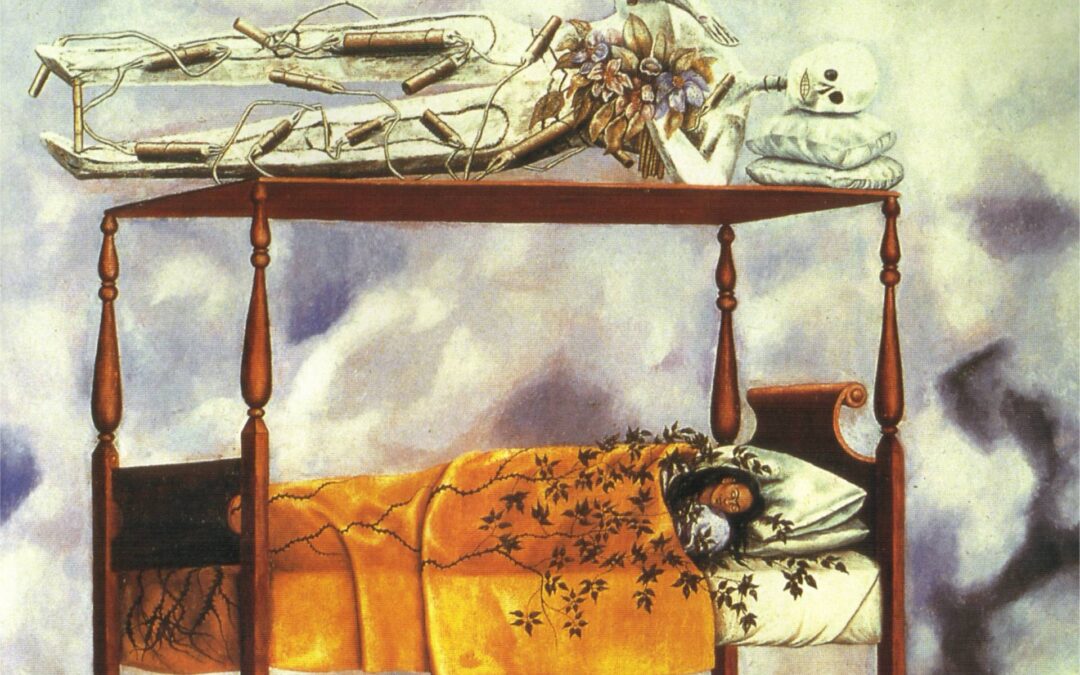
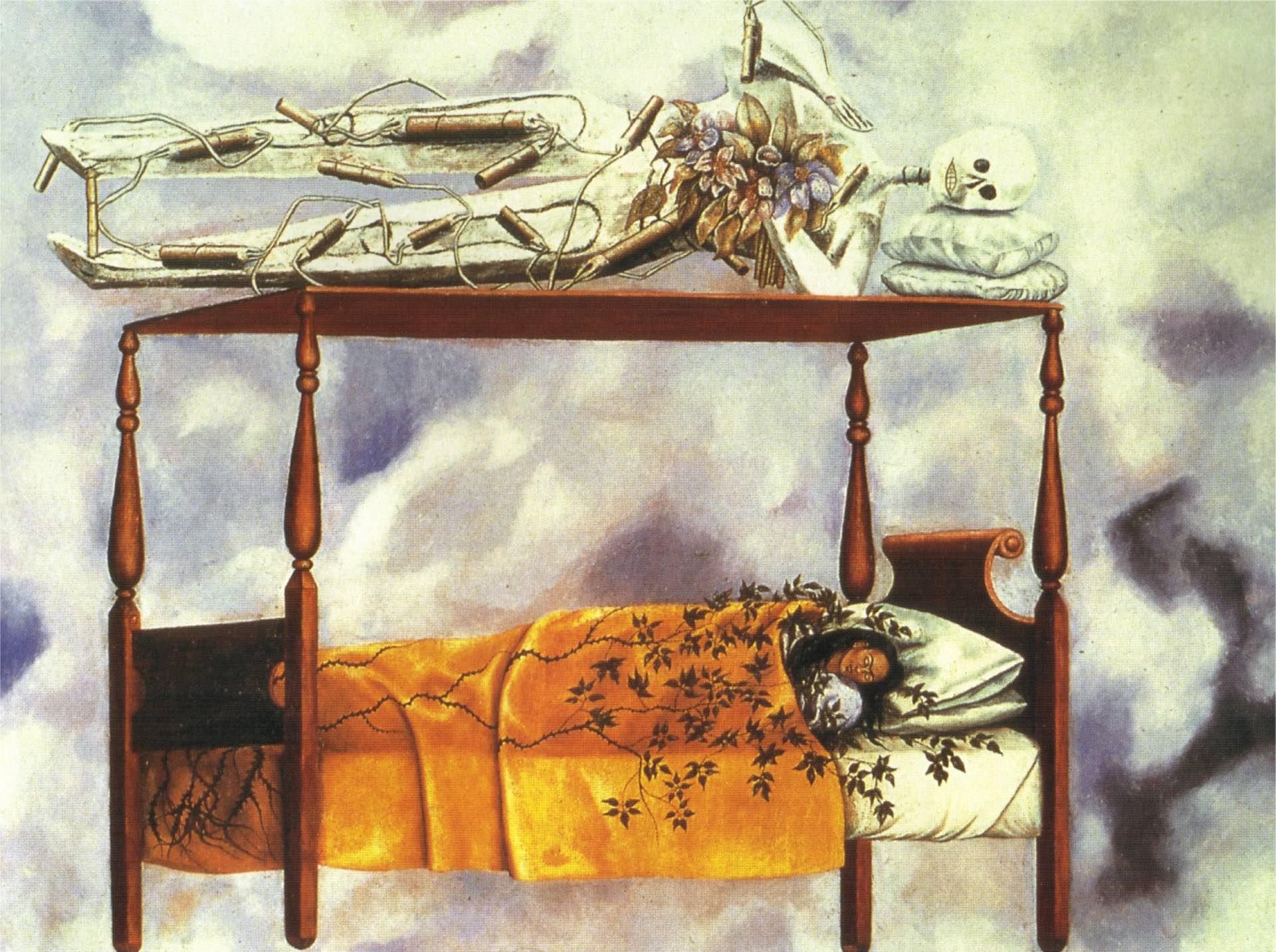
In 1940, Mexican artist Frida Kahlo painted El sueño (La cama)The Dream (The Bed).

When the painting sold through Sotheby’s in 1980, it brought $51,000.

In November 2025, the same painting returned to auction and sold for $54.66 million, establishing a record for Kahlo and Latin American art.

Think about 1980 for a moment.

Someone might have purchased a home for $50,000. An entrepreneur might have been growing a business worth little more than an idea, some equipment and a willingness to work.

Few could have imagined what some of those assets might eventually become.

A Kahlo masterpiece certainly shouldn’t be reduced to an investment calculation. Its cultural importance extends far beyond its auction price.

But its journey raises an interesting question:

How do we recognize value?

A home can have value.

A business can have value.

Art, ideas, brands, real estate and intellectual property can have value.

Ownership allows people to participate when that value grows.

Frida Kahlo | El Sueño (La Cama)The Dream (The Bed), 1940

Oil on canvas. Kahlo’s deeply personal work sold for $51,000 in 1980. In November 2025, it returned to auction at Sotheby’s New York and sold for $54.66 million — a remarkable journey in cultural and economic value that inspired a central question in our story: How do we recognize value?

Artwork image: WikiArt | Public domain

From Consumer to Owner

That brings us to two recent developments in Major League Baseball.

In August 2026, MLB owners unanimously approved the transfer of control of the San Diego Padres to an ownership group led by investors Kwanza Jones and José E. Feliciano. The transaction has been widely reported at a $3.9 billion valuation.

Feliciano, who was born in Puerto Rico, is co-founder and managing partner of Clearlake Capital Group. He and Jones, an investor, entrepreneur and executive, jointly lead the Padres ownership group.

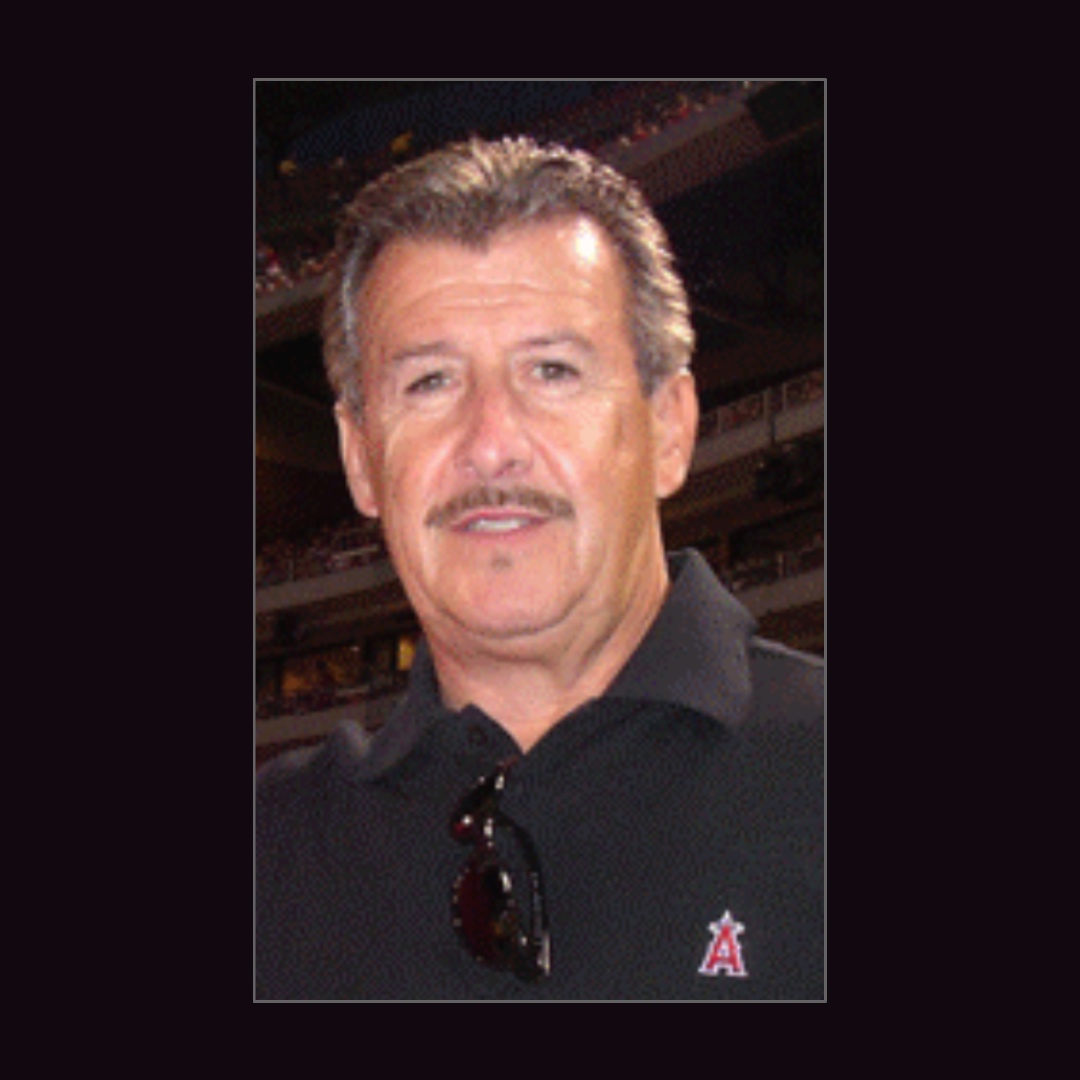
Then came news involving a businessman Hispanic Lifestyle has followed for more than two decades: Arte Moreno.

Moreno purchased the Angels from The Walt Disney Company in 2003 for approximately $184 million, becoming Major League Baseball’s first Latino controlling owner.

In September 2026, an agreement was announced to sell the Angels to Kroenke Sports & Entertainment. Published reports have valued the transaction at approximately $4 billion, although financial terms were not officially disclosed.

For us, the Moreno story carries a little history.

Hispanic Lifestyle was among the Hispanic media outlets that interviewed Moreno shortly after he became owner of the Angels. I remember meeting him at a Latino Business Association event.

My impression was that he wasn’t particularly comfortable with the spotlight.

What was unmistakable was the significance of the entrepreneur standing before us.

He was a businessman.
An owner.
A trailblazer.

More than two decades later, that distinction seems even more important.

More Than Purchasing Power

Moreno, Feliciano and Jones aren’t isolated examples.

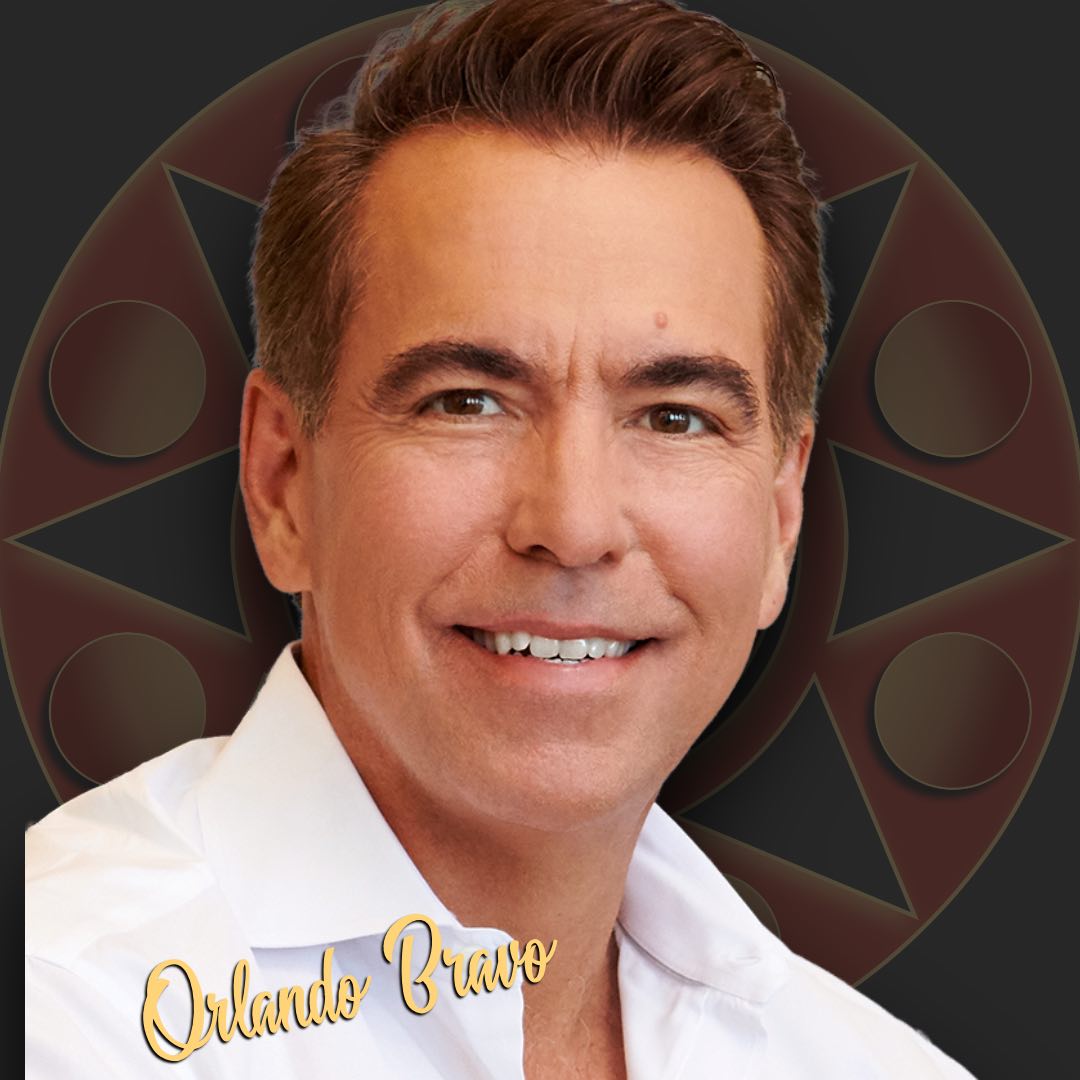
Puerto Rico-born Orlando Bravo, founder of Thoma Bravo, has become one of the most prominent Latino investors in private equity and technology.

These are extraordinary individuals operating at extraordinary financial levels. Their experiences don’t represent the typical Hispanic household.

But they encourage us to ask different questions.

For decades, businesses have wanted to know:

How many Latinos are there?
What do they buy?
How much do they spend?

Perhaps the next set of questions should include:

What are we building?
What are we investing in?
What do we own?
What will we eventually pass forward?


A Changing Economic Story

We can see pieces of that progression throughout our community.

Business owners are growing companies. Professionals are advancing in their careers. Families are buying homes. Entrepreneurs are investing. Executives are accumulating assets. Some are preparing businesses and property to eventually pass to the next generation.

The scale may be dramatically different from a $54 million painting or a multibillion-dollar baseball franchise.

The underlying idea is much more familiar.

Build something. Own something. Increase its value. Carry something forward.

There are still significant disparities in household wealth, homeownership and access to capital. A growing Latino economy does not mean every Latino family is prospering.

A Renaissance isn’t a declaration that the work is finished.

It is recognition that something is changing.

What Comes Next

This is a story we intend to continue exploring.

Over the coming months, HL Media Network, through HispanicLifestyle.com and HL | Culture & Influence, will talk with business owners, professionals, executives, investors, financial experts and families.

We want to better understand homeownership, entrepreneurship, investment, business succession and the transfer of assets and knowledge between generations.

We will ask questions.
We will listen.
We will discover, document and share what we learn.

For decades, America learned to measure the Hispanic market by what it consumed.

Perhaps the more interesting question now is: What will it own?

Welcome to The Renaissance of the U.S. Hispanic Consumer.

The Numbers Behind the Renaissance

2026 U.S. Latino GDP Report
Research measuring the economic output and growth of the U.S. Latino economy.

State of Latino Entrepreneurship
Stanford research examining Latino-owned businesses, entrepreneurship, business growth and access to capital.

Survey of Consumer Finances
Federal Reserve research providing context about household assets, liabilities and wealth.

Latino Wealth Research
Research examining household wealth, economic mobility and barriers to asset building.

EDITOR NOTES 

For more than 30 years, our work has centered on discovering, documenting and sharing the stories of Latino business owners, professionals, executives, entrepreneurs and community leaders.

That work began with Hispanic Lifestyle and continues today across the platforms of HL Media Network.

The reports referenced in this article help us understand the scale of the economic changes taking place. But there is something the numbers don’t always tell us:

Who are the people behind them?

That’s what interests us.

There are thousands of business owners, professionals, executives, investors and families whose individual stories rarely appear in economic reports.

Over the coming months, we intend to find some of them.

We will travel, attend conferences, have conversations and ask questions particularly the questions people may not know they need to ask.

The numbers can help us recognize that something significant is happening.

The people will help us understand what it means.


Beyond Success: What Comes Next?

Beyond Success: What Comes Next?

HL | Culture and Influence

Beyond Success: What Comes Next?

Dr. Betty® Uribe’s ELEVATE program brings accomplished women together to examine leadership, purpose and what comes after professional success.

Photos and article by
Richard Sandoval

n a Saturday at Pepperdine University, eight women stood before an audience to share presentations representing the culmination of months of work as participants in Dr. Betty® Uribe’s ELEVATE program. Their subjects were as varied as their professional and personal experiences. There were conversations about leadership and artificial intelligence, reflections on childhood and family, and candid stories about navigating personal challenges, loss and change. One participant spoke about overcoming ADHD and the challenges associated with preparing and delivering presentations.
There was no single definition of leadership offered that afternoon. Instead, each woman approached the subject through the experiences that had shaped her, providing a glimpse into not only what she had learned through the program, but also what she had learned about herself.

HL Media Network was invited to document the final presentations and graduation ceremony. As we recorded the participants and listened to their stories, another part of the experience became increasingly interesting. These were not women at the beginning of their professional journeys searching for their first opportunity. They were educated and accomplished women business owners, managers and professionals who had already assumed significant responsibilities within their respective careers.

Yet each had made an intentional decision to invest months of her time, along with the financial commitment required to participate in an executive development program, to become a better communicator and leader.

That decision may say as much about leadership as anything presented from the stage.

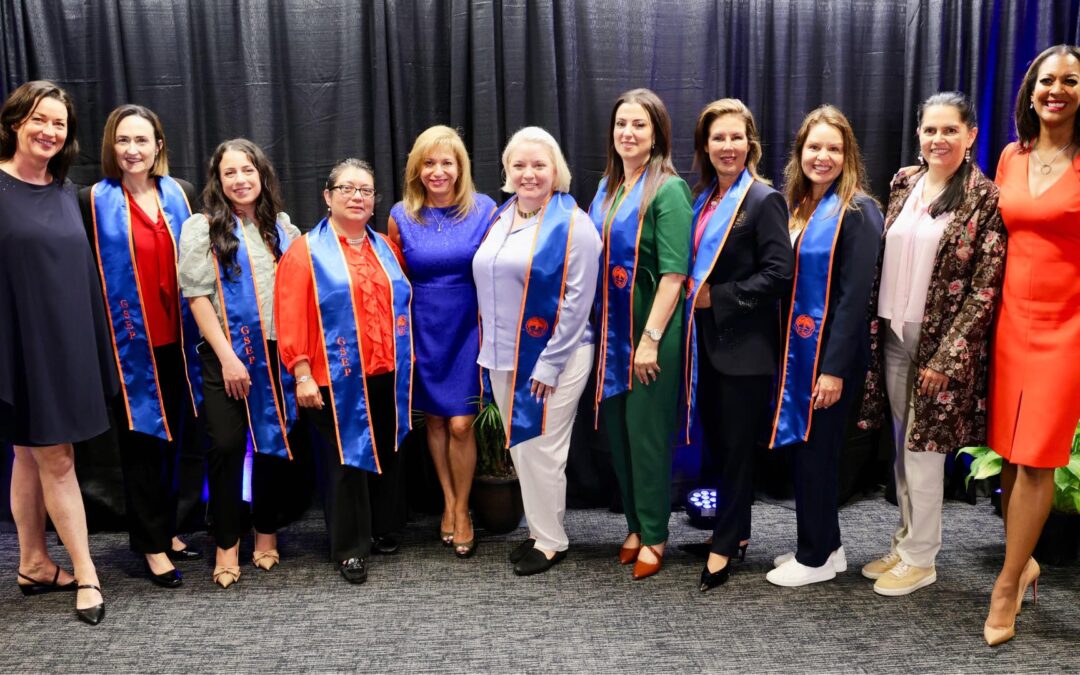
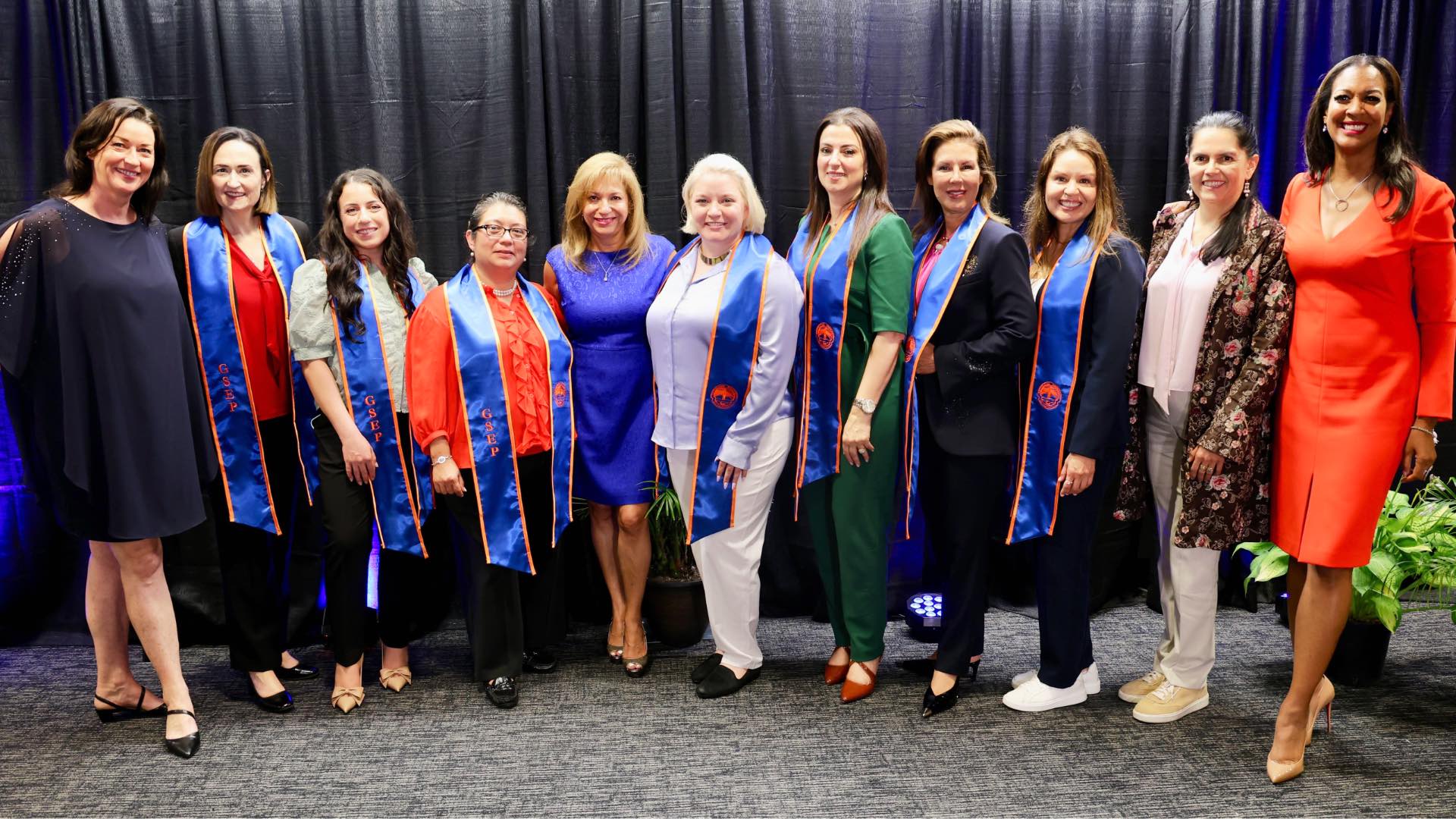
ELEVATE participants and program leaders gathered at Pepperdine University in Malibu to celebrate the completion of the program. Pictured: Stephanie Paul, Maggie O’Sullivan, Diana Jundi, Teresa Razo, Dr. Betty® Uribe, Carolyn Ebersole, Lina Safa, Marisa Sato, Maryl Petreccia, Carolina Chavez and Dawn Robinson.

Creating the Conditions to ELEVATE

For Dr. Betty® Uribe, the program grew from a question she says she has spent much of her life studying: What causes human beings to transcend and how do we create the conditions for that to happen?

Throughout her career working with accomplished leaders and organizations, Uribe says she repeatedly observed that sustainable success begins with alignment understanding who you are, what you value and what you uniquely bring to the world, and then allowing those principles to become the foundation from which you lead.

“I developed ELEVATE to give accomplished leaders space to step away from external demands and examine their lives and leadership more deeply,” Uribe explained.

The program was designed to address a broad range of areas affecting modern leadership, including values, identity, strengths, trust, relationships, negotiation, executive presence, communication, storytelling, branding, technology and artificial intelligence, strategy and legacy. Importantly, Uribe says the objective is to move beyond simply acquiring knowledge and toward putting that knowledge into practice.

“My hope was that each leader would leave with greater clarity about who they are, what they uniquely bring to the world, and how they want to use their influence in this next season of life.”

That idea the next season was particularly relevant as we listened to the women present.

The Investment in Yourself

Success has an interesting way of changing the questions we ask ourselves. Early in a career, the goals can appear relatively straightforward: find an opportunity, develop experience, earn a promotion, build a business or establish yourself professionally. Eventually, however, many accomplished professionals reach a point where the next move is less obvious.

The skills that helped someone become a successful manager may not necessarily be the same skills required to become an executive vice president. Building a successful business does not automatically prepare its founder to lead a significantly larger organization. Professional knowledge and experience can open doors, but increased responsibility brings new expectations surrounding communication, negotiation, decision-making, strategic thinking and leadership.

Throughout the ELEVATE presentations, we heard a great deal about what the participants had experienced and what they had discovered about themselves. There were moments of vulnerability and stories of perseverance. Some reflected on difficult personal chapters, including divorce, the death of loved ones and periods when life’s circumstances required them to regain their focus.

Their stories were reminders that professional development rarely occurs independently of everything else happening in someone’s life. Leadership is shaped by all of it.

Uribe describes one of the most significant outcomes of the inaugural ELEVATE cohort as “clarity accompanied by agency.”

“These leaders entered ELEVATE already accomplished,” she said. “Through the experience, they became more intentional about how they wanted to lead, make decisions, communicate, negotiate, build relationships, and invest their time.”

Their reflection papers and final presentations, according to Uribe, demonstrated greater clarity surrounding values and identity, stronger executive presence and communication, increased confidence in negotiation and decision-making, and a greater ability to recognize both patterns that needed to be released and opportunities worth pursuing.

That last point deserves attention.

Confidence at this stage of a professional career isn’t simply the ability to deliver a presentation or speak comfortably before an audience. At increasingly higher levels of leadership, confidence can mean trusting your judgment when the consequences of a decision become larger. It can mean expressing an opinion in a room filled with accomplished people, pursuing an executive position before someone else tells you that you are ready, expanding a business beyond its comfortable boundaries or recognizing that years of experience have earned you a place at the table.

The women participating in ELEVATE had already demonstrated that they possessed many of the tools necessary to succeed. Their professional accomplishments were evidence of that. Their participation suggested something equally important: successful people can recognize that there are still tools they need to acquire. 

From Success to Stewardship

Something else happened as the cohort progressed. Uribe saw the participants begin thinking beyond their individual success.
She points to the trust developed among the women as an important part of the experience. That community created an environment for vulnerability, accountability, encouragement and learning that extended beyond the formal curriculum.

More significantly, she said their thinking began shifting toward stewardship and legacy.

“What have I been entrusted with? Who can benefit from what I know? What do I want my leadership to produce beyond my own success?”

For Uribe, that is the point where personal transformation has the potential to become something larger.

“That is where transformation becomes multiplication.”

It also presents an interesting evolution in the way we think about professional success. At some point, the question may no longer simply be how much someone can accomplish personally. The question becomes what their experience, knowledge, relationships and influence can create for other people.

Dawn E. Robinson, MBA, served as Master of Ceremonies for the ELEVATE graduation ceremony at Pepperdine University in Malibu.

Graduation Is a Milestone, Not an Ending

As the presentations concluded and the women were recognized for completing the program, I found myself thinking less about graduation and more about what happens afterward.

It turns out Dr. Betty® was thinking about the same thing.

“The inaugural cohort taught us something important: ELEVATE cannot end at graduation,” she said.

Uribe is now developing ELEVATE as what she describes as an ecosystem—a continuum intended to support leaders through discovery, executive development, application, accountability, integration and eventually legacy.

The journey begins with Discovery Foundations™, where participants examine their values, strengths, identity, purpose and areas requiring greater alignment. Leaders can then move into the Executive Leadership Master Certification™, an intensive experience incorporating values-centered leadership, negotiation, executive presence, storytelling and branding, trust and belonging, strategic thinking, ethical AI and real-world application.

Graduates can continue their development through the Impact Circle™, designed around ongoing reflection, accountability, peer learning and leadership development. Uribe is also building Integration & Expansion™, which will include immersive global experiences intended to deepen the work by removing participants from the pressures and routines of everyday life.

Over time, selected graduates may also return as Fellows, faculty collaborators, mentors or understudies, allowing the lessons and methodology to move from one generation of participants to another.

This begins to redefine what graduation represents.

Instead of being the conclusion of an educational experience, graduation becomes one marker along a much longer leadership journey.

What Comes Next?

That idea also raises a broader question about women and leadership.

For decades, HL has had the opportunity to meet, interview and recognize accomplished women across numerous industries and at virtually every stage of their careers. Many no longer need someone to convince them that they are capable. Their résumés demonstrate their abilities. They have built companies, managed employees, led organizations, raised families, survived difficult circumstances and established themselves professionally.

For this group of women, the conversation may need to evolve beyond simply encouraging them to succeed. The more interesting question is what they need to reach the next level.

For one woman, that may mean stronger executive communication skills. For another, it could be financial education, understanding artificial intelligence, developing strategic relationships, learning how to negotiate at a higher level or preparing to serve on a corporate board. A successful entrepreneur may need to understand capital and scaling. An experienced corporate executive may need greater visibility and relationships outside her organization before she can realistically compete for a CEO position.

There isn’t one missing skill because there isn’t one definition of what comes next.

Perhaps that is one of the most valuable lessons from spending an afternoon listening to the ELEVATE participants. Professional development doesn’t end when someone becomes successful. In many respects, success simply creates another set of questions.

Dr. Betty® sees an even longer horizon for the program. While the graduation HL documented predominantly featured women, ELEVATE itself is not exclusively a women’s leadership program. The founding cohort included one male participant who joined from Croatia, and Uribe says the next cohort, planned for this fall, will bring together a more balanced representation of accomplished women and men.

“It was an extraordinary honor to lead this founding cohort of remarkable leaders,” Uribe said. “There was something very special about watching this group challenge themselves, support one another, and ultimately discover that ELEVATE is about far more than professional success—it is about who we become, the impact we are called to make, and the legacy we are leaving behind for a time we will never see.”

As she looks toward the next cohort, Uribe believes bringing together a broader range of perspectives, experiences and leadership styles will add another dimension to the experience. Her larger vision is for ELEVATE to eventually become a global community of values-centered leaders who understand leadership as stewardship. Success, she believes, should ultimately be measured by what happens beyond the classroom: the organizations participants strengthen, the people they develop, the families and communities they influence, the decisions they make when nobody is watching and the opportunities they create for those who follow.

“That is what I believe ELEVATE can become: transformation that multiplies from one leader to another, to an organization, to a community and ultimately across generations.”

At HL, we have always been interested in asking people a deceptively simple question: What’s next?

For these eight women, we now have another reason to ask it.

They invested in themselves. They challenged themselves. They completed ELEVATE. Their graduation at Pepperdine University marked an accomplishment worth celebrating, but both the experience we witnessed and Dr. Betty® Uribe’s vision for the program suggest that graduation isn’t where this story ends.

It may be where the more interesting story begins.

Now we look forward to discovering what they do next.

Exclusive photos taken at the ELEVATE graduation ceremony at Pepperdine University in Malibu. Photos by HL Media Network.

2026 Elevate Executive Certification Program | Pepperdine University

EDITOR NOTES 

HL Media Network was invited to document the ELEVATE final presentations and graduation at Pepperdine University in Malibu. What began as an opportunity to capture an important milestone became an opportunity to listen to accomplished women sharing their experiences, challenges and ambitions for what comes next.

Their stories reinforce our belief that leadership development does not end with professional success. We look forward to following their journeys and continuing the conversation about the skills, relationships and opportunities that help accomplished women reach their next level.