The Renaissance of the U.S. Hispanic Consumer

The Renaissance of the U.S. Hispanic Consumer

HL | CULTURE & INFLUENCE

The Renaissance of the U.S. Hispanic Consumer

For decades, America learned to measure the Hispanic market by what it consumed. The next chapter may increasingly be measured by what it owns.

Photos and article by
Richard Sandoval

here is no shortage of uncertainty surrounding the American consumer.
The cost of groceries, housing, energy and everyday necessities continues to influence decisions around kitchen tables and inside businesses across the country.

Yet amid that uncertainty, something interesting is happening.

For years, reports have documented the growing purchasing power and economic contributions of U.S. Latinos. The 2026 U.S. Latino GDP Report estimates that Latinos generated $4.4 trillion in U.S. economic output in 2024.

That is an impressive number.

But numbers alone don’t tell the story.

What Do We Value?

Consider a painting created more than eight decades ago.

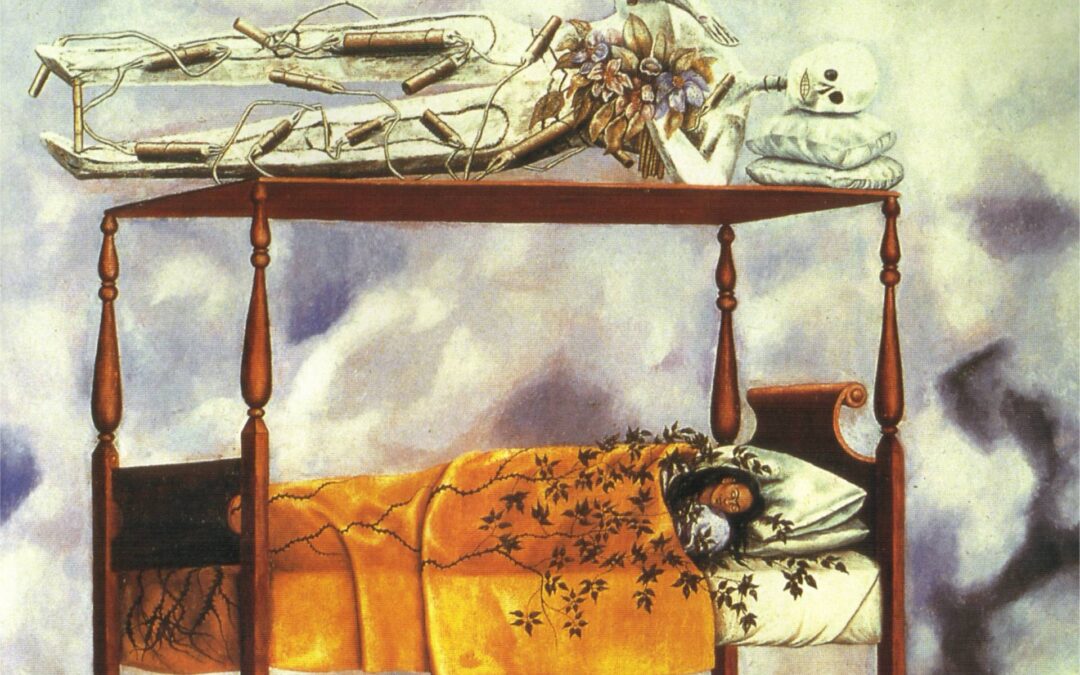
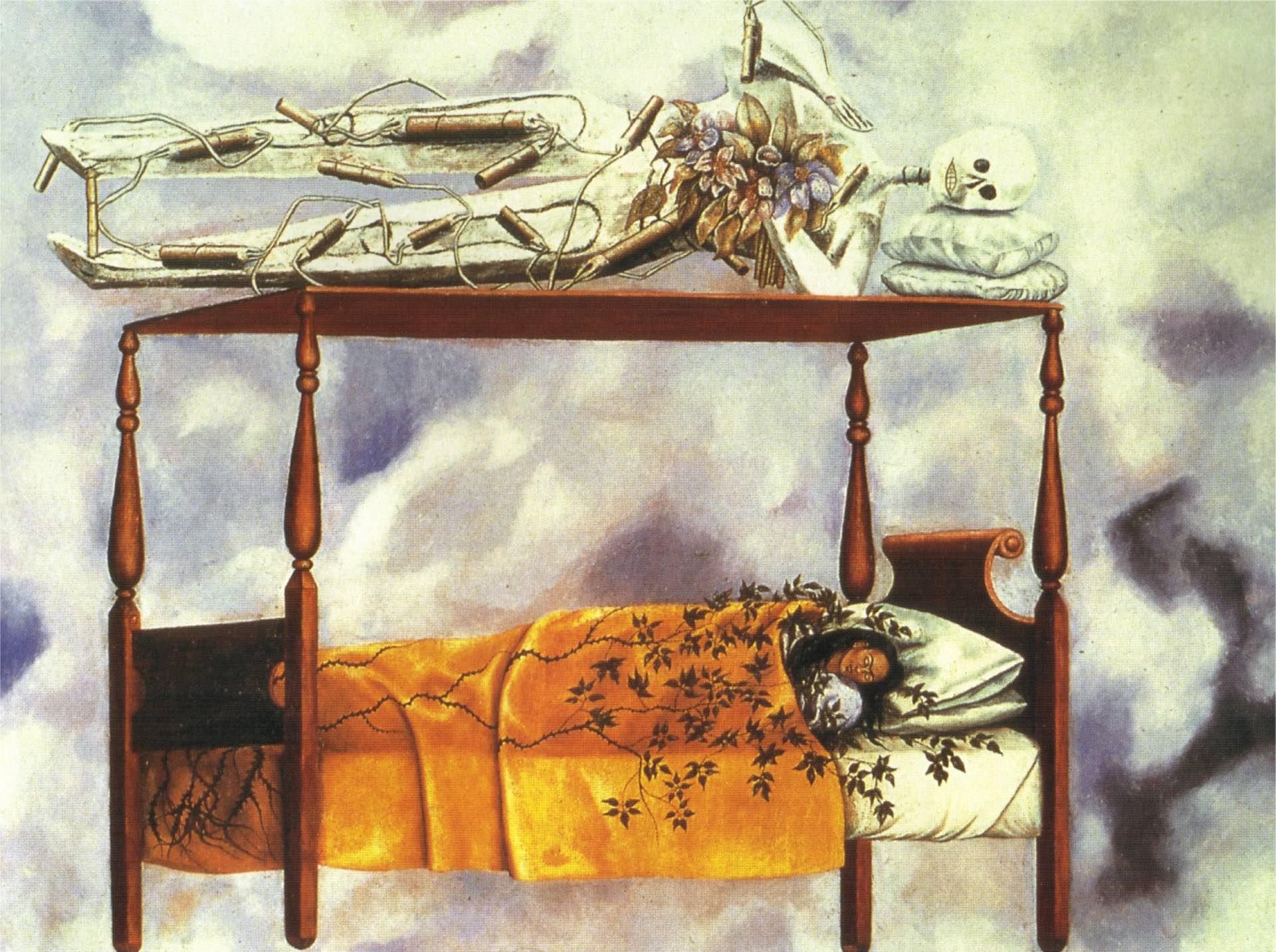
In 1940, Mexican artist Frida Kahlo painted El sueño (La cama)The Dream (The Bed).

When the painting sold through Sotheby’s in 1980, it brought $51,000.

In November 2025, the same painting returned to auction and sold for $54.66 million, establishing a record for Kahlo and Latin American art.

Think about 1980 for a moment.

Someone might have purchased a home for $50,000. An entrepreneur might have been growing a business worth little more than an idea, some equipment and a willingness to work.

Few could have imagined what some of those assets might eventually become.

A Kahlo masterpiece certainly shouldn’t be reduced to an investment calculation. Its cultural importance extends far beyond its auction price.

But its journey raises an interesting question:

How do we recognize value?

A home can have value.

A business can have value.

Art, ideas, brands, real estate and intellectual property can have value.

Ownership allows people to participate when that value grows.

Frida Kahlo | El Sueño (La Cama)The Dream (The Bed), 1940

Oil on canvas. Kahlo’s deeply personal work sold for $51,000 in 1980. In November 2025, it returned to auction at Sotheby’s New York and sold for $54.66 million — a remarkable journey in cultural and economic value that inspired a central question in our story: How do we recognize value?

Artwork image: WikiArt | Public domain

From Consumer to Owner

That brings us to two recent developments in Major League Baseball.

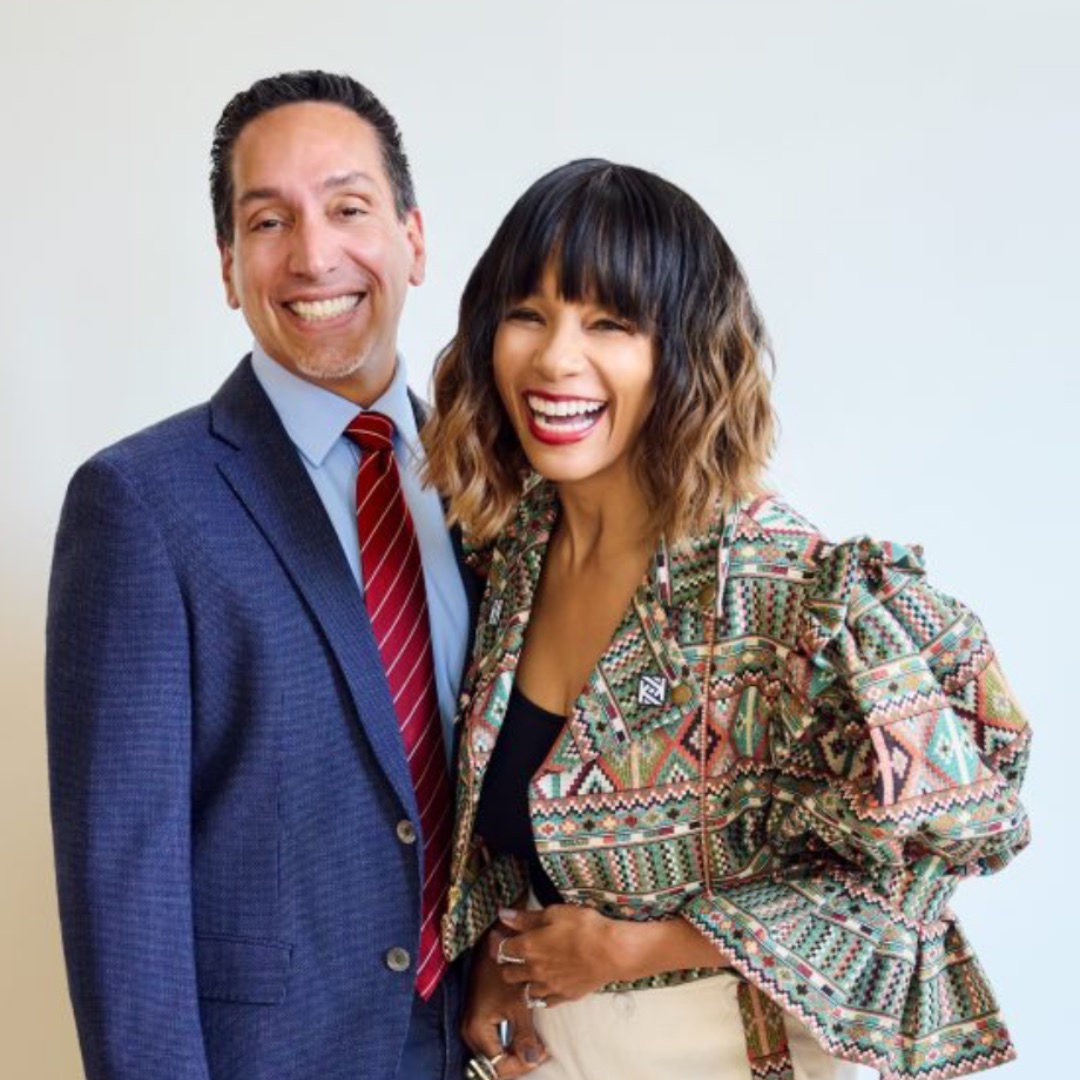
In August 2026, MLB owners unanimously approved the transfer of control of the San Diego Padres to an ownership group led by investors Kwanza Jones and José E. Feliciano. The transaction has been widely reported at a $3.9 billion valuation.

Feliciano, who was born in Puerto Rico, is co-founder and managing partner of Clearlake Capital Group. He and Jones, an investor, entrepreneur and executive, jointly lead the Padres ownership group.

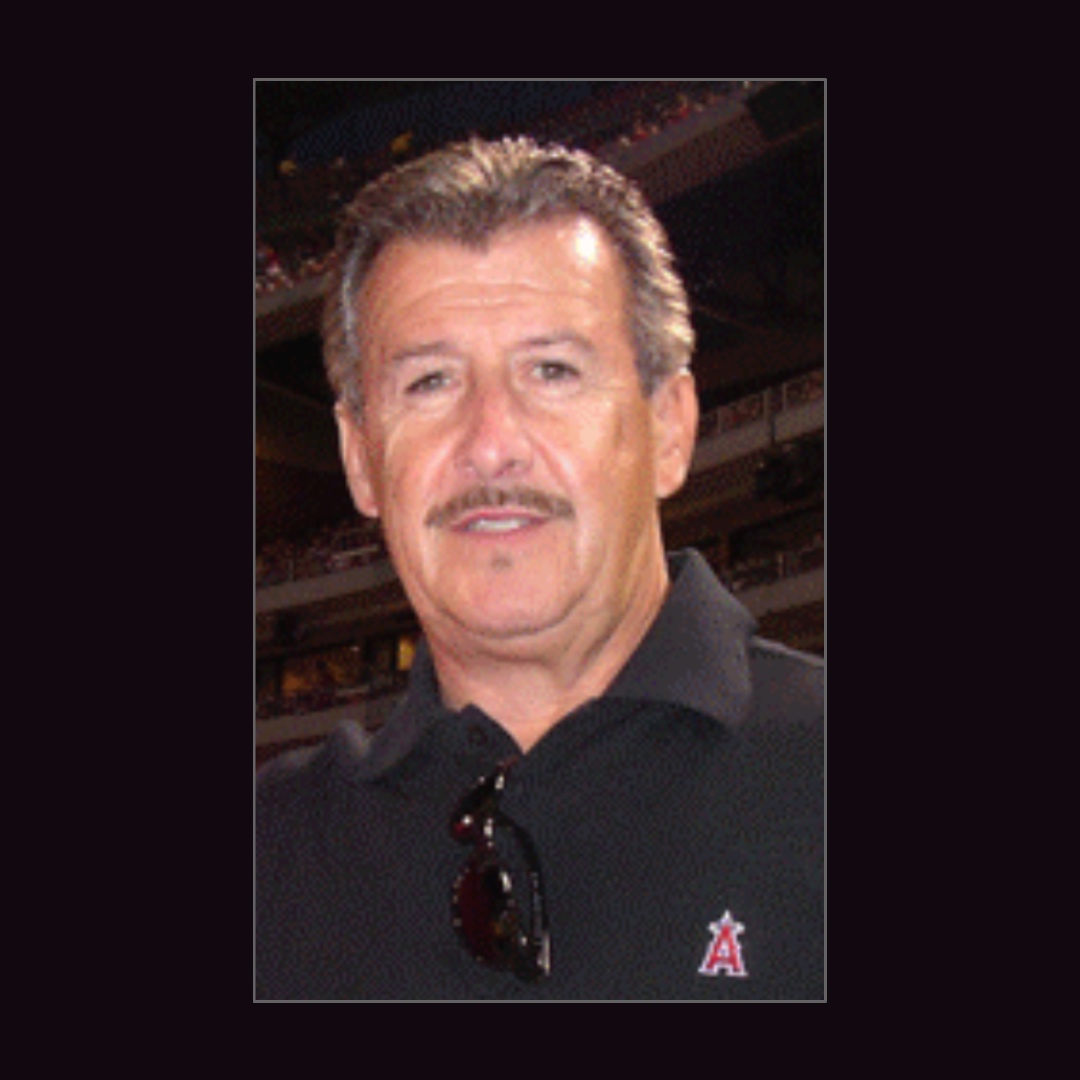
Then came news involving a businessman Hispanic Lifestyle has followed for more than two decades: Arte Moreno.

Moreno purchased the Angels from The Walt Disney Company in 2003 for approximately $184 million, becoming Major League Baseball’s first Latino controlling owner.

In September 2026, an agreement was announced to sell the Angels to Kroenke Sports & Entertainment. Published reports have valued the transaction at approximately $4 billion, although financial terms were not officially disclosed.

For us, the Moreno story carries a little history.

Hispanic Lifestyle was among the Hispanic media outlets that interviewed Moreno shortly after he became owner of the Angels. I remember meeting him at a Latino Business Association event.

My impression was that he wasn’t particularly comfortable with the spotlight.

What was unmistakable was the significance of the entrepreneur standing before us.

He was a businessman.
An owner.
A trailblazer.

More than two decades later, that distinction seems even more important.

More Than Purchasing Power

Moreno, Feliciano and Jones aren’t isolated examples.

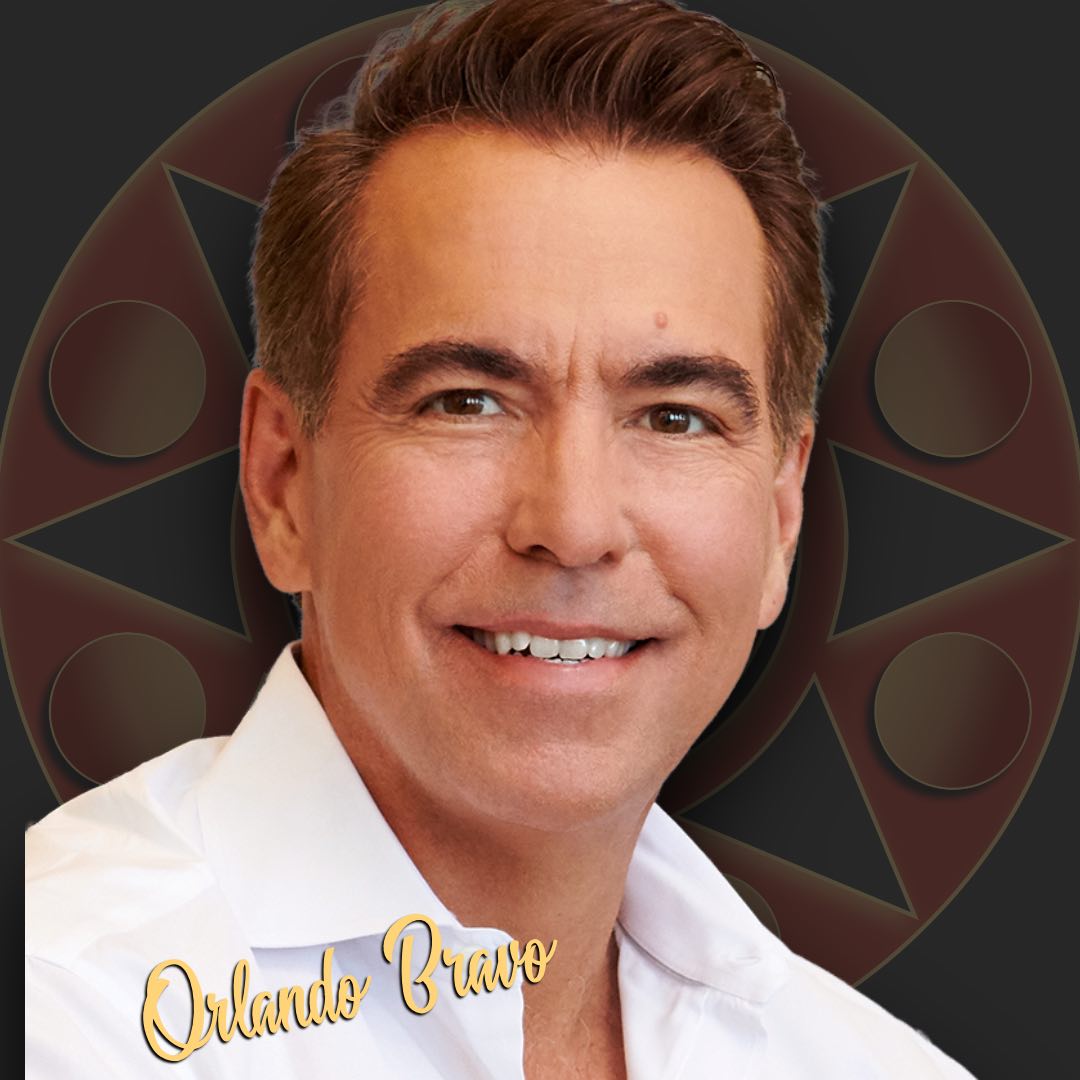
Puerto Rico-born Orlando Bravo, founder of Thoma Bravo, has become one of the most prominent Latino investors in private equity and technology.

These are extraordinary individuals operating at extraordinary financial levels. Their experiences don’t represent the typical Hispanic household.

But they encourage us to ask different questions.

For decades, businesses have wanted to know:

How many Latinos are there?
What do they buy?
How much do they spend?

Perhaps the next set of questions should include:

What are we building?
What are we investing in?
What do we own?
What will we eventually pass forward?


A Changing Economic Story

We can see pieces of that progression throughout our community.

Business owners are growing companies. Professionals are advancing in their careers. Families are buying homes. Entrepreneurs are investing. Executives are accumulating assets. Some are preparing businesses and property to eventually pass to the next generation.

The scale may be dramatically different from a $54 million painting or a multibillion-dollar baseball franchise.

The underlying idea is much more familiar.

Build something. Own something. Increase its value. Carry something forward.

There are still significant disparities in household wealth, homeownership and access to capital. A growing Latino economy does not mean every Latino family is prospering.

A Renaissance isn’t a declaration that the work is finished.

It is recognition that something is changing.

What Comes Next

This is a story we intend to continue exploring.

Over the coming months, HL Media Network, through HispanicLifestyle.com and HL | Culture & Influence, will talk with business owners, professionals, executives, investors, financial experts and families.

We want to better understand homeownership, entrepreneurship, investment, business succession and the transfer of assets and knowledge between generations.

We will ask questions.
We will listen.
We will discover, document and share what we learn.

For decades, America learned to measure the Hispanic market by what it consumed.

Perhaps the more interesting question now is: What will it own?

Welcome to The Renaissance of the U.S. Hispanic Consumer.

The Numbers Behind the Renaissance

2026 U.S. Latino GDP Report
Research measuring the economic output and growth of the U.S. Latino economy.

State of Latino Entrepreneurship
Stanford research examining Latino-owned businesses, entrepreneurship, business growth and access to capital.

Survey of Consumer Finances
Federal Reserve research providing context about household assets, liabilities and wealth.

Latino Wealth Research
Research examining household wealth, economic mobility and barriers to asset building.

EDITOR NOTES 

For more than 30 years, our work has centered on discovering, documenting and sharing the stories of Latino business owners, professionals, executives, entrepreneurs and community leaders.

That work began with Hispanic Lifestyle and continues today across the platforms of HL Media Network.

The reports referenced in this article help us understand the scale of the economic changes taking place. But there is something the numbers don’t always tell us:

Who are the people behind them?

That’s what interests us.

There are thousands of business owners, professionals, executives, investors and families whose individual stories rarely appear in economic reports.

Over the coming months, we intend to find some of them.

We will travel, attend conferences, have conversations and ask questions particularly the questions people may not know they need to ask.

The numbers can help us recognize that something significant is happening.

The people will help us understand what it means.


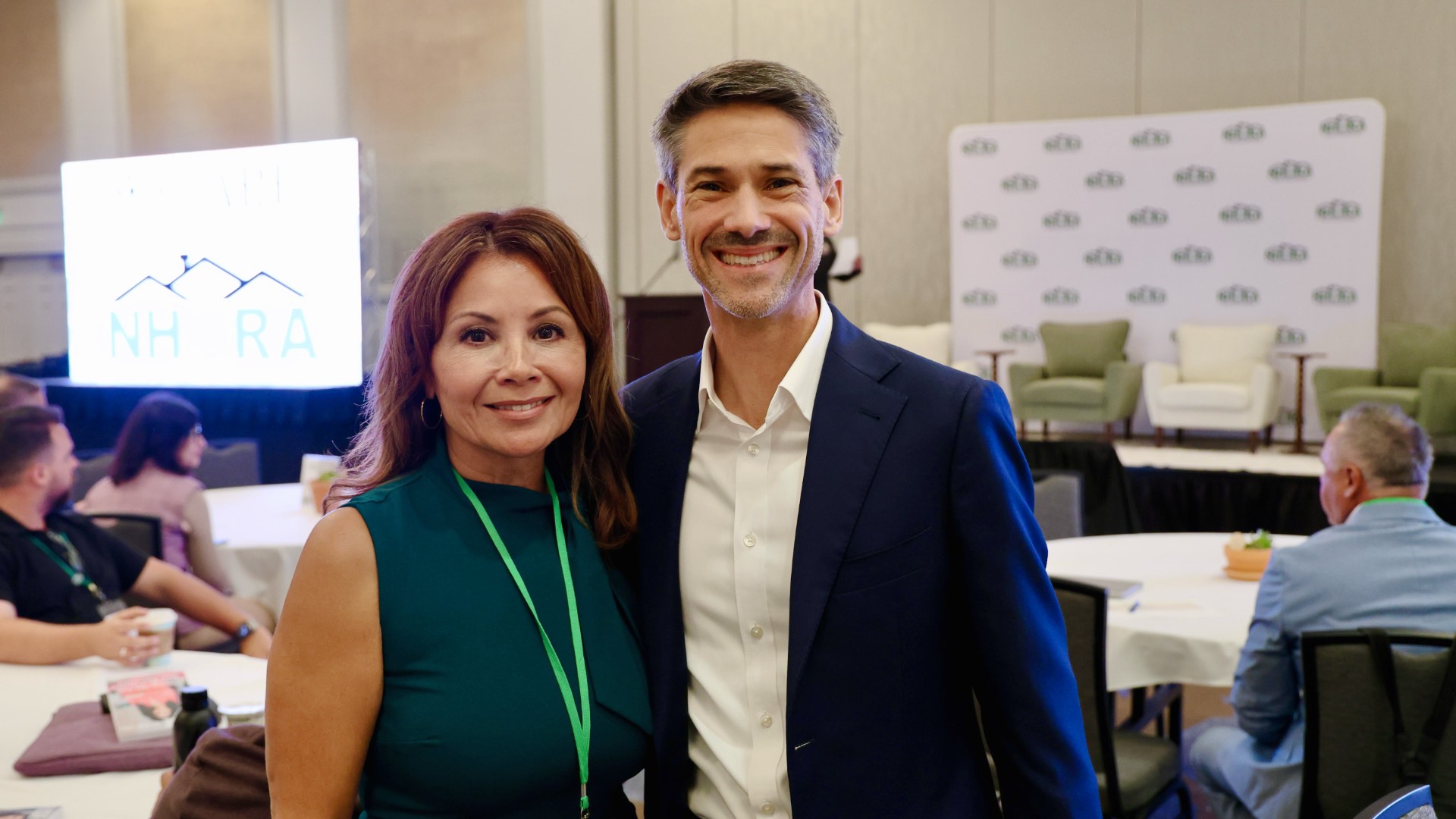
NHORA | A Path to Homeownership

NHORA | A Path to Homeownership

HL | Culture and Influence

NHORA | A Path to Homeownership

The National Hispanic Organization of Real Estate Associates brings together real estate professionals, industry leaders and community advocates around homeownership, leadership and economic opportunity.

Photos and article by
Richard Sandoval

or many families, homeownership represents much more than purchasing a property. It can represent stability, financial opportunity, community and an important step toward building generational wealth.

Helping more families navigate that path is part of the mission of the National Hispanic Organization of Real Estate Associates (NHORA), a national organization focused on promoting responsible and sustainable homeownership while developing professional and community leadership.

NHORA brings together professionals from real estate, lending and related industries and provides opportunities for education, professional development, community involvement and relationship building.

The organization describes its work as encouraging members to serve as trusted advisors within the Hispanic community while providing educational forums, sharing industry information and advocating for policies affecting the communities its members serve.

That work happens both nationally and through NHORA’s network of local chapters, where professionals participate in educational programs, community outreach and industry events.

An important extension of that mission is the NHORA Foundation, which focuses on housing, financial literacy, entrepreneurship and financial empowerment.

Among its signature initiatives is Road to Homeownership, a series of community programs designed to connect prospective homebuyers with real estate professionals, lenders and resources that can help them better understand the homebuying process.

Elevate. Lead. Serve.

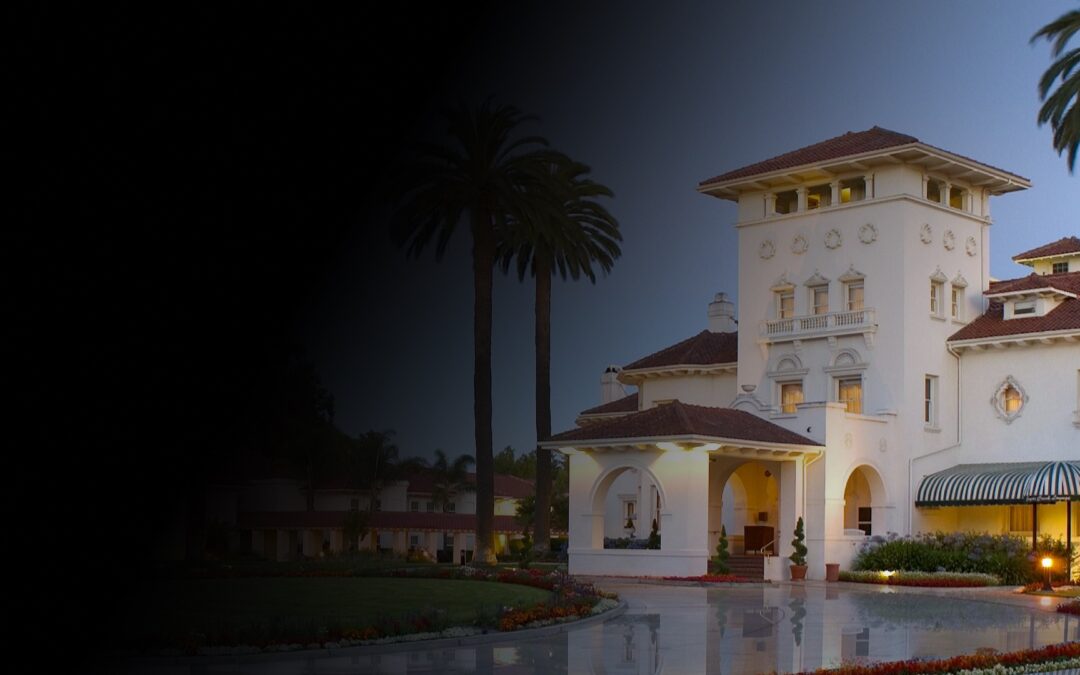
On September 11, NHORA will bring its national network together in Silicon Valley for the 2026 NHORA National Conference at Hayes Mansion in San Jose.

Under the theme “Elevate. Lead. Serve.”, the conference is expected to bring together real estate professionals, industry leaders, entrepreneurs and community advocates for a day of education, networking and conversations surrounding homeownership, leadership and economic empowerment.

The National Conference follows a September 10 Chapter Retreat, also at Hayes Mansion, where NHORA chapter leaders and board members will gather for leadership development, collaboration and relationship building.

For those unfamiliar with NHORA, the September gathering provides an opportunity to learn more about an organization working at the intersection of real estate, professional leadership and homeownership.

It also raises some interesting conversations worth following: What does the path to homeownership look like today? How are real estate and lending professionals responding to changing economic conditions? How can greater financial knowledge help prepare the next generation of homeowners? And what role can organizations such as NHORA play in connecting communities with the people and resources needed to move forward?

Those are conversations we look forward to exploring.

The 2026 NHORA National Conference takes place Friday, September 11, 2026, at Hayes Mansion in San Jose, California.

HL | Milestone Series – Honors Gloria Mirazo Gregor

HL | Milestone Series – Honors Gloria Mirazo Gregor

HL | Milestone Series – Honors Gloria Mirazo Gregor

Leadership, Influence & Legacy

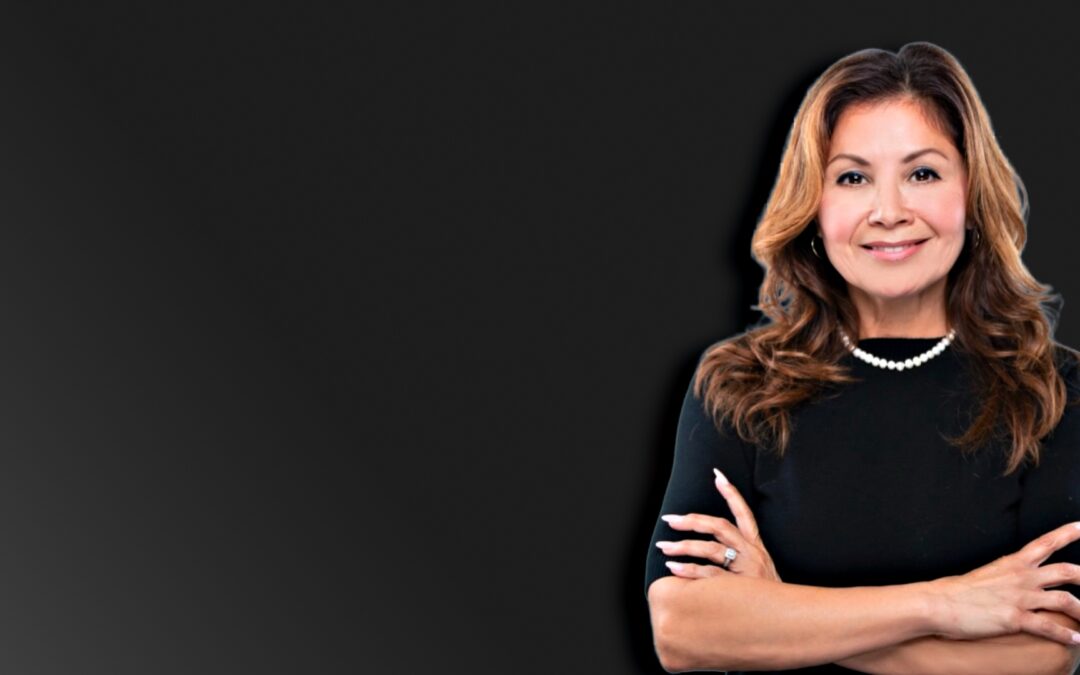
Throughout her career, Gloria Mirazo Gregor has helped families achieve one of life’s most important milestones homeownership. As a respected mortgage banking executive and community leader, her influence extends beyond lending, helping create pathways to financial stability, wealth-building, and opportunity for countless individuals and families.

Today, Gloria serves as a Mortgage Retail Senior Market Manager and Executive Director with Wells Fargo Home Lending, leading a team of more than 150 mortgage professionals across California, Washington, and Oregon. Her expanding leadership responsibilities reflect both her performance and the trust placed in her ability to guide high-performing teams across multiple markets.

Gloria Mirazo Gregor will be recognized during  our HL | Milestone Series – Silicon Valley event, taking place on June 17, 2026. This invitation-only reception brings together a curated audience of executives, entrepreneurs, and community leaders for an evening of connection, conversation, and recognition.

👉 Event details & RSVP: https://bit.ly/41B5Z3J

Known for her commitment to exceptional client service, Gloria has built a career focused on helping individuals and families navigate the homebuying journey while empowering the teams she leads. Her ability to combine operational excellence with a people-first leadership style has helped establish her organization as one of the nation’s top-performing mortgage teams.

Throughout her career, Gloria has received numerous top production awards and currently leads the number one mortgage team in the country, a distinction maintained for the past two years. She remains focused on improving customer experiences through stronger sales processes, innovative technology, and a commitment to building lifelong client relationships.

Beyond her professional accomplishments, Gloria has remained deeply engaged in Hispanic and Latino community initiatives. Her service as President of the Latina Business Women’s Association reflects a longstanding commitment to mentorship, advocacy, and expanding opportunities for future generations of leaders.

Milestone Moments

• Mortgage Retail Senior Market Manager & Executive Director, Wells Fargo Home Lending

• Leads a team of more than 150 mortgage professionals

• Leadership responsibilities spanning California, Washington, and Oregon

• Leader of the nation’s #1 mortgage team for the past two years

• Recipient of numerous top production and leadership awards

• Former President, Latina Business Women’s Association

• Advocate for homeownership, financial literacy, and community engagement

• Bachelor’s Degree, University of California, Berkeley

• Master of Business Administration (MBA), Drexel University

• Proud immigrant from Mexico

Creating Opportunity Through Homeownership

For many families, homeownership represents more than purchasing a house—it represents stability, opportunity, and the ability to build a lasting legacy. Throughout her career, Gloria has remained committed to helping individuals and families navigate that journey with confidence.

Her own story reflects the power of perseverance and opportunity. As an immigrant who built a successful career through dedication, education, and hard work, Gloria understands the transformative impact that access to financial resources and homeownership can have on future generations.

That perspective has shaped her leadership approach. Whether mentoring team members, serving clients, or supporting community organizations, Gloria consistently focuses on creating opportunities that help others achieve their goals.

Her influence extends beyond production numbers and business results. Through her leadership, she has helped strengthen teams, expand access to homeownership, and inspire future leaders within both the financial services industry and the Hispanic community.

Today, Gloria continues to demonstrate how leadership, service, and a commitment to excellence can create meaningful impact across communities and generations.

Her career stands as a powerful example of how professional success and community engagement can work together to create lasting influence.

The HL | Milestone Series is a national platform designed to celebrate leadership across business, community, education, and innovation.

The 2026 HL | Milestone Series is made possible through the support of Wells Fargo, the series’ funding partner, whose commitment to community engagement and financial empowerment helps bring these important conversations and recognitions to life.

HL | Update 29.9 From Surviving to Thriving Stories Behind Success, Influence & Legacy

HL | Update 29.9 From Surviving to Thriving Stories Behind Success, Influence & Legacy

HL | Update 29.9 From Surviving to Thriving Stories Behind Success, Influence & Legacy

by Richard Sandoval – HL Culture & Influence

Over the past month, I’ve been thinking about a simple question:

What separates those who survive from those who thrive?

As we close out Small Business Month, that question feels especially relevant. Throughout my career, I’ve had the opportunity to meet entrepreneurs, executives, and community leaders who have navigated uncertainty, setbacks, and changing markets. What they share is not luck. It’s resilience, adaptability, and a willingness to keep moving forward.

In this edition of HL | Update, we explore those themes through our feature, Small Business Month: A Surviving to Thrive Story, highlighting the journeys of business owners who continue to build opportunities not only for themselves, but for future generations.

We also take a brief trip back to New York City, where a visit to Café Ginori inside Bergdorf Goodman reminded me that some of life’s best discoveries are often hidden in plain sight. Whether in business or travel, curiosity has a way of opening new doors.

You’ll also meet several of the remarkable individuals recognized through our recent HL | Milestone Series. Their accomplishments span business, community leadership, entrepreneurship, media, and advocacy, yet they all share a common thread: a commitment to creating meaningful impact.

At HL | Culture and Influence, we remain focused on telling stories that inform, inspire, and connect. Stories about leadership. Stories about opportunity. Stories about the people helping shape our communities.

Thank you for being part of this journey.

In this edition of HL | Update

Small Business Month: A Surviving to Thrive Story

Café Ginori: One of Manhattan’s Most Charming Hidden Gems

In case you missed “Videos”

Orange County – HL | Milestone Event

New York – HL | Milestone Event

Milestone Honoree Profiles

HL | Milestone Series – Honors A&H Security Services

HL | Milestone Series – Honors Classico Building Maintenance

HL | Milestone Series – Honors Esperanza (Escobar) Teasdale

HL | Milestone Series – Honors Ana Ceppi

Have a story to share, please send me a message – RDS@HispanicLifestyle.Com

More Stories

Westchester County: Where Wealth, Access, and Influence Continue to Shape the Future

Westchester County: Where Wealth, Access, and Influence Continue to Shape the Future

Westchester County: Where Wealth, Access, and Influence Continue to Shape the Future

by Richard Sandoval, for HL and Home, Tu Casa

For generations, Westchester County has represented a unique intersection of wealth, proximity, education, and influence.

Located just north of New York City, Westchester has long attracted corporate executives, entrepreneurs, financial professionals, healthcare leaders, athletes, entertainers, and an increasingly influential multicultural professional class seeking both opportunity and quality of life.

Today, the county continues to evolve not simply as a suburban extension of Manhattan, but as a powerful economic region in its own right.

For HL, Westchester represents more than affluence. It reflects a broader conversation about access, ownership, generational opportunity, and how communities continue redefining influence in one of the nation’s most competitive economic corridors.

A County Built on Access

One of Westchester County’s greatest assets has always been location.

Residents can access Manhattan by rail in under an hour while maintaining proximity to some of the Northeast’s most desirable residential communities. Over time, that accessibility helped fuel a concentration of wealth tied to finance, law, healthcare, media, technology, and corporate leadership.

Communities such as Scarsdale, Rye, Bronxville, White Plains, and New Rochelle have become synonymous with strong school systems, real estate stability, professional networks, and long-term investment potential.

At the same time, Westchester’s economic story continues expanding beyond traditional perceptions of wealth.

A growing number of Latino professionals, entrepreneurs, healthcare executives, small business owners, and civic leaders are helping reshape the county’s business and cultural landscape building companies, purchasing homes, supporting educational advancement, and creating pathways for future generations.

Westchester County by the Numbers (2025–2026)

  • Median Household Income
    $118,976
    Among the highest median household incomes in New York State.
  • Per Capita Income
    $72,705
    Reflecting the county’s concentration of high-earning professional households.
  • Median Single-Family Home Price (2025)
    $985,000
    Up approximately 6.5% year-over-year.
  • Average Single-Family Home Price
    $1.31 Million
    Demonstrating continued strength in the luxury and executive housing markets.
  • Residential Real Estate Sales Volume
    More than $6.3 Billion
    Westchester residential sales volume increased over 10% in 2025.
  • Number of Households
    Approximately 373,000 households
    Supporting a large, affluent suburban economy tied to New York City.

Real Estate Remains Central to Generational Wealth

Like many affluent regions across the United States, real estate continues to play a defining role in wealth creation throughout Westchester County.

Homeownership in established communities has historically provided families with long-term equity growth, financial stability, and intergenerational opportunity. Even amid changing market conditions, Westchester real estate remains among the most competitive in the region.

For many families, ownership is not simply about property value it represents stability, education access, business leverage, retirement planning, and legacy building.

That conversation increasingly resonates with younger professionals and first-generation homeowners seeking to establish long-term roots while remaining connected to New York City’s economic ecosystem.

As housing inventory, interest rates, and affordability continue shaping national conversations, Westchester remains an important case study in how location, infrastructure, and community investment influence long-term value.

The Evolution of Influence

The image of Westchester County is also evolving.

Today’s leadership community reflects a wider range of voices and experiences across business, media, healthcare, education, public service, and entrepreneurship.

Professionals who once viewed Westchester primarily as a commuter destination are increasingly investing directly into the region’s business ecosystem launching companies, opening offices, supporting nonprofits, and participating in civic and cultural initiatives.

That evolution mirrors a broader national trend:
Influence is no longer defined solely by title or institution. It is increasingly measured by visibility, access, collaboration, and the ability to create opportunity for others.

For HL, that perspective aligns directly with the ongoing conversations surrounding culture, leadership, business growth, and community impact.

Why Westchester Matters to HL

For more than 30 years, HL has documented the stories of leaders, entrepreneurs, organizations, and communities shaping culture and influence across the country.

Westchester County represents an important part of that conversation.

Its proximity to New York City, concentration of professional talent, evolving demographic landscape, and long-standing connection to finance, media, healthcare, and education make it one of the most influential regions in the Northeast.

As HL continues expanding its presence in the New York market through the HL | Milestone Series, the county offers important insight into how wealth, leadership, and community continue to evolve together.

The future of influence in America will not be defined by a single city or industry.

It will be shaped in communities like Westchester  where access, ambition, culture, and long-term investment continue to intersect in real time.

More Stories