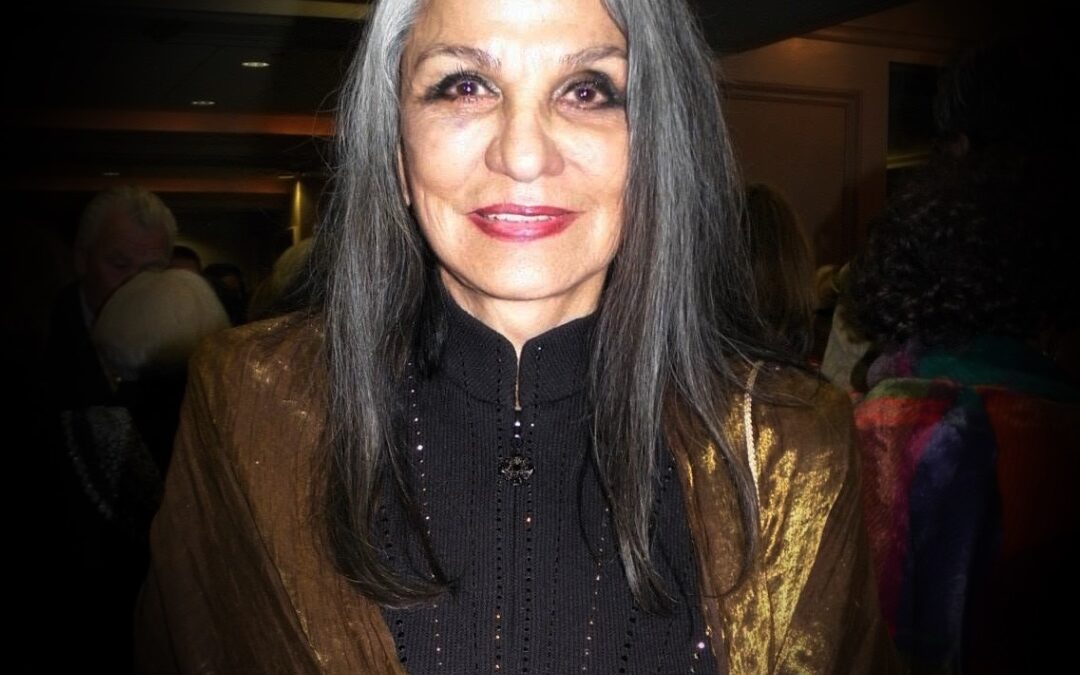
Milestone | Judith Valles

Milestone | Judith Valles

HL | Milestone Series

Milestone | Judith Valles

For generations, Mayor Judith Valles represented the very best in public service. As an educator, trailblazer, and the first Hispanic elected Mayor of the City of San Bernardino, she dedicated her life to expanding opportunities for others while inspiring future leaders through her example.

Article/Commentary by
Richard Sandoval
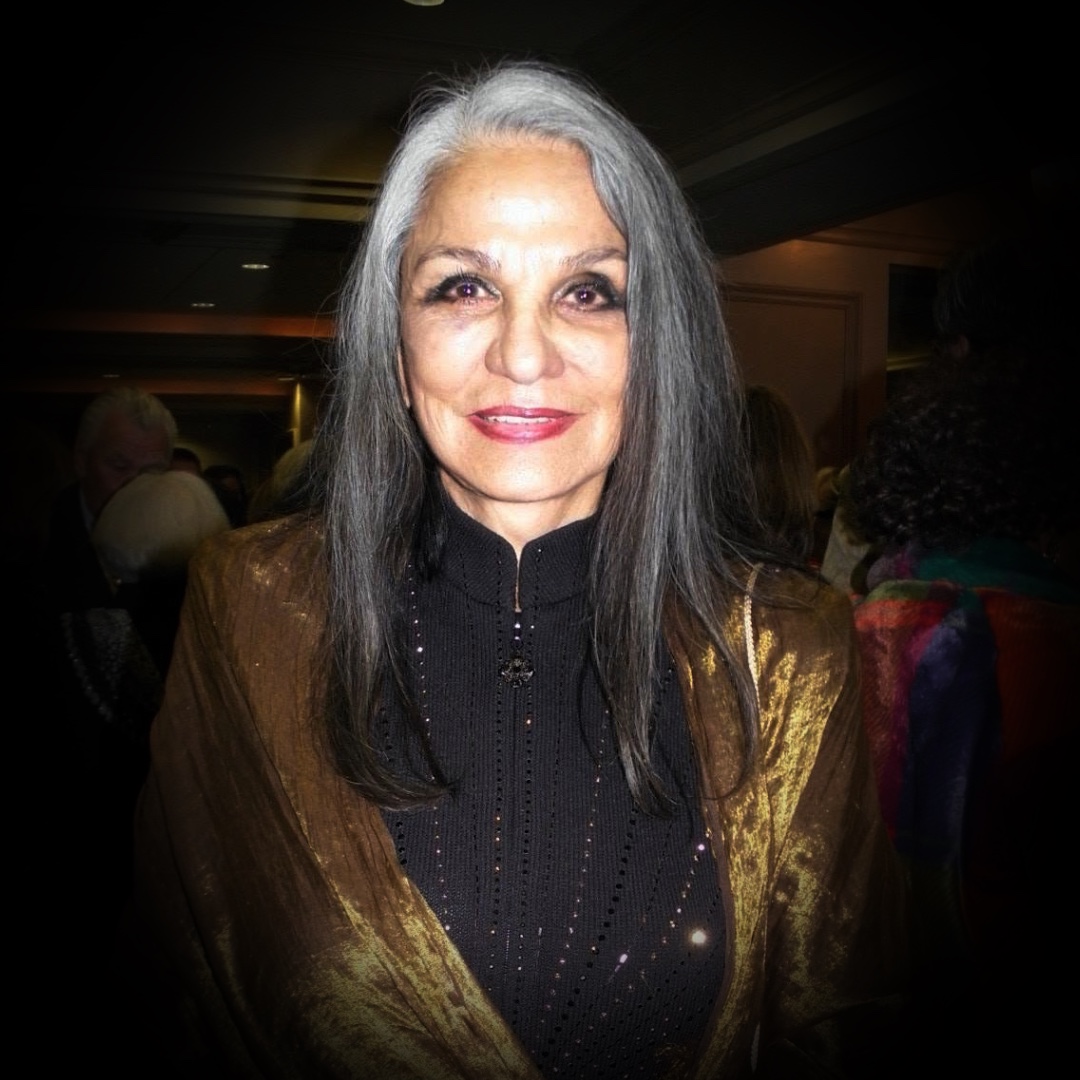
Mayor Judith Valles
1933–2026
Educator • Mayor • Mentor • Trailblazer

er influence extended well beyond City Hall. She believed in education, invested in people, and demonstrated that leadership is rooted in character, service, and a genuine commitment to improving the lives of others.

Those who knew her admired her accomplishments.

Those who met her remembered her presence.

A Leader Who Left an Impression

My first introduction to Judith Valles came long before Hispanic Lifestyle existed.

A newly made friend, Raven Workman Lopez, encouraged me to attend a political fundraiser for Esther Estrada, who was running for office in the City of San Bernardino.

She offered one simple piece of advice:

“Look for Mary Figueroa. She’s good people and she’ll take care of you.”

She was right.

That evening became one of the pivotal moments in my career.

Around that table I met people like Mary Figueroa, who would later become President of the Riverside Community College District Board of Trustees, and Andres Soto, then President of the Greater Riverside Hispanic Chamber of Commerce. More importantly, I found myself surrounded by people who believed community leadership wasn’t simply a title—it was a responsibility.

Among them was Judith Valles.

At the time, she was already an accomplished educator and academic leader.

What I remember most wasn’t her title.

It was her presence.

She possessed a quiet confidence.

She spoke with clarity and purpose.

She carried herself with grace, dignity, and professionalism.

She didn’t need to command the room.

The room naturally listened.

Breaking Barriers

Born in 1933 in San Bernardino, California, to Mexican immigrant parents, Judith Valles believed deeply in the transformative power of education.

Her career began in the classroom before advancing into educational leadership, eventually becoming President of Golden West College, where she made history as the first Latina to lead a California community college.

In 1998, she again broke new ground when she was elected the first Hispanic Mayor of the City of San Bernardino.

Throughout two terms in office, she championed education, neighborhood revitalization, youth development, economic opportunity, and civic engagement.

Whether serving students or residents, she believed strong communities are built by investing in people.

Supporting a Vision

Years later, as Inland Empire Hispanic Lifestyle Magazine was beginning to take shape, I invited Judith to join an informal advisory board made up of community leaders whose judgment and experience I respected.

She graciously accepted.

When she was elected mayor, she stepped away from the advisory board to focus on serving the City of San Bernardino, but she remained supportive of our mission.

Looking back, I realize she was one of the earliest people who affirmed the vision behind Hispanic Lifestyle.

She helped me believe that the stories of community leaders deserved to be documented not because of who they were, but because of the difference they made.

She later became one of the earliest recipients of our Inland Empire Latina of Influence recognition and returned as a featured speaker during our inaugural Inland Empire Latina Conference.

 Judith Is My Homegirl

One story has stayed with me for decades.

During one of our advisory meetings, Judith mentioned that Stater Bros. Markets Chairman Jack H. Brown had Latino roots.

Some time later I had the opportunity to briefly meet Mr. Brown and shared what Judith had told me.

He smiled and simply replied:

“Judith is my homegirl.”
— Jack H. Brown, Chairman, Stater Bros. Markets

Those four words said everything.

They reflected the genuine respect and affection Judith Valles earned throughout her lifetime.
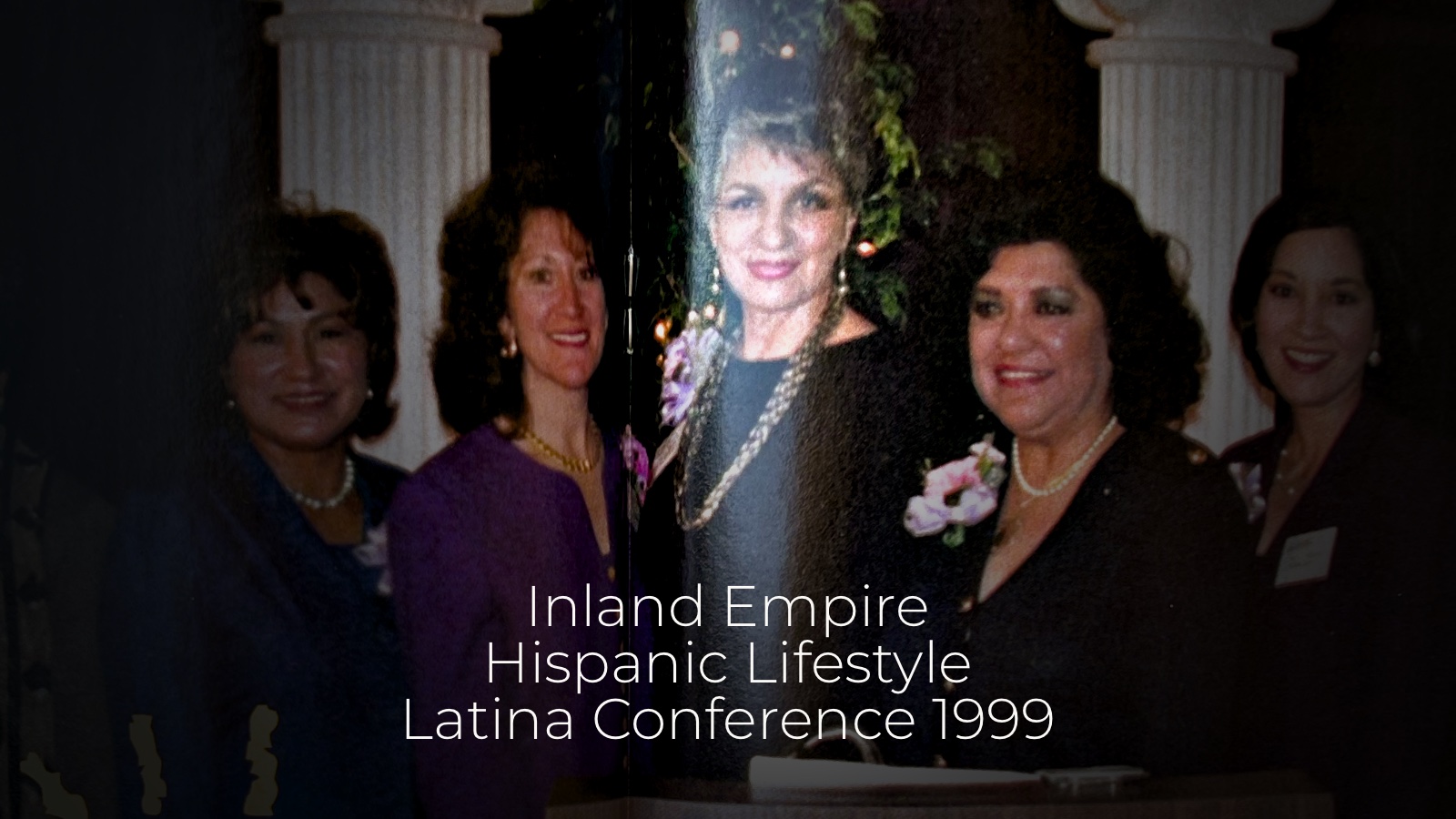
HL Archive

Mayor Judith Valles addresses attendees during HL’s inaugural Inland Empire Latina Conference in 1999. Long before HL became a statewide and national platform, she encouraged our mission to recognize, celebrate, and document leadership throughout our communities.

Her Legacy Lives On

Mayor Judith Valles passed away in 2026, leaving behind a remarkable legacy of education, public service, and community leadership.

But perhaps her greatest legacy cannot be measured by elections won or titles held.

It lives in the students she encouraged.

The neighborhoods she served.

The leaders she mentored.

And in those of us who looked at her example and believed our communities deserved to have their stories preserved.

For me, Mayor Judith Valles was one of those people.

She helped shape the editorial philosophy that has guided Hispanic Lifestyle for more than three decades.

Mayor Judith Valles…

You were a role model to me.

Thank you for believing in our community.

Thank you for believing in our work.

And thank you for inspiring one young publisher to believe these stories were worth telling.

“Leadership is not defined only by the offices people hold, but by the lives they inspire.

That is how I will always remember Mayor Judith Valles.”

— Richard Sandoval, Founder & Publisher, HL

Milestone Timeline

1933
Born in San Bernardino, California.

Education
Began her career as an educator before serving in numerous academic leadership roles.

1988
Appointed President of Golden West College, becoming the first Latina to lead a California community college.

1998
Elected the first Hispanic Mayor of the City of San Bernardino.

1999
Featured speaker at HL’s inaugural Inland Empire Latina Conference and an early supporter of the vision behind Inland Empire Hispanic Lifestyle Magazine.

2000
Recognized as one of Inland Empire Hispanic Lifestyle’s earliest Latina of Influence honorees.

2002
Re-elected Mayor of the City of San Bernardino.

2003
Awarded Mexico’s prestigious Ohtli Medal for her contributions to education and public service.

2012
Published As My Mother Would Say: Como Decía Mi Mamá.

2026
Passed away, leaving an enduring legacy of leadership, education, and public service.

EDITORIAL NOTES 

Today, as HL begins a new chapter, this article also marks the beginning of HL | Milestone Legacy our commitment to preserving the stories of leaders whose lives have shaped our communities and inspired future generations.

Our responsibility is not to define our community.

It is to document its history, celebrate its achievements, and ensure that the lives of people like Mayor Judith Valles are remembered long after today’s headlines have faded.

Because today’s milestones become tomorrow’s history.

 Richard Sandoval, Founder & Publisher, HL

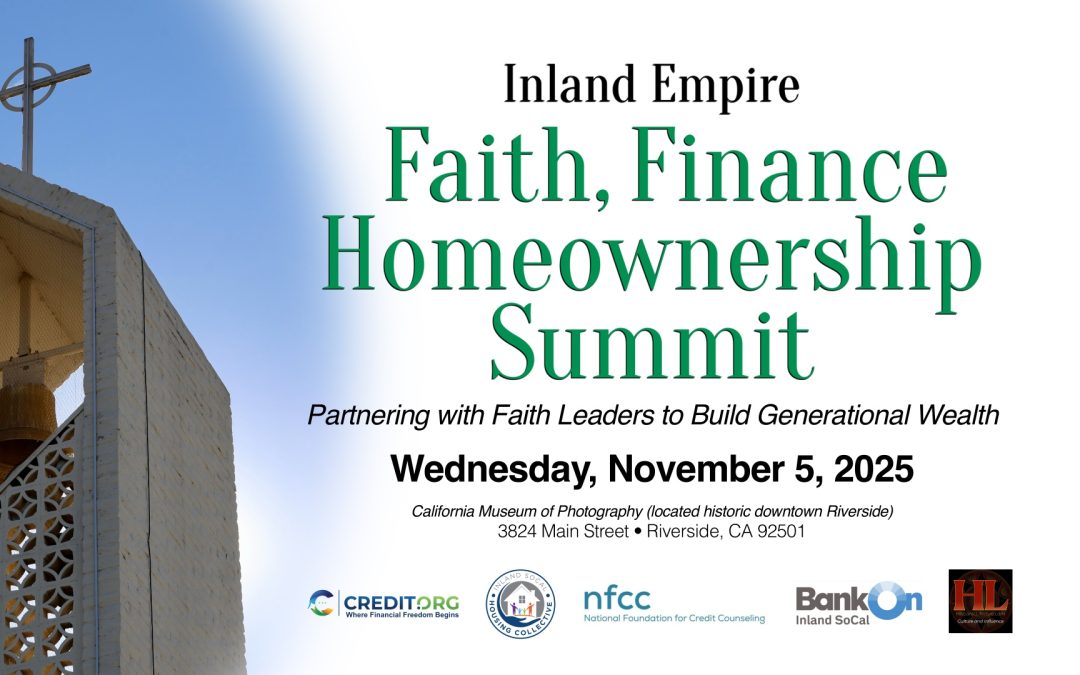
Inland Empire Faith, Finance and Homeownership Summit

Inland Empire Faith, Finance and Homeownership Summit

ABOUT THE EVENT

Faith, Finance & Homeownership is a two-part convening focused on equipping our Inland Empire communities with tools to build and retain generational wealth. Through faith-based partnerships, financial coaching, and practical resources, the event connects families to pathways for stability and prosperity.

Presented by the Inland SoCal Housing Collective in partnership with Credit.org, BankOn Inland SoCal, Hispanic Lifestyle, and the National Foundation for Credit Counseling.

Event Overview

Morning Session (9AM–1PM)
Faith leaders, community organizations, and financial experts gather to explore:

  • Why financial education, homeownership, and estate planning are vital.

  • The role of faith partners in supporting families.

  • How to get started with financial coaching, safe banking, and debt management.

  • Building resilience through business ownership, housing stability, and church-led initiatives.

  • Strategies for homeownership and estate planning to retain generational wealth.

The session concludes with next steps, a resource fair, and a call to action for faith and community leaders.

Afternoon Session (1:30PM–4PM)
A broader regional convening highlighting solutions, collaboration, and action:

  • Why financial education and generational wealth matter for families and communities.

  • Access to safe banking and the support of faith coalitions.

  • Spotlight on organizations driving financial resilience, including housing counseling, small business development, and estate planning.

  • Closing discussion and survey to shape future work.

Who Should Attend

A peer to peer event, Faith, Finance & Homeownership is designed for faith leaders, community advocates, nonprofit partners, educators, housing professionals, small business owners, and residents of the Inland Empire who are passionate about building stronger, financially resilient families. This convening is ideal for anyone seeking practical tools to support their congregation or community in achieving financial stability, homeownership, estate planning, and generational wealth.

LOCATION
California Museum of Photography
(located historic downtown Riverside)
3824 Main Street • Riverside, CA 92501

PARKING
City of Riverside parking garages 2 and 6 are closest to the museum.

BE OUR GUEST
Please register today, space is limited.

Event Schedule

Wednesday - November 5, 2025

Morning Session - Faith Leaders

Registration

9am - 9:30am

Welcome & Our Why?

  • Claudio Espino– Intro Credit.org & answer- “Why financial education/coaching?” (5 minutes)
  • Richard Sandoval, Intro Hispanic Lifestyle- “Why building generational wealth? /Homeownership & Estate Planning?” (5 minutes)
  • Melanie Steele, ISCHC- Intro to ISCHC & BankOn Coalition- “Why faith partners?”  (5 minutes)

9:30am - 10am

Blessing: Dr. Joshua Beckley

Panel One: How to get started?

Goal: Discuss the initial steps A). Faith leaders know what the steps are B). What resources exist in the community, C). How to refer community members  

  • Financial Coaching, Budgeting, Debt Management, Climb-

 Claudio Espino, Credit.org 

  • Banking Access 

Jay Miller, BankOn Coalition Lead at ISCHC

    • Overview of access to safe banking.
    • Demonstrate Banking Tool  pick an attending church address and look up the nearest branch

10:00am

Panel Two: A Movement of Building Wealth

Goal: Amplify regional organizations who are helping build the financial resilience of their community. 

  • Building Generations in a Church-
  • Building a Business- What is the impact on a family when they build a business? 
  • Building Housing Stability – How do we help our counties become financial stable in this housing crisis 

10:30AM- 11:05AM

Panel Three: Building and Retaining Generational Wealth

Goal: What is the impact of homeownership on a family and generations? How is this wealth retained? 

  • Homeownership Month What is the impact on a family who owns a home?, Home Mortgage Tools
  • Why homebuyer counseling- Melinda Opperman- Credit.org/ISCHC Board Member- How do you get started? 
  • How do you get started buying a home? – How do you get started with buying a home? How long can it take? What tools can be used?  Down payment assistance programs available? 
  • Retaining Generational Wealth- Estate Planning, Why is it important? Where do you go for help?  

11:05 AM - 11:45am

What is to come? Next Steps

Goal: What is the impact of homeownership on a family and generations? How is this wealth retained? 

  • Homeownership Month –What is the impact on a family who owns a home?, Home Mortgage Tools
  • Why homebuyer counseling- Melinda Opperman- Credit.org/ISCHC Board Member- How do you get started? 
  • How do you get started buying a home?  – How do you get started with buying a home? How long can it take? What tools can be used?  Down payment assistance programs available? 
  • Retaining Generational Wealth- Estate Planning, Why is it important? Where do you go for help?  

11:45AM - 12PM

Lunch and Small Resources Fair

12PM - 1PM

Wednesday - November 5, 2025

Afternoon Session - Community Stake Holders

Welcome & Why financial education and generational wealth matter.

  • Claudio Espino (Credit.org): Why financial education/coaching
  • Richard Sandoval (Hispanic Lifestyle): Why building generational wealth through homeownership & estate planning
  • Melanie Steele (ISCHC): Why this matters regionally, what happened with faith leaders in the morning, and how to join the movement.

2:00PM – 2:30PM

Panel One: What’s the Scoop - Understanding the Landscape


Goal: Provide an overview of regional challenges and opportunities around financial access and community resources.

  • Jay Miller (ISCHC, BankOn Coalition Lead): Access to safe banking + demo of banking locator tool.
  • Pastors United :  How faith coalitions support families with resources like food, utility support, and school supplies.

2:30PM – 3:00PM

Panel Two: Where is the Work Being Done – Spotlight on Solutions


Goal: Amplify organizations already advancing financial resilience and generational wealth, and explore collaboration across sectors.

3:00PM - 3:45pm

Discussion: Closing & Survey

3:45PM - 4:00pm

Faith-Based Businesses

Faith-Based Businesses

How Faith Shapes Commerce, Community and the Economy

By Richard Sandoval, for HispanicLifestyle.com and InlandValleyLiving.com

Faith shapes more than worship it shapes workplaces, services, philanthropy and commerce. From small, family-run enterprises inspired by religious values to national ministries and faith-founded corporations, “faith-based businesses” are an important part of the U.S. economy and civic life. This article explains what faith-based businesses are, where they’re concentrated, how they operate differently from secular firms, and their estimated economic impact.

What is a “faith-based business”?

  • A faith-based business is an enterprise whose mission, operations, or governance are explicitly guided by religious or spiritual beliefs. That includes:
  • Faith-affiliated nonprofits and ministries (charities, social service agencies, religious schools).
    For-profit businesses founded on faith whose policies or culture reflect religious values (examples range from small BIPOC-owned shops to national chains historically identified with religious owners).
    Congregation-owned enterprises (church-run daycares, faith-based clinics, bookstores, social enterprises).
  • (General definition adapted from standard descriptions of faith-based organizations and faith-based enterprises.)

Origins — where did faith-based businesses come from?

Faith-based enterprises trace back centuries: religious institutions historically provided education, healthcare, relief work and economic coordination in communities. In the U.S., many charities, hospitals, schools and mutual-aid institutions were founded by churches and religious communities; during the 19th and 20th centuries, those institutions professionalized and in many cases formalized as nonprofits or incorporated businesses. In modern times, entrepreneurs have also started for-profit companies that explicitly embed spiritual or religious values (for example workplace prayer policies, Sabbath observance or mission-driven giving).

How many faith-based businesses are there?

Religious / faith-based organizations (business category): Industry trackers report about 190,000 religious organizations in the U.S. (IBISWorld category: Religious Organizations — 2024). This captures many nonprofits and institutionally organized faith entities.
Religious congregations (churches, synagogues, mosques, etc.): The U.S. Religion Census and research centers place the number of congregations between ~356,000 and ~370,000 (2020 census and subsequent estimates). Congregations are a primary source of faith-based economic activity (hiring, purchasing, building, events).

Note: counting for-profit faith-owned businesses is harder because many operate in general industry categories (retail, manufacturing, services) but identify culturally or operationally with a faith. Directories of Christian nonprofits and faith ministries show many tens of thousands of organizations when parsed by type.


$1.2 trillion annually

Religious Freedom & Business Foundation

Estimated financial/economic impact

A frequently cited academic and policy estimate finds religion related activity contributes on the order of $1.2 trillion annually in socio-economic value to the U.S. a combined measure of direct revenues, employment, services and broader socio-economic contributions (this figure has been cited by the Religious Freedom & Business Foundation and summarized in follow-ups). Other researchers have suggested broader ranges when congregational-level economic multipliers are included.

In short: faith activity (congregations + faith organizations + faith-related commerce) represents a multibillion- / trillion-level contribution to the U.S. economy.

Where are faith-based businesses most concentrated?

Regional and state data indicate higher religiosity and a stronger presence of faith institutions across the U.S. South, commonly referred to as the “Bible Belt,” as well as parts of the Midwest and Southwest. States often cited as the most religious and with high concentrations of faith institutions include Mississippi, Alabama, Texas, Arkansas, Tennessee, Louisiana, and Oklahoma. Metro areas such as Atlanta, Dallas, Houston, and parts of the Southeast also exhibit robust congregational networks. State indexes that assess legal and regulatory environments for faith-based nonprofits further highlight Alabama and Texas as among the most “friendly” to faith organizations based on recent measurements.

Inland Valley note (Riverside/San Bernardino): Riverside and many Inland California communities register solid measures of religiosity and dense congregation networks compared with national averages meaning faith-based organizations and small faith-based businesses are an active part of the local economy and civic life. (Regional congregation data and state rankings back this up.)

Practices: How faith-based businesses often differ from general market businesses

Below are common practices and characteristics where faith-centred enterprises differ from typical secular firms:

1. Mission and governance

  • Faith-based businesses often embed spiritual mission statements and integrate religious values into governance (board composition, decision filters, mission priorities).

2. Hiring & workplace culture

  • Practices can include faith-consistent hiring preferences (where legally permissible), employee prayer groups, observance of religious holidays and Sabbath policies, and workplace faith gatherings. Large corporations are increasingly recognizing religion in DEI initiatives (employee business resource groups, faith-inclusive policies).

3. Giving, service and community focus

  • Many faith-based firms and organizations prioritize charitable giving, community service, and partnerships with congregations sometimes operating social enterprises (housing, clinics, food programs) as part of mission.

4. Regulatory and legal posture

  • Faith-based nonprofits often navigate special First Amendment and non-discrimination questions; state laws and indexes vary widely in how they treat religious nonprofits’ freedoms and obligations. This affects how faith organizations contract with governments or accept public funds.

5. Branding and customer base

  • Many faith-led businesses shape branding to appeal to religious communities (products/services marketed to congregations, faith-based messaging, family-oriented values). Others keep faith private but maintain internal practices reflecting values.

Examples (types)

  • Small businesses that openly identify with a faith tradition (restaurants, shops, event venues tied to a church community).
  • Nonprofit ministries & service providers (food banks, shelter operators, faith schools).
  • Large charitable ministries and national faith organizations (ministries with hundreds of millions in annual revenue).

Why it matters for the Hispanic community and Inland Valley readers

Faith-based businesses and congregations often serve as community hubs providing jobs, social services, cultural continuity and economic activity. For Hispanic families and entrepreneurs, congregations frequently double as business networks, referral sources and platforms for outreach. That makes understanding faith-based commerce important for local economic development, civic planning and sponsorship/partnership opportunities.

Sources (key references)

IBISWorld — Religious Organizations in the US (industry count & profile, 2024).
Religious Freedom & Business Foundation / Brian Grim — analysis summarizing a $1.2 trillion estimate for religion’s annual socio-economic contribution to the U.S. economy.
U.S. Religion Census / ARDA (Religious Congregations & Membership Study) — ~356,642 congregations (2020 census reports; ARDA summaries). Hartford Institute for Religion Research — “Fast facts” on congregations (~370,000 estimate).  https://www.usreligioncensus.org
REDI Index / Corporate Religious Inclusion reports — showing increasing religious inclusion efforts among Fortune 500 firms (2024 REDI findings).
Napa Legal / Faith & Freedom Index — state-by-state measures of legal/regulatory friendliness to faith nonprofits (Alabama, Texas high). https://www.napalegalinstitute.org/map
MinistryWatch & CauseIQ — directories and revenue summaries for large ministries and number of Christian nonprofits.
Definition : https://en.wikipedia.org/wiki/Faith-based_organization
https://philanthropydaily.com/new-faith-and-freedom
https://www.thearda.com/us-religion/census/congregational-membership
https://www.causeiq.com/directory/christian-organizations-list
https://sites.lsa.umich.edu/mje/2025/05/16/faith-based-fortune-the-1-2-trillion-impact-of-religion-on-the-u-s-economy

#FaithBasedBusiness #CommunityEconomy #FaithAndWork #HispanicBusiness #InlandValley #SocialEnterprise #FaithInBusiness #CultureAndInfluence

DISCOVER MORE

Matt Mahan | Building More Pathways to Homeownership

HL INSIGHTSSan José Mayor Matt Mahan discusses housing supply, construction costs and...

Michelle Juarez- Perry | Leadership, Homeownership and Building a Legacy

HL INSIGHTSA Hispanic Heritage Month StoryPhotos and article by Richard Sandoval or NHORA National...

Valeria Esparza-Chavez | Remembering the Sacrifices That Created Opportunity

HL INSIGHTSA Hispanic Heritage Month StoryPhotos and article by Richard Sandovalor Valeria...

A Changing Economic Story

ISSUE 03 | September 2026A CHANGING ECONOMIC STORYMessage from Richard Sandoval Culture shapes...

The Renaissance of the U.S. Hispanic Consumer

HL | CULTURE & INFLUENCEFor decades, America learned to measure the Hispanic market by what it...

500 Feet From Times Square

HL | THE WAY WE TRAVEL • NEW YORKFor a solo business trip to Manhattan, I discovered that...

A $65 Million View of Manhattan

HL | NEW YORK • REAL ESTATEA remarkable residence, an extraordinary view and an opportunity to see...

Lucy Wu | Adapting to What’s Next

THE OF BUSINESS OF SURVIVING TO THRIVEFrom her family's restaurant businesses to fashion and New...

Milos | Experience the Unexpected

HL | ON THE MENU • MANHATTANAn unexpected lunch at Estiatorio Milos Midtown became another...

New York | Becoming Part of the Conversation

HL | INSIGHTS • NEW YORKBuilding relationships, sharing experiences and engaging in meaningful...