Matt Mahan | Building More Pathways to Homeownership

Matt Mahan | Building More Pathways to Homeownership

HL INSIGHTS

Matt Mahan | Building More Pathways to Homeownership

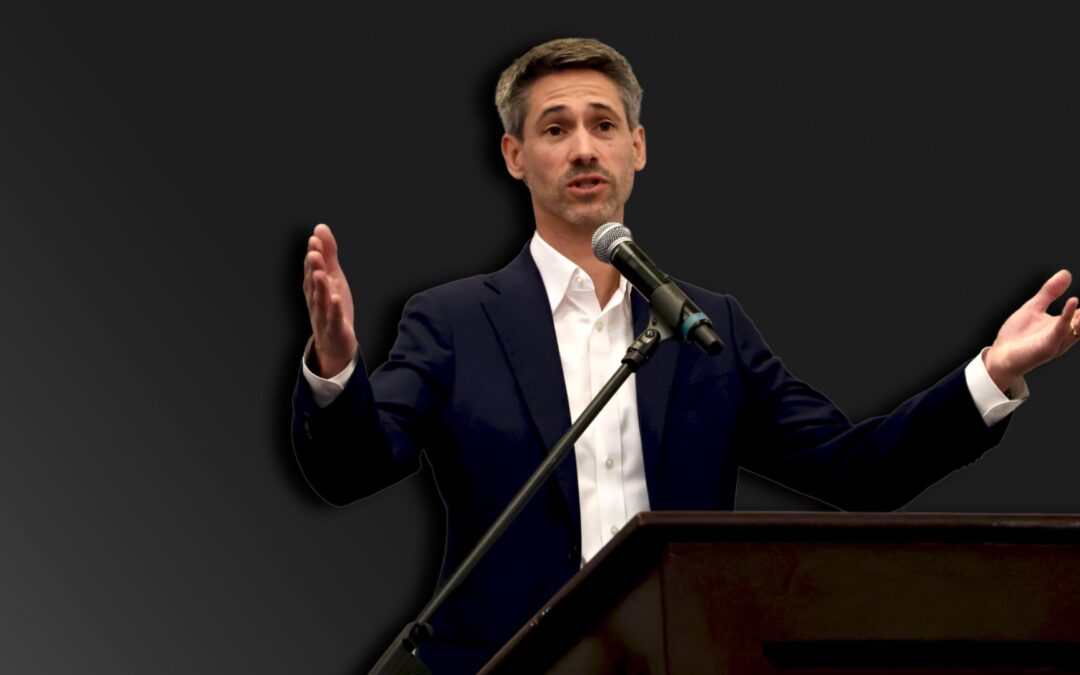
San José Mayor Matt Mahan discusses housing supply, construction costs and homeownership offering a look at how one major American city is attempting to address challenges facing communities across the country.

Photos and article by
Richard Sandoval

ousing affordability may look different from one community to another, but the questions confronting cities across the country are increasingly familiar: How do we build more housing? How do we make development financially possible? And perhaps most importantly, how do we create realistic pathways to homeownership?

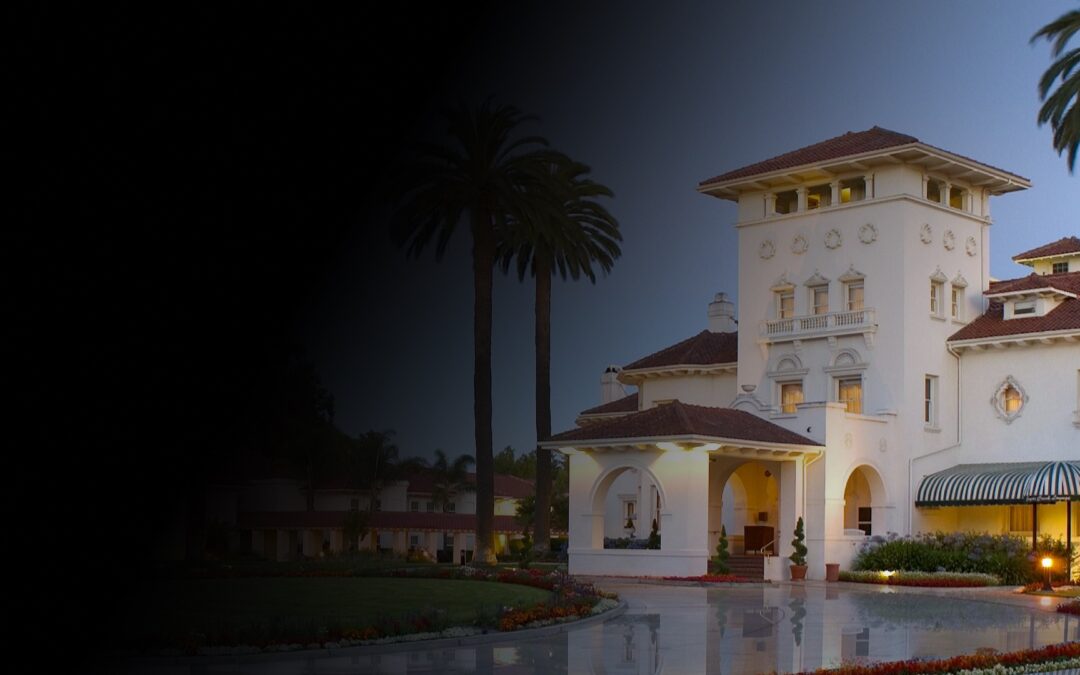
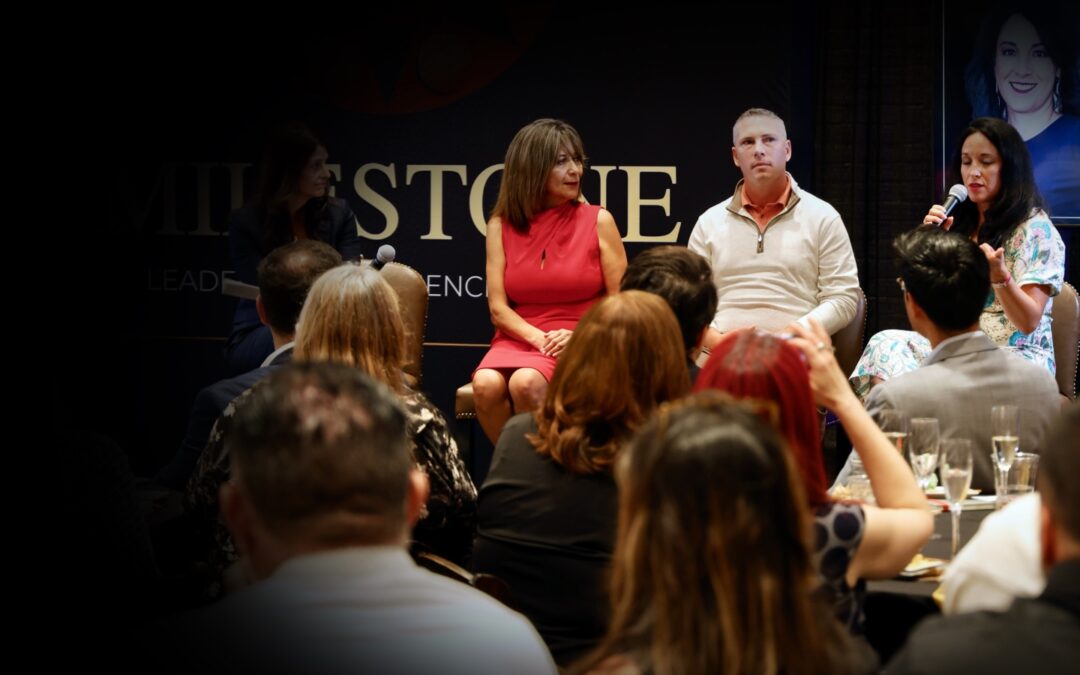
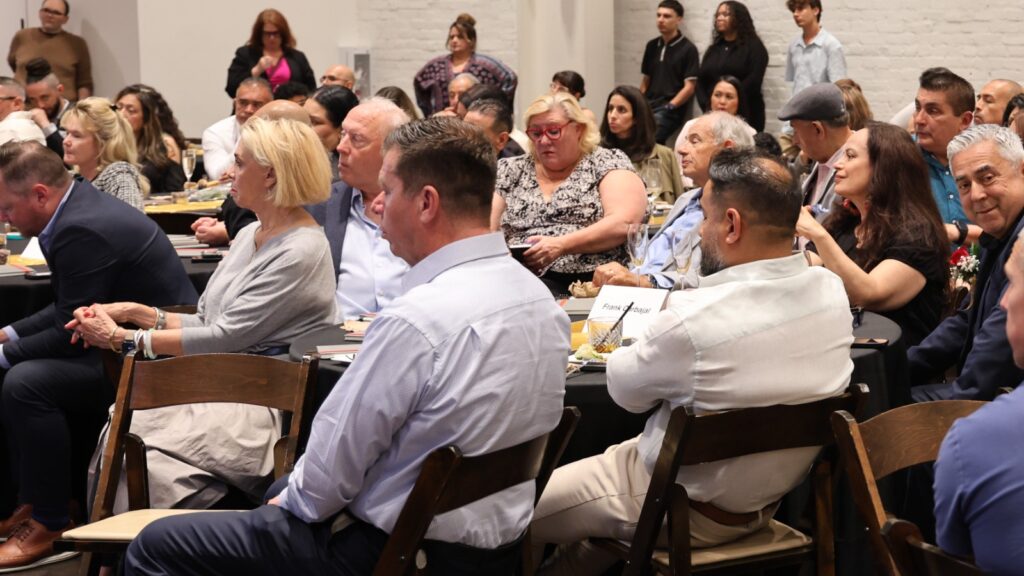
San José Mayor Matt Mahan offered one city’s perspective on those questions during opening remarks at the National Hispanic Organization of Real Estate Associates (NHORA) Conference, held September 11, 2026, at Hayes Mansion in San José.

Speaking to an audience of real estate professionals, Mahan described a Silicon Valley economy where job creation has significantly outpaced housing construction.

“We have a supply problem,” Mahan told attendees.

According to Mahan, the region has added approximately six jobs for every new home built over the past 20 years an imbalance he says has contributed to rising prices and pushed working families farther away from employment centers.

For Mahan, addressing affordability begins with increasing supply.

The Cost of Building

Housing discussions in California have frequently centered on zoning, density, height restrictions and affordable housing requirements. Mahan argued that another issue deserves greater attention: the actual cost of getting housing built.

Land, labor, materials, development fees and other costs can make projects financially difficult to construct, particularly in high-cost markets such as Silicon Valley.

San José has responded in part by reducing certain development fees and creating incentives intended to encourage residential construction. City documents show San José has continued expanding residential incentive programs, including reductions in some parkland fees for qualifying downtown development.

Mahan told the NHORA audience that those changes are beginning to produce results, citing a significant year-over-year increase in new housing construction.

His larger argument was straightforward: communities cannot address housing affordability without making it economically possible to build more homes.
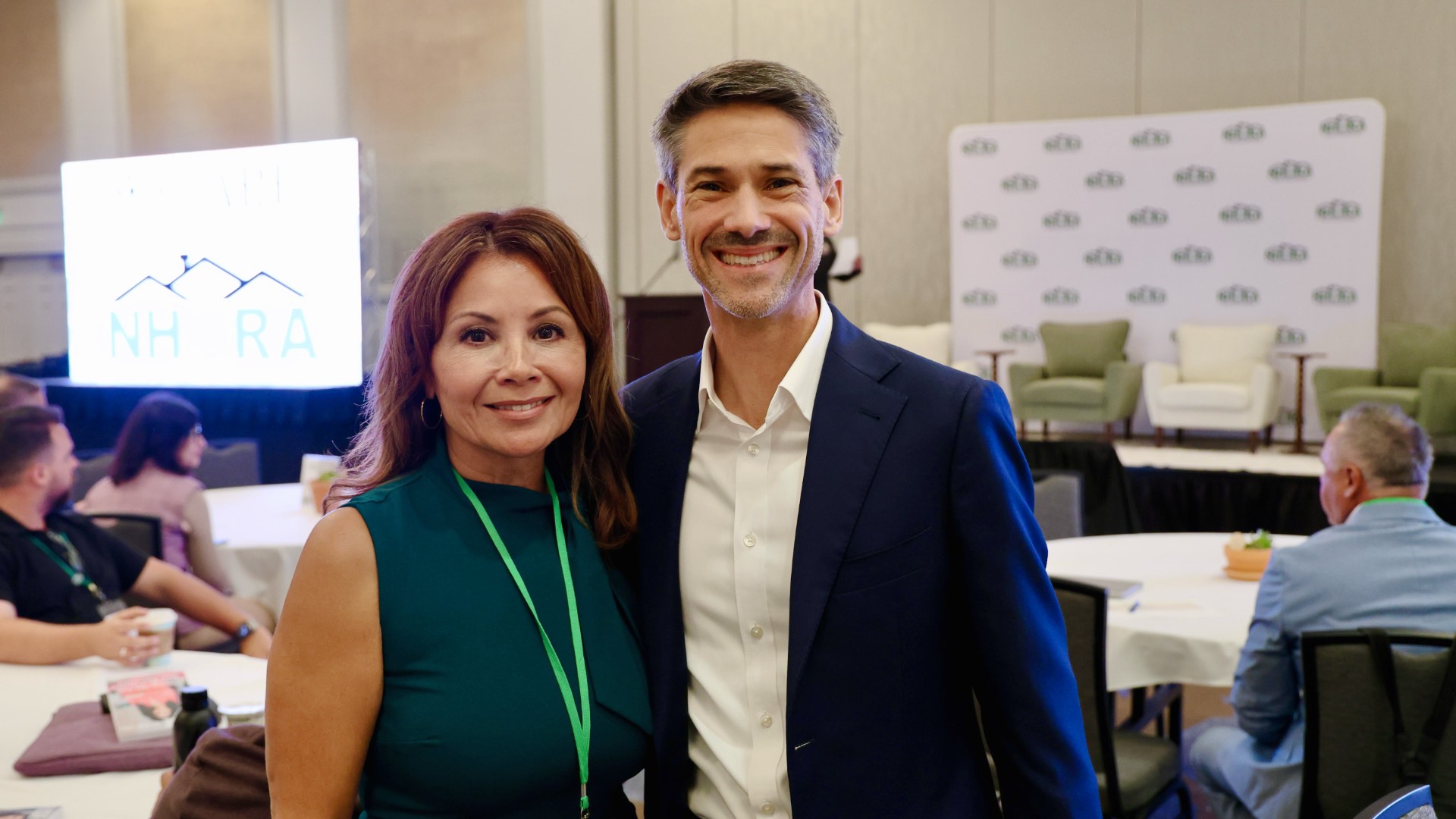
Michelle Juarez-Perry, National President of the National Hispanic Organization of Real Estate Associates (NHORA), with San José Mayor Matt Mahan during the NHORA Conference, held September 11, 2026, at Hayes Mansion in San José, California.

Building Across Income Levels

Mahan also challenged the idea that market-rate and affordable housing should always be viewed as separate conversations.

He argued that communities need additional housing across income levels and that new market-rate construction can create movement throughout the existing housing market as residents move from one home to another.

For the real estate professionals gathered at NHORA, that raises a larger question.

Increasing housing inventory matters, but where does homeownership fit into the equation?

Mahan acknowledged that much of the housing currently being developed in cities such as San José consists of rental properties. While rental housing remains an important part of the market, he said communities also need ways for people to gain an initial foothold in ownership and begin building equity.

One experiment underway in San José provides an interesting example.

A Different Entry Point Into Homeownership

In 2024, San José became the first California city to adopt provisions allowing qualifying accessory dwelling units, commonly known as ADUs, to be sold separately as condominiums. The policy followed changes in California law allowing cities to authorize such conversions.

The concept moved from policy to an actual home sale this year.

In June 2026, California’s first standalone ADU condominium sale closed in San José for $530,000. The newly constructed two-bedroom, one-bath home measures 749 square feet and includes private parking and separate utilities.

In Silicon Valley, where the cost of homeownership can put purchasing beyond the reach of many households, the sale represented something different: another potential entry point into the housing market.

Mahan referenced the sale during his NHORA remarks.

“It’s small, but it’s somebody’s home,” he said, emphasizing that the homeowner now has an asset in which they can build equity.

The example doesn’t solve the larger affordability challenge. But it demonstrates how one city is experimenting with different definitions of what an entry-level home can look like.

Creating More Choices

Mahan also pointed to San José’s efforts to streamline certain housing approvals, reduce development costs and encourage additional density around employment centers and transit.

The objective, he explained, is to give residents more choices about where and how they live while removing some of the obstacles that can prevent housing from being constructed.

Those efforts intersect with the work of many of the professionals attending the NHORA Conference.

Mortgage professionals, real estate agents, developers and housing advocates can help consumers navigate the path toward purchasing a home. But that pathway becomes increasingly difficult when available housing doesn’t exist at prices prospective buyers can realistically reach.

Housing supply, development, financing and homeownership are different parts of the same conversation.

A Conversation Bigger Than San José

Mahan closed his remarks by recognizing the real estate community as an important participant in efforts to increase housing production and expand opportunities for homeownership.

His comments offered a look at how one major city is approaching a challenge that extends well beyond Silicon Valley.

San José’s circumstances are its own. Its policies reflect the economics, housing market and political decisions of that community. Other cities will make different choices.

But the underlying questions aren’t unique to San José.

Across the country, communities continue to wrestle with how much housing to build, where to build it, what it costs to construct and whether working families will ultimately have an opportunity to own rather than rent.

There may not be a single answer.

San José provides one case study and an opportunity to examine what happens when a city begins experimenting with different ways of getting more homes built and creating additional pathways to ownership.

EDITOR NOTES 

This article is based on remarks delivered by San José Mayor Matt Mahan on September 11, 2026, during the NHORA Conference at Hayes Mansion in San José, California.

Mahan’s remarks have been edited and organized for clarity and length. Statements regarding housing production, development costs, housing policy and the effects of those policies are attributed to the mayor where appropriate. Information regarding San José’s residential development incentives and ADU condominium program was supplemented with publicly available information from the City of San José.

The article examines San José, California, as one example of how a major U.S. city is addressing housing supply and pathways to homeownership.

 

Michelle Juarez- Perry | Leadership, Homeownership and Building a Legacy

Michelle Juarez- Perry | Leadership, Homeownership and Building a Legacy

HL INSIGHTS

Michelle Juarez- Perry | Leadership, Homeownership and Building a Legacy

A Hispanic Heritage Month Story

Photos and article by
Richard Sandoval

or NHORA National President Michelle Perry, leadership, homeownership and community are personal. As a first-generation homeowner and longtime real estate professional, she understands how owning a home can change the trajectory of a family.

During Hispanic Heritage Month, we often celebrate the accomplishments of individuals who are making an impact in their professions and communities. Sometimes, the more interesting story is understanding what motivates them to lead. For Michelle Perry, that story begins with home.

Perry is the 2026 National President of the National Hispanic Organization of Real Estate Associates (NHORA) and a full-time Realtor who has worked in Silicon Valley, Santa Clara County and San Benito County for more than 26 years.

Long before becoming a leader of a national real estate organization, however, Perry experienced something that continues to influence how she views her profession and community service.

She became a first-generation homeowner.

“I know what that trajectory is in life, and I know how it’s changed my family,” Perry told HL Media Network during NHORA’s 2026 National Conference in San Jose.

She became a homeowner before entering the real estate profession.

“So it’s something big for me,” she said. “I know what it means.”

Watch our conversation with NHORA National President Michelle Perry 

Discovering NHORA

Our introduction to NHORA went beyond attending its national conference.

The day before the conference, HL Media Network was invited to join NHORA leaders for a chapter retreat at Hayes Mansion in San Jose.

It provided an opportunity to observe the organization from the inside — chapter leaders gathering to discuss leadership, communication, professional development and the direction of the organization.

One word came up repeatedly: family.

The following day, as real estate professionals, lenders, affiliates and industry leaders arrived for the national conference, it became easier to understand what they meant.

There was an obvious professional purpose to the gathering. But there was also familiarity among the members and a sense that relationships between chapters mattered.

For those unfamiliar with NHORA, as we were before spending time with the organization, its work extends beyond professional networking.

The organization promotes sustainable homeownership while developing leadership within the real estate industry and encouraging its members to serve as trusted advisors within Hispanic communities. Its work also includes financial literacy, consumer education and community involvement.

Perry became involved with NHORA approximately six years ago.

“I knew what they were doing in the community,” she said.

That connection between profession and community appealed to her.

“This organization gives back to the community,” Perry explained. “In every aspect, not just in real estate, not just in education, but actually giving to people that are in need.”

Leadership Starts With Communication

When Perry became National President earlier this year, one of her priorities was strengthening NHORA from within.

Her focus has been on the chapters and, particularly, developing the professionalism and leadership skills of the people running them.

“They’re the ones that are really serving the community,” she said.

For Perry, effective leadership starts with something basic.

Communication.

“The number one thing for me, when you talk about leadership, is communication,” she said. “It’s really important that we establish what our priorities are, and how we communicate them.”

That meant investing in leadership training and making sure chapter leaders understood not only the organization’s priorities, but where NHORA wanted to go next.

The result, Perry believes, has brought the organization closer together.

“We know what our purpose is. We know what the vision is, and we know what the next step is, because we are being strategic about how we move forward.”

More Than a Real Estate Transaction

Perry’s perspective on homeownership is particularly relevant to the work NHORA is doing.

Real estate professionals spend their careers around transactions.

Buyers. Sellers. Financing. Properties. Contracts.

But Perry remembers the experience from the other side of the table.

She remembers becoming a homeowner before she became a Realtor.

That distinction matters.

For a first-generation homeowner, purchasing a house can represent something much larger than acquiring property. It can change how a family thinks about stability, opportunity and its financial future.

Perry lived that experience herself.

Today, she wants NHORA professionals to help others understand the homebuying process and the possibilities that can come with it.

She also sees the organization’s responsibility extending beyond homeownership education.

Perry talks about building wealth and leaving a legacy.

That means creating relationships with people and organizations capable of providing knowledge and resources within the communities NHORA serves.

It also means showing up in other ways.

Perry points to activities such as backpack drives, scholarships, nonprofit support and educational programs as examples of how local chapters can become part of their communities.

The objective is for NHORA members to become people their communities know and trust whether someone is trying to understand the homebuying process or simply looking for information and resources.

Building a Legacy

That brings Perry to what comes next.

She envisions NHORA continuing to expand into additional communities and states while maintaining the local relationships that have helped define the organization.

“We want it to expand into communities where they know that we are the trusted advisor,” she said.

Partnerships will be an important part of that expansion.

This year, NHORA introduced what Perry describes as its Legacy Partnership, creating deeper relationships with organizations supporting its mission. NHORA’s current national partnership structure includes Legacy, Impact, Community and Supporting Partner levels, with its Legacy Partners positioned for long-term participation in the organization.

But when Perry discusses those relationships, she doesn’t speak about them simply as sponsors.

“They’re part of our family now,” she said.

It reflects the same theme we heard during the leadership retreat the previous day.

For Perry, growth is ultimately about collaboration.

“That’s how we move forward,” she said. “It’s with collaboration, partnerships, and building futures for more than just ourselves, for giving back to our communities.”

A Story Worth Continuing

Our conversation with Michelle Perry was one of several we captured during our time with NHORA in San Jose.

We arrived wanting to learn more about an organization that was relatively new to us. We left with a better understanding of its leadership, its chapters and the people working within real estate and financial services to address homeownership and economic opportunity in their communities.

There are more of those stories to share.

For Hispanic Heritage Month, however, Michelle Perry provides a fitting place to begin.

She is a real estate professional who remembers what it felt like to become a first-generation homeowner.

A national president who believes leadership begins with communication.

And a Latina leader whose definition of success extends beyond what she can build for herself to what she and others can help build for the people who come next.

That is where leadership becomes legacy.

Learn more about the National Hispanic Organization of Real Estate Associates at NHORA.org.

EDITOR NOTES 

HL Media Network was invited to attend the 2026 NHORA National Conference in San Jose, California, including a leadership retreat held the day before the conference. It was our first opportunity to spend meaningful time with the organization, its national leadership and representatives from several of its chapters.

What began as an introduction quickly became an opportunity to listen, learn and document. During our time in San Jose, we conducted several interviews exploring leadership, homeownership, financial education, community service and the work being done by professionals serving their communities.

Our conversation with NHORA National President Michelle Perry is the first of several stories we look forward to sharing from that experience.


NHORA | A Path to Homeownership

NHORA | A Path to Homeownership

HL | Culture and Influence

NHORA | A Path to Homeownership

The National Hispanic Organization of Real Estate Associates brings together real estate professionals, industry leaders and community advocates around homeownership, leadership and economic opportunity.

Photos and article by
Richard Sandoval

or many families, homeownership represents much more than purchasing a property. It can represent stability, financial opportunity, community and an important step toward building generational wealth.

Helping more families navigate that path is part of the mission of the National Hispanic Organization of Real Estate Associates (NHORA), a national organization focused on promoting responsible and sustainable homeownership while developing professional and community leadership.

NHORA brings together professionals from real estate, lending and related industries and provides opportunities for education, professional development, community involvement and relationship building.

The organization describes its work as encouraging members to serve as trusted advisors within the Hispanic community while providing educational forums, sharing industry information and advocating for policies affecting the communities its members serve.

That work happens both nationally and through NHORA’s network of local chapters, where professionals participate in educational programs, community outreach and industry events.

An important extension of that mission is the NHORA Foundation, which focuses on housing, financial literacy, entrepreneurship and financial empowerment.

Among its signature initiatives is Road to Homeownership, a series of community programs designed to connect prospective homebuyers with real estate professionals, lenders and resources that can help them better understand the homebuying process.

Elevate. Lead. Serve.

On September 11, NHORA will bring its national network together in Silicon Valley for the 2026 NHORA National Conference at Hayes Mansion in San Jose.

Under the theme “Elevate. Lead. Serve.”, the conference is expected to bring together real estate professionals, industry leaders, entrepreneurs and community advocates for a day of education, networking and conversations surrounding homeownership, leadership and economic empowerment.

The National Conference follows a September 10 Chapter Retreat, also at Hayes Mansion, where NHORA chapter leaders and board members will gather for leadership development, collaboration and relationship building.

For those unfamiliar with NHORA, the September gathering provides an opportunity to learn more about an organization working at the intersection of real estate, professional leadership and homeownership.

It also raises some interesting conversations worth following: What does the path to homeownership look like today? How are real estate and lending professionals responding to changing economic conditions? How can greater financial knowledge help prepare the next generation of homeowners? And what role can organizations such as NHORA play in connecting communities with the people and resources needed to move forward?

Those are conversations we look forward to exploring.

The 2026 NHORA National Conference takes place Friday, September 11, 2026, at Hayes Mansion in San Jose, California.

Defining Wealth in Silicon Valley

Defining Wealth in Silicon Valley

HL | Wealth Report

Defining Wealth in Silicon Valley

Latinos are emerging as one of the region’s most influential growth segments shaping wealth through education, ownership, technology, real estate, entrepreneurship, leadership, and culture.

Photos and article by
Richard Sandoval

ilicon Valley is often defined by technology, venture capital, innovation, and global wealth creation. It is a region known for producing ideas, companies, and industries that influence the world.
But the definition of wealth in Silicon Valley is changing.

Wealth is no longer measured only by market valuations, stock options, executive titles, or access to capital. Wealth is also measured by education, ownership, home equity, business growth, leadership, cultural influence, access to networks, and the ability to create opportunity for the next generation.

For the Latino community, this broader definition matters.

“The data gives us context. The leaders give us proof. The stories give us meaning.”

Latinos are not simply participating in the Silicon Valley economy. They are helping shape its future through business ownership, institutional leadership, real estate, technology, workforce development, financial services, entrepreneurship, and culture-driven brands.

That was the larger conversation reflected at the HL | Milestone Series Silicon Valley event, where Hispanic Lifestyle recognized leaders whose stories represent a more complete view of wealth, influence, and legacy.

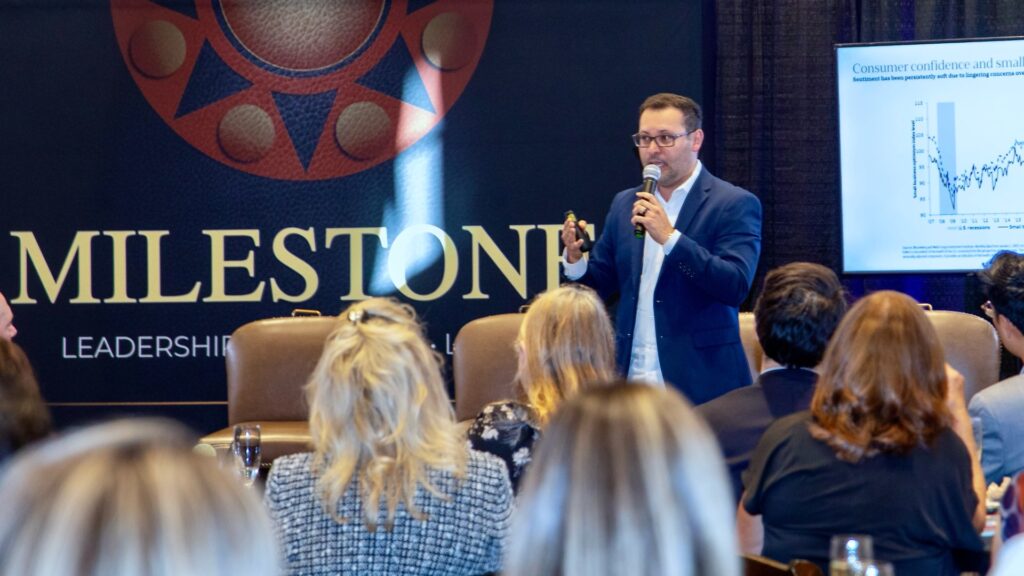
The evening also included remarks from Luis D. Alvarado of Wells Fargo, who helped frame the economic environment through insights connected to the Wells Fargo Investment Institute’s 2026 Midyear Outlook. The report’s theme, “Keeping discipline in noisy markets,” speaks directly to this moment. It points to a world being shaped by artificial intelligence, geopolitical uncertainty, inflation, energy prices, interest rates, and long-term structural change.

For Hispanic Lifestyle (HL), the takeaway is not investment advice.  The takeaway is context.

Serious conversations about wealth require serious information. They require trusted research, responsible interpretation, and a clear understanding of how economic forces affect families, entrepreneurs, professionals, homeowners, and communities.

That is the purpose of the HL Wealth Report.

We are not telling readers what to invest in. We are highlighting credible research, connecting it to Latino wealth and influence, and encouraging our audience to think more deeply about the forces shaping their future.

In Silicon Valley, one of the clearest forces is artificial intelligence.

According to the Wells Fargo Investment Institute’s 2026 Midyear Outlook, AI and other technology spending are helping shift economic growth from consumer-led activity toward investment-led growth. That includes data centers, power, technology infrastructure, electronic structures, information-processing equipment, and software.

Through the HL lens, this is not only a technology story.

It is a Latino wealth story.

Who will build the next generation of infrastructure?
Who will finance it?
Who will lead the companies connected to it?
Who will prepare the workforce?
Who will own businesses that serve this new economy?
Who will help families understand the opportunities and risks that come with economic change?

These are the questions that matter.

The Wells Fargo outlook also notes that larger companies often have advantages in uncertain markets because they tend to have stronger pricing power, less credit sensitivity, and broader access to financing. That point is especially relevant to Latino entrepreneurs and small business owners. Inspiration alone does not scale a business. Capital readiness, financial relationships, strategic planning, and access to trusted networks matter.

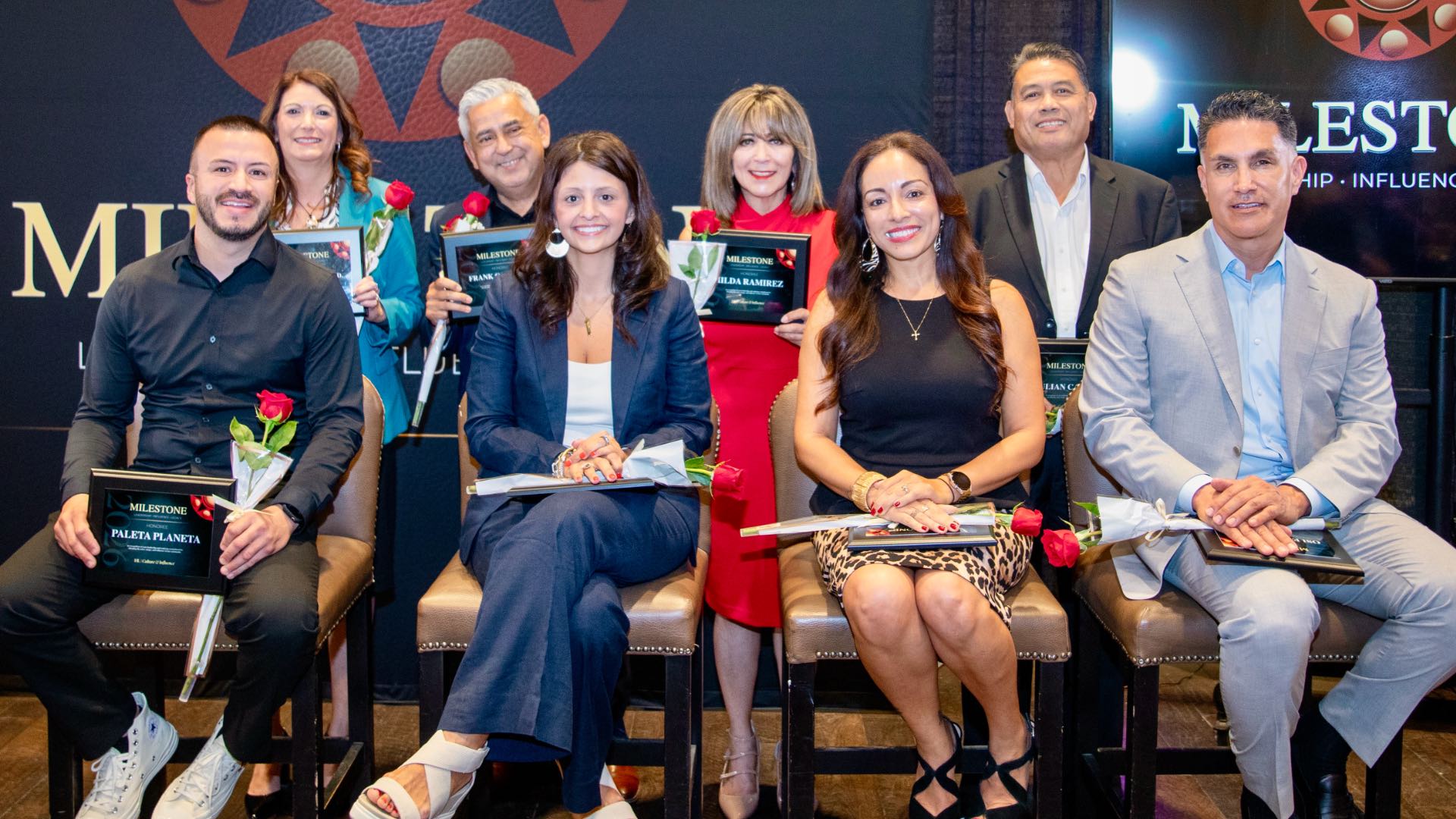
HL | Milestone Honorees recognized in Silicon Valley on June 17, 2026.

Back row: Dr. Marilyn Flores, President of San José City College; Frank Carbajal, Founder of Es Tiempo and the Silicon Valley Latino Leadership Summit; Hilda Ramirez, CEO and Team Leader of Keller Williams Silicon City; and Julian Cañete, President and CEO of the California Hispanic Chambers of Commerce.

Front row: Mauricio, Gabriel and Luis, Founders of Paleta Planeta; Gloria Mirazo Gregor, Senior Market Manager, Wells Fargo; Jazmin Diaz, Founder of Flourish Learning & Development; and Javier Diaz, Founder and CEO of OSI Engineering.

This is where Latino wealth must be understood beyond individual success stories.

The community needs more than visibility. It needs infrastructure.

“Latinos are not a one-size-fits-all market. They are homeowners, investors, executives, founders, creators, travelers, philanthropists, educators, and decision-makers. They are building companies, buying homes, leading institutions, influencing culture, and creating legacy.”

Latino wealth in Silicon Valley is not a future possibility. It is already present.

It is present in education.
It is present in real estate.
It is present in business ownership.
It is present in technology.
It is present in leadership networks.
It is present in financial institutions.
It is present in culture-driven entrepreneurship.
It is present in the families and professionals building legacy one decision at a time.

The opportunity now is to frame these stories properly.

For too long, successful Latino stories have been presented only as inspirational journeys. Inspiration matters, but it is not enough. These stories are also business case studies. They are evidence of a growing consumer segment, a rising professional class, an entrepreneurial engine, and a community with purchasing power, cultural influence, and generational ambition.

This is why brands, financial institutions, real estate developers, technology companies, civic leaders, and luxury companies should pay attention.

Latinos are not a one-size-fits-all market. They are homeowners, investors, executives, founders, creators, travelers, philanthropists, educators, and decision-makers. They are building companies, buying homes, leading institutions, influencing culture, and creating legacy.

Silicon Valley’s next chapter will not be defined by technology alone.

It will be defined by who has access to opportunity.

Who owns businesses.
Who leads institutions.
Who understands capital.
Who builds networks.
Who prepares the next generation.
Who tells the story.

That is why the HL Wealth Report matters.

It allows Hispanic Lifestyle to connect trusted research, real community leadership, and culturally relevant storytelling in a way that extends the conversation beyond the event room.

The data gives us context.
The leaders give us proof.
The stories give us meaning.

Latinos are emerging as one of Silicon Valley’s most influential growth segments.

And the future they are building is already here.

EDITOR NOTES 

HL Wealth Report is an editorial feature from HL | Culture and Influence  focused on wealth, ownership, leadership, and influence in the Latino community. This content is for informational and editorial purposes only and does not provide investment, legal, tax, or financial advice.

Readers should consult qualified professionals before making personal financial decisions.

Additional photos taken at the HL | Milestone Silicon Valley event were taken Lilith Sanchez