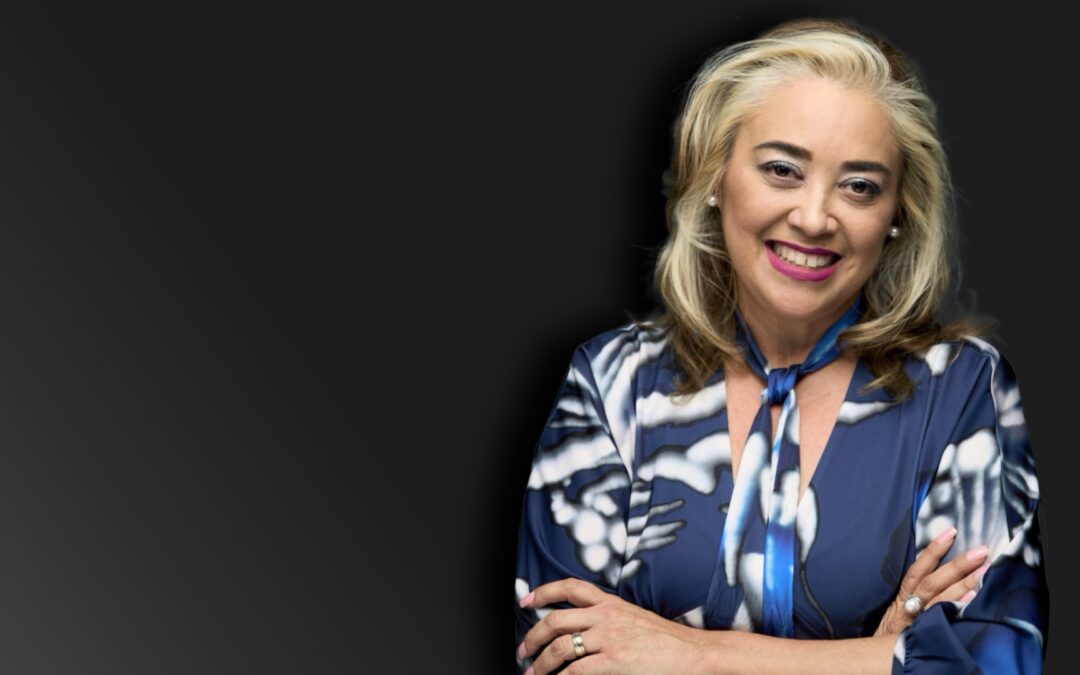
Dolores Arredondo | What’s Next for a Woman of Influence

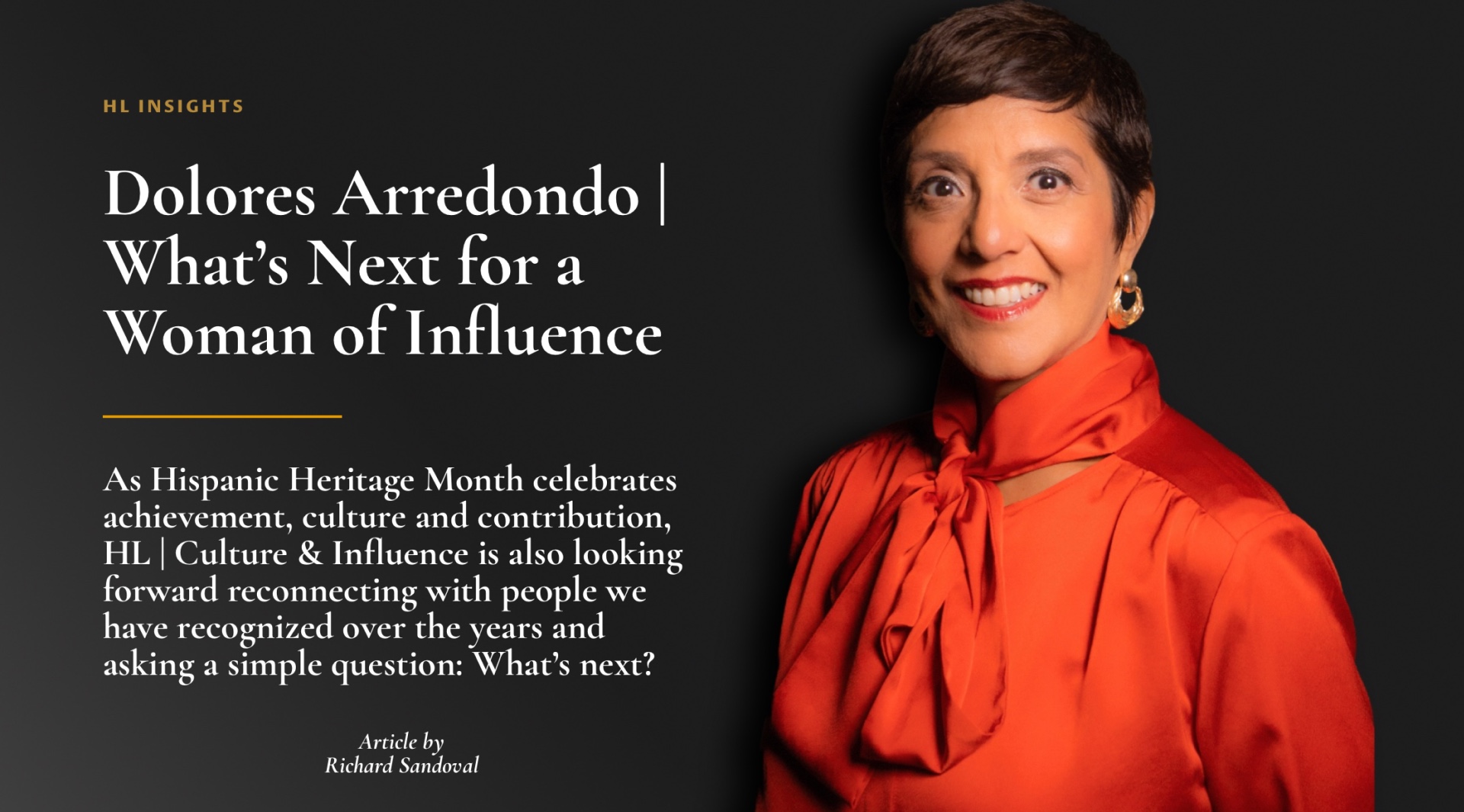
Dolores Arredondo | What’s Next for a Woman of Influence

HL INSIGHTS  

Dolores Arredondo | What’s Next for a Woman of Influence

As Hispanic Heritage Month celebrates achievement, culture and contribution, HL | Culture & Influence is also looking forward reconnecting with people we have recognized over the years and asking a simple question: What’s next?

Article by
Richard Sandoval

or Dolores Arredondo, the answer is still taking shape. That may be exactly what makes this chapter so interesting.

Previously recognized by HL as a Latina of Influence, Arredondo has built an accomplished career spanning marketing, business strategy, customer engagement, partnerships, entertainment, sports and community leadership.

After more than two decades of building brands, advising organizations and serving communities, she isn’t approaching her next chapter as a reinvention. She is looking at everything she has learned, experienced and accomplished and considering where she can make the greatest difference next.

Leadership Beyond Business

Arredondo’s professional background reflects years spent working at the intersection of brands, consumers, partnerships and business strategy.

As a growth marketing executive and strategic advisor, she has helped organizations understand audiences, strengthen customer engagement, develop strategic partnerships and turn marketing investments into meaningful results.

But business achievement tells only part of her story.

Throughout her career, Arredondo has maintained a deep commitment to service, education, inclusion and creating opportunities for others  particularly women, girls and communities that have not always enjoyed equitable access to resources and opportunity.

She has served on the boards of the Adventist Health White Memorial Charitable Foundation and Hispanas Organized for Political Equality (HOPE), where she also served as chair.

Arredondo was appointed a Commissioner for the Los Angeles County Department of Public Social Services, bringing her leadership and community perspective to issues affecting vulnerable populations.

Today, she continues that commitment as a member of the Wellesley College Board of Trustees and on the founding board of College Match Los Angeles, helping expand educational opportunities and pathways to success for first-generation students.

Those roles are impressive.

But in the many years I have known Dolores, what stands out most is something more personal. She is a woman of impact. She has consistently looked for ways to lift up others, create opportunities and connect people with resources, relationships and possibilities that can move them forward.

Service is not simply something Dolores has added to an already accomplished professional résumé. It is very much part of her DNA.

That perspective helps explain why her leadership has extended well beyond business. Whether through nonprofit organizations, education, healthcare or the advancement of women, she has repeatedly found ways to use her experience and relationships in service of others. 

A collection of moments with Dolores alongside family, friends and community leaders reflecting the relationships, service and sense of community that have been such an important part of her journey.

Finding Her “Next, Next”

After years of building, leading, advising and serving, Arredondo describes this point in her journey as searching for her “next, next.”

The phrase says a lot.

This isn’t simply about finding another job or adding another title. It is about determining where decades of experience, leadership, relationships and perspective can have the greatest impact. The possibilities cross several worlds she already knows well.

Healthcare is one.

Helping organizations better connect people with services and resources that can improve their lives is an area that naturally brings together her marketing experience and commitment to community.

There is also the continued opportunity to help brands better understand and connect with consumers, particularly within communities where trust, relevance and authentic engagement matter.

Sports and entertainment remain another area of interest, particularly where partnerships, marketing and the advancement of women intersect.

Whatever direction comes next, the common thread is purpose.

“I want to use my marketing prowess for good,” Arredondo says. “Whether it’s connecting people to the products and healthcare services they deserve or helping advance women in sports, I want to be a part of creating a better and more inclusive world.”

That statement may offer the clearest definition of what her “next, next” looks like. It is not simply about what she wants to do. It is about why she wants to do it.

Experience With Purpose

There comes a point in a successful career when advancement does not necessarily mean another rung on the professional ladder.

Sometimes it means having the freedom to ask a different question: Where can I contribute the most?

For Arredondo, marketing has provided an extraordinary professional foundation. Service has provided another. Over time, those two parts of her life have become increasingly connected.

She brings decades of strategic business experience, organizational leadership and an understanding of how brands, institutions and people connect. She also brings years of involvement with organizations focused on healthcare, education, opportunity and the advancement of women. Those aren’t separate chapters anymore. They are increasingly part of the same story and that may be one of the advantages of reaching this stage of a career.

Experience creates choices. Perspective helps determine which choices matter. Purpose helps determine what comes next.

Looking Forward During Hispanic Heritage Month

Hispanic Heritage Month naturally gives us an opportunity to look back. We celebrate accomplishments. We recognize contributions. We remember the people and experiences that helped create opportunities for the generations that followed.

But heritage isn’t only about where we have been.

It is also about what we do with those experiences moving forward. That is one of the reasons we wanted to reconnect with Dolores Arredondo.

HL recognized her as a Latina of Influence because of the leadership, achievement and commitment to community she had already demonstrated.  Years later, those qualities remain. What has changed is the question. Today, we are less interested in asking what Dolores has accomplished. There is already plenty of evidence of that. We are interested in what all of those accomplishments have prepared her to do next.

Arredondo doesn’t appear interested in simply adding another title to an already distinguished résumé. She is looking for the place where experience meets purpose  where marketing, leadership, relationships and service can create something meaningful.

The next chapter has not been completely written. Perhaps that is the most exciting part.

Because for a woman who has spent so much of her career helping create opportunities for others, the question now becomes:

What opportunity will Dolores Arredondo create next?

EDITOR NOTES 

Dolores Arredondo was recognized by HL as a Latina of Influence during our 2018 Latina Conference. Over the many years we have known Dolores, we have watched her build an accomplished professional career while consistently creating opportunities for others and remaining committed to service.

As part of our Hispanic Heritage Month coverage, HL | Culture & Influence is reconnecting with people we have had the privilege of recognizing over the years  sharing where their journeys have taken them and asking one of our favorite questions: What’s next?


HL 2018 Latinas of Influence. Dolores is located on the back row, 3rd from the right. 

Daniela Mounger | Building a Better Way to Send Money Home

Daniela Mounger | Building a Better Way to Send Money Home

HL INSIGHTS

Daniela Mounger | Building a Better Way to Send Money Home

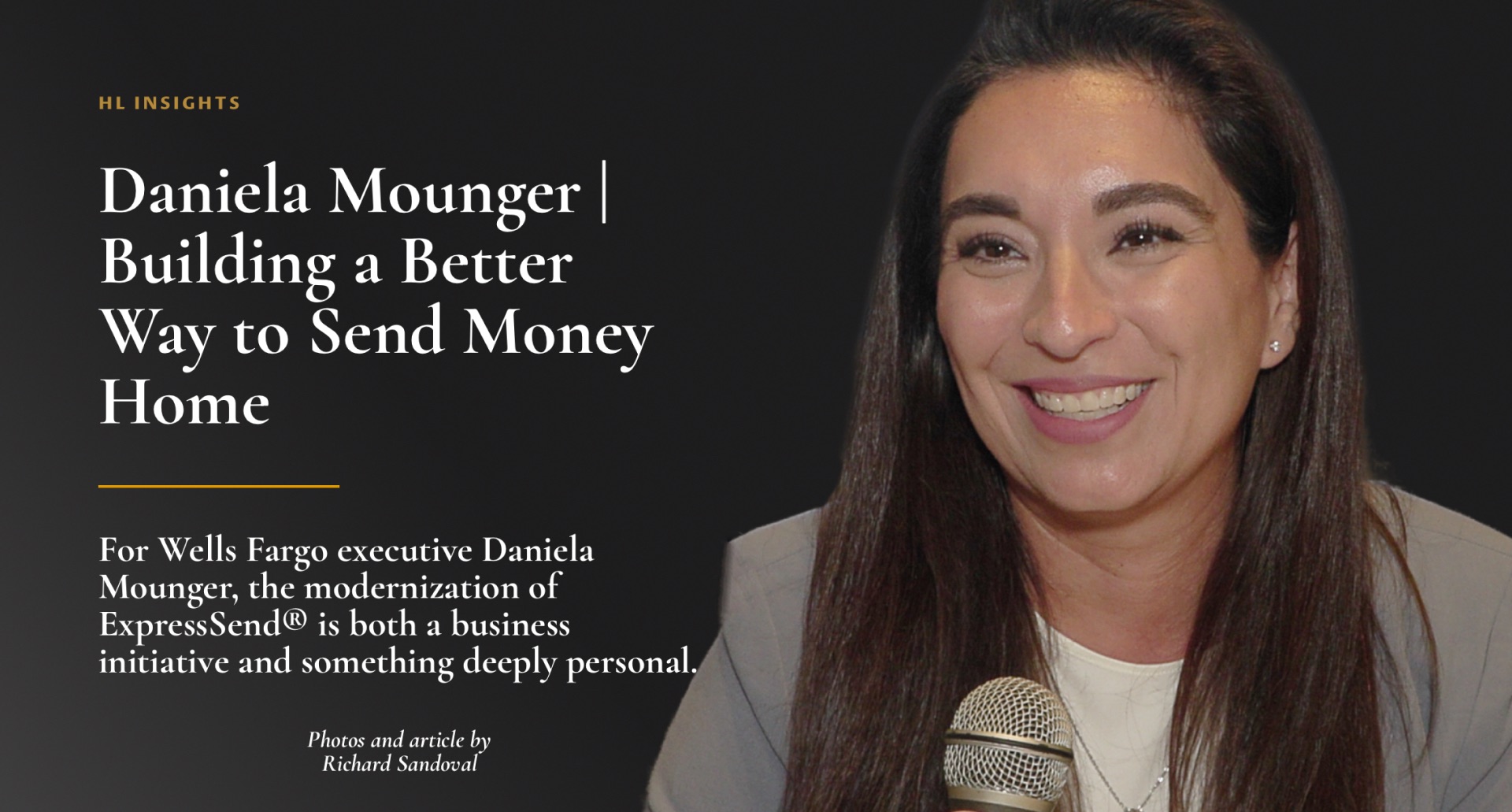
For Wells Fargo executive Daniela Mounger, the modernization of ExpressSend® is both a business initiative and something deeply personal.

Photos and article by
Richard Sandoval

or Daniela Mounger, sending money across borders is not simply part of her job.  It is part of her life.

Born and raised in Monterrey, Mexico, Mounger moved to the United States 14 years ago. Her parents and much of her family remain in Mexico, and she understands firsthand what it means to stay connected across borders.

She sends money home for birthdays, Mother’s Day, everyday needs and moments when family needs support.

Today, she also leads the Wells Fargo business responsible for helping customers do the same.

Mounger is senior vice president and head of Global Remittance Services within Wells Fargo Consumer Banking and Lending, where she leads the strategy, transformation and growth of ExpressSend®, the company’s cross-border remittance product, along with its consumer foreign-currency solutions.

Hispanic Lifestyle spoke with Mounger during AVANCE Global in Las Vegas about the evolution of ExpressSend, the changing expectations of customers and why the work carries such personal meaning for her.

Listening to the customer

ExpressSend has been around for more than a decade, but the way customers use it has changed significantly.

For years, customers were often directed to Wells Fargo branches to manage aspects of the international money-transfer process.

Mounger said customers were asking for something easier.

“We listened to them,” she said. “They asked us to innovate. They asked us to have a convenient way to send money from their mobile apps.”

That feedback helped drive the modernization of ExpressSend and its nationwide launch within the Wells Fargo Mobile® app.

The mobile experience allows customers to add and manage recipients, track transfers and receive alerts directly through the app. Wells Fargo says ExpressSend currently supports transfers to 12 countries.

For Mounger, the convenience is important because it reflects the way people live now.

“All of us are attached to our mobile phones,  nuestros celulares,” she said.

The ability to send money from a phone can matter in ordinary moments as much as emergencies.

Someone may be thinking about a parent, an aunt or another family member back home. A birthday may be coming up. A relative may need help.

“You just pull out your phone,” Mounger said.

More than a product

What makes Mounger’s connection to ExpressSend different is that she is not only leading the product.

She uses it.

“I’m Mexican, born and raised in Monterrey, Mexico, and my parents are still there. My family is still there,” she told HL Media Network.

She uses the service to send money to her parents and family members for occasions that are both important and routine.

“I use it to send money to my parents when they need it,” she said. “I use it for Mother’s Day, my mom’s birthday, my dad’s birthday and anything that is really needed for day-to-day lives.”

That personal experience gives Mounger a direct understanding of the customers the product is designed to serve.

“For me specifically, this was a very important product because not only do I lead it, I also use it,” she said.

She also understands the emotional side of sending money internationally.

For families separated by borders, the transaction can represent much more than the amount being transferred. It can be a way of caring for parents, helping relatives through difficult moments or remaining connected to the people and places left behind.

Mounger described the service as one way of creating a bridge between customers and their families.

Security and trust

Convenience is only part of the equation.

Mounger also emphasized the importance of trust and security when sending money internationally.

She acknowledged that sending money abroad can sometimes create anxiety, especially when customers are moving money they worked hard to earn.

Wells Fargo says ExpressSend uses encrypted sessions and security features already built into the Wells Fargo Mobile app to help protect customer account information.

Mounger also offered several reminders for consumers.

Know who you are sending money to. Carefully review recipient names, account information and other details before completing a transfer. Never share banking usernames or passwords with another person.

Once money is sent, she noted, correcting an error can be difficult.

Her point was straightforward: technology can make sending money easier, but customers still have an important role in protecting themselves.

A career connected to immigrant communities

Mounger’s path to leading Wells Fargo’s remittance business reflects years of experience in payments and financial services.

She has more than 15 years of experience in payments and product management, including work leading complex business transformations and customer-focused product development.

Before joining Wells Fargo, Mounger worked at Welcome Tech, where she focused on payments and financial services for immigrant communities.

She earned a bachelor’s degree in accounting and finance from Tecnológico de Monterrey in Mexico and a Master of Public Administration from the University of Texas at San Antonio.

When asked about the experiences that helped shape her career, Mounger pointed to two things: hard work and networking.

“Those are the most important things,” she said.

She also spoke about perseverance and the importance of continuing to work toward opportunities.

That journey eventually brought her to a role where her professional responsibilities intersect closely with her own experience.

“I have the blessing of ending up here with this product that is so close to my heart,” she said.

For Mounger, that connection comes from understanding people who, like her, built lives in the United States while maintaining close ties to family elsewhere.

“My entire family is in Mexico,” she said. “How do we help them? How do we provide solutions for all of us to help our parents, our families that are out there?”

Innovation with a purpose

Wells Fargo launched ExpressSend Mobile nationwide in 2026, bringing the service directly into its mobile banking platform.

The company says customers can send money to bank accounts or eligible cash pickup locations, track transfers, manage recipients and receive alerts through the app.

For Mounger, however, the technology itself is only one part of the story.

The larger goal is giving customers a secure and convenient way to support people they care about.

For someone who has lived that experience personally, the work carries a different kind of meaning.

She is not simply helping modernize a financial product.

She is helping make it easier for people to send something home.

EDITOR NOTES 

We  spoke with Daniela Mounger during AVANCE Global in Las Vegas, where HL Media Network was conducting a series of conversations with business, financial services and real estate leaders.

Mounger discussed the nationwide mobile launch of Wells Fargo ExpressSend®, the evolution of the service and her personal connection to helping families send money across borders.

Product details referenced in this article were supplemented by information provided by Wells Fargo regarding the 2026 nationwide launch of ExpressSend Mobile.

The interview has been edited for clarity and length.


Matt Mahan | Building More Pathways to Homeownership

Matt Mahan | Building More Pathways to Homeownership

HL INSIGHTS

Matt Mahan | Building More Pathways to Homeownership

San José Mayor Matt Mahan discusses housing supply, construction costs and homeownership offering a look at how one major American city is attempting to address challenges facing communities across the country.

Photos and article by
Richard Sandoval

ousing affordability may look different from one community to another, but the questions confronting cities across the country are increasingly familiar: How do we build more housing? How do we make development financially possible? And perhaps most importantly, how do we create realistic pathways to homeownership?

San José Mayor Matt Mahan offered one city’s perspective on those questions during opening remarks at the National Hispanic Organization of Real Estate Associates (NHORA) Conference, held September 11, 2026, at Hayes Mansion in San José.

Speaking to an audience of real estate professionals, Mahan described a Silicon Valley economy where job creation has significantly outpaced housing construction.

“We have a supply problem,” Mahan told attendees.

According to Mahan, the region has added approximately six jobs for every new home built over the past 20 years an imbalance he says has contributed to rising prices and pushed working families farther away from employment centers.

For Mahan, addressing affordability begins with increasing supply.

The Cost of Building

Housing discussions in California have frequently centered on zoning, density, height restrictions and affordable housing requirements. Mahan argued that another issue deserves greater attention: the actual cost of getting housing built.

Land, labor, materials, development fees and other costs can make projects financially difficult to construct, particularly in high-cost markets such as Silicon Valley.

San José has responded in part by reducing certain development fees and creating incentives intended to encourage residential construction. City documents show San José has continued expanding residential incentive programs, including reductions in some parkland fees for qualifying downtown development.

Mahan told the NHORA audience that those changes are beginning to produce results, citing a significant year-over-year increase in new housing construction.

His larger argument was straightforward: communities cannot address housing affordability without making it economically possible to build more homes.

Michelle Juarez-Perry, National President of the National Hispanic Organization of Real Estate Associates (NHORA), with San José Mayor Matt Mahan during the NHORA Conference, held September 11, 2026, at Hayes Mansion in San José, California.

Building Across Income Levels

Mahan also challenged the idea that market-rate and affordable housing should always be viewed as separate conversations.

He argued that communities need additional housing across income levels and that new market-rate construction can create movement throughout the existing housing market as residents move from one home to another.

For the real estate professionals gathered at NHORA, that raises a larger question.

Increasing housing inventory matters, but where does homeownership fit into the equation?

Mahan acknowledged that much of the housing currently being developed in cities such as San José consists of rental properties. While rental housing remains an important part of the market, he said communities also need ways for people to gain an initial foothold in ownership and begin building equity.

One experiment underway in San José provides an interesting example.

A Different Entry Point Into Homeownership

In 2024, San José became the first California city to adopt provisions allowing qualifying accessory dwelling units, commonly known as ADUs, to be sold separately as condominiums. The policy followed changes in California law allowing cities to authorize such conversions.

The concept moved from policy to an actual home sale this year.

In June 2026, California’s first standalone ADU condominium sale closed in San José for $530,000. The newly constructed two-bedroom, one-bath home measures 749 square feet and includes private parking and separate utilities.

In Silicon Valley, where the cost of homeownership can put purchasing beyond the reach of many households, the sale represented something different: another potential entry point into the housing market.

Mahan referenced the sale during his NHORA remarks.

“It’s small, but it’s somebody’s home,” he said, emphasizing that the homeowner now has an asset in which they can build equity.

The example doesn’t solve the larger affordability challenge. But it demonstrates how one city is experimenting with different definitions of what an entry-level home can look like.

Creating More Choices

Mahan also pointed to San José’s efforts to streamline certain housing approvals, reduce development costs and encourage additional density around employment centers and transit.

The objective, he explained, is to give residents more choices about where and how they live while removing some of the obstacles that can prevent housing from being constructed.

Those efforts intersect with the work of many of the professionals attending the NHORA Conference.

Mortgage professionals, real estate agents, developers and housing advocates can help consumers navigate the path toward purchasing a home. But that pathway becomes increasingly difficult when available housing doesn’t exist at prices prospective buyers can realistically reach.

Housing supply, development, financing and homeownership are different parts of the same conversation.

A Conversation Bigger Than San José

Mahan closed his remarks by recognizing the real estate community as an important participant in efforts to increase housing production and expand opportunities for homeownership.

His comments offered a look at how one major city is approaching a challenge that extends well beyond Silicon Valley.

San José’s circumstances are its own. Its policies reflect the economics, housing market and political decisions of that community. Other cities will make different choices.

But the underlying questions aren’t unique to San José.

Across the country, communities continue to wrestle with how much housing to build, where to build it, what it costs to construct and whether working families will ultimately have an opportunity to own rather than rent.

There may not be a single answer.

San José provides one case study and an opportunity to examine what happens when a city begins experimenting with different ways of getting more homes built and creating additional pathways to ownership.

EDITOR NOTES 

This article is based on remarks delivered by San José Mayor Matt Mahan on September 11, 2026, during the NHORA Conference at Hayes Mansion in San José, California.

Mahan’s remarks have been edited and organized for clarity and length. Statements regarding housing production, development costs, housing policy and the effects of those policies are attributed to the mayor where appropriate. Information regarding San José’s residential development incentives and ADU condominium program was supplemented with publicly available information from the City of San José.

The article examines San José, California, as one example of how a major U.S. city is addressing housing supply and pathways to homeownership.


Michelle Juarez- Perry | Leadership, Homeownership and Building a Legacy

Michelle Juarez- Perry | Leadership, Homeownership and Building a Legacy

HL INSIGHTS

Michelle Juarez- Perry | Leadership, Homeownership and Building a Legacy

A Hispanic Heritage Month Story

Photos and article by
Richard Sandoval

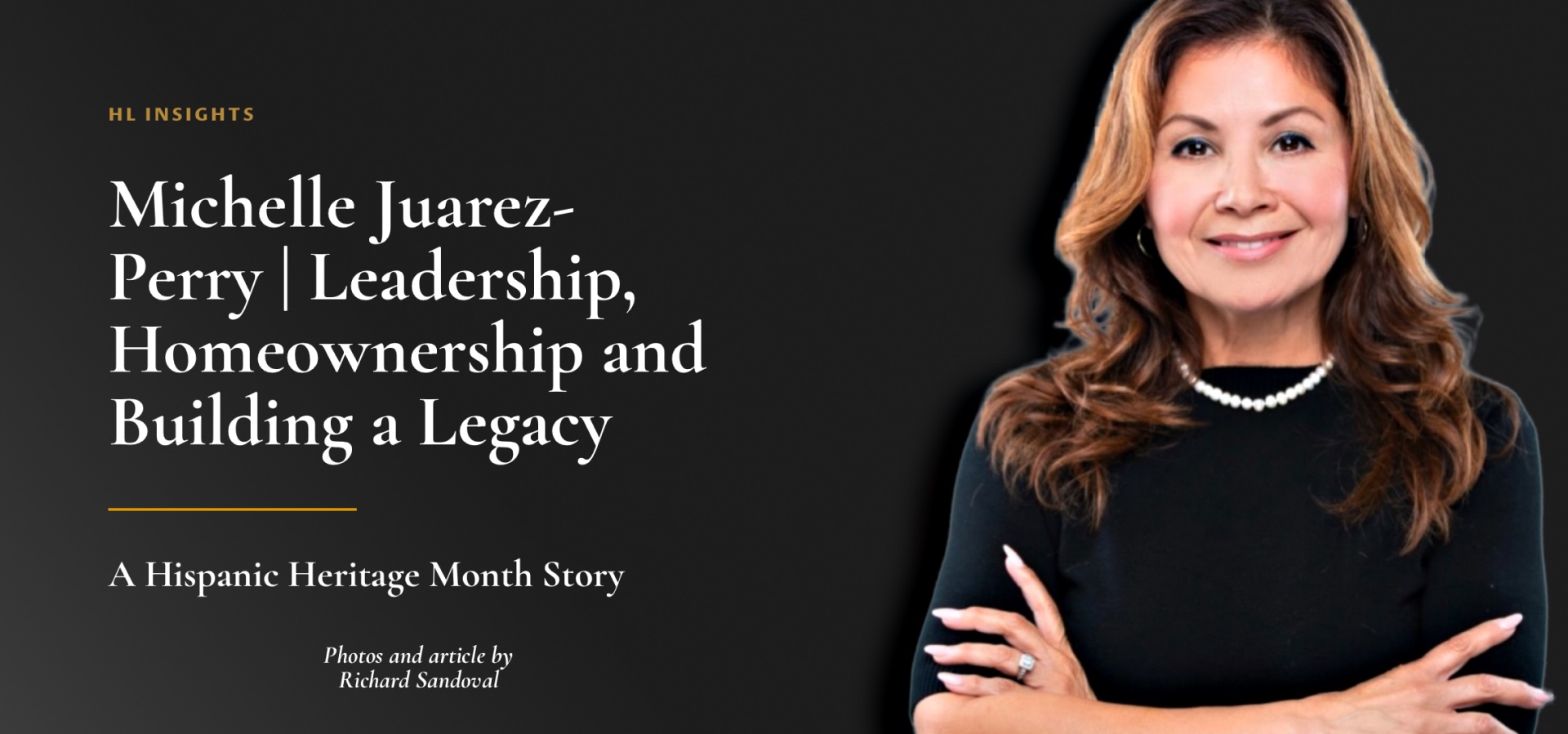
or NHORA National President Michelle Perry, leadership, homeownership and community are personal. As a first-generation homeowner and longtime real estate professional, she understands how owning a home can change the trajectory of a family.

During Hispanic Heritage Month, we often celebrate the accomplishments of individuals who are making an impact in their professions and communities. Sometimes, the more interesting story is understanding what motivates them to lead. For Michelle Perry, that story begins with home.

Perry is the 2026 National President of the National Hispanic Organization of Real Estate Associates (NHORA) and a full-time Realtor who has worked in Silicon Valley, Santa Clara County and San Benito County for more than 26 years.

Long before becoming a leader of a national real estate organization, however, Perry experienced something that continues to influence how she views her profession and community service.

She became a first-generation homeowner.

“I know what that trajectory is in life, and I know how it’s changed my family,” Perry told HL Media Network during NHORA’s 2026 National Conference in San Jose.

She became a homeowner before entering the real estate profession.

“So it’s something big for me,” she said. “I know what it means.”

Watch our conversation with NHORA National President Michelle Perry 

Discovering NHORA

Our introduction to NHORA went beyond attending its national conference.

The day before the conference, HL Media Network was invited to join NHORA leaders for a chapter retreat at Hayes Mansion in San Jose.

It provided an opportunity to observe the organization from the inside — chapter leaders gathering to discuss leadership, communication, professional development and the direction of the organization.

One word came up repeatedly: family.

The following day, as real estate professionals, lenders, affiliates and industry leaders arrived for the national conference, it became easier to understand what they meant.

There was an obvious professional purpose to the gathering. But there was also familiarity among the members and a sense that relationships between chapters mattered.

For those unfamiliar with NHORA, as we were before spending time with the organization, its work extends beyond professional networking.

The organization promotes sustainable homeownership while developing leadership within the real estate industry and encouraging its members to serve as trusted advisors within Hispanic communities. Its work also includes financial literacy, consumer education and community involvement.

Perry became involved with NHORA approximately six years ago.

“I knew what they were doing in the community,” she said.

That connection between profession and community appealed to her.

“This organization gives back to the community,” Perry explained. “In every aspect, not just in real estate, not just in education, but actually giving to people that are in need.”

Leadership Starts With Communication

When Perry became National President earlier this year, one of her priorities was strengthening NHORA from within.

Her focus has been on the chapters and, particularly, developing the professionalism and leadership skills of the people running them.

“They’re the ones that are really serving the community,” she said.

For Perry, effective leadership starts with something basic.

Communication.

“The number one thing for me, when you talk about leadership, is communication,” she said. “It’s really important that we establish what our priorities are, and how we communicate them.”

That meant investing in leadership training and making sure chapter leaders understood not only the organization’s priorities, but where NHORA wanted to go next.

The result, Perry believes, has brought the organization closer together.

“We know what our purpose is. We know what the vision is, and we know what the next step is, because we are being strategic about how we move forward.”

More Than a Real Estate Transaction

Perry’s perspective on homeownership is particularly relevant to the work NHORA is doing.

Real estate professionals spend their careers around transactions.

Buyers. Sellers. Financing. Properties. Contracts.

But Perry remembers the experience from the other side of the table.

She remembers becoming a homeowner before she became a Realtor.

That distinction matters.

For a first-generation homeowner, purchasing a house can represent something much larger than acquiring property. It can change how a family thinks about stability, opportunity and its financial future.

Perry lived that experience herself.

Today, she wants NHORA professionals to help others understand the homebuying process and the possibilities that can come with it.

She also sees the organization’s responsibility extending beyond homeownership education.

Perry talks about building wealth and leaving a legacy.

That means creating relationships with people and organizations capable of providing knowledge and resources within the communities NHORA serves.

It also means showing up in other ways.

Perry points to activities such as backpack drives, scholarships, nonprofit support and educational programs as examples of how local chapters can become part of their communities.

The objective is for NHORA members to become people their communities know and trust whether someone is trying to understand the homebuying process or simply looking for information and resources.

Building a Legacy

That brings Perry to what comes next.

She envisions NHORA continuing to expand into additional communities and states while maintaining the local relationships that have helped define the organization.

“We want it to expand into communities where they know that we are the trusted advisor,” she said.

Partnerships will be an important part of that expansion.

This year, NHORA introduced what Perry describes as its Legacy Partnership, creating deeper relationships with organizations supporting its mission. NHORA’s current national partnership structure includes Legacy, Impact, Community and Supporting Partner levels, with its Legacy Partners positioned for long-term participation in the organization.

But when Perry discusses those relationships, she doesn’t speak about them simply as sponsors.

“They’re part of our family now,” she said.

It reflects the same theme we heard during the leadership retreat the previous day.

For Perry, growth is ultimately about collaboration.

“That’s how we move forward,” she said. “It’s with collaboration, partnerships, and building futures for more than just ourselves, for giving back to our communities.”

A Story Worth Continuing

Our conversation with Michelle Perry was one of several we captured during our time with NHORA in San Jose.

We arrived wanting to learn more about an organization that was relatively new to us. We left with a better understanding of its leadership, its chapters and the people working within real estate and financial services to address homeownership and economic opportunity in their communities.

There are more of those stories to share.

For Hispanic Heritage Month, however, Michelle Perry provides a fitting place to begin.

She is a real estate professional who remembers what it felt like to become a first-generation homeowner.

A national president who believes leadership begins with communication.

And a Latina leader whose definition of success extends beyond what she can build for herself to what she and others can help build for the people who come next.

That is where leadership becomes legacy.

Learn more about the National Hispanic Organization of Real Estate Associates at NHORA.org.

EDITOR NOTES 

HL Media Network was invited to attend the 2026 NHORA National Conference in San Jose, California, including a leadership retreat held the day before the conference. It was our first opportunity to spend meaningful time with the organization, its national leadership and representatives from several of its chapters.

What began as an introduction quickly became an opportunity to listen, learn and document. During our time in San Jose, we conducted several interviews exploring leadership, homeownership, financial education, community service and the work being done by professionals serving their communities.

Our conversation with NHORA National President Michelle Perry is the first of several stories we look forward to sharing from that experience.


Valeria Esparza-Chavez | Remembering the Sacrifices That Created Opportunity

Valeria Esparza-Chavez | Remembering the Sacrifices That Created Opportunity

HL INSIGHTS

Valeria Esparza-Chavez | Remembering the Sacrifices That Created Opportunity

A Hispanic Heritage Month Story

Photos and article by
Richard Sandoval

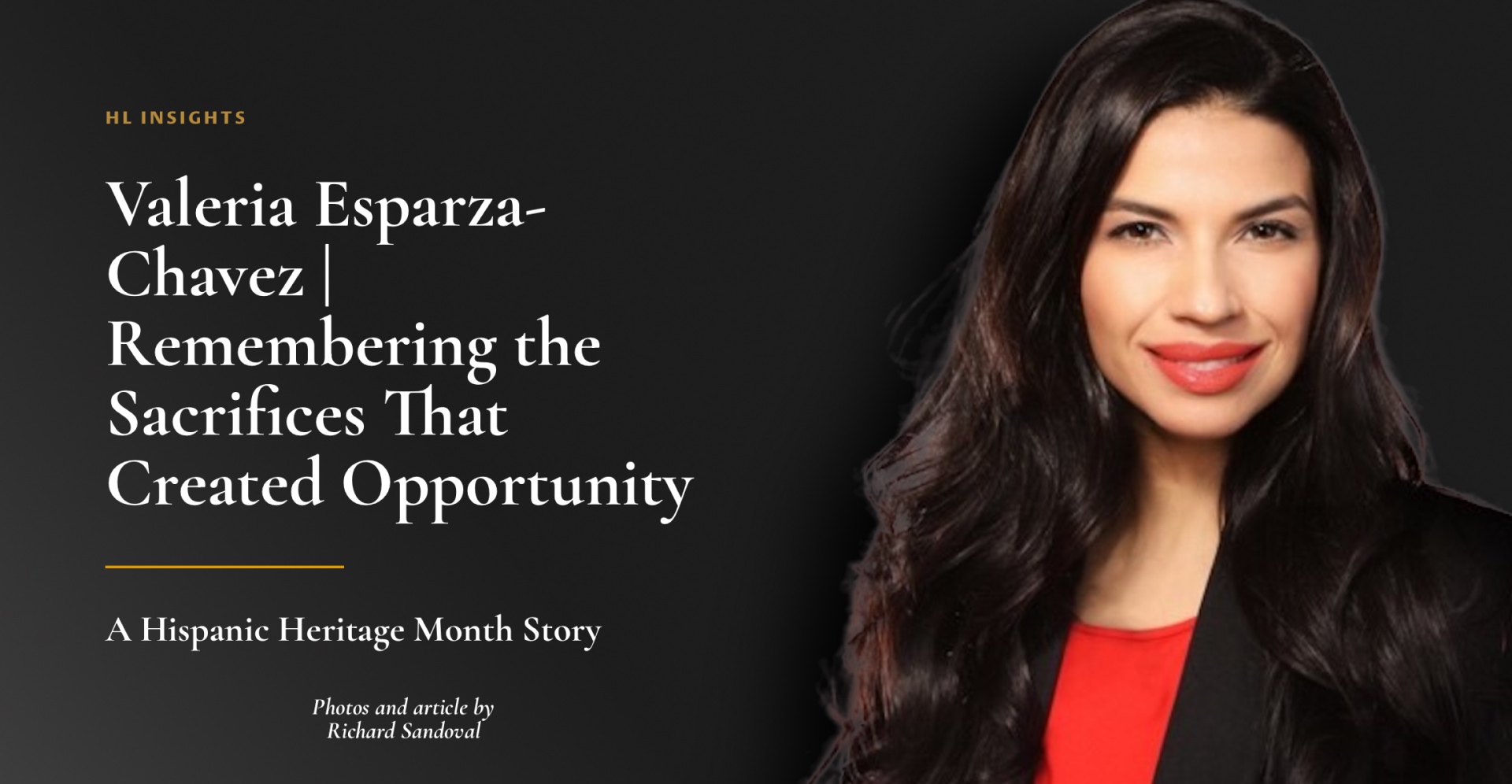
or Valeria Esparza-Chavez, Hispanic Heritage Month is personal.

As Vice President and Customer Growth Segments Lead at Wells Fargo, Esparza-Chavez spends much of her professional life focused on expanding economic opportunities for Latino families through homeownership, entrepreneurship, investing and financial education.

But when HL Media Network asked her to share her thoughts about Hispanic Heritage Month, her answer began somewhere much closer to home.

“This month is very personal for me,” Esparza-Chavez said. “As a daughter of immigrants, a first-generation American, first in my family to ever go to college, this is a month about remembering all of the sacrifices that our parents, that our grandparents did for us.”

Watch our conversation with Valeria Esparza-Chavez as she shares what Hispanic Heritage Month means to her. 

Remembering the Sacrifices

For Esparza-Chavez, those sacrifices can be measured in opportunities.

She remembers becoming the first person in her family to work in a corporate environment and the first to have access to benefits that can easily be taken for granted once they become part of everyday life.

“I am filled with gratitude for the opportunities that my parents gave me,” she said.

Today, she sees another generation moving forward.

Esparza-Chavez spoke about watching her own children, nieces and nephews pursue their education and consider opportunities including college and medical school that reflect how much has changed within one family.

It is a perspective that transforms Hispanic Heritage Month from simply looking back at where we came from into considering what comes next.

Creating Opportunity for the Next Generation

That idea also carries into Esparza-Chavez’s professional work.

During our conversation at NAHREP at AVANCE Global in Las Vegas, she spoke about the growing economic influence of the U.S. Latino community and the importance of creating greater access to homeownership, entrepreneurship, financial education and investing.

“We know that Latinos are driving the American economy,” she said.

For Esparza-Chavez, however, the larger economic conversation ultimately comes back to people, families and opportunity.

“As we reflect on our family members, on our parents and grandparents during this Hispanic Heritage Month, let’s think about what we can do for future generations,” she said.

Her message is rooted in gratitude, but it also carries a sense of responsibility.

Previous generations made sacrifices to create opportunities they might never have experienced themselves. The opportunity now is to build upon what they started and consider what we can make possible for those who follow.

Hispanic Wealth Project

Valeria was featured on the platform HispanicWealthProject.org read her story Valeria’s Journey: From El Paso to the C-SuiteFrom First-Gen Dreamer to Seven-Figure Investor: How Valeria Esparza-Chavez Turns Homeownership into Legacy @  https://hispanicwealthproject.org/hispanic-wealth-profiles/valeria-esparza-chavez-homeownership

This conversation was recorded by HL Media Network during NAHREP at AVANCE Global, held September 14–16, 2026, in Las Vegas

EDITOR NOTES 

During NAHREP at AVANCE Global in Las Vegas, HL Media Network had the opportunity to reconnect with friends and colleagues and meet new voices along the way. As we celebrate Hispanic Heritage Month, we asked several of them to share what this time means to them personally. Valeria Esparza-Chavez begins a series of conversations reflecting on family, sacrifice, opportunity and the experiences that continue to shape our community.