
Lucy Wu | Adapting to What’s Next

Lucy Wu | Adapting to What’s Next

THE OF BUSINESS OF SURVIVING TO THRIVE

Lucy Wu | Adapting to What’s Next

From her family’s restaurant businesses to fashion and New York real estate, Lucy Wu’s story reflects an ability to recognize opportunity, adapt to changing circumstances and keep moving forward.

Photos and article by
Richard Sandoval

ometimes you meet someone through a colleague and quickly understand why the introduction was made.

That was the case with Lucy Wu.

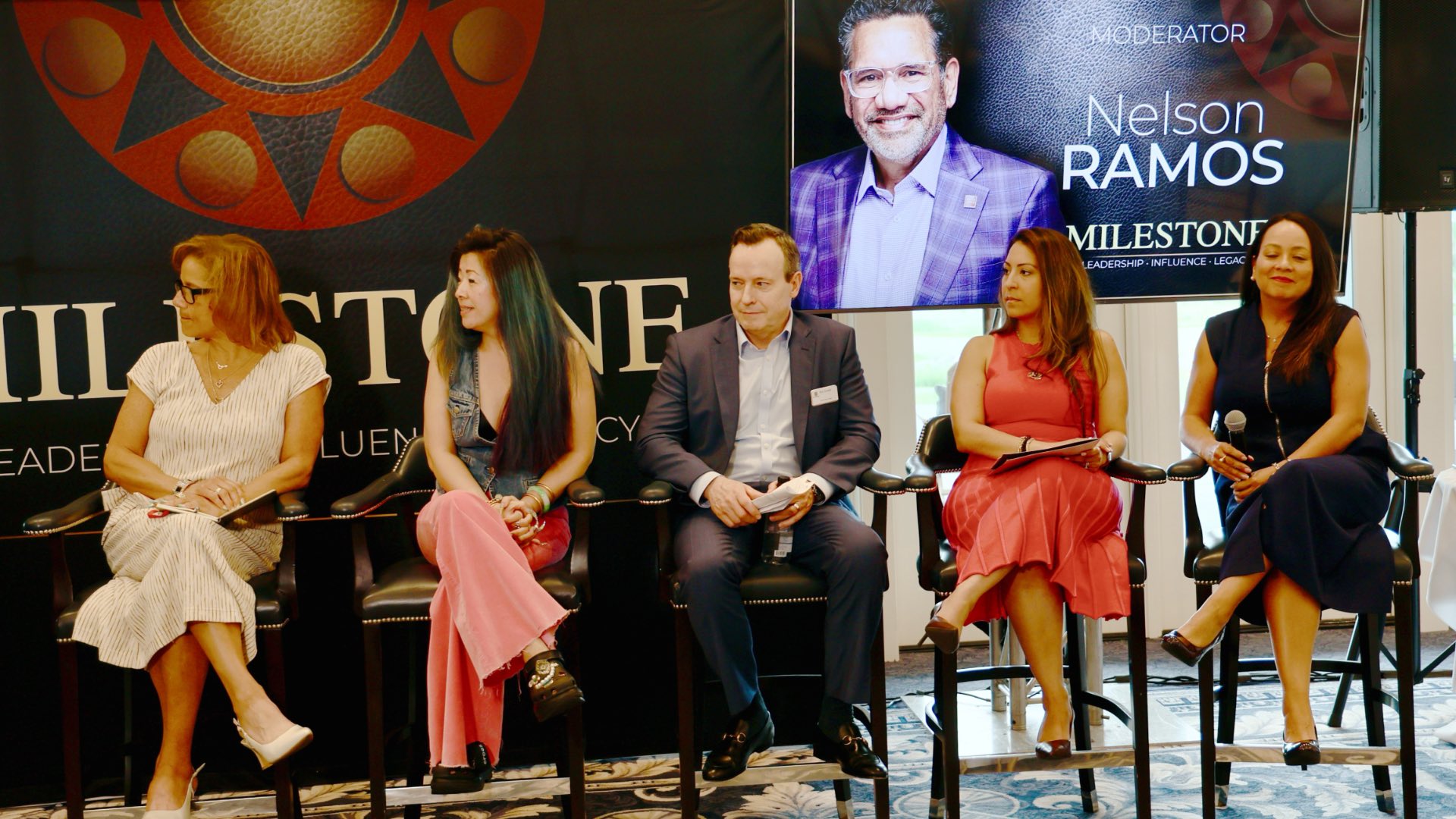
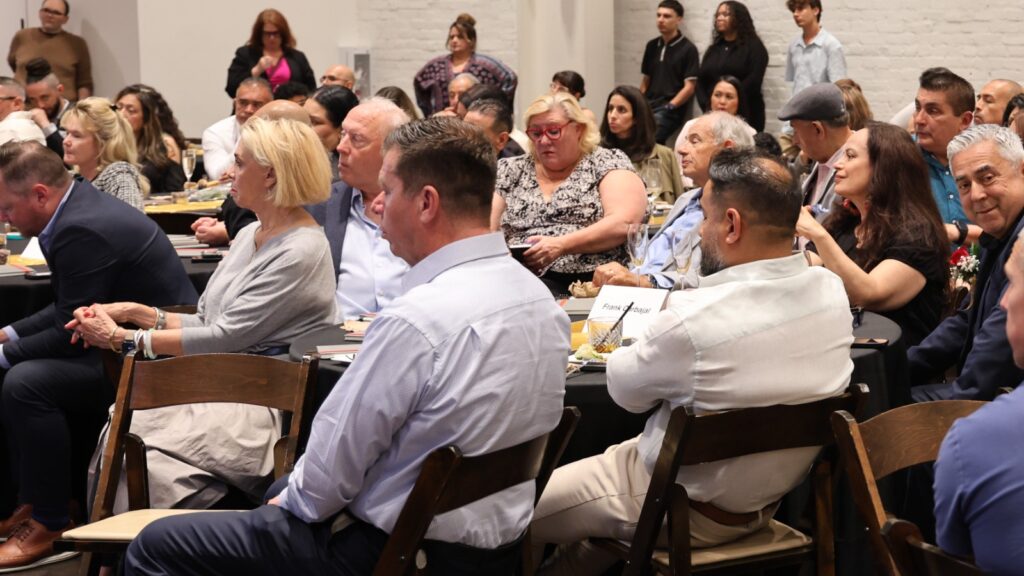
Our colleague Nelson Ramos of Wells Fargo introduced us ahead of our HL | Milestone Series – New York event at Bally’s Golf Links at Ferry Point, where Lucy participated as a panelist.

Nelson thought highly of her insights, ambition and personality. It did not take long for me to understand why.

Lucy has a way of making people feel as though they have known her for years. As our conversations continued following Milestone New York, I became interested in something beyond her professional accomplishments.

Where did that entrepreneurial spirit and ability to adapt come from?

An American Dream Takes Shape

Lucy’s answer begins with her family’s journey to America.

Her father arrived in New York in 1980 without speaking English. His first jobs included working as a delivery boy and dishwasher at a Chinese restaurant.

He eventually moved into Japanese restaurants and worked his way up to assistant chef. Along the way, he recognized opportunities that might eventually allow him to build something of his own.

“He always knew he wanted to own a business; that was his American dream,” Lucy shared.

While learning the restaurant business, he quietly collected vendor information from business cards and newspaper clippings, preparing for an opportunity he hoped would eventually come.

Lucy and her mother joined him in 1983. Her mother, who had taught British English in China, handled the front of the house and accounting while her father managed the kitchen and operations.

Together with family members, they opened their first restaurant in Cobble Hill, Brooklyn, in 1986, followed by another in Park Slope around 1989.

According to Lucy’s family account, they later took over Fuji, a long-established Japanese restaurant that brought the family and eventually Lucy to Hell’s Kitchen.

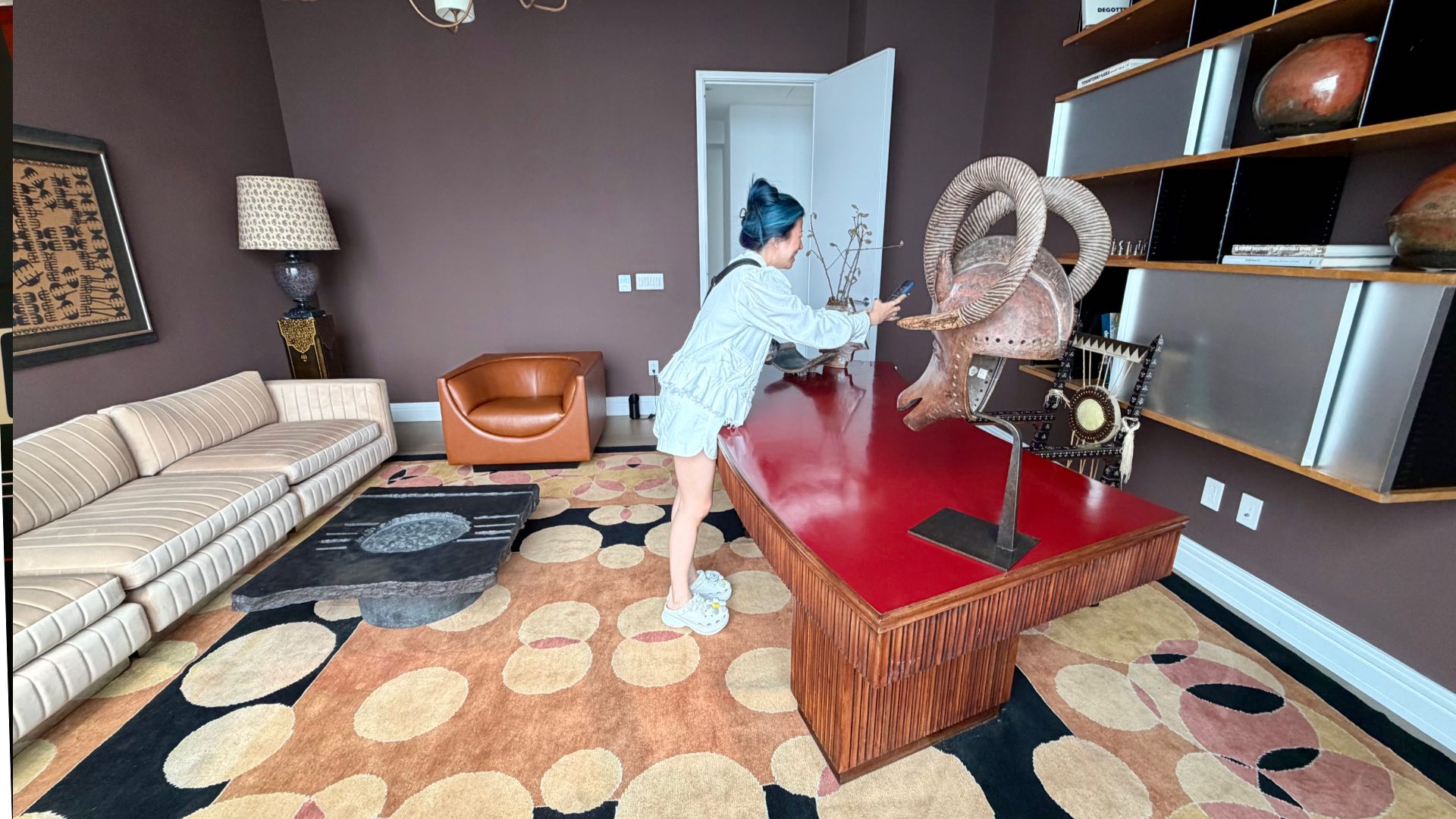
Lucy Wu | In Her New York Element

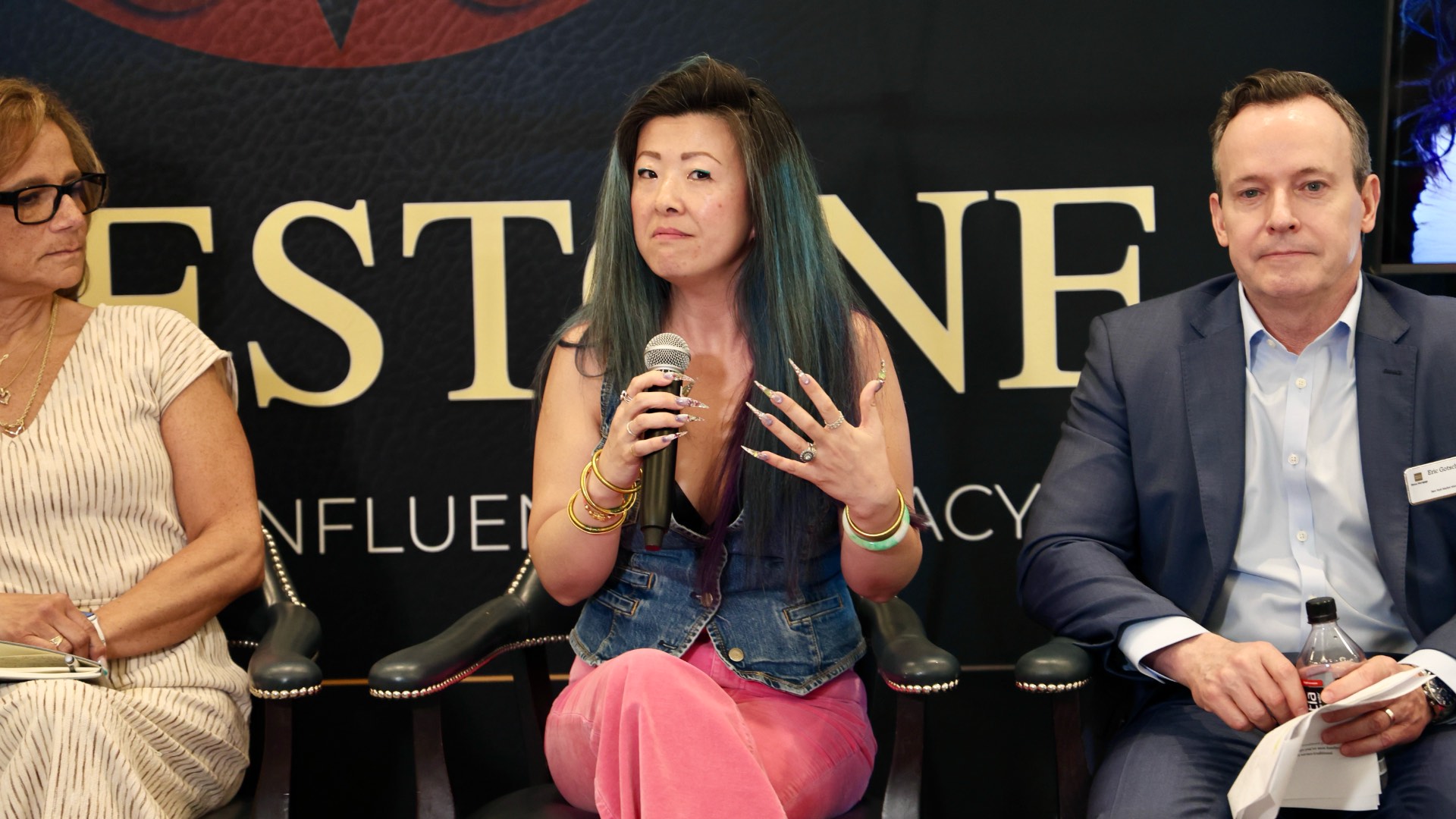
Lucy was a featured a panelist at our Milestone | New York Event

From Restaurants to Real Estate

The restaurant business also introduced Lucy’s father to another opportunity: real estate.

“He didn’t understand and never trusted the stock market, but he understood real estate,” Lucy explained. “It wasn’t going anywhere; it was tangible, and it was their retirement income waiting to happen.”

Her parents became mom-and-pop landlords while continuing to operate their restaurants.

Lucy grew up watching them buy, sell and manage properties.

Years later, when she was laid off from a career in fashion, entering real estate did not feel like starting over.

“When I got laid off from fashion, real estate wasn’t a leap,” Lucy said. “It was already in my blood.”

That transition says something important about Lucy’s story.

Careers change. Industries change. Markets change.

The ability to recognize opportunity and adapt may be one of the most valuable lessons passed from one generation to another.

Today, Lucy works in New York luxury real estate, helping clients navigate decisions that extend well beyond a transaction. She also sees herself moving increasingly into a thought-leadership role while continuing to ask questions about what might come next professionally and personally.

Her story is a reminder that entrepreneurship is not always learned in a classroom. Sometimes it is learned watching your parents work. Sometimes it begins in a restaurant kitchen. Sometimes it requires leaving one career and recognizing an opportunity in another.

For Lucy Wu, adapting to what’s next is not simply about responding to change.

It is part of the family story.

EDITOR NOTES 

Our relationship with Lucy Wu began through the HL | Milestone Series – New York and continued through conversations and experiences that introduced us to another side of the city. This story is part of HL | New York – People. Places. Conversations., our continuing collection exploring New York through the people we meet and the experiences we share.

CONTINUE EXPLORING: A $65 Million View of Manhattan • Going With the Flow at MilosBecoming More Than a Visitor

HL | Milestone Series – Honors Paleta Planeta

HL | Milestone Series – Honors Paleta Planeta

HL | Milestone Series – Honors Paleta Planeta

Family • Vision • Impact

Some businesses begin with a business plan.

Others begin with family.

For brothers Luis Salazar, Mauricio Salazar, and Gabriel Salazar, the journey that would become Paleta Planeta started during one of the most uncertain periods in recent history. What began as an idea during the COVID-19 pandemic—selling handcrafted paletas from their parents’ garage—has grown into one of downtown San José’s most recognized entrepreneurial success stories.

Today, Paleta Planeta stands as a testament to perseverance, family values, and the power of community.

Paleta Planeta will be recognized during  our HL | Milestone Series – Silicon Valley event, taking place on June 17, 2026. This invitation-only reception brings together a curated audience of executives, entrepreneurs, and community leaders for an evening of connection, conversation, and recognition.

👉 Event details & RSVP: https://bit.ly/41B5Z3J

The Salazar brothers, all products of the San José educational community, built their business on a foundation that reflects the experiences of many first-generation entrepreneurs. Mauricio attended Evergreen Valley College, where he also played soccer. Gabriel graduated from Evergreen Valley College before earning a degree in Finance from San José State University and becoming a Certified Public Accountant. Luis attended both San José City College and Evergreen Valley College before completing his degree in Health Science at Cal State East Bay.

Their educational journey reflects a commitment to personal growth that would later become instrumental in building a successful business.

Inspired by family members with deep roots in the paleta tradition of Tocumbo, Michoacán widely recognized as the birthplace of the modern paleta the brothers embraced an opportunity to learn the craft while creating something uniquely their own. Armed with knowledge, determination, and support from family members who believed in their vision, they launched Paleta Planeta in 2021.

There was no storefront.

No large investment.

No guarantee of success.

Only three brothers working together with a shared belief that they would build something meaningful for their community.

Selling through social media, community events, and neighborhood gatherings, they steadily grew their following one customer at a time. Their commitment to quality, creativity, and customer experience transformed a small family operation into a destination that continues to attract visitors from throughout Silicon Valley.

A defining milestone came on September 21, 2024, when Paleta Planeta opened its first brick-and-mortar location in downtown San José, directly across from City Hall.

For the Salazar family, the opening represented far more than a new business address.

It represented years of sacrifice, countless hours of work, and the realization of a dream that began in a garage.

Today, Paleta Planeta offers more than handcrafted paletas. It creates experiences, celebrates culture, and brings people together through flavors that honor tradition while encouraging discovery and creativity.

Milestone Moments

• Built a family-owned business from a garage operation during the COVID-19 pandemic

• Leveraged the educational opportunities provided by Evergreen Valley College, San José City College, San José State University, and Cal State East Bay

• Grew from direct-to-consumer sales and community events into a recognized Silicon Valley brand

• Opened its first storefront in downtown San José in September 2024

• Created a destination that celebrates culture, entrepreneurship, family, and community

• Demonstrated how education, family support, and determination can transform an idea into a thriving business

The Salazar brothers’ story reminds us that entrepreneurship is often about more than building a company. It is about creating opportunities, honoring family sacrifices, and investing in the communities that helped shape our journey.

Their journey from garage to storefront, from vision to reality serves as an inspiring reminder that some of the most meaningful milestones begin with family, faith, and the courage to take the first step.

The HL | Milestone Series is a national platform designed to celebrate leadership across business, community, education, and innovation.

The 2026 HL | Milestone Series is made possible through the support of Wells Fargo, the series’ funding partner, whose commitment to community engagement and financial empowerment helps bring these important conversations and recognitions to life.

Small Business Month: A Surviving to Thrive Story

Small Business Month: A Surviving to Thrive Story

Small Business Month: A Surviving to Thrive Story

by Richard Sandoval, for HL | Culture & Influence

The journey from uncertainty to opportunity and the entrepreneurs building legacies that extend beyond a single generation.

For many Americans, May is recognized as Small Business Month.
For us at HL | Culture and Influence, it represents something much deeper.

It is a reminder that behind nearly every neighborhood, every family story, every growing community, and every cultural movement, there are entrepreneurs taking risks most people never see.

Small business owners are not simply selling products or services. They are creating opportunity, building influence, preserving culture, generating jobs, supporting families, and investing back into the communities they call home.
And in many cases, they are doing it without massive teams, institutional backing, or headlines.

They simply keep showing up.

Across the country, we continue to witness entrepreneurs redefining industries in real time. Some are first-generation business owners. Others are building on family legacies. Many are balancing business ownership with parenting, caregiving, mentoring, and community leadership.

What often goes unnoticed is how deeply personal entrepreneurship really is.
For many small business owners, the business is not separate from life it is life.

  • It represents sacrifice.
  • It represents identity.
  • It represents belief in something bigger than a paycheck.

Over the years, HL has had the privilege of telling the stories of restaurant owners, financial professionals, creatives, nonprofit leaders, real estate experts, retailers, attorneys, wellness advocates, media entrepreneurs, and founders from a wide range of industries. What connects them is not simply revenue or visibility.

It is resilience.

Especially within Hispanic and multicultural communities, entrepreneurship has long been part of the economic engine that helps families move forward. Small businesses often become gathering places, employers, mentors, sponsors, and trusted voices within the community.

They become part of the cultural fabric.

Today’s business environment, however, is far more demanding than it once was.

Entrepreneurs are navigating inflation, rising operational costs, technology shifts, AI disruption, changing consumer behavior, social media pressures, and an economy that often feels unpredictable. At the same time, they are expected to constantly market themselves, create content, manage teams, and remain visible in increasingly crowded digital spaces.

The pressure is real.

Yet despite those challenges, many continue to evolve, adapt, and grow.
That spirit of reinvention may be one of the defining characteristics of modern entrepreneurship.

At HL, we understand that evolution personally.

Our own platform has gone through transformation rethinking not only how stories are told, but why they matter. We have shifted toward deeper conversations around culture, leadership, influence, business, wellness, travel, and aspiration because today’s audience is looking for more than headlines.

  • People are looking for connection.
  • For insight.
  • For inspiration.
  • For examples of what’s possible.
  • Small businesses provide exactly that.

As we look ahead, we believe the future belongs to entrepreneurs who understand the value of relationships, authenticity, adaptability, and community trust. The businesses that will continue to grow are the ones that recognize consumers are no longer simply purchasing products.

  • They are investing in experiences.
  • Values.
  • Stories.
  • And people they believe in.

That is especially true within affluent and emerging multicultural markets, where influence extends beyond economics and into lifestyle, identity, and community impact.

Small Business Month should not simply be about celebrating survival.

  • It should be about recognizing vision.
  • The vision to create something from nothing.
  • The vision to employ others.
  • The vision to build legacy.

And the vision to continue moving forward even when the path is uncertain.

  • To every entrepreneur working long hours behind the scenes…
  • To every founder funding a dream with personal sacrifice…
  • To every family-owned business adapting to a changing world…
  • And to every small business owner still believing in what’s possible…

We see you.

And your story matters.

Because long before corporations discover trends, communities are often shaped by the entrepreneurs already doing the work at the local level building influence one relationship at a time.

That is worth recognizing not just in May, but throughout the year.

HL | Culture and Influence
Defining Culture and Influence… in our community.

Small Business by the Numbers

Why Entrepreneurship Continues to Matter

  • Small businesses account for 99.9% of all U.S. businesses, according to the U.S. Small Business Administration.
  • Small businesses employ nearly 46% of the American workforce, representing millions of jobs across every industry and community.
  • Latino-owned businesses continue to be one of the fastest-growing segments of entrepreneurship in the United States, contributing hundreds of billions of dollars annually to the U.S. economy.
  • Studies continue to show that business ownership remains one of the strongest pathways toward building generational wealth, particularly for first-generation entrepreneurs and multicultural families.
  • Family-owned businesses often create more than income — they create:
    • Homeownership opportunities
    • College funding for future generations
    • Employment within the community
    • Long-term financial stability
    • Legacy and economic influence
  • According to multiple business and financial studies, entrepreneurs are more likely to create transferable assets that can be passed down through generations compared to wage-based income alone.
  • Today’s entrepreneurs are increasingly building businesses around:
    • Culture and community
    • Digital influence
    • Specialized expertise
    • Lifestyle-driven brands
    • Relationship-based trust

The Bigger Picture

For many families, entrepreneurship is no longer simply about owning a business.

It is about creating freedom.
Creating opportunity.
And creating a legacy future generations can build upon.

Source | U.S. Small Business Administration

More Stories