
NHORA | A Path to Homeownership

NHORA | A Path to Homeownership

HL | Culture and Influence

NHORA | A Path to Homeownership

The National Hispanic Organization of Real Estate Associates brings together real estate professionals, industry leaders and community advocates around homeownership, leadership and economic opportunity.

Photos and article by
Richard Sandoval

or many families, homeownership represents much more than purchasing a property. It can represent stability, financial opportunity, community and an important step toward building generational wealth.

Helping more families navigate that path is part of the mission of the National Hispanic Organization of Real Estate Associates (NHORA), a national organization focused on promoting responsible and sustainable homeownership while developing professional and community leadership.

NHORA brings together professionals from real estate, lending and related industries and provides opportunities for education, professional development, community involvement and relationship building.

The organization describes its work as encouraging members to serve as trusted advisors within the Hispanic community while providing educational forums, sharing industry information and advocating for policies affecting the communities its members serve.

That work happens both nationally and through NHORA’s network of local chapters, where professionals participate in educational programs, community outreach and industry events.

An important extension of that mission is the NHORA Foundation, which focuses on housing, financial literacy, entrepreneurship and financial empowerment.

Among its signature initiatives is Road to Homeownership, a series of community programs designed to connect prospective homebuyers with real estate professionals, lenders and resources that can help them better understand the homebuying process.

Elevate. Lead. Serve.

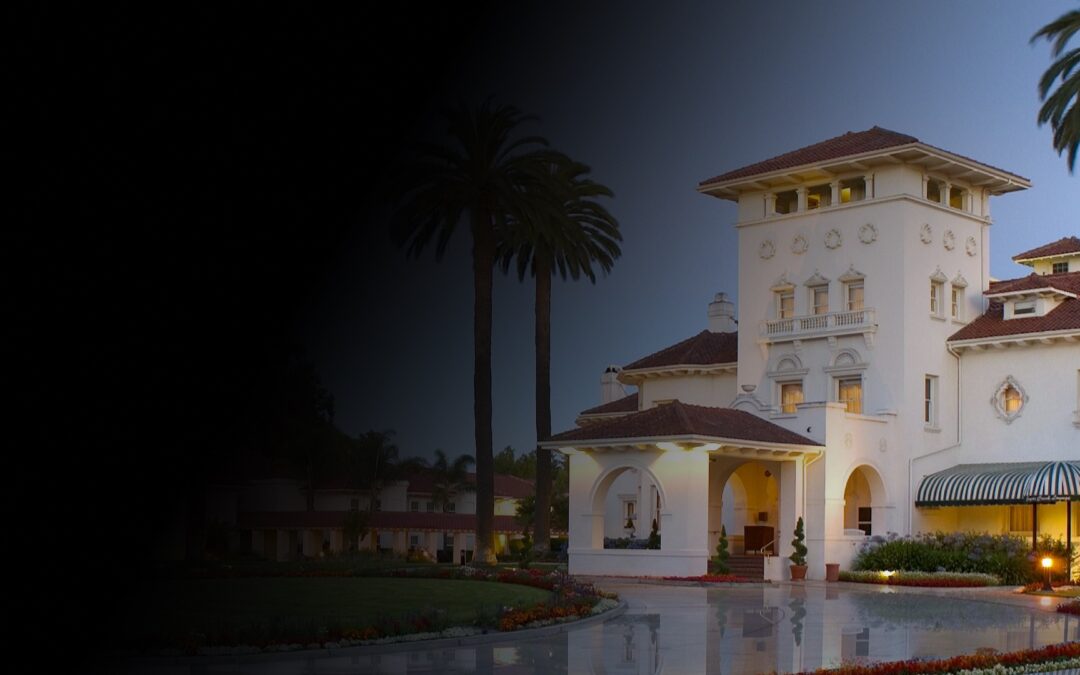
On September 11, NHORA will bring its national network together in Silicon Valley for the 2026 NHORA National Conference at Hayes Mansion in San Jose.

Under the theme “Elevate. Lead. Serve.”, the conference is expected to bring together real estate professionals, industry leaders, entrepreneurs and community advocates for a day of education, networking and conversations surrounding homeownership, leadership and economic empowerment.

The National Conference follows a September 10 Chapter Retreat, also at Hayes Mansion, where NHORA chapter leaders and board members will gather for leadership development, collaboration and relationship building.

For those unfamiliar with NHORA, the September gathering provides an opportunity to learn more about an organization working at the intersection of real estate, professional leadership and homeownership.

It also raises some interesting conversations worth following: What does the path to homeownership look like today? How are real estate and lending professionals responding to changing economic conditions? How can greater financial knowledge help prepare the next generation of homeowners? And what role can organizations such as NHORA play in connecting communities with the people and resources needed to move forward?

Those are conversations we look forward to exploring.

The 2026 NHORA National Conference takes place Friday, September 11, 2026, at Hayes Mansion in San Jose, California.

Defining Wealth in Silicon Valley

Defining Wealth in Silicon Valley

HL | Wealth Report

Defining Wealth in Silicon Valley

Latinos are emerging as one of the region’s most influential growth segments shaping wealth through education, ownership, technology, real estate, entrepreneurship, leadership, and culture.

Photos and article by
Richard Sandoval

ilicon Valley is often defined by technology, venture capital, innovation, and global wealth creation. It is a region known for producing ideas, companies, and industries that influence the world.
But the definition of wealth in Silicon Valley is changing.

Wealth is no longer measured only by market valuations, stock options, executive titles, or access to capital. Wealth is also measured by education, ownership, home equity, business growth, leadership, cultural influence, access to networks, and the ability to create opportunity for the next generation.

For the Latino community, this broader definition matters.

“The data gives us context. The leaders give us proof. The stories give us meaning.”

Latinos are not simply participating in the Silicon Valley economy. They are helping shape its future through business ownership, institutional leadership, real estate, technology, workforce development, financial services, entrepreneurship, and culture-driven brands.

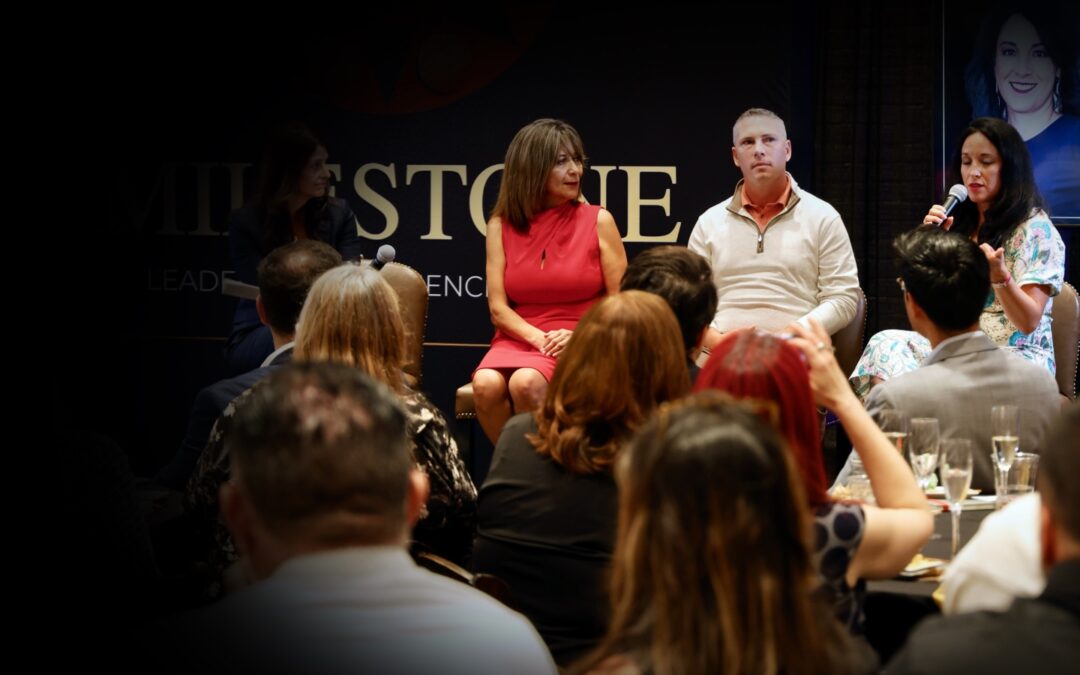
That was the larger conversation reflected at the HL | Milestone Series Silicon Valley event, where Hispanic Lifestyle recognized leaders whose stories represent a more complete view of wealth, influence, and legacy.

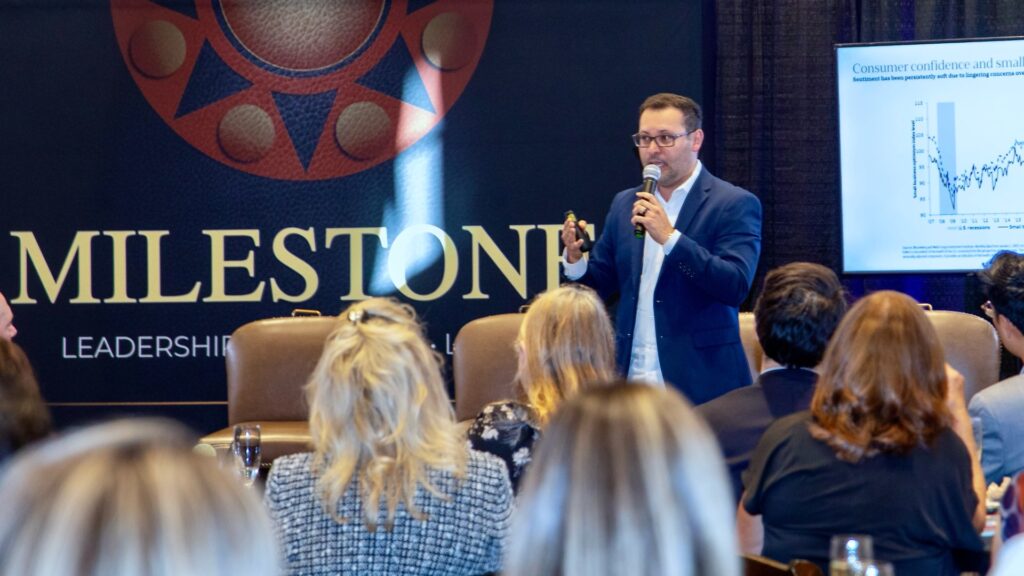
The evening also included remarks from Luis D. Alvarado of Wells Fargo, who helped frame the economic environment through insights connected to the Wells Fargo Investment Institute’s 2026 Midyear Outlook. The report’s theme, “Keeping discipline in noisy markets,” speaks directly to this moment. It points to a world being shaped by artificial intelligence, geopolitical uncertainty, inflation, energy prices, interest rates, and long-term structural change.

For Hispanic Lifestyle (HL), the takeaway is not investment advice.  The takeaway is context.

Serious conversations about wealth require serious information. They require trusted research, responsible interpretation, and a clear understanding of how economic forces affect families, entrepreneurs, professionals, homeowners, and communities.

That is the purpose of the HL Wealth Report.

We are not telling readers what to invest in. We are highlighting credible research, connecting it to Latino wealth and influence, and encouraging our audience to think more deeply about the forces shaping their future.

In Silicon Valley, one of the clearest forces is artificial intelligence.

According to the Wells Fargo Investment Institute’s 2026 Midyear Outlook, AI and other technology spending are helping shift economic growth from consumer-led activity toward investment-led growth. That includes data centers, power, technology infrastructure, electronic structures, information-processing equipment, and software.

Through the HL lens, this is not only a technology story.

It is a Latino wealth story.

Who will build the next generation of infrastructure?
Who will finance it?
Who will lead the companies connected to it?
Who will prepare the workforce?
Who will own businesses that serve this new economy?
Who will help families understand the opportunities and risks that come with economic change?

These are the questions that matter.

The Wells Fargo outlook also notes that larger companies often have advantages in uncertain markets because they tend to have stronger pricing power, less credit sensitivity, and broader access to financing. That point is especially relevant to Latino entrepreneurs and small business owners. Inspiration alone does not scale a business. Capital readiness, financial relationships, strategic planning, and access to trusted networks matter.

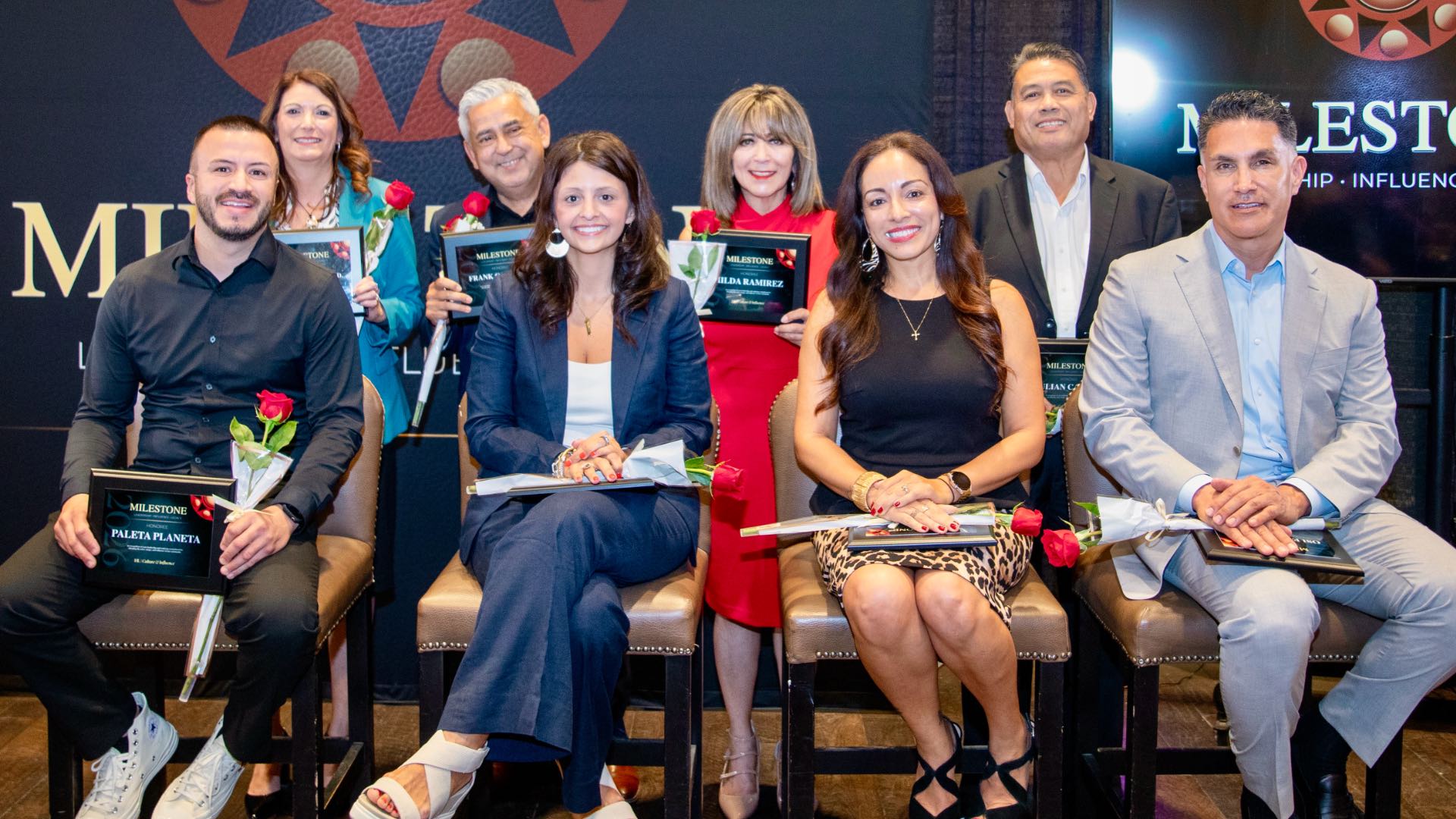
HL | Milestone Honorees recognized in Silicon Valley on June 17, 2026.

Back row: Dr. Marilyn Flores, President of San José City College; Frank Carbajal, Founder of Es Tiempo and the Silicon Valley Latino Leadership Summit; Hilda Ramirez, CEO and Team Leader of Keller Williams Silicon City; and Julian Cañete, President and CEO of the California Hispanic Chambers of Commerce.

Front row: Mauricio, Gabriel and Luis, Founders of Paleta Planeta; Gloria Mirazo Gregor, Senior Market Manager, Wells Fargo; Jazmin Diaz, Founder of Flourish Learning & Development; and Javier Diaz, Founder and CEO of OSI Engineering.

This is where Latino wealth must be understood beyond individual success stories.

The community needs more than visibility. It needs infrastructure.

“Latinos are not a one-size-fits-all market. They are homeowners, investors, executives, founders, creators, travelers, philanthropists, educators, and decision-makers. They are building companies, buying homes, leading institutions, influencing culture, and creating legacy.”

Latino wealth in Silicon Valley is not a future possibility. It is already present.

It is present in education.
It is present in real estate.
It is present in business ownership.
It is present in technology.
It is present in leadership networks.
It is present in financial institutions.
It is present in culture-driven entrepreneurship.
It is present in the families and professionals building legacy one decision at a time.

The opportunity now is to frame these stories properly.

For too long, successful Latino stories have been presented only as inspirational journeys. Inspiration matters, but it is not enough. These stories are also business case studies. They are evidence of a growing consumer segment, a rising professional class, an entrepreneurial engine, and a community with purchasing power, cultural influence, and generational ambition.

This is why brands, financial institutions, real estate developers, technology companies, civic leaders, and luxury companies should pay attention.

Latinos are not a one-size-fits-all market. They are homeowners, investors, executives, founders, creators, travelers, philanthropists, educators, and decision-makers. They are building companies, buying homes, leading institutions, influencing culture, and creating legacy.

Silicon Valley’s next chapter will not be defined by technology alone.

It will be defined by who has access to opportunity.

Who owns businesses.
Who leads institutions.
Who understands capital.
Who builds networks.
Who prepares the next generation.
Who tells the story.

That is why the HL Wealth Report matters.

It allows Hispanic Lifestyle to connect trusted research, real community leadership, and culturally relevant storytelling in a way that extends the conversation beyond the event room.

The data gives us context.
The leaders give us proof.
The stories give us meaning.

Latinos are emerging as one of Silicon Valley’s most influential growth segments.

And the future they are building is already here.

EDITOR NOTES 

HL Wealth Report is an editorial feature from HL | Culture and Influence  focused on wealth, ownership, leadership, and influence in the Latino community. This content is for informational and editorial purposes only and does not provide investment, legal, tax, or financial advice.

Readers should consult qualified professionals before making personal financial decisions.

Additional photos taken at the HL | Milestone Silicon Valley event were taken Lilith Sanchez

Small Business Month: A Surviving to Thrive Story

Small Business Month: A Surviving to Thrive Story

Small Business Month: A Surviving to Thrive Story

by Richard Sandoval, for HL | Culture & Influence

The journey from uncertainty to opportunity and the entrepreneurs building legacies that extend beyond a single generation.

For many Americans, May is recognized as Small Business Month.
For us at HL | Culture and Influence, it represents something much deeper.

It is a reminder that behind nearly every neighborhood, every family story, every growing community, and every cultural movement, there are entrepreneurs taking risks most people never see.

Small business owners are not simply selling products or services. They are creating opportunity, building influence, preserving culture, generating jobs, supporting families, and investing back into the communities they call home.
And in many cases, they are doing it without massive teams, institutional backing, or headlines.

They simply keep showing up.

Across the country, we continue to witness entrepreneurs redefining industries in real time. Some are first-generation business owners. Others are building on family legacies. Many are balancing business ownership with parenting, caregiving, mentoring, and community leadership.

What often goes unnoticed is how deeply personal entrepreneurship really is.
For many small business owners, the business is not separate from life it is life.

  • It represents sacrifice.
  • It represents identity.
  • It represents belief in something bigger than a paycheck.

Over the years, HL has had the privilege of telling the stories of restaurant owners, financial professionals, creatives, nonprofit leaders, real estate experts, retailers, attorneys, wellness advocates, media entrepreneurs, and founders from a wide range of industries. What connects them is not simply revenue or visibility.

It is resilience.

Especially within Hispanic and multicultural communities, entrepreneurship has long been part of the economic engine that helps families move forward. Small businesses often become gathering places, employers, mentors, sponsors, and trusted voices within the community.

They become part of the cultural fabric.

Today’s business environment, however, is far more demanding than it once was.

Entrepreneurs are navigating inflation, rising operational costs, technology shifts, AI disruption, changing consumer behavior, social media pressures, and an economy that often feels unpredictable. At the same time, they are expected to constantly market themselves, create content, manage teams, and remain visible in increasingly crowded digital spaces.

The pressure is real.

Yet despite those challenges, many continue to evolve, adapt, and grow.
That spirit of reinvention may be one of the defining characteristics of modern entrepreneurship.

At HL, we understand that evolution personally.

Our own platform has gone through transformation rethinking not only how stories are told, but why they matter. We have shifted toward deeper conversations around culture, leadership, influence, business, wellness, travel, and aspiration because today’s audience is looking for more than headlines.

  • People are looking for connection.
  • For insight.
  • For inspiration.
  • For examples of what’s possible.
  • Small businesses provide exactly that.

As we look ahead, we believe the future belongs to entrepreneurs who understand the value of relationships, authenticity, adaptability, and community trust. The businesses that will continue to grow are the ones that recognize consumers are no longer simply purchasing products.

  • They are investing in experiences.
  • Values.
  • Stories.
  • And people they believe in.

That is especially true within affluent and emerging multicultural markets, where influence extends beyond economics and into lifestyle, identity, and community impact.

Small Business Month should not simply be about celebrating survival.

  • It should be about recognizing vision.
  • The vision to create something from nothing.
  • The vision to employ others.
  • The vision to build legacy.

And the vision to continue moving forward even when the path is uncertain.

  • To every entrepreneur working long hours behind the scenes…
  • To every founder funding a dream with personal sacrifice…
  • To every family-owned business adapting to a changing world…
  • And to every small business owner still believing in what’s possible…

We see you.

And your story matters.

Because long before corporations discover trends, communities are often shaped by the entrepreneurs already doing the work at the local level building influence one relationship at a time.

That is worth recognizing not just in May, but throughout the year.

HL | Culture and Influence
Defining Culture and Influence… in our community.

Small Business by the Numbers

Why Entrepreneurship Continues to Matter

  • Small businesses account for 99.9% of all U.S. businesses, according to the U.S. Small Business Administration.
  • Small businesses employ nearly 46% of the American workforce, representing millions of jobs across every industry and community.
  • Latino-owned businesses continue to be one of the fastest-growing segments of entrepreneurship in the United States, contributing hundreds of billions of dollars annually to the U.S. economy.
  • Studies continue to show that business ownership remains one of the strongest pathways toward building generational wealth, particularly for first-generation entrepreneurs and multicultural families.
  • Family-owned businesses often create more than income — they create:
    • Homeownership opportunities
    • College funding for future generations
    • Employment within the community
    • Long-term financial stability
    • Legacy and economic influence
  • According to multiple business and financial studies, entrepreneurs are more likely to create transferable assets that can be passed down through generations compared to wage-based income alone.
  • Today’s entrepreneurs are increasingly building businesses around:
    • Culture and community
    • Digital influence
    • Specialized expertise
    • Lifestyle-driven brands
    • Relationship-based trust

The Bigger Picture

For many families, entrepreneurship is no longer simply about owning a business.

It is about creating freedom.
Creating opportunity.
And creating a legacy future generations can build upon.

Source | U.S. Small Business Administration

More Stories

Westchester County: Where Wealth, Access, and Influence Continue to Shape the Future

Westchester County: Where Wealth, Access, and Influence Continue to Shape the Future

Westchester County: Where Wealth, Access, and Influence Continue to Shape the Future

by Richard Sandoval, for HL and Home, Tu Casa

For generations, Westchester County has represented a unique intersection of wealth, proximity, education, and influence.

Located just north of New York City, Westchester has long attracted corporate executives, entrepreneurs, financial professionals, healthcare leaders, athletes, entertainers, and an increasingly influential multicultural professional class seeking both opportunity and quality of life.

Today, the county continues to evolve not simply as a suburban extension of Manhattan, but as a powerful economic region in its own right.

For HL, Westchester represents more than affluence. It reflects a broader conversation about access, ownership, generational opportunity, and how communities continue redefining influence in one of the nation’s most competitive economic corridors.

A County Built on Access

One of Westchester County’s greatest assets has always been location.

Residents can access Manhattan by rail in under an hour while maintaining proximity to some of the Northeast’s most desirable residential communities. Over time, that accessibility helped fuel a concentration of wealth tied to finance, law, healthcare, media, technology, and corporate leadership.

Communities such as Scarsdale, Rye, Bronxville, White Plains, and New Rochelle have become synonymous with strong school systems, real estate stability, professional networks, and long-term investment potential.

At the same time, Westchester’s economic story continues expanding beyond traditional perceptions of wealth.

A growing number of Latino professionals, entrepreneurs, healthcare executives, small business owners, and civic leaders are helping reshape the county’s business and cultural landscape building companies, purchasing homes, supporting educational advancement, and creating pathways for future generations.

Westchester County by the Numbers (2025–2026)

  • Median Household Income
    $118,976
    Among the highest median household incomes in New York State.
  • Per Capita Income
    $72,705
    Reflecting the county’s concentration of high-earning professional households.
  • Median Single-Family Home Price (2025)
    $985,000
    Up approximately 6.5% year-over-year.
  • Average Single-Family Home Price
    $1.31 Million
    Demonstrating continued strength in the luxury and executive housing markets.
  • Residential Real Estate Sales Volume
    More than $6.3 Billion
    Westchester residential sales volume increased over 10% in 2025.
  • Number of Households
    Approximately 373,000 households
    Supporting a large, affluent suburban economy tied to New York City.

Real Estate Remains Central to Generational Wealth

Like many affluent regions across the United States, real estate continues to play a defining role in wealth creation throughout Westchester County.

Homeownership in established communities has historically provided families with long-term equity growth, financial stability, and intergenerational opportunity. Even amid changing market conditions, Westchester real estate remains among the most competitive in the region.

For many families, ownership is not simply about property value it represents stability, education access, business leverage, retirement planning, and legacy building.

That conversation increasingly resonates with younger professionals and first-generation homeowners seeking to establish long-term roots while remaining connected to New York City’s economic ecosystem.

As housing inventory, interest rates, and affordability continue shaping national conversations, Westchester remains an important case study in how location, infrastructure, and community investment influence long-term value.

The Evolution of Influence

The image of Westchester County is also evolving.

Today’s leadership community reflects a wider range of voices and experiences across business, media, healthcare, education, public service, and entrepreneurship.

Professionals who once viewed Westchester primarily as a commuter destination are increasingly investing directly into the region’s business ecosystem launching companies, opening offices, supporting nonprofits, and participating in civic and cultural initiatives.

That evolution mirrors a broader national trend:
Influence is no longer defined solely by title or institution. It is increasingly measured by visibility, access, collaboration, and the ability to create opportunity for others.

For HL, that perspective aligns directly with the ongoing conversations surrounding culture, leadership, business growth, and community impact.

Why Westchester Matters to HL

For more than 30 years, HL has documented the stories of leaders, entrepreneurs, organizations, and communities shaping culture and influence across the country.

Westchester County represents an important part of that conversation.

Its proximity to New York City, concentration of professional talent, evolving demographic landscape, and long-standing connection to finance, media, healthcare, and education make it one of the most influential regions in the Northeast.

As HL continues expanding its presence in the New York market through the HL | Milestone Series, the county offers important insight into how wealth, leadership, and community continue to evolve together.

The future of influence in America will not be defined by a single city or industry.

It will be shaped in communities like Westchester  where access, ambition, culture, and long-term investment continue to intersect in real time.

More Stories

Home, Tu Casa: The First Bloom

Home, Tu Casa: The First Bloom

Home, Tu Casa: The First Bloom

Story and photo by Richard Sandoval

Home, Tu Casa Series

Last year, we began reimagining our front yard.

Like many homeowners, our initial focus was on the inside. When you first purchase a home, there’s a long list of priorities furnishings, repairs, and making the space livable. In our case, the exterior had been handled by the builder, so we directed our time and energy inward.

But homeownership doesn’t stand still.

Over time, your perspective changes. The furniture you once loved no longer feels quite right. Your taste evolves. Maybe your career advances, your lifestyle shifts, or your priorities become clearer. You repaint. You redesign. You begin again.

That’s the journey.

This rose captured in a quiet moment from our garden, represents more than a seasonal bloom. It marks the first sign of life in a space we chose to shape ourselves. It reflects effort, patience, and care. From selecting the plant to nurturing it through changing seasons, there’s intention behind every step.

Homeownership works the same way.

For many, especially first-time buyers, the process can feel overwhelming. You may be the first in your family to take that step. That’s why it’s important to lean on experience friends, colleagues, and trusted organizations that can help guide your decisions.

That’s also why we’ve partnered with Credit.org through our Home, Tu Casa series to provide real conversations, practical guidance, and access to resources that help turn the idea of homeownership into something achievable.

Because the truth is simple: owning a home isn’t just about where you live it’s about investing in yourself, your future, and your family.

And yes, it’s also about moments like this.

Taking a step back. Appreciating what you’ve built. Recognizing the growth both around you and within you.

This rose is a reminder.

Your home, like your life, will continue to evolve. And if you’re willing to put in the work, the results will speak for themselves.

We invite you to share your homeownership journey with us as part of Home, Tu Casa. Your story may be exactly what someone else needs to take their first step.

More Stories