
The Renaissance of the U.S. Hispanic Consumer

The Renaissance of the U.S. Hispanic Consumer

HL | CULTURE & INFLUENCE

The Renaissance of the U.S. Hispanic Consumer

For decades, America learned to measure the Hispanic market by what it consumed. The next chapter may increasingly be measured by what it owns.

Photos and article by
Richard Sandoval

here is no shortage of uncertainty surrounding the American consumer.

The cost of groceries, housing, energy and everyday necessities continues to influence decisions around kitchen tables and inside businesses across the country.

Yet amid that uncertainty, something interesting is happening.

For years, reports have documented the growing purchasing power and economic contributions of U.S. Latinos. The 2026 U.S. Latino GDP Report estimates that Latinos generated $4.4 trillion in U.S. economic output in 2024.

That is an impressive number.

But numbers alone don’t tell the story.

What Do We Value?

Consider a painting created more than eight decades ago.

In 1940, Mexican artist Frida Kahlo painted El sueño (La cama)The Dream (The Bed).

When the painting sold through Sotheby’s in 1980, it brought $51,000.

In November 2025, the same painting returned to auction and sold for $54.66 million, establishing a record for Kahlo and Latin American art.

Think about 1980 for a moment.

Someone might have purchased a home for $50,000. An entrepreneur might have been growing a business worth little more than an idea, some equipment and a willingness to work.

Few could have imagined what some of those assets might eventually become.

A Kahlo masterpiece certainly shouldn’t be reduced to an investment calculation. Its cultural importance extends far beyond its auction price.

But its journey raises an interesting question:

How do we recognize value?

A home can have value.

A business can have value.

Art, ideas, brands, real estate and intellectual property can have value.

Ownership allows people to participate when that value grows.

Frida Kahlo | El Sueño (La Cama)The Dream (The Bed), 1940

Oil on canvas. Kahlo’s deeply personal work sold for $51,000 in 1980. In November 2025, it returned to auction at Sotheby’s New York and sold for $54.66 million — a remarkable journey in cultural and economic value that inspired a central question in our story: How do we recognize value?

Artwork image: WikiArt | Public domain

From Consumer to Owner

That brings us to two recent developments in Major League Baseball.

In August 2026, MLB owners unanimously approved the transfer of control of the San Diego Padres to an ownership group led by investors Kwanza Jones and José E. Feliciano. The transaction has been widely reported at a $3.9 billion valuation.

Feliciano, who was born in Puerto Rico, is co-founder and managing partner of Clearlake Capital Group. He and Jones, an investor, entrepreneur and executive, jointly lead the Padres ownership group.

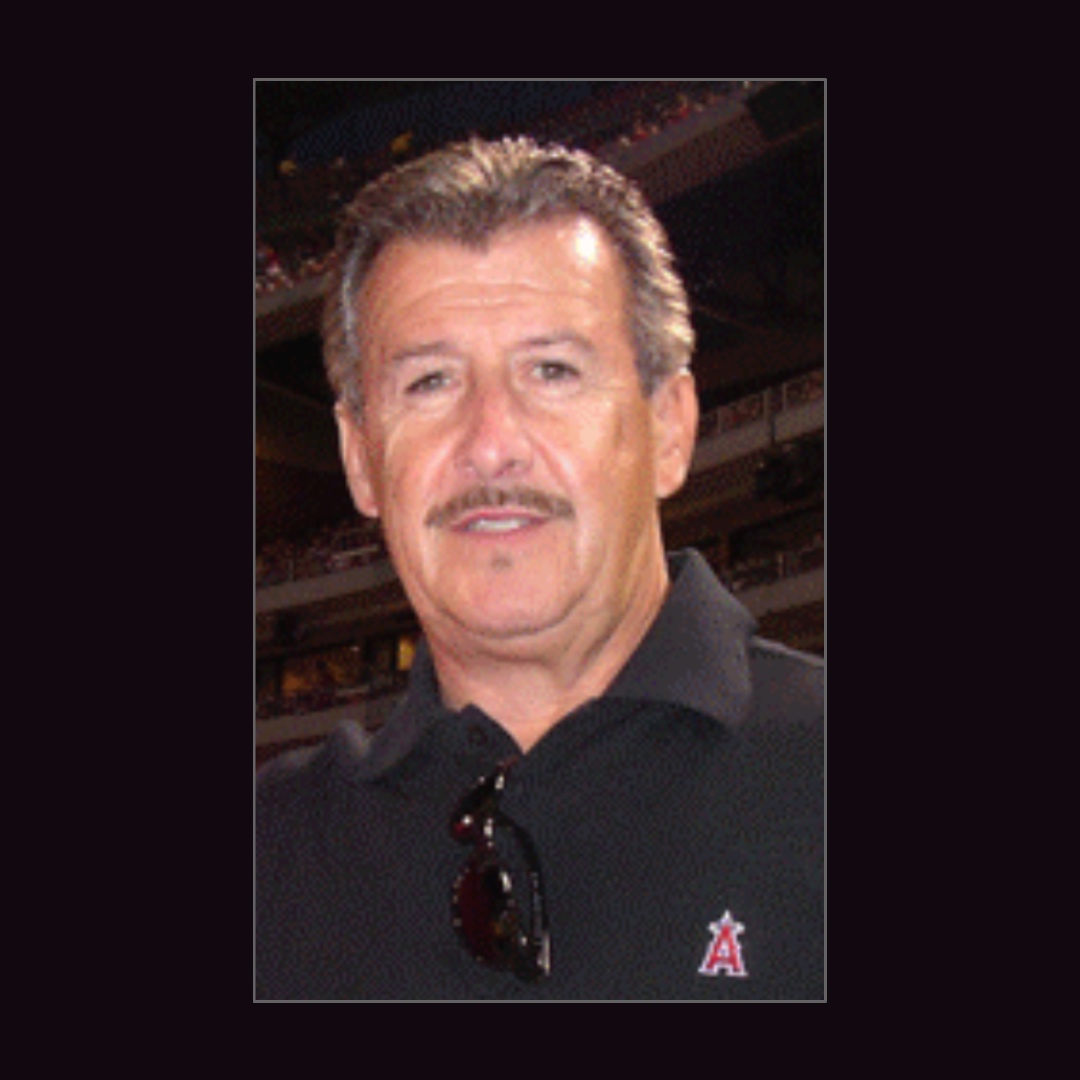
Then came news involving a businessman Hispanic Lifestyle has followed for more than two decades: Arte Moreno.

Moreno purchased the Angels from The Walt Disney Company in 2003 for approximately $184 million, becoming Major League Baseball’s first Latino controlling owner.

In September 2026, an agreement was announced to sell the Angels to Kroenke Sports & Entertainment. Published reports have valued the transaction at approximately $4 billion, although financial terms were not officially disclosed.

For us, the Moreno story carries a little history.

Hispanic Lifestyle was among the Hispanic media outlets that interviewed Moreno shortly after he became owner of the Angels. I remember meeting him at a Latino Business Association event.

My impression was that he wasn’t particularly comfortable with the spotlight.

What was unmistakable was the significance of the entrepreneur standing before us.

He was a businessman.
An owner.
A trailblazer.

More than two decades later, that distinction seems even more important.

More Than Purchasing Power

Moreno, Feliciano and Jones aren’t isolated examples.

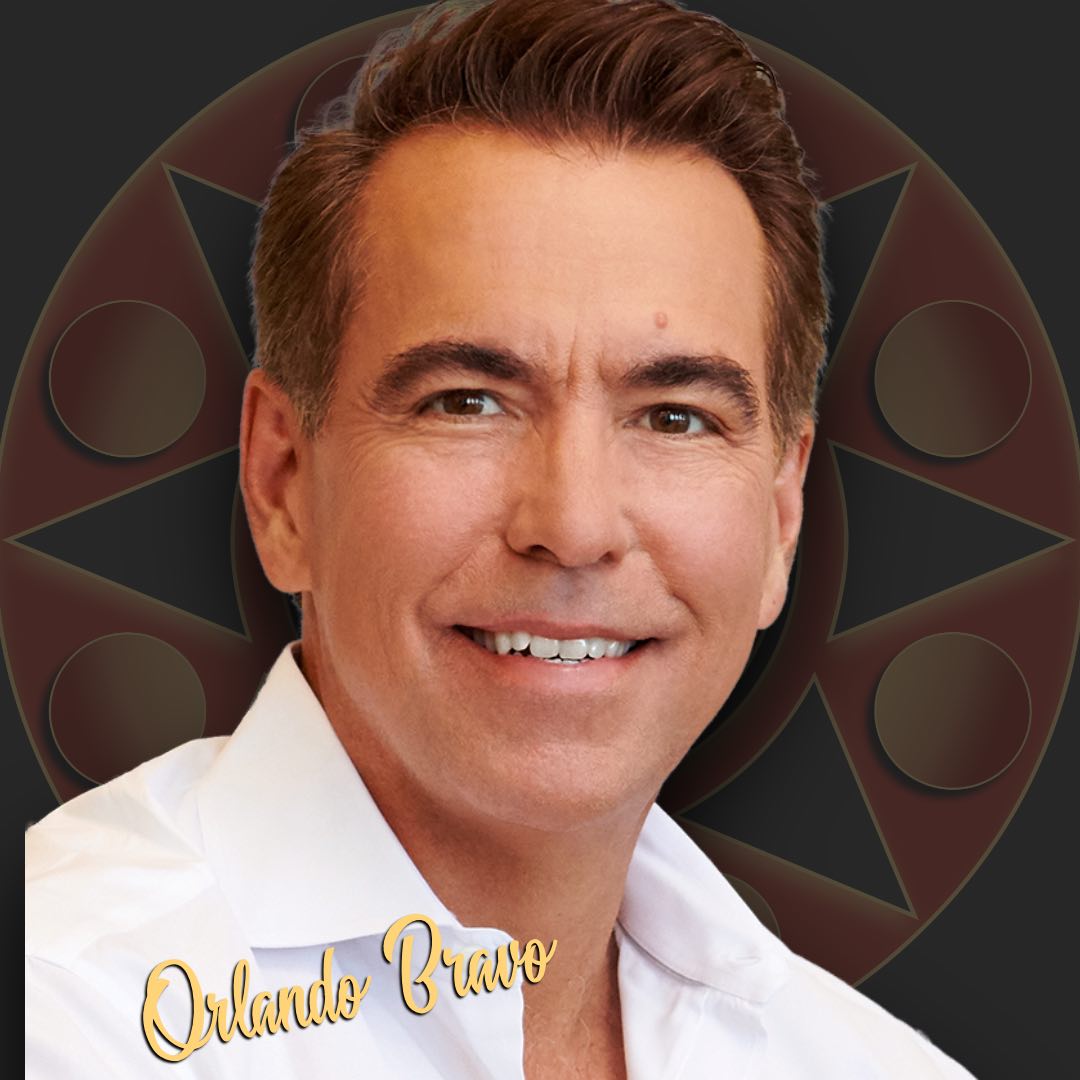
Puerto Rico-born Orlando Bravo, founder of Thoma Bravo, has become one of the most prominent Latino investors in private equity and technology.

These are extraordinary individuals operating at extraordinary financial levels. Their experiences don’t represent the typical Hispanic household.

But they encourage us to ask different questions.

For decades, businesses have wanted to know:

How many Latinos are there?
What do they buy?
How much do they spend?

Perhaps the next set of questions should include:

What are we building?
What are we investing in?
What do we own?
What will we eventually pass forward?

 

A Changing Economic Story

We can see pieces of that progression throughout our community.

Business owners are growing companies. Professionals are advancing in their careers. Families are buying homes. Entrepreneurs are investing. Executives are accumulating assets. Some are preparing businesses and property to eventually pass to the next generation.

The scale may be dramatically different from a $54 million painting or a multibillion-dollar baseball franchise.

The underlying idea is much more familiar.

Build something. Own something. Increase its value. Carry something forward.

There are still significant disparities in household wealth, homeownership and access to capital. A growing Latino economy does not mean every Latino family is prospering.

A Renaissance isn’t a declaration that the work is finished.

It is recognition that something is changing.

What Comes Next

This is a story we intend to continue exploring.

Over the coming months, HL Media Network, through HispanicLifestyle.com and HL | Culture & Influence, will talk with business owners, professionals, executives, investors, financial experts and families.

We want to better understand homeownership, entrepreneurship, investment, business succession and the transfer of assets and knowledge between generations.

We will ask questions.
We will listen.
We will discover, document and share what we learn.

For decades, America learned to measure the Hispanic market by what it consumed.

Perhaps the more interesting question now is: What will it own?

Welcome to The Renaissance of the U.S. Hispanic Consumer.

The Numbers Behind the Renaissance

2026 U.S. Latino GDP Report
Research measuring the economic output and growth of the U.S. Latino economy.

State of Latino Entrepreneurship
Stanford research examining Latino-owned businesses, entrepreneurship, business growth and access to capital.

Survey of Consumer Finances
Federal Reserve research providing context about household assets, liabilities and wealth.

Latino Wealth Research
Research examining household wealth, economic mobility and barriers to asset building.

EDITOR NOTES 

For more than 30 years, our work has centered on discovering, documenting and sharing the stories of Latino business owners, professionals, executives, entrepreneurs and community leaders.

That work began with Hispanic Lifestyle and continues today across the platforms of HL Media Network.

The reports referenced in this article help us understand the scale of the economic changes taking place. But there is something the numbers don’t always tell us:

Who are the people behind them?

That’s what interests us.

There are thousands of business owners, professionals, executives, investors and families whose individual stories rarely appear in economic reports.

Over the coming months, we intend to find some of them.

We will travel, attend conferences, have conversations and ask questions particularly the questions people may not know they need to ask.

The numbers can help us recognize that something significant is happening.

The people will help us understand what it means.
 

Defining Wealth in Silicon Valley

Defining Wealth in Silicon Valley

HL | Wealth Report

Defining Wealth in Silicon Valley

Latinos are emerging as one of the region’s most influential growth segments shaping wealth through education, ownership, technology, real estate, entrepreneurship, leadership, and culture.

Photos and article by
Richard Sandoval

ilicon Valley is often defined by technology, venture capital, innovation, and global wealth creation. It is a region known for producing ideas, companies, and industries that influence the world.
But the definition of wealth in Silicon Valley is changing.

Wealth is no longer measured only by market valuations, stock options, executive titles, or access to capital. Wealth is also measured by education, ownership, home equity, business growth, leadership, cultural influence, access to networks, and the ability to create opportunity for the next generation.

For the Latino community, this broader definition matters.

“The data gives us context. The leaders give us proof. The stories give us meaning.”

Latinos are not simply participating in the Silicon Valley economy. They are helping shape its future through business ownership, institutional leadership, real estate, technology, workforce development, financial services, entrepreneurship, and culture-driven brands.

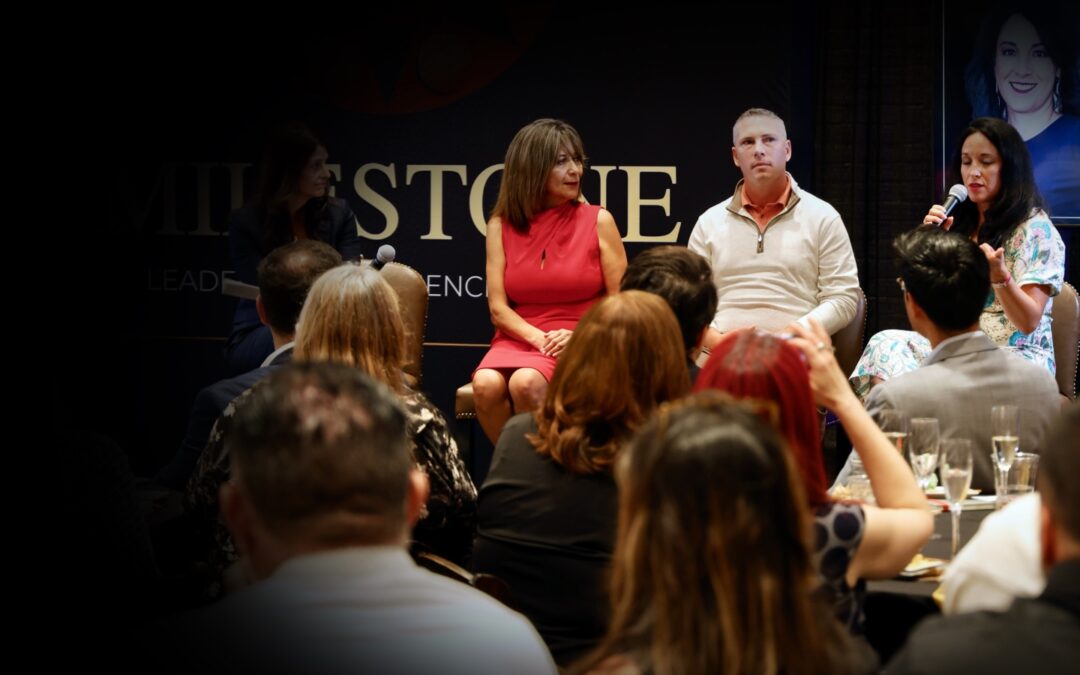
That was the larger conversation reflected at the HL | Milestone Series Silicon Valley event, where Hispanic Lifestyle recognized leaders whose stories represent a more complete view of wealth, influence, and legacy.

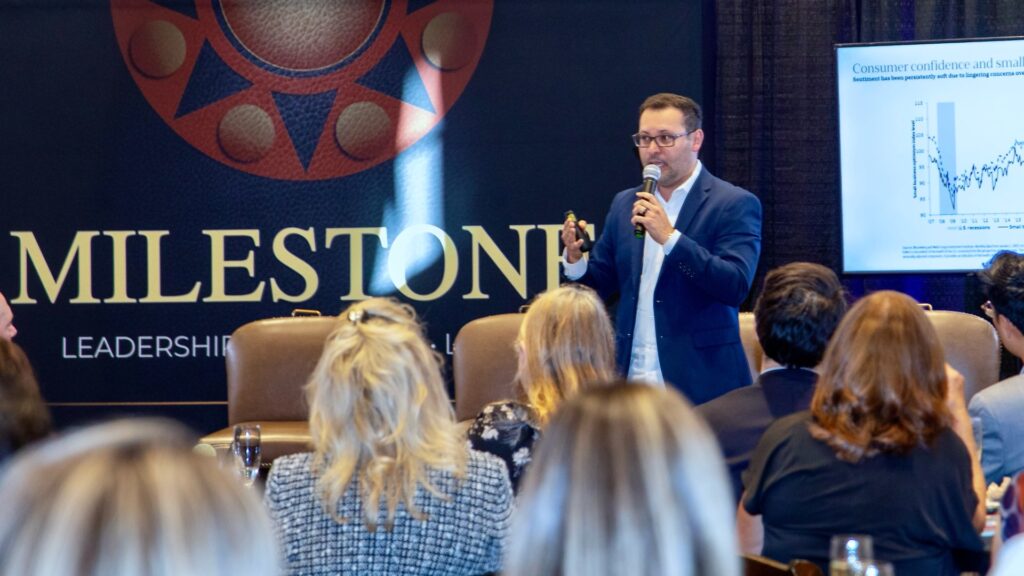
The evening also included remarks from Luis D. Alvarado of Wells Fargo, who helped frame the economic environment through insights connected to the Wells Fargo Investment Institute’s 2026 Midyear Outlook. The report’s theme, “Keeping discipline in noisy markets,” speaks directly to this moment. It points to a world being shaped by artificial intelligence, geopolitical uncertainty, inflation, energy prices, interest rates, and long-term structural change.

For Hispanic Lifestyle (HL), the takeaway is not investment advice.  The takeaway is context.

Serious conversations about wealth require serious information. They require trusted research, responsible interpretation, and a clear understanding of how economic forces affect families, entrepreneurs, professionals, homeowners, and communities.

That is the purpose of the HL Wealth Report.

We are not telling readers what to invest in. We are highlighting credible research, connecting it to Latino wealth and influence, and encouraging our audience to think more deeply about the forces shaping their future.

In Silicon Valley, one of the clearest forces is artificial intelligence.

According to the Wells Fargo Investment Institute’s 2026 Midyear Outlook, AI and other technology spending are helping shift economic growth from consumer-led activity toward investment-led growth. That includes data centers, power, technology infrastructure, electronic structures, information-processing equipment, and software.

Through the HL lens, this is not only a technology story.

It is a Latino wealth story.

Who will build the next generation of infrastructure?
Who will finance it?
Who will lead the companies connected to it?
Who will prepare the workforce?
Who will own businesses that serve this new economy?
Who will help families understand the opportunities and risks that come with economic change?

These are the questions that matter.

The Wells Fargo outlook also notes that larger companies often have advantages in uncertain markets because they tend to have stronger pricing power, less credit sensitivity, and broader access to financing. That point is especially relevant to Latino entrepreneurs and small business owners. Inspiration alone does not scale a business. Capital readiness, financial relationships, strategic planning, and access to trusted networks matter.

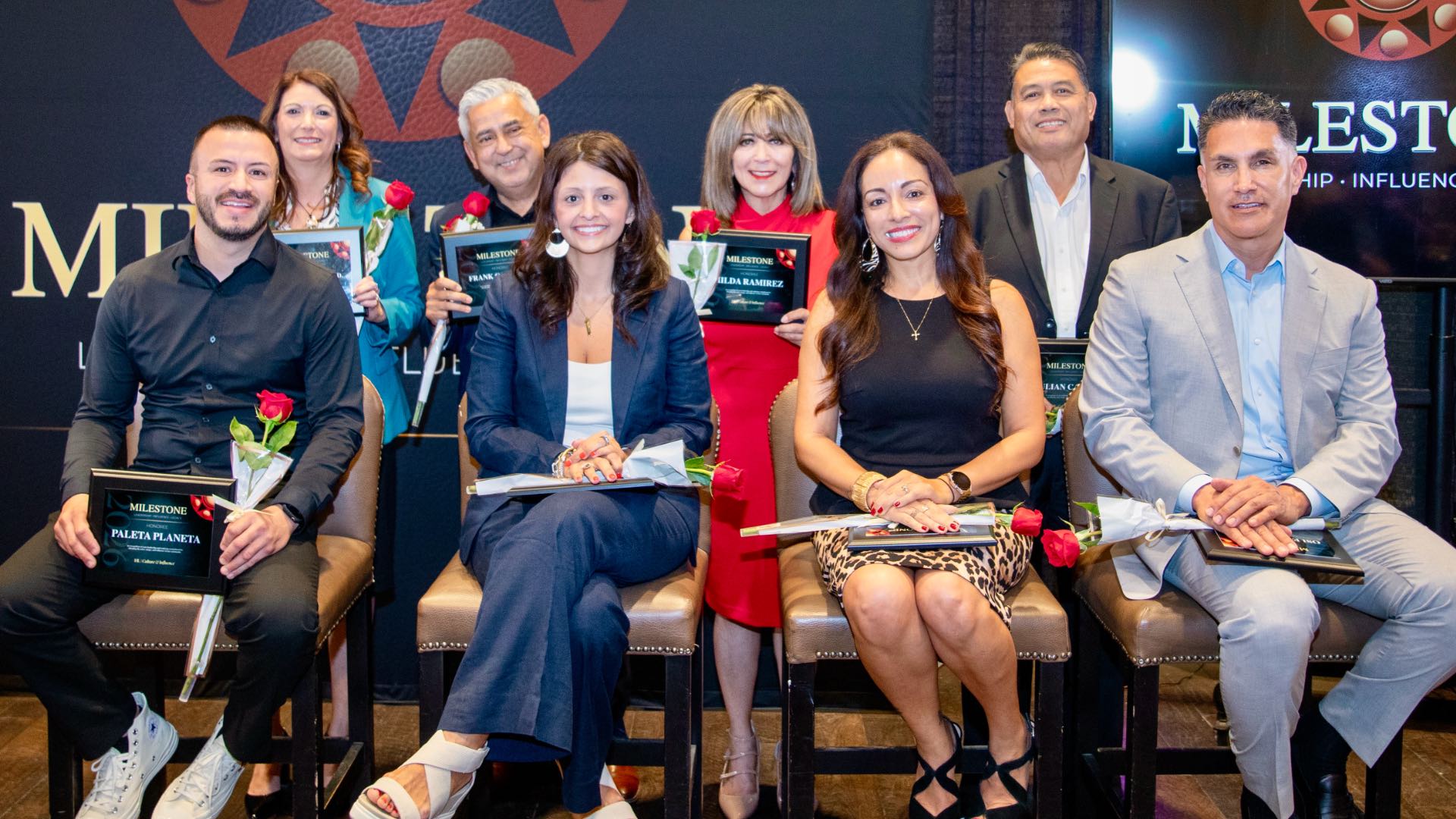
HL | Milestone Honorees recognized in Silicon Valley on June 17, 2026.

Back row: Dr. Marilyn Flores, President of San José City College; Frank Carbajal, Founder of Es Tiempo and the Silicon Valley Latino Leadership Summit; Hilda Ramirez, CEO and Team Leader of Keller Williams Silicon City; and Julian Cañete, President and CEO of the California Hispanic Chambers of Commerce.

Front row: Mauricio, Gabriel and Luis, Founders of Paleta Planeta; Gloria Mirazo Gregor, Senior Market Manager, Wells Fargo; Jazmin Diaz, Founder of Flourish Learning & Development; and Javier Diaz, Founder and CEO of OSI Engineering.

This is where Latino wealth must be understood beyond individual success stories.

The community needs more than visibility. It needs infrastructure.

“Latinos are not a one-size-fits-all market. They are homeowners, investors, executives, founders, creators, travelers, philanthropists, educators, and decision-makers. They are building companies, buying homes, leading institutions, influencing culture, and creating legacy.”

Latino wealth in Silicon Valley is not a future possibility. It is already present.

It is present in education.
It is present in real estate.
It is present in business ownership.
It is present in technology.
It is present in leadership networks.
It is present in financial institutions.
It is present in culture-driven entrepreneurship.
It is present in the families and professionals building legacy one decision at a time.

The opportunity now is to frame these stories properly.

For too long, successful Latino stories have been presented only as inspirational journeys. Inspiration matters, but it is not enough. These stories are also business case studies. They are evidence of a growing consumer segment, a rising professional class, an entrepreneurial engine, and a community with purchasing power, cultural influence, and generational ambition.

This is why brands, financial institutions, real estate developers, technology companies, civic leaders, and luxury companies should pay attention.

Latinos are not a one-size-fits-all market. They are homeowners, investors, executives, founders, creators, travelers, philanthropists, educators, and decision-makers. They are building companies, buying homes, leading institutions, influencing culture, and creating legacy.

Silicon Valley’s next chapter will not be defined by technology alone.

It will be defined by who has access to opportunity.

Who owns businesses.
Who leads institutions.
Who understands capital.
Who builds networks.
Who prepares the next generation.
Who tells the story.

That is why the HL Wealth Report matters.

It allows Hispanic Lifestyle to connect trusted research, real community leadership, and culturally relevant storytelling in a way that extends the conversation beyond the event room.

The data gives us context.
The leaders give us proof.
The stories give us meaning.

Latinos are emerging as one of Silicon Valley’s most influential growth segments.

And the future they are building is already here.

EDITOR NOTES 

HL Wealth Report is an editorial feature from HL | Culture and Influence  focused on wealth, ownership, leadership, and influence in the Latino community. This content is for informational and editorial purposes only and does not provide investment, legal, tax, or financial advice.

Readers should consult qualified professionals before making personal financial decisions.

Additional photos taken at the HL | Milestone Silicon Valley event were taken Lilith Sanchez

HL | Milestone Series – Honors Paleta Planeta

HL | Milestone Series – Honors Paleta Planeta

HL | Milestone Series – Honors Paleta Planeta

Family • Vision • Impact

Some businesses begin with a business plan.

Others begin with family.

For brothers Luis Salazar, Mauricio Salazar, and Gabriel Salazar, the journey that would become Paleta Planeta started during one of the most uncertain periods in recent history. What began as an idea during the COVID-19 pandemic—selling handcrafted paletas from their parents’ garage—has grown into one of downtown San José’s most recognized entrepreneurial success stories.

Today, Paleta Planeta stands as a testament to perseverance, family values, and the power of community.

Paleta Planeta will be recognized during  our HL | Milestone Series – Silicon Valley event, taking place on June 17, 2026. This invitation-only reception brings together a curated audience of executives, entrepreneurs, and community leaders for an evening of connection, conversation, and recognition.

👉 Event details & RSVP: https://bit.ly/41B5Z3J

The Salazar brothers, all products of the San José educational community, built their business on a foundation that reflects the experiences of many first-generation entrepreneurs. Mauricio attended Evergreen Valley College, where he also played soccer. Gabriel graduated from Evergreen Valley College before earning a degree in Finance from San José State University and becoming a Certified Public Accountant. Luis attended both San José City College and Evergreen Valley College before completing his degree in Health Science at Cal State East Bay.

Their educational journey reflects a commitment to personal growth that would later become instrumental in building a successful business.

Inspired by family members with deep roots in the paleta tradition of Tocumbo, Michoacán widely recognized as the birthplace of the modern paleta the brothers embraced an opportunity to learn the craft while creating something uniquely their own. Armed with knowledge, determination, and support from family members who believed in their vision, they launched Paleta Planeta in 2021.

There was no storefront.

No large investment.

No guarantee of success.

Only three brothers working together with a shared belief that they would build something meaningful for their community.

Selling through social media, community events, and neighborhood gatherings, they steadily grew their following one customer at a time. Their commitment to quality, creativity, and customer experience transformed a small family operation into a destination that continues to attract visitors from throughout Silicon Valley.

A defining milestone came on September 21, 2024, when Paleta Planeta opened its first brick-and-mortar location in downtown San José, directly across from City Hall.

For the Salazar family, the opening represented far more than a new business address.

It represented years of sacrifice, countless hours of work, and the realization of a dream that began in a garage.

Today, Paleta Planeta offers more than handcrafted paletas. It creates experiences, celebrates culture, and brings people together through flavors that honor tradition while encouraging discovery and creativity.

Milestone Moments

• Built a family-owned business from a garage operation during the COVID-19 pandemic

• Leveraged the educational opportunities provided by Evergreen Valley College, San José City College, San José State University, and Cal State East Bay

• Grew from direct-to-consumer sales and community events into a recognized Silicon Valley brand

• Opened its first storefront in downtown San José in September 2024

• Created a destination that celebrates culture, entrepreneurship, family, and community

• Demonstrated how education, family support, and determination can transform an idea into a thriving business

The Salazar brothers’ story reminds us that entrepreneurship is often about more than building a company. It is about creating opportunities, honoring family sacrifices, and investing in the communities that helped shape our journey.

Their journey from garage to storefront, from vision to reality serves as an inspiring reminder that some of the most meaningful milestones begin with family, faith, and the courage to take the first step.

The HL | Milestone Series is a national platform designed to celebrate leadership across business, community, education, and innovation.

The 2026 HL | Milestone Series is made possible through the support of Wells Fargo, the series’ funding partner, whose commitment to community engagement and financial empowerment helps bring these important conversations and recognitions to life.

HL | Milestone Series – Honors OSI Engineering

HL | Milestone Series – Honors OSI Engineering

HL | Milestone Series – Honors OSI Engineering

Leadership, Innovation & Community Impact

Some companies are built to generate revenue. Others are built to create opportunity.

OSI Engineering has accomplished both.

In Silicon Valley, success is often measured by innovation, growth, and market influence. Yet the companies that leave a lasting legacy are those that understand success carries a responsibility beyond business results. They create opportunities, invest in people, and help shape the future of their communities.

OSI Engineering exemplifies that vision.

OSI Engineering will be recognized during  our HL | Milestone Series – Silicon Valley event, taking place on June 17, 2026. This invitation-only reception brings together a curated audience of executives, entrepreneurs, and community leaders for an evening of connection, conversation, and recognition.

👉 Event details & RSVP: https://bit.ly/41B5Z3J

Co-founded by Javier Diaz, OSI Engineering has grown into one of Silicon Valley’s most respected technology workforce solutions firms, providing engineering, software development, artificial intelligence, and technology talent to some of the world’s most recognized companies. What began as an entrepreneurial vision has evolved into a company recognized for both business excellence and community impact.

Javier Diaz

For Javier Diaz, the journey began far from Silicon Valley’s boardrooms and technology campuses. Raised in the farming community of Gridley, California, he learned the values of hard work, perseverance, and determination at an early age. Those lessons would become the foundation for building a company capable of competing in one of the world’s most demanding and innovative business environments.

Milestone Moments

• Co-founded OSI Engineering and helped grow the company into one of Silicon Valley’s most respected technology workforce solutions firms.

• Recognized as one of the largest Latino-owned businesses in Silicon Valley.

• Earned Corporate Plus® designation through the National Minority Supplier Development Council (NMSDC), placing OSI Engineering among an elite group of high-performing minority-owned businesses nationwide.

• Expanded the company’s reach by supporting engineering, software development, artificial intelligence, and emerging technology initiatives for many of the world’s leading organizations.

• Named a finalist for the 2025 EY Entrepreneur Of The Year Award, recognizing entrepreneurial leadership and business excellence.

• Recognized multiple times among HITEC’s 100 Most Influential Hispanic Professionals in Technology.

• Invested in STEM, AI, and workforce development initiatives that help prepare future generations for careers in technology and innovation.

• Mentored students, emerging professionals, and future leaders while supporting educational and community-based organizations.

Yet the most meaningful measure of success may be found beyond the company’s growth and accolades.

Throughout his career, Javier has remained committed to helping others gain access to opportunities in technology, engineering, artificial intelligence, and STEM-related fields. Through mentorship, educational partnerships, board service, and support of nonprofit organizations, he has worked to help bridge the gap between education and career pathways for students and emerging professionals.

His commitment reflects a belief that innovation should not be limited to a select few. It should create opportunities for future generations to learn, lead, and succeed.

That commitment to expanding opportunity represents perhaps the most important milestone of all.

Today, OSI Engineering stands as an example of what can be achieved when entrepreneurial success is matched by a dedication to community impact. Through innovation, leadership, and service, the company continues to help shape the future of Silicon Valley while investing in the next generation of innovators and leaders.


The HL | Milestone Series is a national platform designed to celebrate leadership across business, community, education, and innovation.

The 2026 HL | Milestone Series is made possible through the support of Wells Fargo, the series’ funding partner, whose commitment to community engagement and financial empowerment helps bring these important conversations and recognitions to life.

HL | Milestone Series – Honors Julian Cañete

HL | Milestone Series – Honors Julian Cañete

HL | Milestone Series – Honors Julian Cañete

Culture • Influence • Legacy

Some leaders advocate for business. Others dedicate their careers to creating opportunities that allow businesses, entrepreneurs, and communities to thrive.

Julian Cañete has spent more than two decades doing exactly that.

As President and CEO of the California Hispanic Chambers of Commerce (CHCC), Julian leads one of the state’s most influential business advocacy organizations. Representing more than 135 Hispanic chambers of commerce and business associations, the CHCC serves as a powerful voice for approximately 1.8 million small businesses throughout California.

Julian Cañete will be recognized during  our HL | Milestone Series – Silicon Valley event, taking place on June 17, 2026. This invitation-only reception brings together a curated audience of executives, entrepreneurs, and community leaders for an evening of connection, conversation, and recognition.

👉 Event details & RSVP: https://bit.ly/41B5Z3J

Throughout his career, Julian has been a tireless advocate for entrepreneurship, economic opportunity, and the advancement of small business owners. His leadership has helped connect entrepreneurs with resources, strengthen relationships between business and government, and ensure that the voices of small businesses are represented in important policy discussions across the state.

Julian’s connection to the California Hispanic Chambers of Commerce spans decades. After serving as President and CEO from 1999 to 2006 and again from 2009 to 2013, he returned to lead the organization in 2017. His experience also includes serving as Vice President of Public Policy and Strategic Partnerships for the California Asian Pacific Chamber of Commerce, where he continued his work advancing business development and economic growth.

Known for his ability to build coalitions and create meaningful partnerships, Julian has become one of California’s most respected voices on issues affecting small businesses, entrepreneurship, supplier inclusion, and economic empowerment.

Milestone Moments

• President & CEO, California Hispanic Chambers of Commerce

• Represents a statewide network of more than 135 chambers and business associations

• Advocate for approximately 1.8 million small businesses across California

• Former Vice President, Public Policy & Strategic Partnerships, California Asian Pacific Chamber of Commerce

• Founding Member, California Utilities Diversity Council

• Chairman, Vet Fund Foundation of California

• Board Member, Northeast Community Federal Credit Union

• Member, California Department of General Services Small Business Council

• Member, CalTrans Small Business Council

• Former Chairman, T-Mobile California External Council

• Longtime advocate for entrepreneurship, economic opportunity, and business growth

A Legacy of Advocacy and Economic Empowerment

For decades, Julian has worked at the intersection of business, public policy, and community leadership. His efforts have helped create pathways for entrepreneurs to grow their companies, access new opportunities, and contribute to California’s economic success.

His influence extends beyond chambers of commerce and boardrooms. Through his service on numerous public, private, and nonprofit organizations, Julian has consistently focused on strengthening communities by supporting the businesses that power them.

Whether advocating for small business owners at the state level, building strategic partnerships, or mentoring the next generation of business leaders, Julian’s work reflects a deep commitment to expanding opportunity and creating lasting economic impact.

His leadership continues to help shape a stronger future for entrepreneurs and communities throughout California.

The HL | Milestone Series is a national platform designed to celebrate leadership across business, community, education, and innovation.

The HL | Milestone Series is a national platform designed to celebrate leadership across business, community, education, and innovation.

The 2026 HL | Milestone Series is made possible through the support of Wells Fargo, the series’ funding partner, whose commitment to community engagement and financial empowerment helps bring these important conversations and recognitions to life.